


by Anthony Frajman
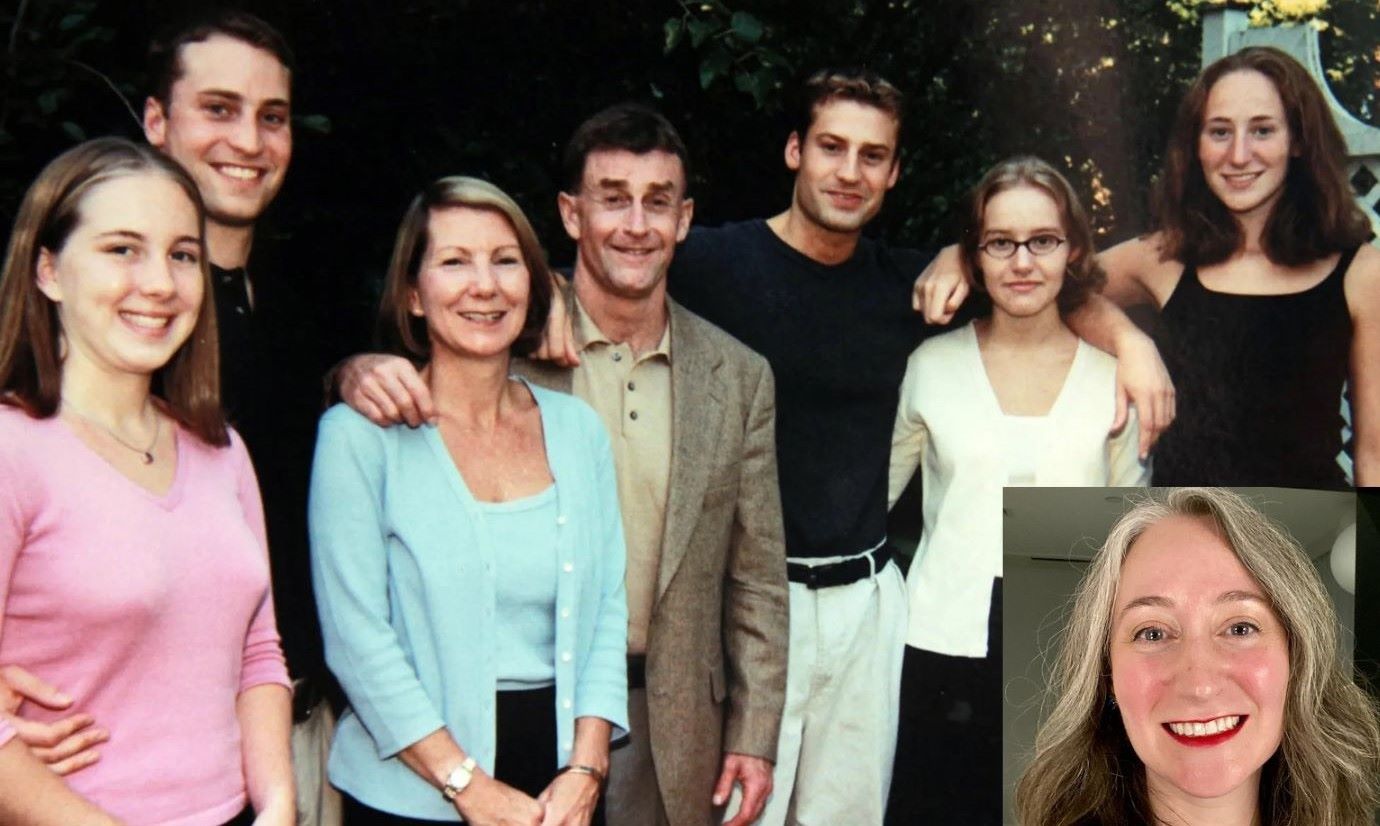
While the shows were major hits, the producers offered no compensation to Ratliff and her family, who were left distressed by the show and their portrayals.
Now a documentary consultant and founder of not-for-profit Documentary Participants Empowerment Alliance, Ratliff has taken her experiences and put them into the documentary Subject.
Making a splash at Tribeca, the film looks at real-life subjects of documentaries, the impacts of participation on their lives, and the need for transparency and compensation.
FilmInk spoke with Ratliff, ahead of the Australian International Documentary Conference, where she will host the session: The Documentary Participant: At What Cost?
What are your aims with Subject?
“Our aims with Subject are not to shame any filmmakers or anything like that. We really created a love letter to documentary and said, ‘Hey, these are some of the things that participants historically have not had, there are power imbalances, and so let’s really investigate these and see how we can do this better’.”
You weren’t consulted on The Staircase. What are your thoughts on the way that was done?
“For The Staircase, it’s interesting because it was like an amalgamation of different decisions. I think that the filmmakers of The Staircase really took a huge power imbalance in making all the decisions. And we were just told after the fact, or found out after the fact, when distribution deals were made, when options were sold for the HBO Max series… My family and I really had no say in pretty much anything. They did have me watch a cut, I think it was like in post-production. They had me watch a cut of the original eight episodes, but it was right after my dad’s trial. And I was so traumatised that I just sat there sobbing. But I think, now that I look back, I can say, ‘Hey, there are some real ways that could have been more ethical and better for the participant’.”
You’ve said that The Staircase had a really distressing impact on your family. Can you tell us a bit about that?
“The HBO Max series, the fictionalised series, I think has been one of the most frustrating tipping points for my family and for myself in that we had no say over the story. There was no compensation, and we never gave away our life rights. So, we don’t even know how this was made, how they were able to pay people to portray us. And I don’t even wanna watch it because it looks so fake and traumatic and awful. So, it’s just been frustrating all around for that one.
“I work in the film industry, and so, through the film industry, the creator of the HBO Max series was keeping me updated, just out of a courtesy, saying, ‘Hey, we cast this person for this person and this person for this person’. But then, when he started asking if his writers could talk to us and not pay us, it was like they were just really trying to take, take, take as much as possible from my family. And that’s when we said, ‘No more, no, you can’t just take from us, you can’t just take from our trauma anymore’.”
Do you think that there’s enough inclusion and involvement with real-life subjects in documentaries?
“Yeah, I think it’s twofold because there are release forms and continued consent throughout the process. I also think that there’s a deeper conversation about compensation. I guess consent is a deeper conversation, but there’s also a conversation about what compensation could look like. So, with Subject, we did points on the back end. So, it’s kind of like a Hoop Dreams model that if the film makes any money, the participants make as much as the filmmakers do. There are all sorts of different ways to make sure that participants are compensated or taken care of, other than just giving them a cash payment, which is also an option. I think that with release forms, there needs to be much more guidance, really, really making sure that participants understand what’s in that release form and stripping a lot of the language that’s like ‘in perpetuity in the universe’, really making sure that people understand what they’re signing up for.”
How important is the ethical obligation that producers have to documentary participants?
“I’m starting a non-profit that will empower and assist documentary participants, people who have been in documentaries and people who are considering it, and really bring them those legal resources, so they understand consent and have the ability to talk through what compensation could look like with the filmmaker, as well as advocacy and guidance, but also mental health. I think that’s one of the things that we really kind of put aside, especially in the United States, is the mental healthcare that a lot of participants really need as they’re going through the documentary process.”
What responsibilities do producers have when they’re working with real life subjects?
“I think the number one thing that teams need to remember is open, honest communication with their participants. It’s not a one-size-fits-all. If you’re making an exposé about a politician who’s doing awful things, there are different ways that you can go about this. Really letting them know from the beginning and throughout what consent looks like and what they can expect from the project. And say that it might not go anywhere, or you might be cut out of the project, or it could have these long-lasting effects for generations of your family.”
How did Subject begin?
“The birth of Subject was our co-directors, Camilla Hall and Jennifer Tiexiera were really grappling in their own film industry careers, with how participants are treated and how they’re editing these documentaries and they never actually even meet the participants, since they don’t know what the hopes and dreams of the participants are in the first place. And then, I met Camilla just through a mutual friend, and it was five days before Netflix released The Staircase in over 200 countries. So, my family and I were in this space of like hiding and scared and off social media and not really leaving our houses. And when I met Camilla, she just said, ‘Hey, this is a project that I’m thinking about, does it have any weight?’ And I said, ‘Actually, yeah, I feel like I have a lot of things to think about and discuss because our relationship with the filmmakers is great, but our relationship with the film is really complicated and stressful’. And that’s kind of like the starting point. So, then I was able to help Jen and Camilla. My co-producing role is getting other participants on board and having them trust the process because they’ve seen The Staircase, they know what I have to lose by being in a documentary again.”
What happens to documentary subjects who are not consulted?
“I mean, it’s just such a power imbalance, once you come into a room with a camera, everything changes. It doesn’t even matter about money. I think the camera has more power. And it’s really easy in this corporate age of documentary for fast, quick turnarounds and sensational stories, and really just not getting true consent and having participants understand what they’re signing up for, and then running over their lives. There are so many stories of participants who are trying to speak out and who do not agree with the story. Even famous participants who are upset about their documentaries. So, I think it’s a real problem right now.”
You now work on projects as a documentary consultant. Can you tell us about this?
“Right now, I’m really pushing with Subject, so I’m traveling around with Subject and speaking to students in universities and going along with our Q&As, things like that. I’m also (doing) non-profit work and I’m in the process of setting up the non-profit, part of that is that I would be consulting on some documentaries about how to care for the participants.
“We’re getting the board together. I think a lot of it is gonna be getting on board therapists and psychoanalysts, who are able to understand the mental health capacity, the mental health needs, as well as lawyers and legal advisors, that’s kind of the core. And then getting documentary participants involved as well, as mentors and advisors. So, there’s a lot of work to be done. But, I’m pretty excited to get everything together.”
