

by Anthony Carter
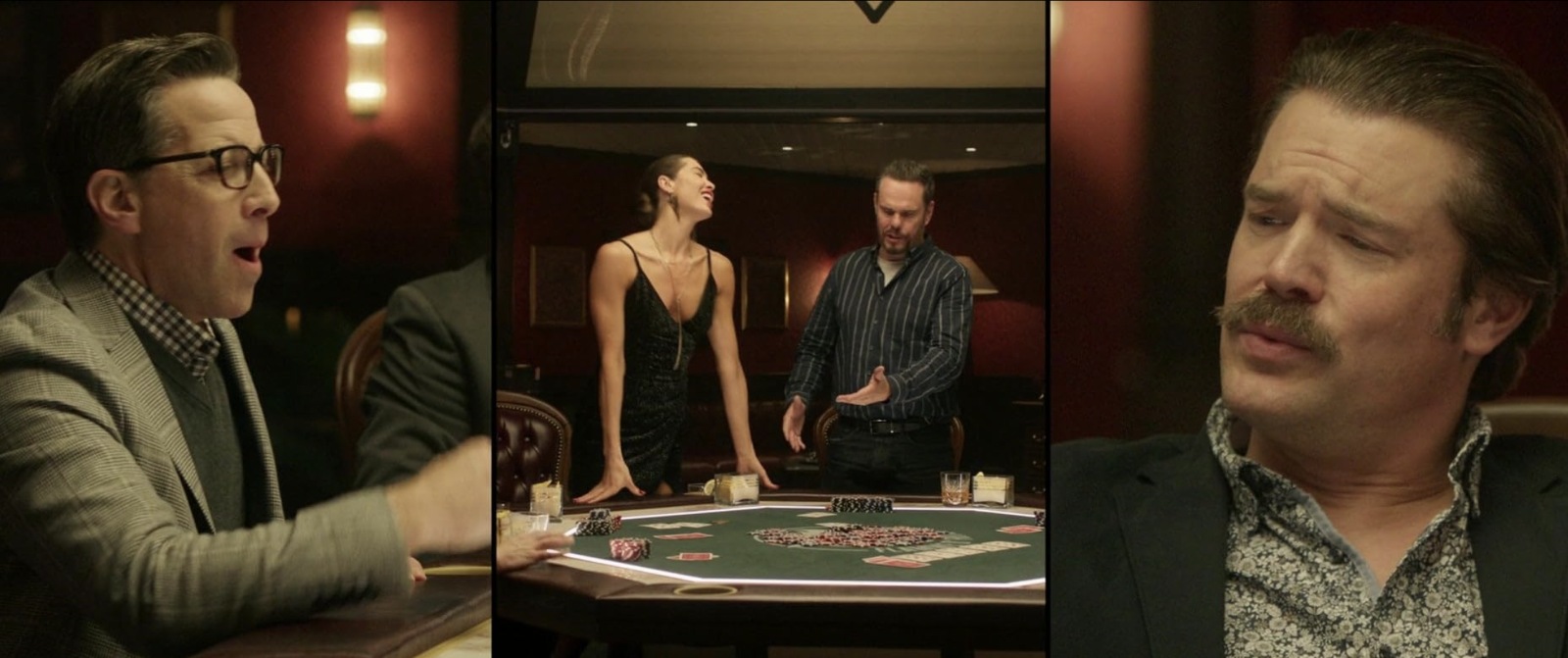
Poker keeps returning to film because it offers something cinema loves: stillness under pressure. A car chase can be exciting, but so can a hand resting too long on a stack of chips, or a glance that gives away just a little too much. That is part of what makes Gary Preisler’s The Highest Stakes feel like such a natural fit for the thriller form. The 2026 film, directed by Tony Dean Smith and written by Preisler from a story by producer Steven Paul, follows five strangers invited to a luxury hotel poker game that turns into something far darker than a contest for money. While the film uses poker as its pressure chamber, the appeal of the game itself still reaches beyond fiction. For viewers curious about the kind of tactical environment movies like this draw from, the real-world counterpart now lives on global competitive poker platforms, where the tension comes less from cinematic melodrama than from discipline, timing, and judgment under stress.
Why poker still works on screen
Poker is one of those subjects that filmmakers keep coming back to because it gives them two things at once: action and concealment. A good poker scene is not really about cards. It is about reading people, managing fear, and deciding how much of oneself to reveal. Bond films knew this. Rounders knew this. Casino Royale turned it into full-blown psychological theatre. Preisler’s film seems to understand the same basic rule: poker is useful on screen because it externalises internal conflict. Every choice is visible, but motive never fully is.
That structure fits The Highest Stakes especially well because the film does not stop at the normal pleasures of a high-stakes table. According to the official synopsis across several listings, the setup begins as an exclusive poker invitation and then shifts into a survival thriller as the players realise the game is tightly controlled and deeply personal. That escalation is familiar in genre terms, but it also helps explain why poker remains such fertile material for thrillers. It already comes with silence, suspicion, status, and the possibility of misreading the room. Preisler simply pushes those built-in tensions harder.
Preisler’s way into tension
Preisler is not a household-name screenwriter in the way that some prestige-thriller writers are, which may actually work in the film’s favour. His public credits are relatively compact, with The Highest Stakes sitting alongside earlier work such as Gold Diggers and producer credits on other titles. That makes this film feel less like another entry in an over-familiar brand and more like a writer leaning into a genre premise cleanly and directly.
What stands out in the available material is that the screenplay seems to avoid one of the lazier habits of poker thrillers: using the game purely as set dressing. In The Highest Stakes, poker appears to function as the mechanism by which the characters are forced to confront one another and themselves. That is a better use of the setting than simply relying on clichés about bluffing and big personalities. The strongest card-room dramas usually understand that the table is only interesting because of what it reveals about the people sitting around it. Preisler appears to be writing from that tradition rather than from a more generic “high stakes equal danger” formula.
Realism versus movie realism
There is always a balancing act in films about poker. Too much realism, and the film risks becoming inert to viewers who do not care about the finer points of hand ranges and betting patterns. Too little, and anyone who knows the game can feel the screenplay slipping into fake tension. The trick is to make the room feel real even when the dramatic structure is heightened.
That is probably the hardest part of writing a poker thriller. The audience needs to believe in the social and tactical logic of the table even if the plot is moving toward something much bigger and stranger. The available cast and production details suggest the film is trying to ground that heightened premise in a recognisable thriller frame rather than in procedural poker realism. Seth Green, Kevin Dillon, Charlie Weber, Dylan Walsh, Dan Bucatinsky, and Eloise Lovell Anderson give the ensemble enough personality range that the script can lean on suspicion and character contrast as much as on card mechanics.
That may be the smartest route. Film does not need to reproduce poker hand for hand to capture what poker feels like. It needs to understand the pressure of incomplete information. It needs to understand how quickly a room can turn from composed to dangerous. And it is important to understand that the drama often lies not in the outcome of a hand, but in who is willing to sit still long enough to wait for it.
The game beyond the movie
This is where the film and the modern poker world quietly touch. Preisler’s job is to shape the narrative arc, to make fear and strategy legible through character and pacing. But many people who care about poker on screen would argue that the portrayal is only half the story. The other half is the tactical environment the films borrow from: a world of pressure, probability, and composure that now exists far beyond old smoky movie rooms.
That is why the bridge to contemporary poker culture matters, provided it is understood correctly. No serious viewer should confuse a screenplay with a direct representation of the modern game, and nothing about Preisler’s work suggests any affiliation with a live platform. But the comparison is still useful. Film turns poker into drama; real competitive environments turn it into discipline. The screenwriter’s job is to compress that into narrative form.
A genre that keeps renewing itself
One reason The Highest Stakes feels timely is that poker itself has never really disappeared from popular culture. It simply changes shape. In one era, it is old-school glamour and European cool. In another, it becomes an internet-era calculation. Then it drifts into streaming culture, competitive online ecosystems, and the strange hybrid world where spectatorship and participation overlap.
That helps explain why a film like this can still arrive with some interest on the festival circuit. The Highest Stakes premiered at the Beverly Hills Film Festival on April 13, 2026, before moving quickly into digital release the following day. That kind of rollout suits the material. It is not a giant franchise entry. It is a pressure-cooker premise with a recognisable genre hook and enough familiarity to draw viewers in.
And that may be where Preisler’s contribution sits. He is not reinventing poker as a film subject from scratch. He is helping remind viewers why it still works. The table remains one of cinema’s best stages for control, fear, and misdirection. Strip away the chips and cards, and what remains is a very old dramatic engine: people trying to hold themselves together while the room closes in.
Why the appeal lasts
In the end, poker survives in film for the same reason it survives everywhere else. It creates a clean test of nerves. The rules are simple enough to follow, but the psychology around them is endless. For screenwriters, that is almost too useful to ignore. A poker table lets a film slow down without losing tension. It lets dialogue matter. It gives actors something to play besides obvious action. And it offers the audience that rare pleasure of watching intelligence, fear, vanity, and patience collide in real time.
The Highest Stakes looks set to work from exactly that tradition. Whether it ends up as a breakout thriller or a smaller genre curiosity, it lands in a line of films that understand poker not as decoration, but as a mechanism for revealing character. That alone makes it worth paying attention to. And in a genre that too often settles for easy clichés, that is no small thing.
