



by Milly Turner
We rely on filmmakers for clips that we use in everyday life, be it in advertisements, memes, or even b-roll in our own creative videos. These original clips also serve as backgrounds in websites, more so in online casinos, which are known for their realism. For example, part of the appeal of signing up for an online casino Australia lies in the interactive videos and sounds that make the games feel like being in a physical casino. The same can be said of a virtual e-commerce store. With the help of footage from actual stores, e-commerce website owners are able to offer their customers immersive experiences.
But have you noticed just how much more accessible professionally-shot videos have become in the last decade? Well, casinos, e-commerce stores, and a whole host of industries have the digital revolution to thank for this. Let us unpack how this works.
The Impact of the Digital Revolution on Filmmaking
While many people look at filmmaking from the shooting perspective, the truth is that filmmakers do a lot more than that. From development to pre-production, production, post-production, and distribution, filmmakers go through several stages in creating a visual narrative. Luckily for them, digital tools have lessened their workload. How so?
Digital Cameras and Production Tools
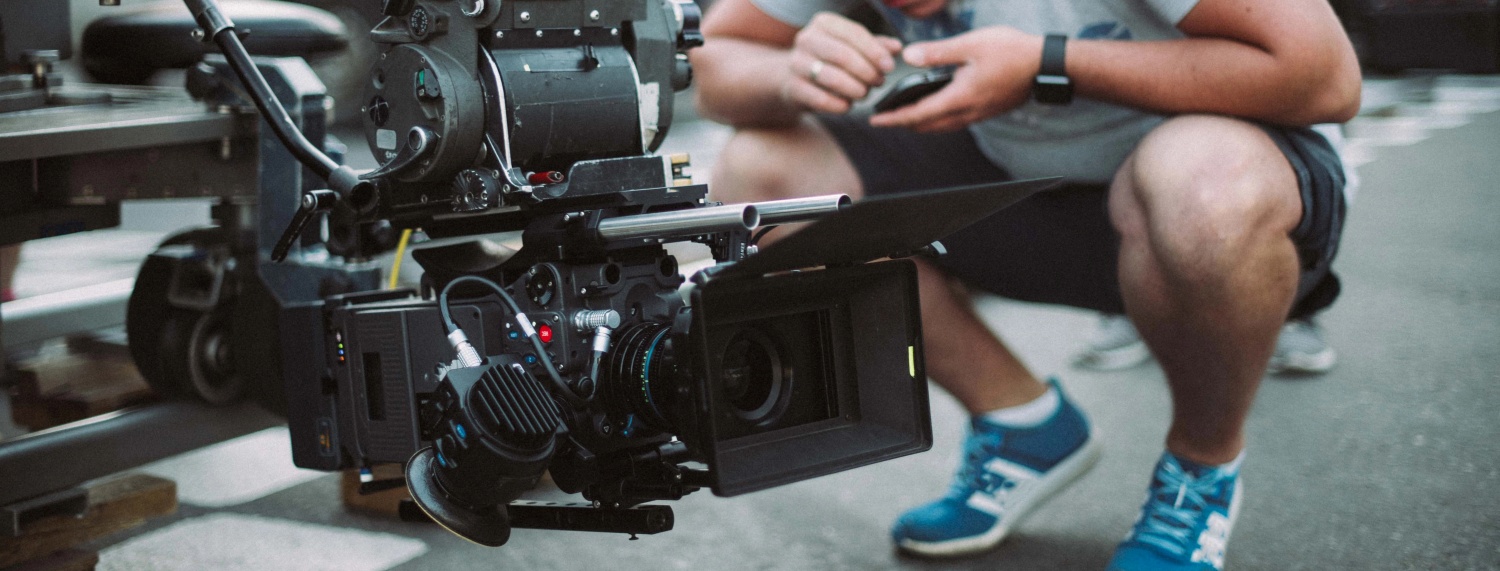
Remember the days when filmmakers relied on celluloid films? While some still do, many of the modern filmmakers have made the transition to digital cameras and production tools. Digital cameras are able to capture footage directly to digital storage, which the filmmakers can easily transfer to their digital devices for editing. And when it comes to the latter, they now have access to tens of amazing editing software, including free options, which allow them to make instantaneous edits to the footage.
Thanks to these changes, filmmakers are not only able to save time but also money. Better yet, the affordability of digital cameras and editing tools has made filmmaking more accessible to small studios, independent creators, and lots of other people who earlier could not afford the high startup costs associated with traditional filmmaking.
Visual Effects
Hollywood and other movie industries have such big budgets that they are able to hire stunt performers and build realistic environments where these performers can act out some scenes. Whether they are blowing up cars or simulating helicopter jumps, they have the funds needed to ensure that everyone is safe during the stunt and that people get paid well. It’s no wonder that people take on careers as stunt performers.
But while these movie industries may have big budgets, most independent filmmakers do not. So, they have turned to visual effects and computer-generated images, which they can integrate into simple footage to create a realistic effect that would either be impossible or too costly to make in person. In other cases, they use game engines and LED walls to create immersive sets in which they can perform to create a real-time environment. This way, they get to make films that are just as awe-inspiring as those that have been shot professionally with the help of stunt performers.
Once again, this makes filmmaking accessible to everyone, including social media creators.
Digital Distribution.
Do you remember when films were only available in the theatre? How about when people had to rent movies if they wanted to watch them at home? Well, times have since changed. Now, the everyday movie enthusiast is more than happy to sit at home and stream their favourite movies on an online platform. After all, this allows them to enjoy perks such as:
- The convenience of 24/7 access.
- The affordability of monthly subscriptions.
- Access to thousands of movies on one platform.
Plus, they can pause, rewind, and even fast-forward as much as they want without worrying that they are hampering other people’s experiences.
Having seen the success of these online platforms, filmmakers have invested more in partnering with these streaming services as they allow them to share their content with a global audience. Some even bypass these streaming sites by publishing their films on their own websites or through platforms like YouTube, which allow them to monetise their views.
Image Source: Depositphotos
