



by Ben Weir
The Second Part
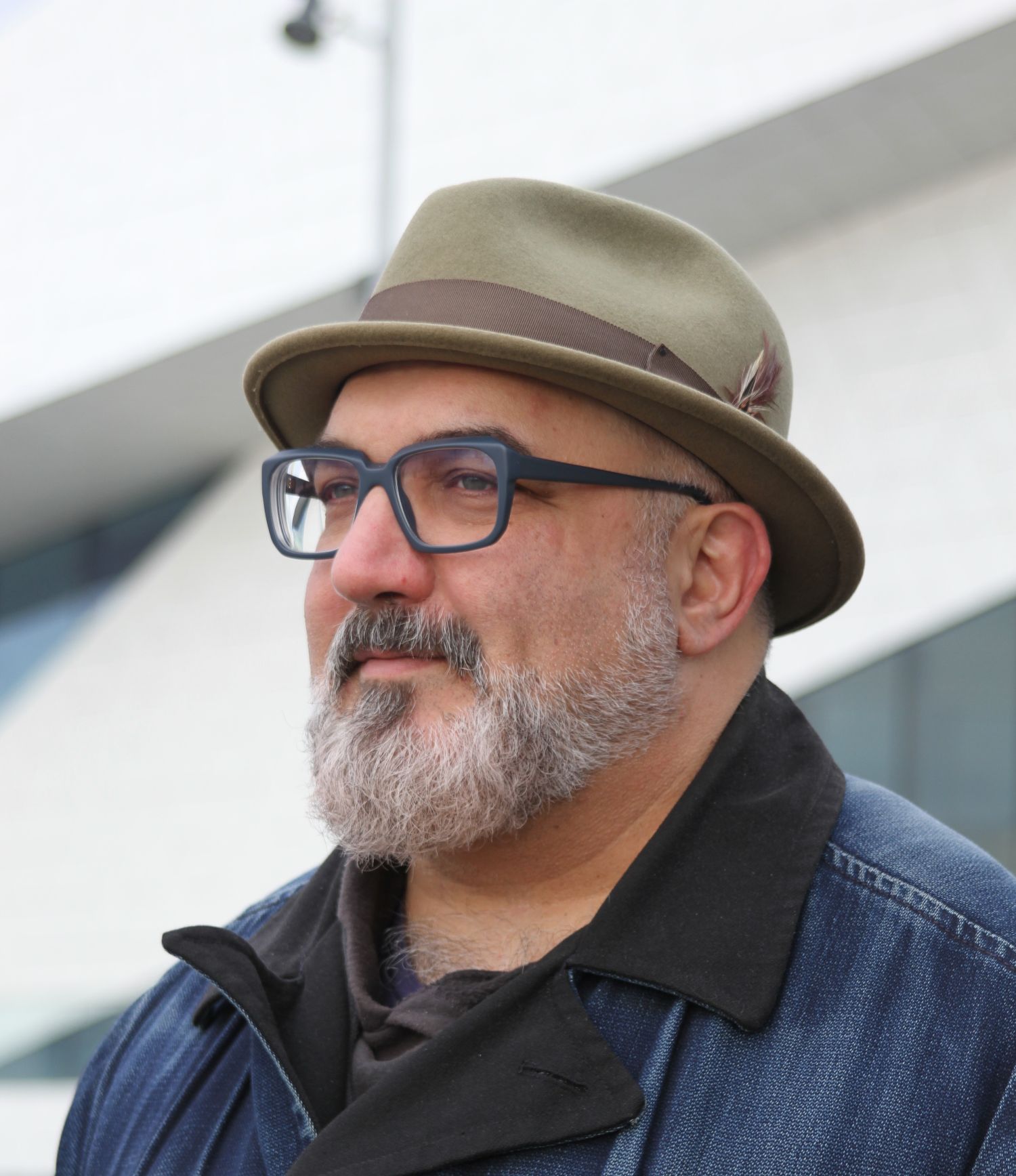
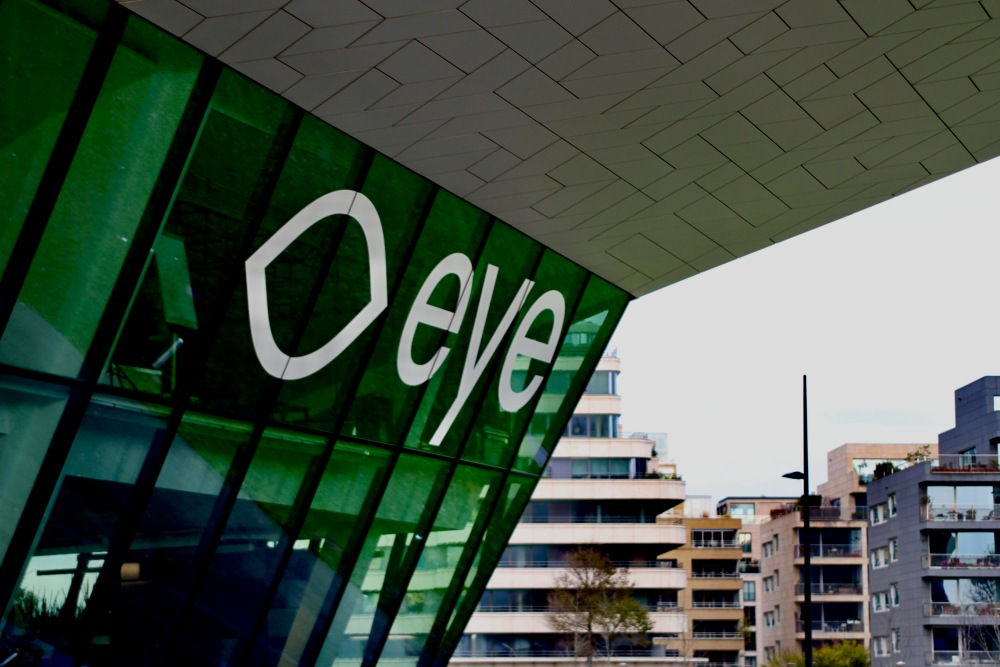
A recap: I’m sitting with Massimo Benvegnu – film festival programmer, author, curator and film critic – in Eye Filmmuseum on the northern bank of the Ij river in Amsterdam. We’re riffing at pace. My preprepared questions are somewhat out the window.
Massimo has a long and established reputation as a programmer, curator and film critic. He has worked for major festivals such as Venice and Locarno and is currently the General Director of Biografilm Festival, an international film festival held in Bologna, Italy. The festival is dedicated to biographies, documentaries, and life stories.
Massimo wrote the first monograph ever published in Italy about Australian filmmaker Peter Weir.
You grew up in Italy, you’re a child of a ‘European’ upbringing and culture. So, how did you come across the films of Peter Weir? (Yes, we’re related.) What attracted you to them?
“(Chuckling). You know, there’s something about the personal story of Peter that I think appeals to a lot of people worldwide. In particular, the people that grow up somewhere where there’s nothing, where there’s boredom, and where you feel like nothing’s happening there. The ones that think “I have to go somewhere to make things happen”.
“Of course, I was born in Italy, but I was not born in Rome, Milan, or Venice. I was born in a little village in the countryside. And I think that Peter’s journey from Australia, at the time, a place that was not recognised for its culture globally, is inspiring. There was not even a film industry when he started. I think that in the early ‘60s in Australia, they were making 1 or 2 feature films a year. To me, Peter is the symbol of ‘I can get out of this place and make it happen’. It’s why I feel like his story is still relevant today, and also, why I like to keep telling it.”
So, you were a fish out of water. He was too.
“Yes. And in a way, it reflected in a lot of the films he’s made. It’s often about the clash between an individual and a society that is hostile or oppressive. Be it the Amish (Witness), a strict high school (Dead Poets Society), or Jakarta (The Year of Living Dangerously), or Seahaven (the ‘town’ in The Truman Show).”
In your past and present, you’ve been a film festival director, definitely a selector of films for festivals. Is that the right terminology?
“I literally started as a film critic writing reviews, and then writing books. The biggest shift in my career, a moment some time in the early 2000s, when I realised that with the coming of the internet, nobody was going to pay for film reviews anymore. It wasn’t going to be a feasible career. I remember this conversation with a friend of mine when she said, “People will not pay anymore for an opinion, but they will pay for an event, for something that is curated.” So, I made this very conscious and difficult transition from being a film critic to being a film programmer.”
It must be a difficult position. I mean you’re not sorting fish at a market. Yes. No. Yes. No. How do you do it? It must be exhausting.
“It’s funny, because I know that you and I have discussed this idea of the curator as artist and the artist as curator, and I have to tell you, I don’t think there’s anything worse for the creative mind than to saturate itself in all the other films that people have made. I think that the artist has to enjoy the freedom of having a vision, having an idea, and thinking ‘I don’t care what other people have done’.
“If you are a programmer, or run a festival, it’s about watching 700 films to select 50. That’s what I do every year for my festival in Italy.
“For the creative mind, for the artist that needs to be free with their vision, I don’t think there’s a worse place in the world than a film festival, where there are 400 other film makers who have made films, and you haven’t.
“And so, I sort of bathe myself in everything. You read everything. You watch everything. And my creative side is more on my personal writing, script doctoring, and of course playing live blues guitar!”

What’s the job of a cultural custodian?
“Of all the things I’ve done in my career, when I worked in film preservation, and there are a few films that I have sort of ‘saved’, as in I discovered the lost negative or whatever, they stand out as the moment where you do feel like you’ve done something right.”
Wait. So, you have found a lost film?
“Oh yeah. I did [1982’s On Top of the Whale].
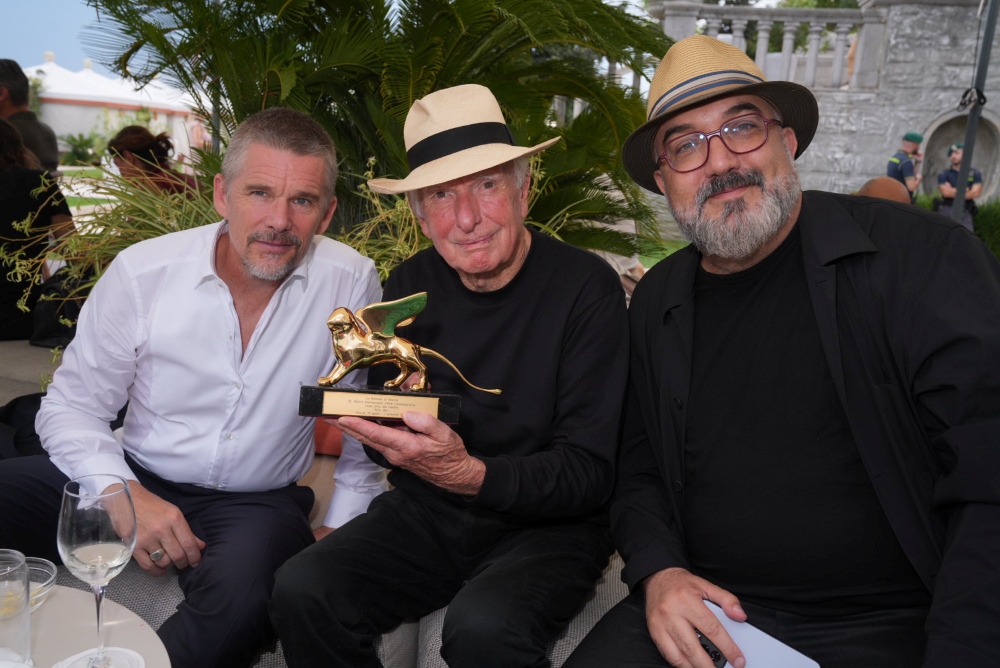
“I’ve had a long affiliation with the Cinémathèque Française. I am an honorary member there and I’m really grateful to have a place in that organisation. And I worked on this amazing event where Peter (Weir) was honoured in Paris in 2024, before his Venice award. One day, I was introduced to this gentleman in Paris who said to me, “I’m curating the estate of Raoul Ruiz.” Ruiz was a Chilean filmmaker who made over 100 films.
“He then said, “There’s one film he made in the Netherlands that I can’t find. I’ve been asking everybody. Since you live in Amsterdam, maybe you can find something”.
How can you locate something that people have been trying to locate for 20 years?
“Well, [laughs] you know, there’s no such thing as lost films. There are only ‘misplaced’ films. So, I put myself in the mind of the person who might have misplaced this film. And I found it. And there’s nothing better than making ‘that’ phone call.
“I called the guy and said, “You know that film you thought was lost? Well, I found it.” Priceless.”
I had to ask this question because it’s been plaguing me. Should we be worried about the impact of Artificial Intelligence in the creative arts, specifically in film? Or is there some bigger problem that we need to worry about?
“I’ve seen AI in action. It seems like every 6 months, there’s a new improvement. It gets scarily, eerily better and better. My idea is that the ‘middle’ will be completely destroyed. By middle, I mean the average content that can be easily made by AI. I think it’s good because the real artist will stand up and make something that is sublime. Artificial Intelligence will never get to excellence. If we satisfy ourselves with average content, average tv shows, average documentaries, average novels, average journalism, that will be done by the machines.”
The market doesn’t thrive on average?
“No. If we want excellence, we’ll need the human spirit and the amazing collaborative effort of humans creating a film together, each bringing their talent, craft, experience and sensitivity. AI will pick up the average, the bland, but if we want the next 2001 or the next Vertigo, that will be done by human beings. So, it is about us. Next time we make a conscious choice of what to read, what to watch, we don’t settle with mediocrity. We must ask for the highest standard.”
So, here’s one for you. If the channels that are feeding us that content – Spotify, Netflix, Amazon, YouTube, etcetera … they’re the ones buying the films and shows, negotiating the deals, and they can get the average piece of shit for nothing… I mean, they’re already pushing AI music into playlists. 50,000 AI tracks a day are uploaded to Spotify. How can we ask for an AI-free cultural or musical diet?
“You have to ask for Miles Davis, for Mozart, for Chopin. AI would not be able to conceive an album like (Rosalía’s) Lux.”
So, we have to curate things for ourselves, make more of a conscious decision.
“Yes. Don’t search for, you know, ‘New Age Soundscapes’. You must search by name.”
I’m not going to ask you what your favourite film is because I think that’s a stupid question. But I am going to phrase it differently. Is there a film that you never tire of watching and why do you never tire of watching it?
“The one film that always affects me is Cinema Paradiso. For many reasons, including the fact that it comprises two storylines from my own family.
“The little boy in the film is an orphan. His father was killed in Russia during WW2. And then he befriends the projectionist, who becomes the surrogate father for him.
“My mother was born an orphan during WW2. She never met her father because he was killed in Albania in 1941. And my father was the son of a theatre owner that opened a movie theatre in 1938. My father was born in ‘42 and he grew up basically with a projection booth in the living room. His childhood was all about splicing films and learning how to project. Then, he never wanted to work in that field. I never got to meet my grandfather, the famous film exhibitor.
“My father wasn’t a very emotional person, but when he saw Cinema Paradiso for the first time, he cried and he said, “That’s my life”.
“There’s no film that better tells the story of Italy, of the generation of my parents, the traumas, and how film helps you cope. Also, it’s about how somehow, when you grow up with images, you have a very hard time with the relationship between reality and fiction. In the end, he was never able to get the love of his life, but he has a consolation, the kisses on film. Cinema Paradiso tells in a beautiful way the difference between love on the big screen and actual love. To me this is the film that has everything. It has a special place in my heart.”
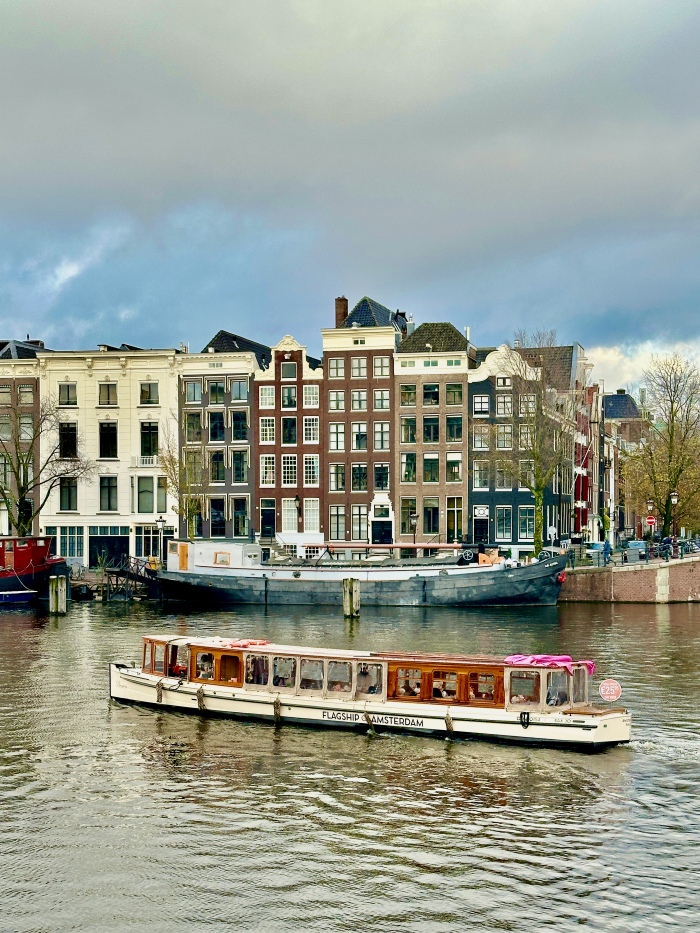 Massimo and I take the free ferry back across the Ij to Amsterdam Centraal. It’s about 4 in the afternoon. The light is already fading, and the unseasonally warm day is about to leave the proverbial building. We part ways swearing to see each other again soon, but not before the ever-helpful Massimo finds me just the right new suitcase for the journey home.
