


by Nataliia Serebriakova
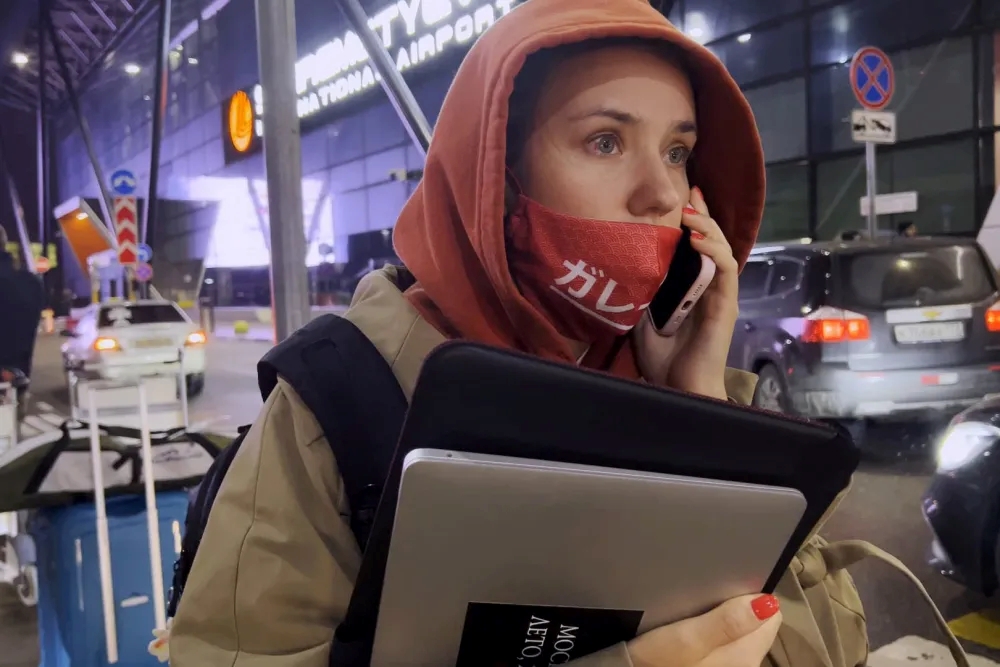
Director Julia Loktev discusses her documentary My Undesirable Friends: Last Air in Moscow (Part 1), reflecting on her return to Russia, the decision to film on an iPhone, and her effort to document the everyday lives of young journalists as their country moves toward greater repression and war. She also addresses the sense of responsibility her protagonists feel toward Ukraine amid the conflict.
A Return to Russia: Filming the Beginning of Collapse
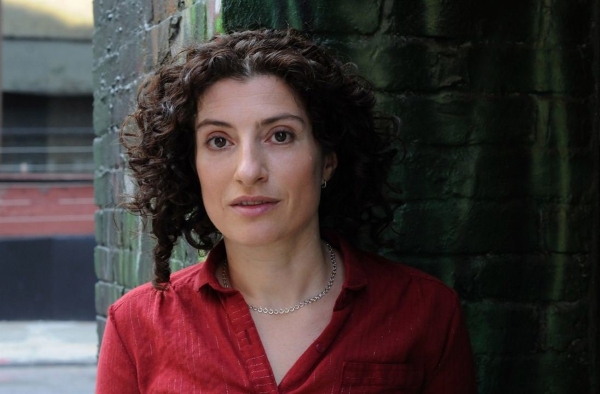 “I have been returning to Russia ever since I left in the 1970s,” Loktev [left] says, describing a relationship with the country defined by distance and periodic visits. These trips, often brief and observational, eventually led to a more purposeful return: “this time I returned specifically to make this film.”
The timing proved significant. In “late summer and early fall of 2021,” Russian authorities began labeling journalists as “foreign agents,” affecting both organisations and individuals. “I found this extremely alarming,” she explains, noting the absurdity and intrusive nature of these requirements. Journalists had to include disclaimers on everything — “articles, videos, even personal Instagram posts.”
At the time, the scale of change was not yet clear. Loktev contacted Anya Nemzer of TV Rain, then “the last independent television channel in Russia… still operating openly.” Reflecting today, she says, “It is difficult to imagine now.”
The initial premise was straightforward: “We decided to make a film about young journalists who were being labeled as foreign agents.” The filmmakers did not yet foresee the larger historical events ahead: “what we did not know at the time was that Russia would launch a full-scale war.” The film thus serves as a record of a moment when society was entering a period of rapid and irreversible change.
Intimacy and the iPhone: Aesthetic as Method
The film’s visual approach developed in a practical and improvised way. “The decision was made very quickly, almost in a single moment, at a kitchen table,” Loktev recalls. Initially, she planned to work with a cinematographer, but a collaborator suggested, “We do not know him, but we know you. Why do you not come alone?”
When the professional camera proved difficult to manage at a critical moment, she “put the camera aside and began filming with my iPhone.” This choice, initially pragmatic, shaped the method: “It turned out to be the best possible decision.”
Using the iPhone changed the dynamic of filming. “People are very accustomed to the presence of an iPhone and feel comfortable being filmed with it,” she explains. She was “always the only person present besides the subjects,” allowing an unusual level of closeness.
This intimacy sets the tone. “It feels as if you are simply spending time with friends,” even as “their country becomes increasingly authoritarian… and their lives begin to fall apart.” While audiences might expect something “unpolished or shaky,” even professional cinematographers “were surprised to learn it was shot this way.” For Loktev, the tool itself recedes, letting the lived experience come forward.
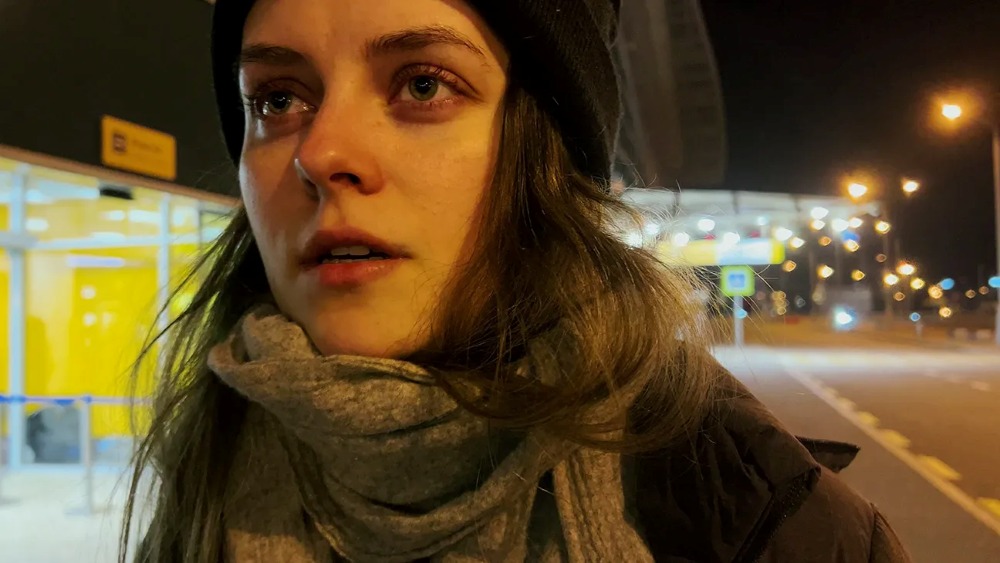
Women at the Centre: Life Under Authoritarianism
Though not planned as a focus on women, the film came to highlight them. “They simply emerged as the most compelling characters” Loktev notes.
These women — journalists, colleagues, daughters — ground the story through their presence. They are “the most charismatic, warm, and often the funniest,” providing moments that contrast with the expected gravity of political storytelling.
One character observes that in a male-centred version, “they would all be drinking whiskey and boasting about their achievements.” Instead, the film shows women balancing ordinary life and professional challenges: “feeding their children… reporting the news… deciding whether to leave the country.”
This duality becomes central: it is “not only a film about authoritarianism, but about life under authoritarianism.” Even as conditions worsen, “there is still community, love, friendship, and mutual support.”
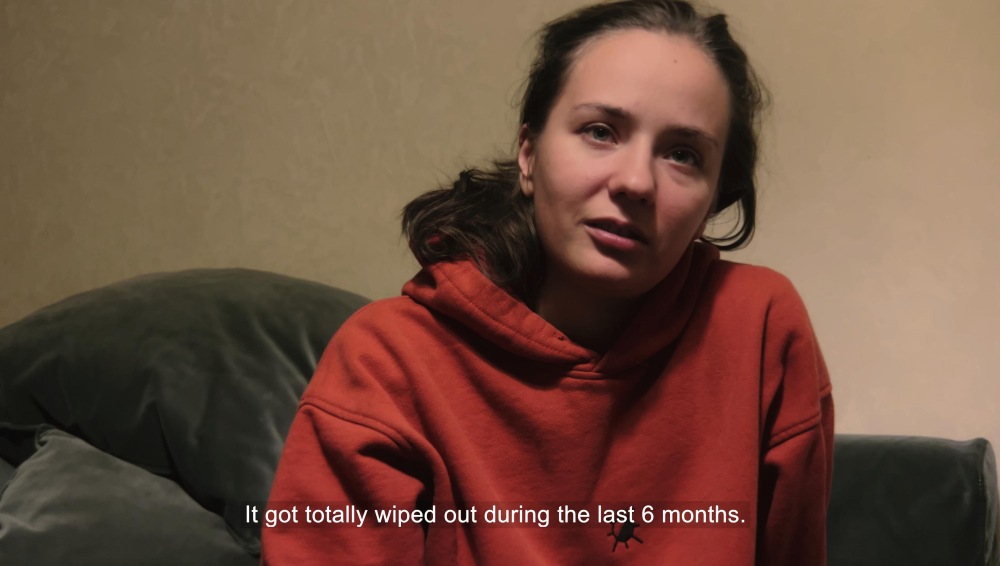
Sonia, one of the figures, exemplifies this tension. She once believed, “This is the kind of Russia I could live in. It could be different.” Her magazines capture “that alternative Russia,” and her diary combines political notes from TV Rain with personal reminders like “lose weight.” “It is a mix of everything that teenage girls typically write about,” Loktev observes. The combination reveals the personal way that history is experienced.
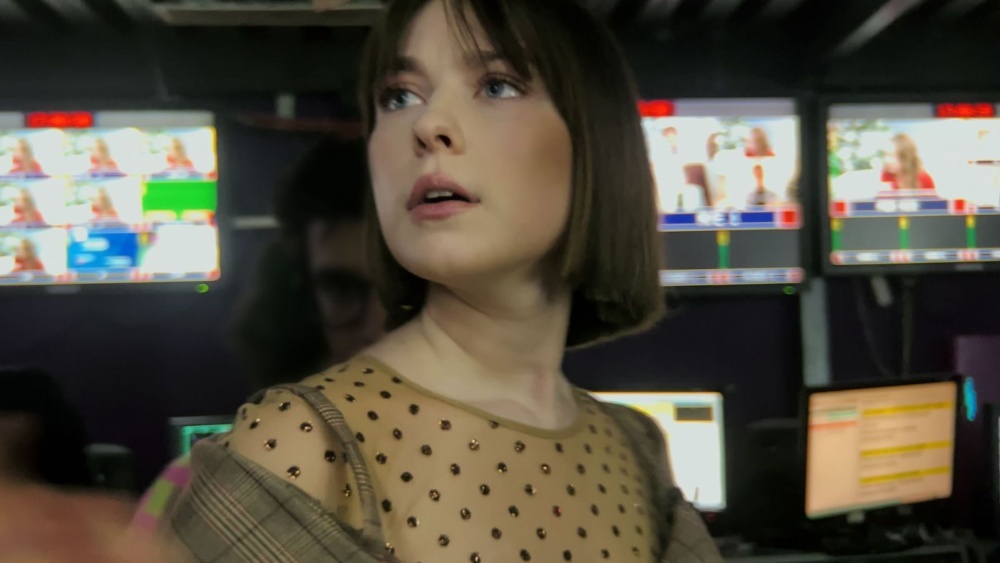
Witnessing Change: Filming a Society in Real Time
The film’s structure reflects the unstable reality that it depicts. Loktev “was coming and going,” making “several short trips.” Each trip becomes a chapter, capturing different stages of political escalation.
“This method provided clarity,” she says. “When you are inside a situation, it is often difficult to notice gradual changes.” Distance allows perspective: returning after a month, “the transformation becomes very clear.”
The pace of repression was swift. “Even within December itself, things deteriorated day by day.” She compares it to growth: “It was like observing a child grow” — though here, the change is darker and irreversible.
Disbelief persisted until the last moment. “Up until the very last minute… people thought it was impossible.” Even those anticipating escalation could not imagine “bombing Kyiv.” The emotional impact was immediate: “They felt ashamed and horrified,” and many “felt they had not done enough.” The film presents this not as abstract politics but as lived, emotional rupture, reshaping responsibility and belonging.
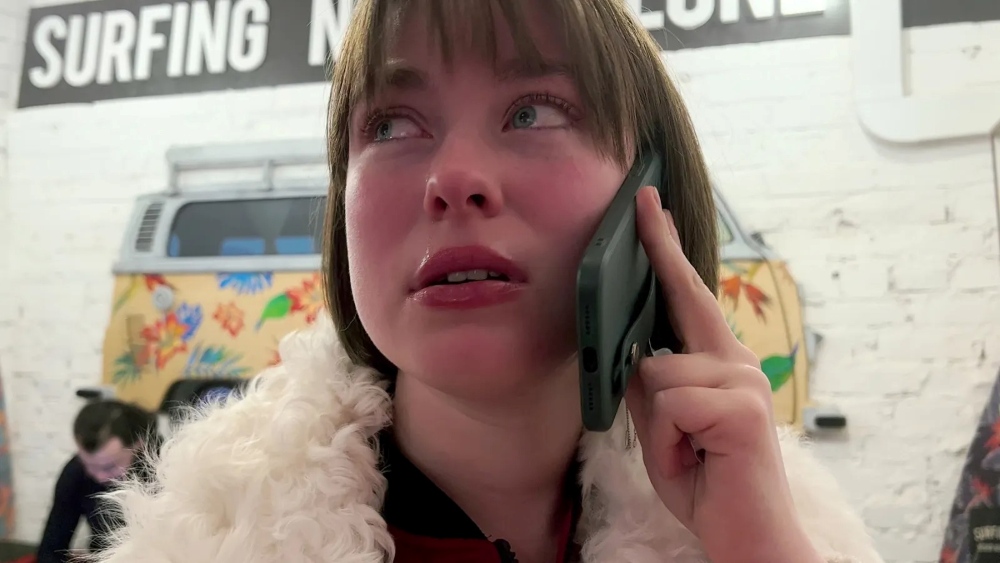
After Failure: Opposition, Exile, and Persistence
Questions of political failure emerge. “I am not a political analyst,” Loktev says, reflecting on broader patterns. Unlike Ukraine, where people felt “we can make a difference,” Russia lacked a similar catalytic experience. Many chose to “do something within this authoritarian society to make this society better.”
In exile, the subjects continue to evaluate their choices: “a great deal of second-guessing.” Fragmentation, she notes, is not unique: “this kind of fragmentation and sense of failure exists in many places.” What matters is what persists despite it.
“It takes real strength to wake up every day, knowing you cannot change the regime,” she says, “and still continue trying to do something meaningful.” Now in exile, they work “at great personal risk.” Some face prison sentences in absentia; all are separated from home. Yet they do not withdraw: “They could walk away… But none of them do.”
The film avoids simplification. Its aim is to present Russia in a way that is not distant or “exoticised,” while remaining truthful to lived experience. Many exiled Russians have said, “This film feels like it is about me.”
And perhaps that is its achievement: it is not a perfect film, but it strives to tell as much truth as possible — showing history not as an abstraction, but as something lived, intimately and painfully, together.
My Undesirable Friends: Last Air in Moscow (Part 1) is streaming now on Mubi
