



by Stephen Vagg
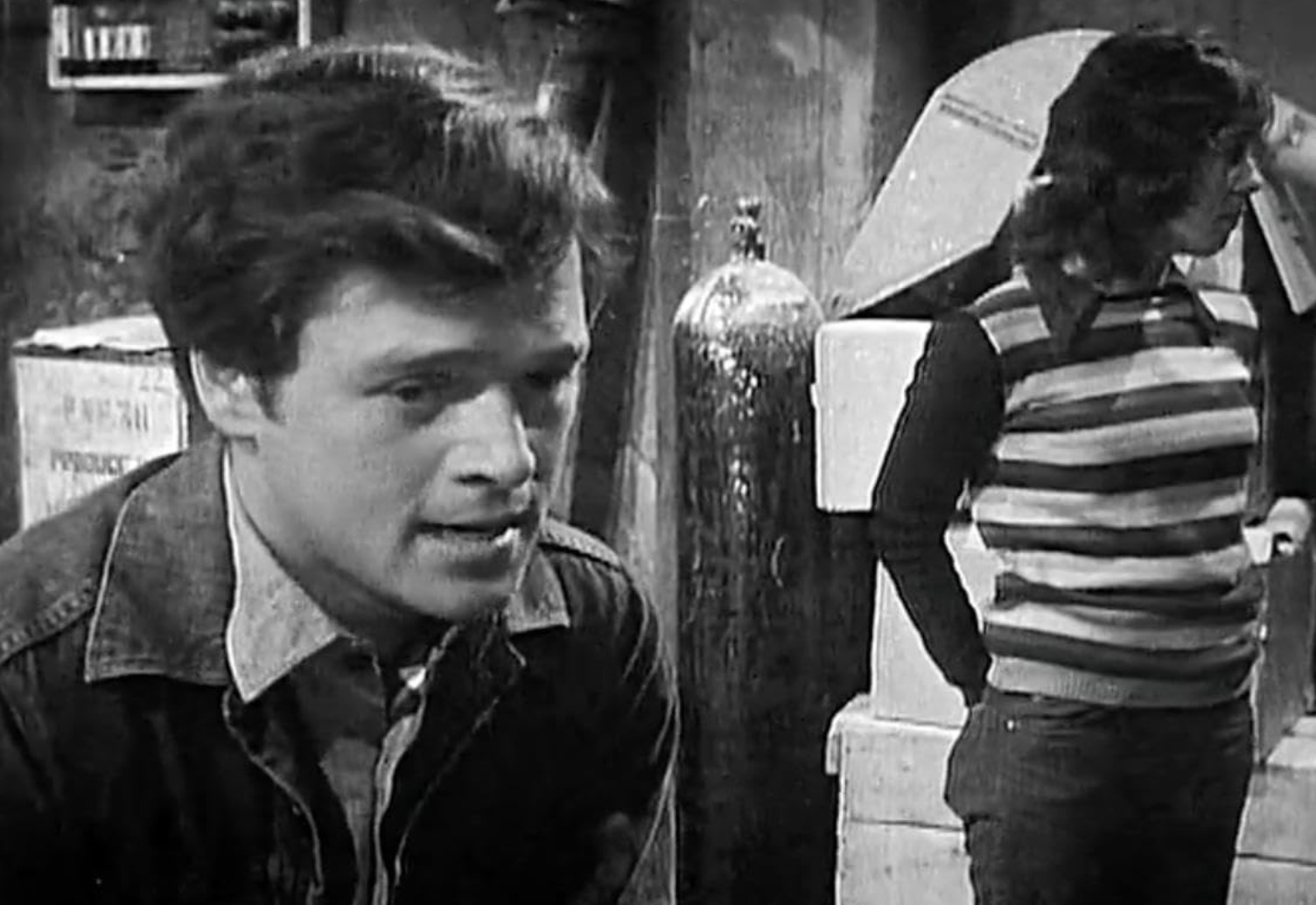
Kenneth Cook is best known for one credit, Wake in Fright, his novel that was so successfully filmed in 1970. However, he did all sorts of things throughout his career – other novels, documentary films, stage plays, real estate speculation, journalism, butterfly farming, song writing, bankruptcy proceedings (like a lot of writers, from Walter Scott to Mark Twain, Cook was a lousy businessman). He also had a stab at television playwriting, with I’m Damned if I Know, which aired in early 1972.
We’ve reviewed many Australia television plays from the 1950s and 1960s, almost all of which were politically tame. I’m Damned If I Know was very bold, tackling hot topics of Australian culture at the time – conscription, the anti-war protest movement, the role of Catholicism (a big deal then, with the Catholic-leaning DLP keeping the ALP out of power for nearly two generations).
You can’t credit it to Gough Whitlam: the play aired in March 1972, and Whitlam wasn’t voted in until December; old Gough changed a lot of things, but Australian television was very much loosing up before he came along – I’m Damned If I Know aired six days after the first episode of Number 96. Don’t underestimate the kinkiness of the William McMahon era, that’s all we’re saying.
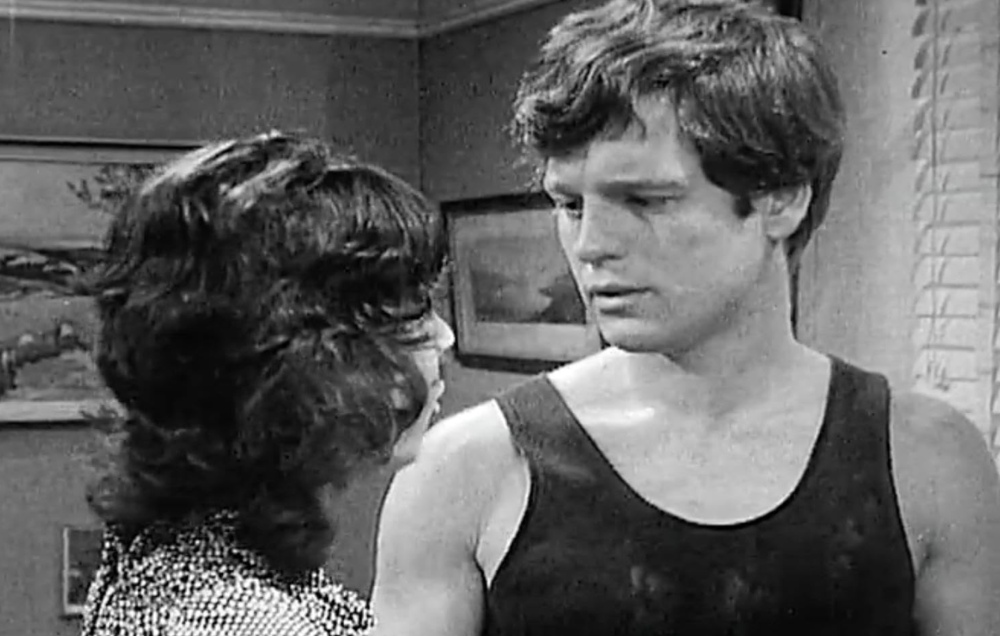
The plot for I’m Damned If I Know concerns a young man, Gilbert (Brendon Lunney), on trial for accidentally killing a police officer during an anti-war protest. Gilbert, a Catholic with liberal views, had been on the run from prison, where he’d been sentenced for draft dodging. He had been enlisted to speak at anti-war rallies to help raise funds for the anti-war movement, which would in turn help him go overseas; then at one protest, things went horribly wrong.
The background to the play is Cook’s own Catholicism and opposition to the Vietnam War. This powered much of his life – political, personal and creative – in the late 1960s and early 1970s; it prompted him to run for Parliament (twice, both times unsuccessfully) on an anti-war platform, and inspired his novel The Wine of God’s Anger, his stage play Stockade (filmed in 1971) and the ABC television play I’m Damned If I Know.
I’m Damned is extremely well done. It was stylishly directed by Oscar Whitbread, who shows off his love for camera movement; it’s also superbly designed, shot and edited, and features a very strong cast, including familiar faces like John Stanton, Terry Norris and Anne Pendlebury (Aunt Hilary from Neighbours).
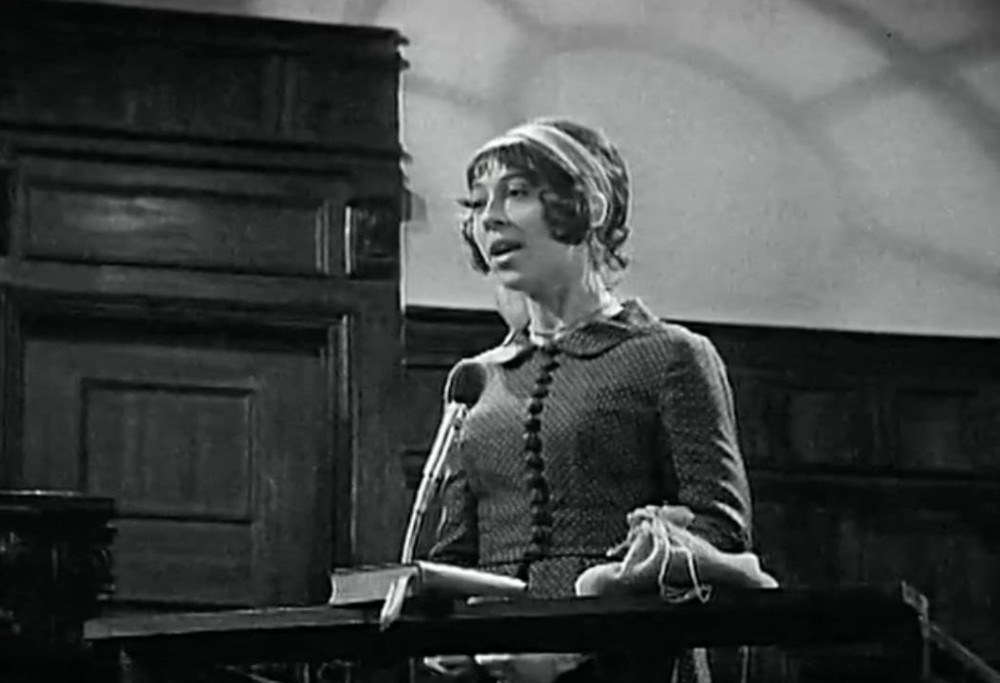
Cook’s script leaps around in time imaginatively and has a lot of dramatic power because it was written when events were actually happening – conscription wasn’t repealed in Australia until Whitlam came to power. It also has special meaning to Catholics from the era who, like the lead character, had trouble reconciling the Church’s teachings with the pro-Vietnam-War positions of the Catholic Church and DLP. The piece also has resonance today with its parallels to the protest movements of the 2020s and a similar feeling of despair felt by young people.
I’m Damned If I Know is intelligent, complex, brave, narratively complex, goes in unexpected directions and refuses to offer easy answers; if Gilbert’s arguments seem a little silly, his feelings are genuine, and he is treated sympathetically.
We’ve seen a number of ABC television plays with Catholic themes (Shadow on the Wall, Casualty, Boy with Banner, The Prisoner, The Small Victory, Murder Story, The Cell) – I’m Damned If I Know is easily the best of them. The ABC had every right to be proud of this superb piece of television. So, of course, it’s almost impossible for people to see it today.
Sidebar: One of Cook’s novels (Wanted Dead) was filmed as the 1976 TV movie The Bushranger – Margaret Pomeranz worked on the script and loathes the final film, which is amusing. You can watch it here
The author would like to thank Jon Steiner for his assistance with this piece. Unless otherwise specified all opinions are those of the author.
