


by Cameron Lloyd
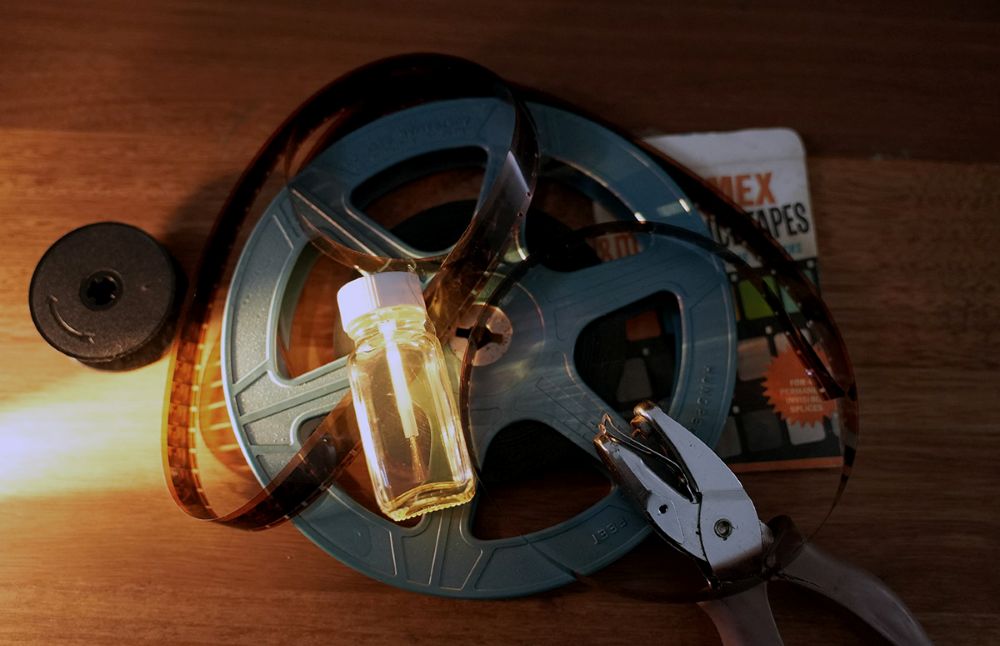
It wasn’t that long ago when Kodak had all but stopped making Super 8mm and 16mm film. Fast forward to now, in an era dominated by ultra-high-definition digital footage and crisp 4K imagery, and the nostalgic allure of Super 8mm and 16mm film has made a surprising resurgence. 16mm especially has once again become the darling of Kodak’s film portfolio, with sales growing exponentially year over year since 2016. Once considered relics of a bygone era, these analogue formats are reclaiming their place in wedding filmmaking, music videos, and creative video production studios such as Dion Cario Films, offering a timeless aesthetic that resonates deeply in today’s digital world.
Nostalgia Meets Modern Storytelling
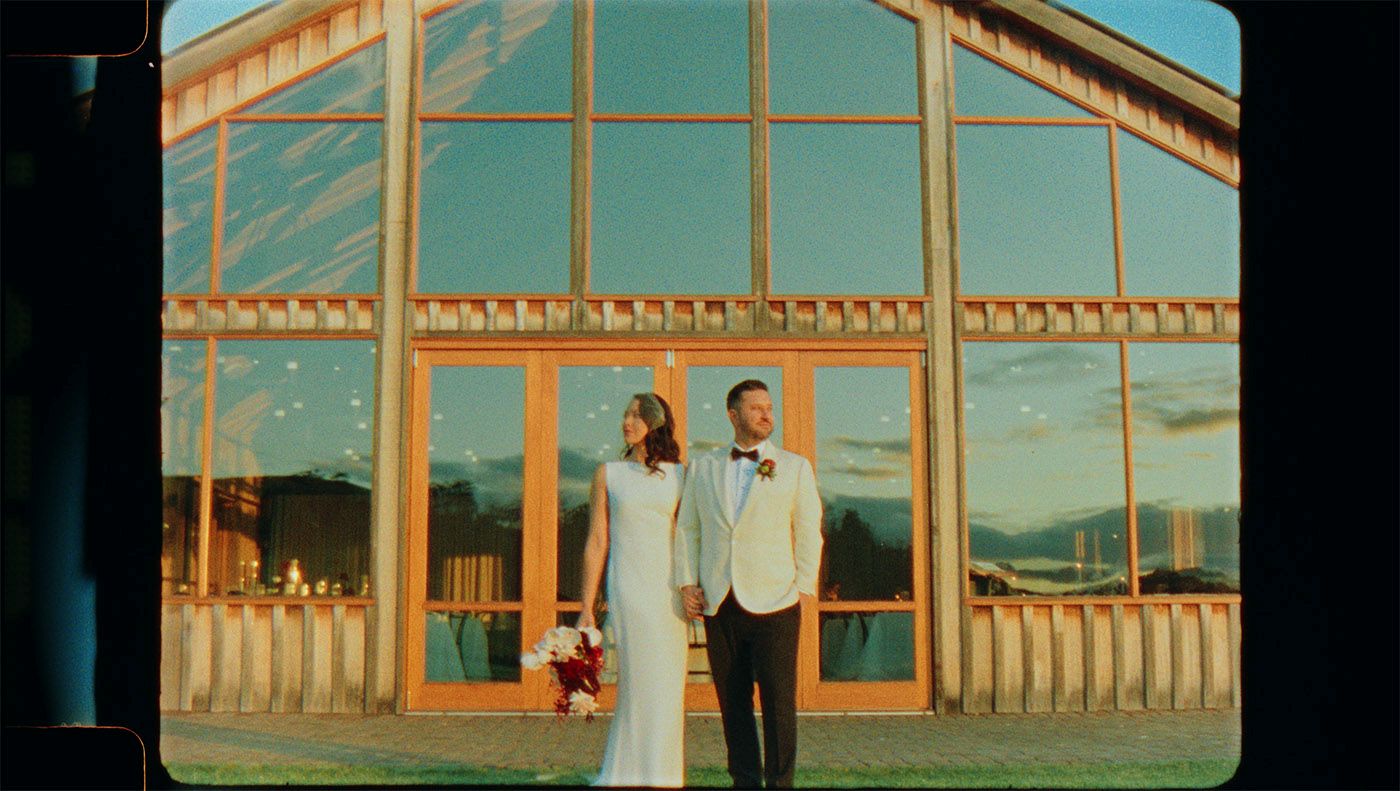
The grainy textures, rich colours, and soft charm of Super 8mm and 16mm film evoke memories of simpler times. This aesthetic is especially appealing in wedding filmmaking, where couples want their special day to feel like a timeless, heartfelt memento. 16mm film captures candid moments with an authenticity that’s often difficult to replicate digitally. Filmmakers frequently blend these analogue clips with modern digital footage to create unique, multi-dimensional narratives that feel both retro and contemporary.
A New Era for Music Videos
Music videos have also embraced these vintage formats, with artists seeking to match the raw, emotive tones of their music with visuals that feel personal and textured. Super 8mm and 16mm film, with its hobbyist nature, can sometimes deliver a sense of intimacy, making the viewer feel as though they’re watching an artist’s private home movie. Iconic filmmakers like Spike Jonze and Greta Gerwig have championed these formats in their work, inspiring a new generation of creatives to experiment with analogue film.
Why Filmmakers Love It
Beyond aesthetics, the tactile process of shooting on film offers an appealing challenge for creators. Each reel is finite, forcing filmmakers to be intentional with every shot. There’s no instant playback, adding an element of anticipation to the creative process. The imperfections—light leaks, scratches, and colour shifts—add character, making every frame unique.
Bringing It Into the Studio
Video production studios such as Dion Cario Films are also capitalising on the Super 8mm and 16mm revival, integrating these formats into promotional campaigns. Brands aiming to convey authenticity or heritage often turn to film as a storytelling tool, leveraging its emotional pull to connect with audiences in meaningful ways.
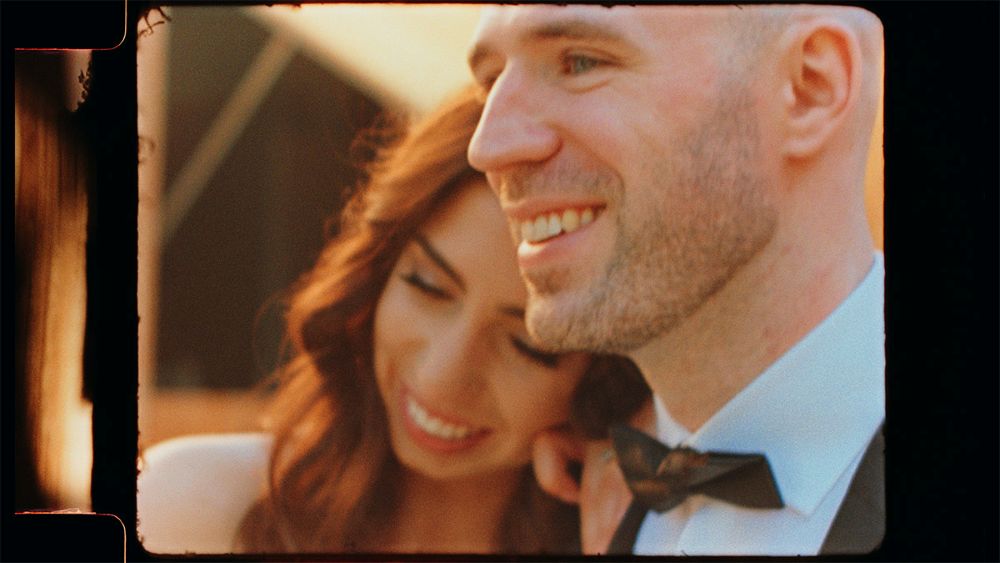
As digital imagery becomes increasingly perfect, the revival of Super 8mm and 16mm film highlights a cultural desire for texture, imperfection, and a connection to the past. Whether it’s in weddings, music videos, or brand storytelling, these analogue formats remind us of the magic of film—an art form that continues to inspire across generations.
