



by Megan Bancroft
There was a time when puzzle games lived almost entirely inside arcades, newspaper pages, or the glowing screens of chunky desktop monitors. Now they sit comfortably beside streaming platforms, mobile entertainment, and social gaming spaces that reach millions of players every day. Audiences who grew up clicking through early internet classics are rediscovering the thrill of risk based puzzle mechanics, while younger players are finding fresh appeal in games that reward timing, memory, and quick decisions.
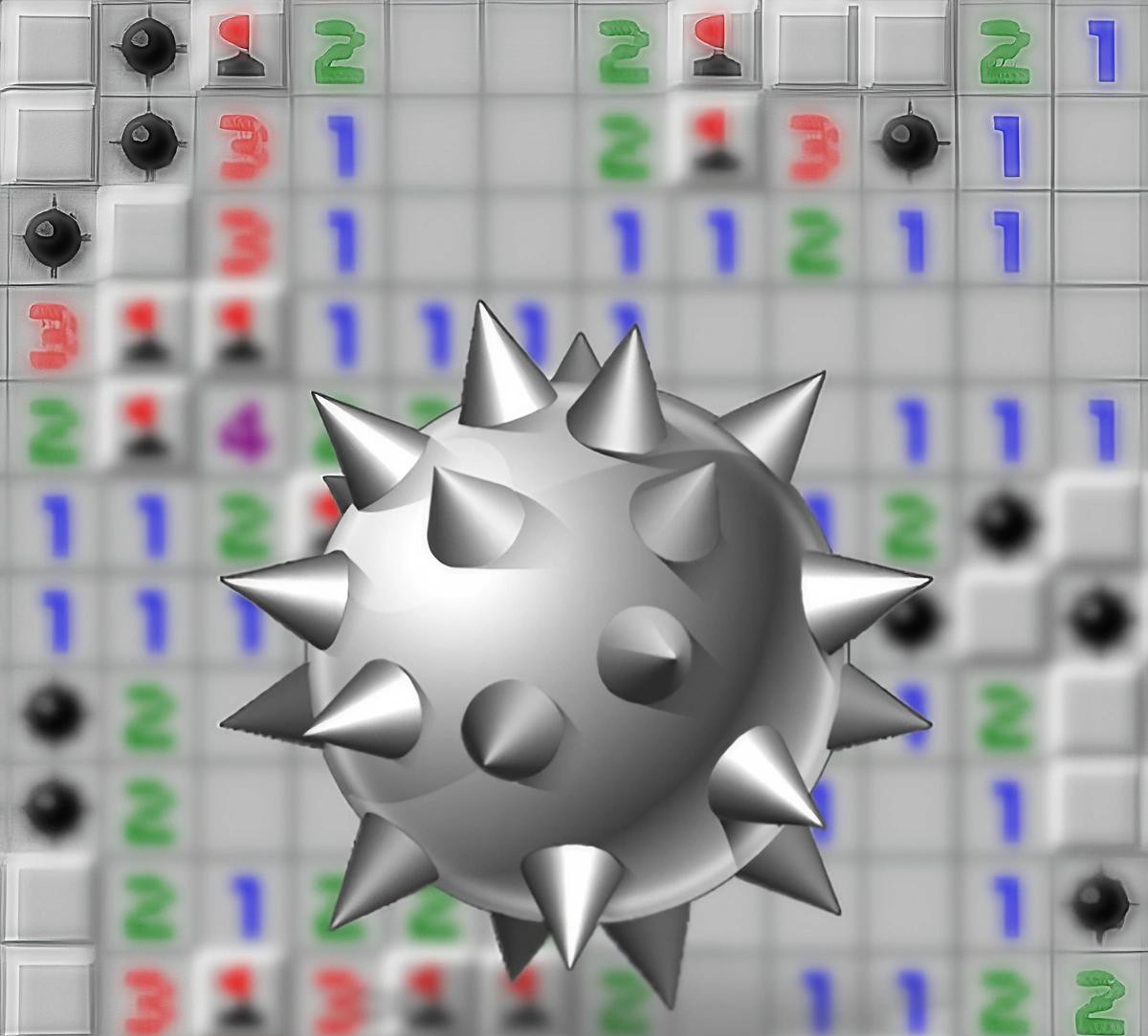
That renewed interest has helped experiences like the minesweeper bitcoin game attract attention from players who enjoy strategy driven entertainment with a fast pace and a clean presentation. The concept feels familiar enough to trigger nostalgia, though modern platforms have reshaped the experience with slick visuals, responsive mobile design, and real time interaction that fits current viewing habits.
The rise of interactive streaming culture has also changed the way people approach digital games. Audiences no longer want passive entertainment every hour of the day. Many are looking for activities that demand attention and reward instinct. Puzzle based experiences are uniquely suited to that shift because they create tension from simple mechanics rather than cinematic spectacle.
Why Classic Mechanics Still Work
The enduring appeal of games inspired by Minesweeper comes down to one thing. Simplicity creates focus. A player understands the rules almost immediately, but every move still carries weight. That combination keeps the experience approachable while leaving room for experimentation and personal style.
Film and television have followed a similar pattern over the years. Some of the most memorable thrillers rely on a straightforward premise executed with confidence. A contained setting, clear stakes, and carefully controlled suspense can often deliver more excitement than endless visual noise. Interactive puzzle games tap into the same rhythm.
Modern audiences are also more comfortable with short bursts of entertainment. People jump between streaming episodes, clips, podcasts, and social feeds throughout the day. Quick session games fit naturally into that routine. A player can spend a few minutes making decisions, testing patterns, and reacting to pressure without committing to a lengthy campaign or narrative heavy adventure.
That sense of flexibility has become a major reason why streamlined games continue to grow online.
A New Visual Identity for Browser Games
Older browser based games were often functional rather than stylish. Many looked unfinished or cluttered, especially during the early years of online gaming culture. Current platforms have moved far beyond that era. Presentation now matters as much as gameplay.
Winna Originals leans into a cleaner visual approach that feels closer to contemporary entertainment design than traditional browser gaming. Smooth animations, responsive controls, and minimal interfaces help maintain momentum without distracting players from the core experience.
This visual polish matters because audiences have become more selective. Streaming platforms, blockbuster films, and premium television series have raised expectations across digital media. Even casual online experiences are expected to feel refined and intentional.
The popularity of sleek independent cinema offers an interesting comparison. Smaller productions with strong artistic direction often stand out more than oversized studio projects packed with unnecessary effects. Puzzle games built around clarity and atmosphere benefit from that same principle.
The Psychology Behind Risk and Reward
One reason puzzle driven experiences remain compelling is the emotional rhythm they create. Each successful move encourages confidence, though tension increases with every decision. Players constantly weigh caution against curiosity.
That balance gives games inspired by Minesweeper a surprising cinematic quality. Great suspense films rely on anticipation rather than chaos. Directors understand that viewers become invested when they feel uncertainty hanging over every moment. Interactive puzzle mechanics create a similar sensation because players directly influence the outcome.
The growing popularity of live reaction content online has amplified that appeal. Watching somebody carefully reveal one tile after another can become strangely gripping when the stakes feel immediate. Streamers and content creators have helped transform compact puzzle experiences into shareable entertainment moments that audiences enjoy collectively.
This social dimension has pushed simple strategy games into wider digital culture. What once existed as a solitary desktop distraction now works as community entertainment with replay value and conversation built around every risky choice.
Mobile Habits and Fast Entertainment
Entertainment trends increasingly favour experiences that adapt to smaller screens and shorter attention spans. Films compete with endless scrolling. Television episodes fight for focus against notifications and second screen habits. Interactive games that respect a player’s time have a natural advantage.
Mobile friendly puzzle titles thrive because they fit seamlessly into modern routines. A quick session during a train ride or lunch break feels satisfying without demanding hours of commitment. That convenience helps explain why strategic mini games continue finding new audiences across different age groups.
Winna’s approach reflects that shift toward accessibility and momentum. Fast loading gameplay, responsive controls, and quick rounds allow players to jump directly into the action without lengthy tutorials or complicated systems.
There is also an important difference between noisy distraction and active engagement. Many forms of digital entertainment blur into the background after a few minutes. Strategy based puzzle games ask players to stay alert. Every selection matters, which keeps the experience mentally engaging even during short sessions.
How Transparency Became Part of Online Gaming Culture
Modern audiences pay close attention to fairness and trust in digital entertainment spaces. Whether discussing review scores, streaming algorithms, or online communities, people want transparency around how systems operate.
Provably fair technology has become an important part of that conversation in interactive gaming. By allowing users to verify outcomes through cryptographic systems, platforms create a stronger sense of openness and accountability.
That emphasis on transparency reflects broader audience expectations across entertainment media. Viewers and players are more informed than ever before. They expect clarity, reliability, and consistency from the platforms they spend time with online.
For puzzle based experiences that rely heavily on player decision making, that trust becomes even more important because every outcome feels tied to personal choices and strategy.
A Digital Pastime That Keeps Evolving
Classic puzzle mechanics have survived multiple generations of technology because they tap into something timeless. People enjoy suspense, pattern recognition, and the thrill of pushing their luck one step further than they probably should.
The current online landscape has simply given those mechanics a new stage. Stylish presentation, mobile accessibility, streaming culture, and fast paced digital habits have transformed old concepts into modern entertainment experiences that feel surprisingly fresh.
Conversations around healthy online gaming environments have also become more visible in recent years, with industry observers highlighting stronger player awareness and platform responsibility through pieces like his guide to responsible digital gaming practices.
For audiences raised on interactive media, puzzle driven games continue offering a satisfying mix of nostalgia and immediacy. They are quick to understand, difficult to abandon, and perfectly suited to a culture that values both convenience and engagement.
