


by Benson Fahey
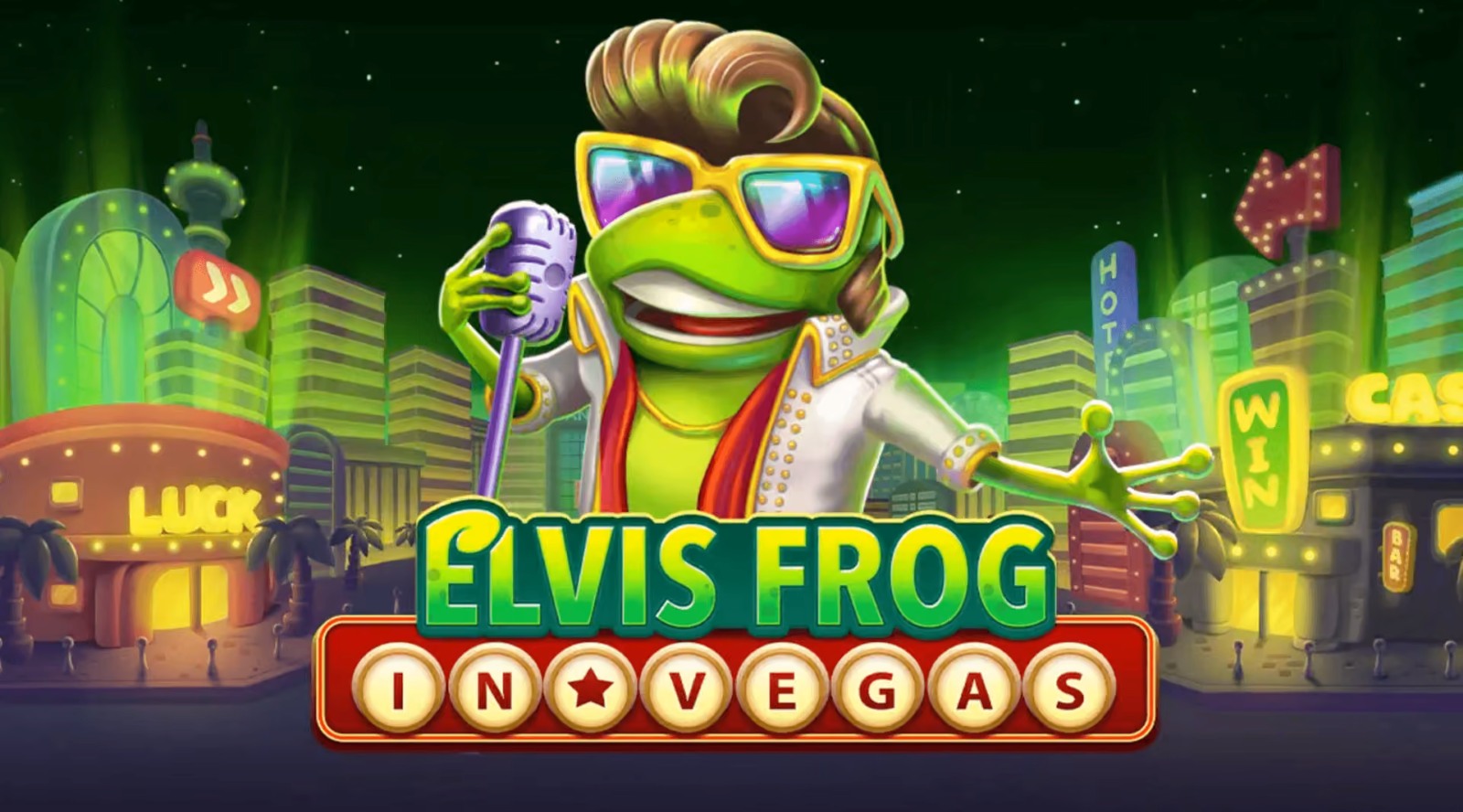
I went looking at the front page of a games platform last week and got stuck on a question that should be embarrassing for Hollywood. The first row was full of slot titles themed around things I had never heard of. An animated frog dressed as Elvis. A guy with a goldfish for a head. A pig in a tuxedo. Several games about coins, gems, or fruit, themed exactly the way they have been themed since the 1990s. This was a lobby built for Aussie players, and I could not name a single thing on the front page.
I scrolled. Twenty rows in, no Hangover slot. No Game of Thrones. No Sopranos. No Walking Dead. The biggest TV and film brands of the last twenty years were nowhere on the page. Either the operator hated them, or something else was going on.
Something else was going on. After I dug into it, the pattern was the same across four major cases I want to talk about here. Hollywood signs the licence, the supplier builds the cabinet, the slot runs for a while, and then something quiet happens that takes it off the floor. Sometimes the licence ends. Sometimes the audience ends. Sometimes the show ends. The slot, almost always, ends.
Meanwhile the frog with sideburns is on the front page.
The Hangover Started in 2011, but Hanged Over by the Late 2010s
IGT licensed the slot rights to The Hangover from Warner Bros, and by 2011 Caesars Entertainment was rolling out The Hangover Slots across its Vegas properties beginning in June [1]. Anyone who walked through a Strip casino in the years that followed saw the thing. The Wolfpack faces, Mike Tyson’s voice, the bachelor-party set pieces, all of it on a giant four-screen cabinet near the cocktail station.
It is gone now. By the late 2010s, the machines had faded from mainstream casino floors and the cabinet itself migrated to the resale market [2]. There is no Apple or Android port. There is no follow-up sequel cabinet. I could not verify the exact licence-end date from public sources, but the trajectory is clear: when the original deal wound down, the title left the casino and never came back. The cabinet now resells as collector hardware on the secondary market for a few thousand dollars.
This is the simplest version of the failure. The studio writes a fixed-term licence, the slot supplier amortises a multi-year build across the term, and at expiry the studio either renegotiates at a higher price or walks away. With a 2009 comedy whose cultural moment had passed by the late 2010s, neither side appears to have wanted the renewal at the price it would have taken. The Hangover slot got most of a decade on casino floors and an exit, which sounds long until you compare it to what happened to the next case.
Game of Thrones Flopped, Twice
Microgaming announced its HBO Game of Thrones licensing deal in February 2014 and launched its Game of Thrones online slot on December 1, 2014, themed around the Houses of Westeros [3]. The launch coverage at the time was loud. HBO Global Licensing framed the deal as extending the show into a new entertainment category. Microgaming’s then-CEO did the press tour. The title ran for around eight years across Microgaming’s distribution network.
Then nothing. The Microgaming Game of Thrones slot did not get a press-release retirement. It just stopped getting promoted. Operators stopped surfacing it in their lobbies. By 2026, the title sat at SlotRank 14,135 on SlotCatalog’s index, with an average lobby position of 151 across scanned casinos [4]. For comparison, the front-page Cypriot frog from the intro sat at SlotRank 20 the year before. The HBO branding was the most expensive ingredient in the cabinet, and it was clearly the least decisive in the result.
That was the first run, and it never became a durable front-page staple. Then in February 2026, Blueprint Gaming, a different supplier with no historical link to the Microgaming title, announced a brand new Game of Thrones licensing deal directly with Warner Bros Discovery, and the new Blueprint slot has since launched [5]. So the same IP was being licensed all over again, by a different studio, on the assumption that Microgaming’s run was effectively over.
I cannot find a public statement from Microgaming, Games Global (the company that bought Microgaming’s games portfolio in 2022), or Warner Bros Discovery saying the original licence ended. What is observable is that the IP was put back on the open market and a competitor won it. Same brand, same property, second slot, on its way to either a better outcome or a second quiet flop. We will know in a couple of years.
Microgaming and HBO extend partnership with new Game of Thrones® project.https://t.co/gMv551ALN3#Microgaming #GameofThrones #GameofThronesPowerStacks #SlingshotStudios #exclusive #brandedcontent pic.twitter.com/8hNdH7pvqh
— Microgaming (@Microgaming) February 4, 2020
The Hangover at least got a clean licensing run. Game of Thrones got a slot that ran but never popped. Wait until you hear about the cabinet that did not even outlive its older sibling.
The Walking Dead II Faded Faster Than the Original
Aristocrat licensed The Walking Dead from AMC and launched the original slot in 2014, themed on season one of the show [6]. By every operator-side conversation I have had, that one hit hard. People remembered the cabinets. The zombie animations and the Daryl Dixon cameos drew in walk-by traffic. Casino floor managers I have spoken with treat it as one of the better TV-tied launches of the mid-2010s.
The sequel, The Walking Dead II, made its world premiere in May 2016 with bigger cabinets, a Behemoth-class footprint and more bonus features stacked on top. The numbers in the second cabinet never matched the first. Player-tracked floor inventories suggest the sequel disappeared faster than the original, though I could not verify the full removal sequence from operator records.
The licensing detail behind that difference is not publicly documented, so I will not pretend to know whether Aristocrat let it lapse, AMC pulled it, or both sides looked at the numbers and quietly agreed not to renew the sequel. What is observable is the shape: same supplier, same network, same IP, same cable show, and one title earned shelf-life while the other appears not to have.
A reasonable read is that audience erosion did most of the work. The Walking Dead‘s TV ratings declined steadily after season five and fell off a cliff in the back half of the series. A slot tied to a TV show shares the show’s audience curve. When a sequel cabinet underperforms its predecessor, casino floor managers move quickly, because floor space is the most expensive variable in the room.
So Walking Dead II appears to have faded faster than the original. The Sopranos went quieter than that.
Playtech Lost the Sopranos in the Snowy Woods
Aristocrat shipped the original Sopranos cabinet to land-based casinos in 2007. Five years later, Playtech put out an online Sopranos slot for European-regulated markets, themed on the same HBO show [7]. The Aristocrat machine is still findable in pockets of US casino floors. The Playtech online version is a different story.
When I went looking for it across operator catalogs, the experience was eerily on-brand. The title is listed. It just is not actually playable at most operators. Players searching for it commonly run into “this game is currently unavailable” responses, the digital equivalent of cutting to black mid-scene. No party has publicly stated why. The IP is alive, the show is on every streaming service, and the slot appears to have faded out of broad regulated distribution, though I could not verify a formal retirement notice or rights statement from public sources.

That is its own failure category, and it is the most common one. There is no press release. There is no anniversary retrospective. There is no “this game has been delisted” confirmation. The slot just slowly stops appearing in new operator deployments, the menus thin out, and one day the IP that defined prestige TV is harder to find as a slot than a low-budget unlicensed copy of itself.
Four cabinets, four ways to disappear. Here is what they have in common.
What These Four Hollywood Flops Had in Common
Strip out the cosmetic differences and the four cases collapse into four failure shapes:
- Licensing wind-down. The Hangover. Hard contract end, format-locked product, comedy IP whose moment had passed, no port to mobile.
- Licensee rotation. Game of Thrones. The original supplier runs the title for the contract term, the rights holder shops the next deal, a competitor picks up the IP, and the original cabinet resets to zero whether or not anyone publishes a press release.
- Sequel decay. Walking Dead 2. The audience for the show shrinks, the second cabinet underperforms the first, and the casino swaps it out faster than the supplier expected.
- Quiet attrition. Playtech Sopranos. No public retirement event. The title stops appearing in new operator deployments, menus thin out, and the slot disappears without anyone formally killing it.
The licensed slots that survive long-term tend to share three traits. The licence is renewed at low friction, often because the rights holder and the supplier have a long working relationship. The mechanic and the IP fit each other, so the build is more than a reskin of a stock base game. And the host distribution platform stays intact across the licence window.
Microgaming’s Tomb Raider, signed with Eidos in 2004 and inherited by Square Enix in 2009, hit all three for most of two decades [8]. It is the exception. Most of the Hollywood flops in this article failed at least one.
What Hollywood Could Learn from a Cypriot Frog
The deeper issue, the one Elvis Frog illustrates, is that unlicensed slots compound. The studio owns the IP forever. Every successful title strengthens the studio’s brand. The back catalog accrues distribution. By contrast, licensed Hollywood slots return to zero when the contract ends, no matter how famous the IP was while it ran.
If Hollywood wants its films to make money in casinos, the answer is not bigger licensing fees on shorter terms. It is longer-term operating partnerships with suppliers who own the distribution platform end-to-end. The Microgaming-Eidos arrangement on Tomb Raider is the model. The Warner Bros-IGT arrangement on The Hangover is what to avoid.
The frog will keep winning until the studios figure that out, and probably for a while after.
Sources
- PR Newswire, “Caesars Entertainment to Introduce IGT’s The Hangover Slot Machine,” May 2011. https://www.prnewswire.com/news-releases/caesars-entertainment-to-introduce-igts-the-hangover-slot-machine-121698203.html
- Secondary-market hardware listing for the IGT Hangover cabinet, sold as collector hardware after the floor pulldown. Listing accessed 2026-05-05. https://www.ebay.com/itm/135517812385
- Isle of Man News, “Microgaming signs agreement for epic Game of Thrones slot series,” covering the HBO licensing deal and the December 2014 launch. http://www.isleofman.com/News/details/61345/microgaming-signs-agreement-for-epic-game-of-thrones-slot-series
- SlotCatalog, Game of Thrones (Microgaming, 2014) entry, recording the slot’s current SlotRank and average lobby position across scanned casinos. SlotRank 14,135; average lobby position 151. https://slotcatalog.com/en/slots/Game-of-Thrones
- Yogonet International, “Blueprint Gaming secures Game of Thrones slot licensing deal with Warner Bros Discovery,” February 18, 2026. https://www.yogonet.com/international/news/2026/02/18/117583-blueprint-gaming-secures-39game-of-thrones-39-slot-licensing-deal-with-warner-bros-discovery
- PR Newswire / Aristocrat, “Aristocrat Unleashes The Walking Dead Slot Game,” 2014 launch announcement. https://www.prnewswire.com/news-releases/aristocrat-unleashes-the-walking-deadtm-slot-game-240289891.html
- Latest Casino Bonuses, Playtech Sopranos slot listing and review history, including the 2012 release date. https://lcb.org/games/the-sopranos
- Lara Croft / Tomb Raider slot history, recording the 2004 Microgaming-Eidos licensing deal and Square Enix’s later inheritance of the IP from Eidos in 2009. https://tombraider.fandom.com/wiki/Tomb_Raider_(Slots)
