


By Erin Free
In this regular column, we drag forgotten made-for-TV movies out of the vault and into the light. This week: the intense 1983 nuclear-themed drama Special Bulletin, starring Ed Flanders, Kathryn Walker, David Clennon, David Rasche, Roxanne Hart and Christopher Allport, and directed by Edward Zwick.
In the early 1980s, the fear of nuclear catastrophe was front and centre in the international consciousness, spurred on by constant Cold War anxiety around building tensions between the US and Russia. President Ronald Reagan’s raging rhetoric, anti-nuclear street protests across the world, the formation of The Nuclear Disarmament Party in Australia…just like today, it was a tense, difficult, and politically and emotionally fraught time.
As with most topical subjects, nuclear fear made its way onto the small screen. Two of the most seminal, oft-mentioned telemovies of all time remain the US classic The Day After (1983) and the bristling UK shocker Threads (1984), both of which deal with the horrific aftermath of nuclear war. Though less well-known, the 1983 PBS drama Testament (which also saw a theatrical release) was an even more powerful and uncompromising look at the effects of nuclear catastrophe on one American town.
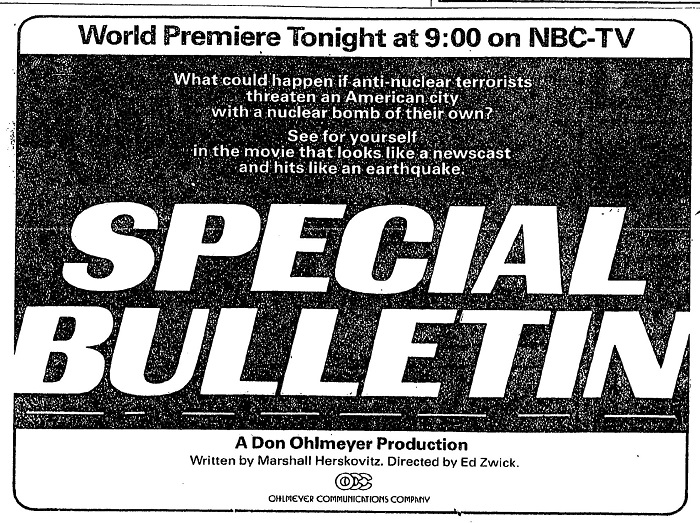
Wedged in amongst that esteemed triumvirate is another superb piece of television drama which has very sadly fallen through the cracks in the years since its small screen bow, wholly forgotten despite its extraordinary levels of quality and big-time behind-the-camera talent. First broadcast on major US network NBC on March 20, 1983, Special Bulletin was an early work from the creative team of producer/director Edward Zwick and producer/writer Marshall Hersovitz, who would go on to create the game-changing TV series thirtysomething and the essential YA cult show My So-Called Life with Claire Danes. Zwick would also go on to direct the feature films About Last Night (1986), Glory (1989), Legends Of The Fall (1994), Courage Under Fire (1996), The Siege (1998), The Last Samurai (2003), Blood Diamond (2006), and Defiance (2008).
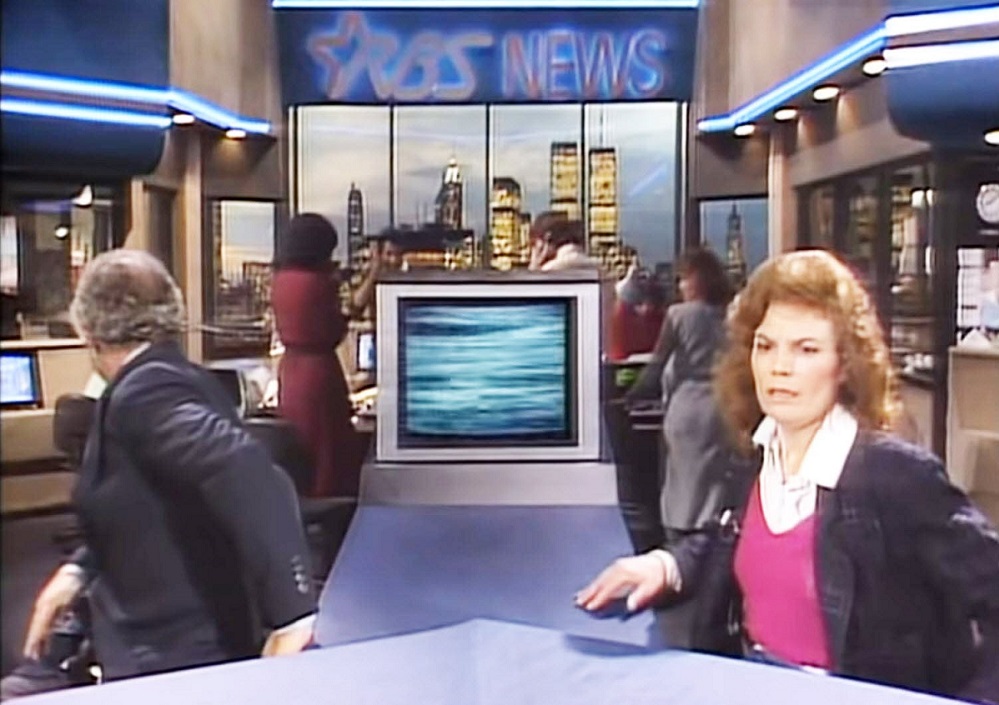
Structured and presented – with no introductory or background material – like a real, as-it-happens news “special bulletin” on the fictional RBS Network, Special Bulletin is a stunning exercise in suspense, tension, and deeply emotional storytelling, gripping like a vice from its opening seconds and never letting go until its final haunting moments. The sense of veracity is extraordinary, with all of the pauses, stumbles, and constant reach for meaning and understanding that characterise any major TV news report of a big event.
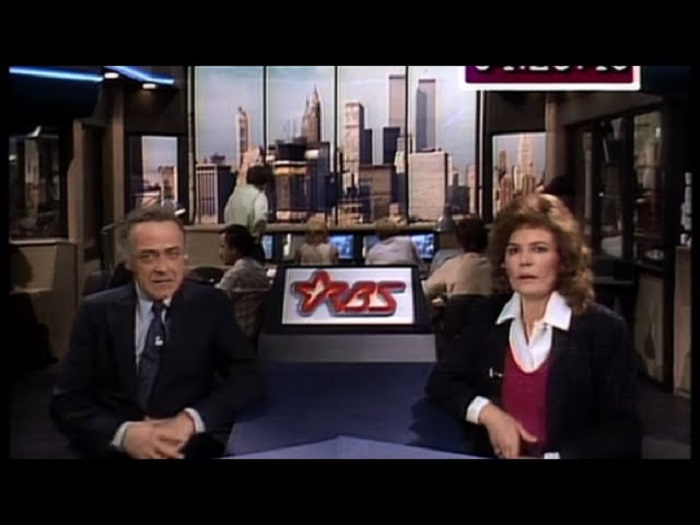
Though the telemovie was prefaced with a bold warning (“The following program is a realistic depiction of fictional events. None of what you are about to see is actually happening”) repeated before and after each commercial break, TV stations were flooded with phone calls from concerned viewers who thought they were watching an actual news broadcast. Like a small screen, way-pre-internet version of Orson Welles’ famed 1938 radio broadcast of War Of The Worlds, Special Bulletin had many Americans convinced they were in the middle of a major event.
Special Bulletin begins with RBS news anchors John Woodley (St. Elsewhere star and character actor of note Ed Flanders brings gravitas and authority in abundance) and Susan Myles (theatre legend – and one-time wife of Jackson Browne! – Kathryn Walker expertly lets the emotion seep through her character’s refined on-air presence) announcing that a group of terrorists has engaged in a firefight with US Coast Guard officers and taken control of a small boat in the harbour of Charleston, South Carolina. RBS reporter Steven Levitt (a spot-on Christopher Allport nails his cagey reporter character) is caught in the firefight and ends up aboard the boat with some Coast Guard hostages.
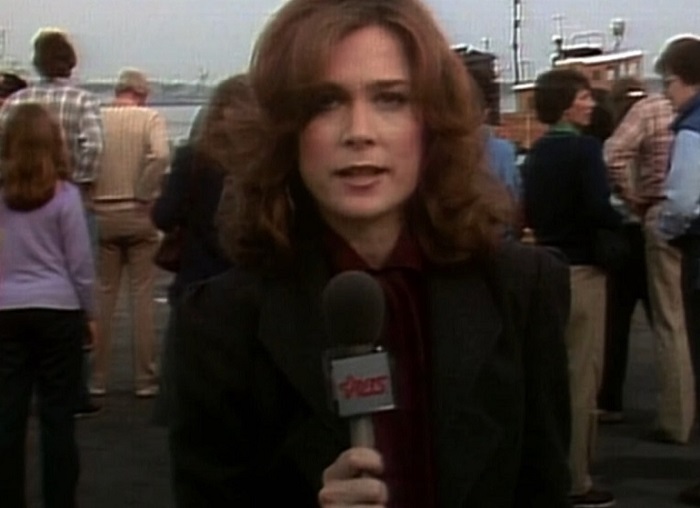
As part of a deal to release the Coast Guard hostages, the terrorists demand that their actions be broadcast to the US government via RBS. From there, Special Bulletin unfolds almost like a cut-up, “found footage” film, and never wavers from the tight strictures of that format. Everything that happens on screen is what an audience would see in a real news broadcast; there are no backstage glimpses, no cheeky asides, and no detail whatsoever on what is happening on the other side of the camera. It’s a bold move, and legitimately represents some of the best directorial work Edward Zwick has done.
Via strikingly realistic news segments, we learn that the terrorists are led by former government physicists Bruce Lyman (brilliantly essayed by David Clennon of thirtysomething and The Thing, and also a political activist of note) and David McKeeson (a superb performance from Sledge Hammer himself, David Rasche), and that their intentions are far from simple. Lyman demands that the triggers for all 968 nuclear weapons in the area be delivered to them; they will then be destroyed in the Atlantic Ocean. If these demands are not met, Lyman and McKeeson will detonate an improvised nuclear device stowed aboard their boat. That nuclear device is capable of destroying the entire city of Charleston.
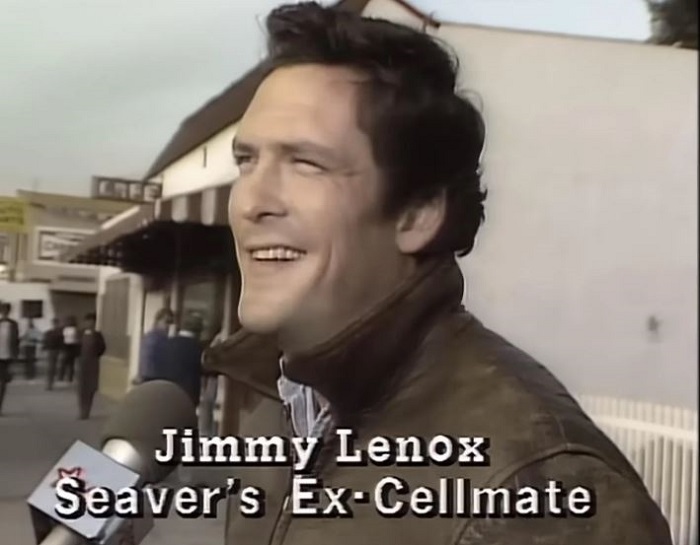
From there, the tension ratchets up as the countdown to detonation begins. As well as crafting a perfectly calibrated piece of suspenseful television, Zwick and Herskovitz also take pointed, blackly funny (but never over-the-top) aim at the medium itself. Though news anchors John Woodley and Susan Myles are measured and authoritative, the special bulletin itself often becomes horribly alarmist, with nuclear survivors from Japan interviewed to stoke up the terror and associates of the terrorists (including Michael Madsen in a very funny and very brief appearance) brought in to provoke further fear and anxiety.
With excellent, note-perfect performances across the board (Roxanne Hart and Lane Smith are wholly convincing as reporters, while Rosalind Cash, Ebbe Roe Smith and Roberta Maxwell are equally on-point as terrorists), and stunning levels of verisimilitude from start to finish, it’s a real shame that the prescient and still wholly relevant Special Bulletin is so forgotten today. With an ending that will knock you back in your seat, it’s both a riveting technical achievement and a genuinely moving piece of small screen filmmaking from an era cruelly defined by fear and anxiety.
Availability: Special Bulletin is pretty easy to find online, and in a fairly clear, good-sounding presentation to boot.