




by Ricky Bond
From silent films to the present-day blockbusters, cinema has captured the imagination of audiences worldwide and influenced their thoughts, opinions, and behaviours. This article examines the role of cinema in shaping culture and how it has impacted society.
Early cinema
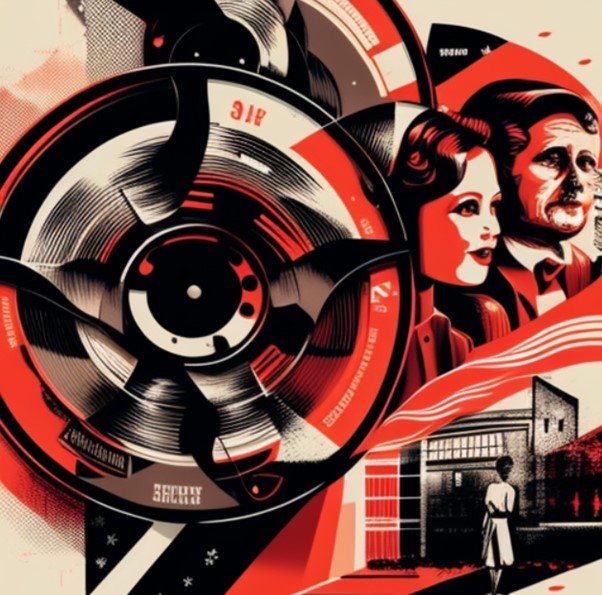
The emergence of cinema in the late 19th century revolutionised entertainment and communication. Early films were silent and often black and white, but they quickly gained popularity among the masses. The Lumière brothers, credited with the first motion picture exhibition in 1895, opened the door for filmmakers to create and showcase their works. Early cinema played a crucial role in shaping culture by creating new ways of experiencing stories and emotions through moving images.
Cinema as a medium of cultural expression
Cinema has been used as a medium of cultural expression to reflect the values, beliefs, and experiences of various societies. Filmmakers have used cinema to explore cultural themes, such as family, love, and religion. Cinema has also been used to challenge cultural norms, such as the portrayal of women in society. Films like Thelma & Louise (1991) and Wonder Woman (2017) have used cinema to empower women and break down stereotypes.
Cinema as a reflection of culture
Cinema has also been used to reflect the societal values and beliefs of various cultures. Films like The Godfather (1972) and cinematic shows such as The Sopranos (1999-2007) have explored the themes of family, loyalty, and power in the Italian-American community. Similarly, Bollywood films have reflected the cultural values of India, such as the importance of family and the celebration of festivals. The content of films is heavily influenced by culture, and filmmakers are often guided by the expectations and preferences of their target audience.
Cinema and globalisation
The globalisation of cinema has had a profound impact on local cultures worldwide. Hollywood films, in particular, have been successful in penetrating foreign markets, influencing local tastes and preferences. The popularity of American films has contributed to the spread of American culture, such as fashion, music, and language. On the other hand, international films have also gained a foothold in global markets, promoting cross-cultural understanding and acceptance.
Globalisation has not only impacted the film industry but also other industries, such as the online gambling industry. In NZ Paypal casinos have emerged as a popular choice for players due to their ease of use and secure payment options. As a result, the online casino industry has become more accessible to a wider audience, including those who may not have had access to physical casinos. This globalisation of the online gambling industry has also impacted the way in which films are promoted and marketed. For example, films that feature casino-related themes may be advertised on online gambling sites and vice versa. This cross-promotion highlights the interconnectedness of industries in the globalised world and how cinema and online gambling are just two examples of industries that have been impacted by globalisation.
The future of cinema in shaping culture
Cinema is constantly evolving, and as such, the future of cinema in shaping culture is exciting. The use of technology to create new ways of experiencing films and the emergence of new voices in cinema will continue to shape culture. With the rise of streaming services and the decline of traditional movie theaters, there will be new challenges for filmmakers to navigate. However, with the increasing accessibility of filmmaking tools and platforms, more diverse voices and perspectives can be represented in the film industry.
In conclusion, cinema has played a significant role in shaping culture and society. From the early days of silent films to the present-day blockbusters, cinema has captured the imagination of audiences worldwide and influenced their thoughts, opinions, and behaviours. Cinema has been used as a medium of cultural expression, as well as a reflection of culture, and has contributed to promoting cross-cultural understanding. The future of cinema in shaping culture is exciting, and we can expect new voices, perspectives, and technologies to continue to shape the film industry.
FAQs:
How has cinema impacted society?
Cinema has had a significant impact on society by shaping cultural attitudes, values, and beliefs. It has influenced the way people perceive themselves and the world around them, and has contributed to the spread of global cultural trends.
What cultural themes have been explored in cinema?
Cinema has explored a wide range of cultural themes, such as love, family, religion, gender, and identity. These themes are often depicted in different ways across different cultures and reflect the values and beliefs of the societies that produce them.
Can cinema be used to change cultural norms?
Cinema has the potential to challenge cultural norms by presenting alternative perspectives and ideas. It can empower marginalised groups and bring attention to issues that are often ignored or marginalised in society.
How has globalisation affected the film industry?
Globalisation has had a significant impact on the film industry by facilitating the spread of films and film culture across borders. This has led to the emergence of new markets and audiences, as well as the integration of diverse voices and perspectives in the film industry.
What can we expect for the future of cinema?
The future of cinema is likely to be shaped by new technologies, emerging voices, and changing audience preferences. We can expect to see more diverse voices and perspectives represented in the film industry, as well as new ways of experiencing and engaging with films.
