



by James Mottram
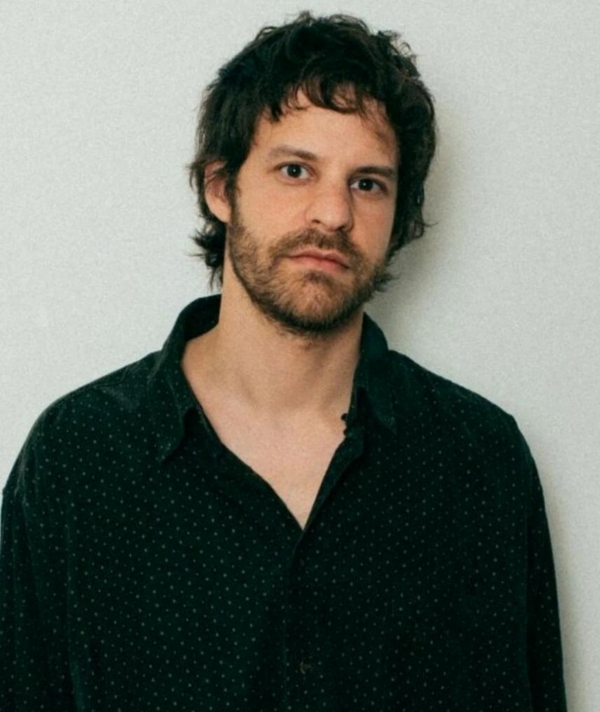 Charlie Polinger’s crafty directorial debut The Plague started from a deeply personal place. “I went to my parents’ house and I was cleaning out my childhood room,” he tells us when we meet at the Cannes Film Festival, seated together on a windy hotel bar rooftop. “I used to keep lots of journals and finding some from when I was 12 … I went to an all-boys summer camp, and [it led me to] just remember this real desperation to belong, and the way that I feel I had to betray who I was in order to achieve that.”
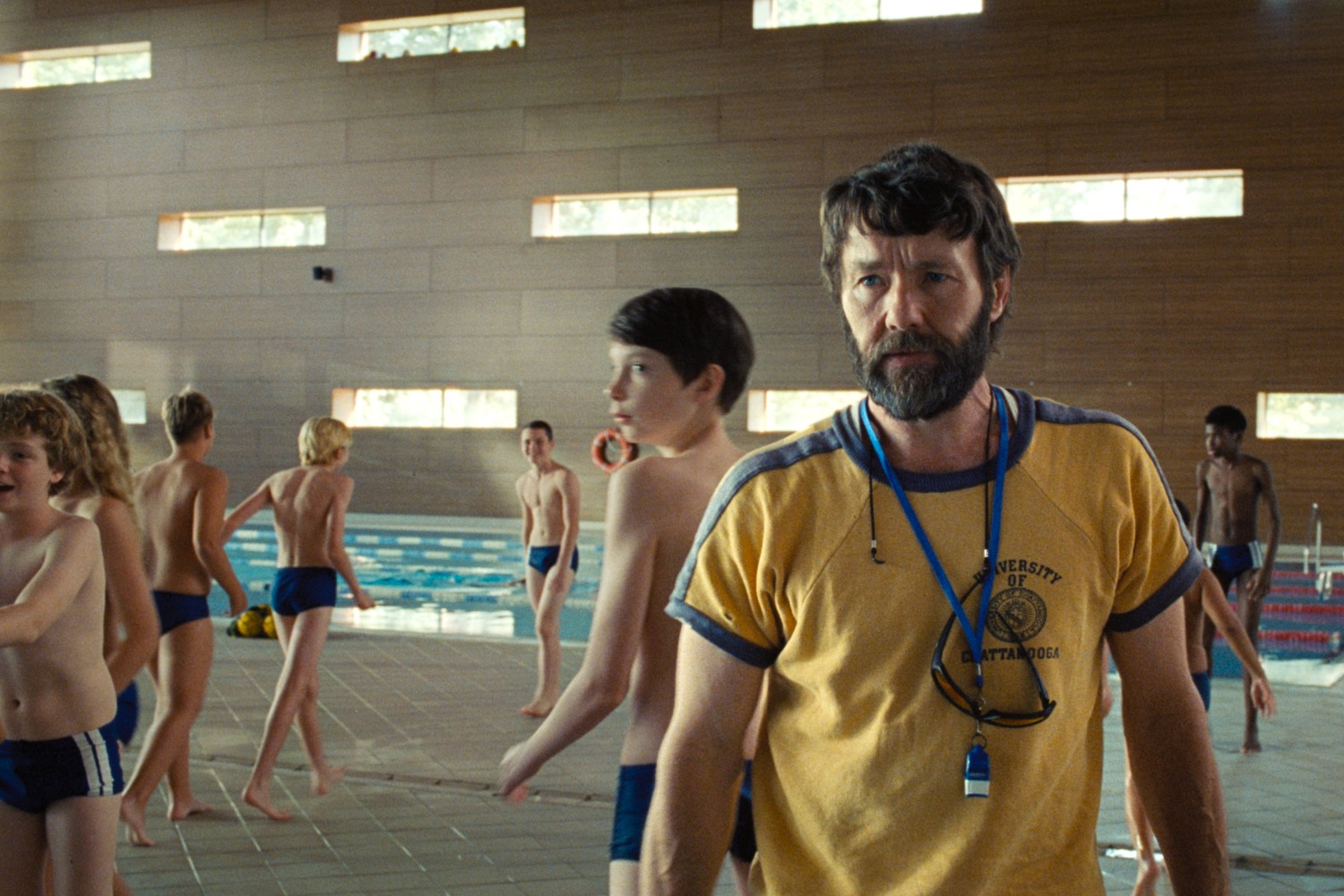
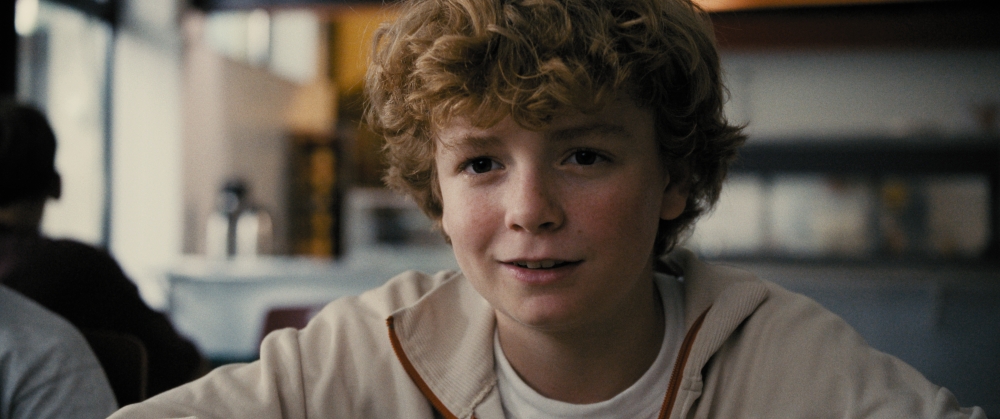
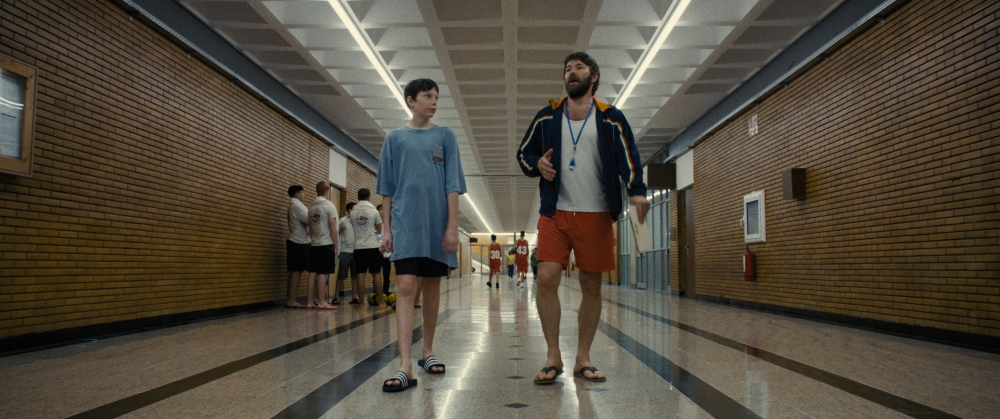
Born and raised in the Maryland area of D.C. in the States, Polinger and his peers played a game called ‘the plague’ at summer camp, which he’s adapted here into a psychological thriller-cum-teen body horror. Set in 2003, at a water-polo summer camp, the focus is Ben (Everett Blunck), a 12-year-old trying to fit in. It’s a fruitless mission, especially when he befriends Eli (Kenny Rasmussen), an outsider who has been ostracised by others, who claim he has the titular disease – something that will rot your brain.
Where the film begins to get twisted is when Ben begins to feel like the plague is not a figment of mean-spirited bullies’ imaginations but is real. “I am interested in … I guess the idea of something that spreads, or something that you have to be afraid of catching, and you don’t know how, and the fear of that,” says Polinger. “Everyone has had that, going onto the internet and searching symptoms and wondering if you have some horrible disease. Just something where you catch something in your head more than something in your body, and then it becomes real.”
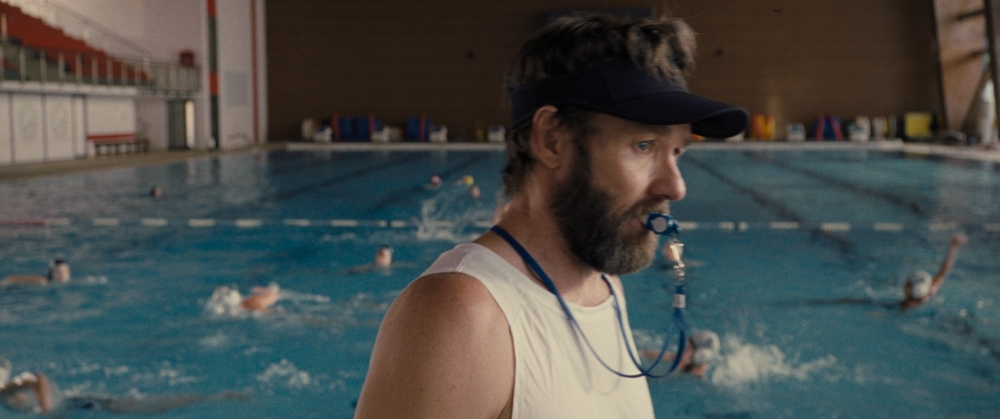
Featuring in the film is Australian actor Joel Edgerton, who plays the boys’ water-polo coach, and who also helped Polinger produce the movie. The Train Dreams star was sent the script and immediately responded. “I read it and went ‘I would direct this if I was allowed.’” When he discovered that Polinger was attached as director, Edgerton realised that he could help in other ways – playing the coach and helping raise finance. “I just felt … this guy’s going to be a really great filmmaker.”
While Edgerton’s instincts were spot-on, others wanted Polinger to change the script. “There were so many people willing to finance this movie, if he just turned it up to be just purely a horror film,” says Edgerton. “And you can imagine – ‘I could make my film if I did this.’ He was like, ‘I want it to live in the world that it is.’ He was very confidently aware that if he just steered clear of crossing that line into full horror, that the film would create more of an impression.”
Early suggestions – not from anyone that ultimately financed the movie – was that ‘the plague’ might be a result of demonic possession. “I just thought, ‘It’s not the story.’ It’s really about immersing the audience in the experience of being 12,” says Polinger. “And there are aspects of that which are really leaning into genre and horrific, and there’s real stuff going on with your body, and that’s pushed further. And so, I do think that there’s a bit of a genre experience for an audience. I just don’t think it’s classic genre tropes.”
Polinger confesses that films like Black Swan, Don’t Look Now and Repulsion were his benchmarks as he was creating The Plague. “I think that those have some of these aspects that are a little more psychological and less [demonic] ‘head spinning around’ and stuff.” You might even compare his movie to Carrie, Brian De Palma’s startling, blood-soaked adaptation of Stephen King’s novel that also deals with adolescent anxiety. It’s a “huge inspiration”, admits Polinger. “I watch that movie every Halloween.”
He was also keen to cast the exact age of the characters, despite the fact that casting 16 year-olds would mean, by law, that he’d get longer shooting days. “I just felt like they’re too mature [at 16],” he says. “There’s something, age 12-13, you’re right on this cusp … I feel like your brain has gotten ahead of your conscience, and so you’re capable of cruelty, or capable of experimenting with things that you’re aware you can do. You don’t have the ability yet to understand the consequences. That can be very dangerous and also a place that could also be shaped for good … but it’s a very fragile place.”
One of The Plague’s real high points comes with the casting of Kayo Martin as Jake, a bully and Ben’s chief tormentor. “He’s like a young Jack Nicholson,” says Polinger, without too much exaggeration. Amusingly, the director found Martin on Instagram. “He runs around New York, being a prankster, going around to restaurants and cooking and skating and doing crazy stunts. And he has a million followers on Instagram now. He’s very funny. He’s a real rebellious person. And I just saw him on my phone, and I was like, ‘Oh my God, he’s in New York. We have to find him.’”
The film’s casting director Rebecca Dealy tracked down Martin, who had never acted before. “He took it really seriously,” Polinger adds. “He trained with an acting coach, he came very prepared to set once he started. And he’s a really talented skater and boxer, so he’s very disciplined.” Edgerton, his co-star, was also impressed. “He is so clever and cunning and able to run rings around anybody, including me.” The actor points to the scene where his coach is telling the boys off for bullying Eli for getting an erection. “He was so good in that scene, making me annoyed that I wanted to shake this kid, annoying the shit out of me.”
The way Edgerton sees it, Polinger made the bullies – led by Jake – well-rounded. “I think one of the things that Charlie’s done well in this film is that whenever Ben is hurt, the intention of the other kids is not necessarily to really crush him or destroy him or make him upset. It’s just sport, but the effect it has is crushing. Sometimes, we watch bullies on film, we go, ‘They’re just two-dimensional.’ Because the intention is cruelty, and I don’t believe that our intentions are that.”
Since completing The Plague, Polinger and Edgerton have gone on to collaborate again, on Fangs – written and directed by Polinger’s Australian partner Lucy McKendrick. While she produced The Plague, Polinger is producing Fangs, which stars McKendrick, Edgerton and Toni Collette and was shot in Sydney last summer. “She and I work really closely together,” says Polinger. “I think we’re interested in characters spiralling out of control and blending tones a bit, a little bit of humour with things that are much darker. But I think hers leans much more on the dark comedy, more like the Coen Brothers, erotic thrillers, American Psycho.”
Edgerton, who plays a charismatic inmate who draws in the daughter (McKendrick) of someone connected to the prison system, admits that he gets a thrill out of working with first-timers. “Quite often as actors, the safest position is to go, ‘I’m going to do someone’s second film because I’ve seen you do a great film, and now I’m going to jump on board.’” But The Plague always felt like a gamble worth taking. “This was very special, because I was like, ‘Okay, he made a short film, and script was great, but I have this feeling he’s gonna stand up to the occasion.’” How right he was.
The Plague is in cinemas now
