by Ela Thier
If you’re a filmmaker, or would like to be one, you’ve thought about your Oscar speech. Will you cry as you thank people? Or will it be forty-five seconds of soapbox action that sets that industry straight? (I haven’t decided on mine yet… I’m still stuck on what I’ll wear. Confessions of a future Oscar winner!)
If you’re not a filmmaker but an artist of some kind, you know what it’s like to yearn for it. A Pulitzer Prize. A New York Times bestseller. Ranking high on Amazon. A sold-out show at Madison Square Garden. An exhibit at the Guggenheim. An exhibit anywhere. Maybe you make reels and you’re waiting to go viral.
Different industries. Same pageantry.
Pageantry around artists and our work is particularly sinister because it mimics the sound of hope and pretends to be a celebration. It pretends to exalt creative work. It pretends to uplift artists. It pretends to reward talent and hard work.
In reality, awards season is a competition of budgets. The more money you pour in, the higher the odds. Anora, the last (“little”) runaway indie that swept the Oscars, had a twenty-million-dollar awards campaign behind it.
Campaigning for the Oscars involves bankrolling private screenings, cocktail parties, PR events, glossy ads, trade publication placements, media buys, press pushes, billboards across Los Angeles, and a relentless and carefully choreographed courtship of voting members. Studios pour millions into keeping a film visible in the months leading up to the voting.
I was once with a friend from England when someone described the British Royal Family as quaint and symbolic. My English friend replied (I paraphrase): “They’re not a quaint symbol. The purpose of the royal family is to remind every person, every day, that they are not royalty.”
Hollywood royalty serves a similar function. The glamour, the looks, the fanfare — they spray us with the fundamental lie that keeps class societies intact: you are a peasant, and deserve to be.
Pageantry is the reason that no matter what you achieve, you don’t quite feel successful. It’s the reason you perpetually feel “less than.”
Awards are not a symbol of hope and the American Dream. They’re psychological warfare. They’re a false hope of a counterfeit happiness that gets dangled before artists like a carrot.
I bet if I did win an Oscar, I would enjoy it for about three minutes before feeling bad that someone else won two Oscars.
You’re being fooled into thinking that attaining that Oscar will finally make you feel validated. That it will offer the reassurance you’ve been (rightfully) yearning for.
We live in societies that disrespect artists. We turned the criticism of artwork into a profession! You can pour every ounce of your heart, sweat, tears, and blood into creating a film, and some guy having a bad day, who is not a member of your intended audience, will get paid to tear your work to shreds. Publicly. So yes, our hope of getting some amount of respect, even if for forty-five seconds, feels like oxygen.
Awards, whether you’ve received them or not (and I have!) are designed to keep you perpetually feeling like you haven’t yet earned the right to be pleased with yourself or your work.
Picasso said: “Every child is an artist. The problem is how to remain an artist once we grow up.”
When you were a child scribbling with crayons or making mud pies, you experienced joy. The texture of the paper; the crayon gliding along; the vibrancy of the colours; or the cool, wet sand in your hands. I mean… mud pies man. Doesn’t get more joyful than that.
There were no Oscars or Pulitzer Prizes or Guggenheim exhibits making you feel, as you dug into sand, like maybe someday you’ll create something worthy and will then be happy at last.
Joy was now. Joy was in the act of making. It wasn’t something you’ll attain someday, and it certainly wasn’t something you had to earn.
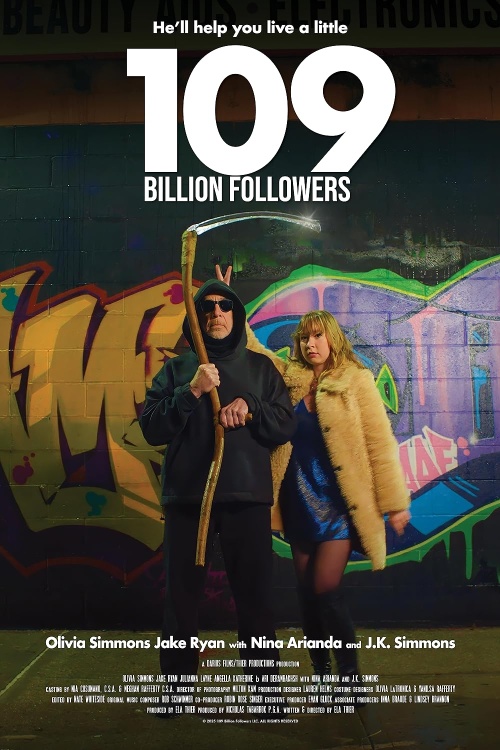 Last year I had the incredible opportunity to direct 109 Billion Followers, a feature film starring Oscar-winning actor J.K. Simmons. J.K. is an unusual member of the Hollywood royalty because he doesn’t seek prestige – he seeks good work. Despite our laughable budget and my being an unknown director, he attached himself to the project because (get this!) he liked it.
From interviews I’ve read, when J.K. was invited to the Oscars, he was going to decline. His long-time friends convinced him to go by saying, “do this for us.” He shared that the only meaningful aspect of receiving an Oscar was that it led to more offers, and allowed him to be choosier about his work. The impact was practical. It wasn’t proof that he’s a good actor. He already knew that he’s a good actor. He didn’t need a committee to tell him that.
With that in mind, dear artist: if you’re a filmmaker, I wish an Oscar upon you. As long as we live in a class society of haves and have-nots, you may need to play the game. An Oscar will open doors, but fight to remember that it means nothing beyond that. It’s not a signal that your work is good. You deciding your work is good is the only signal you need. Or better yet: you enjoying creating your work is the only signal you need.
If I ever get nominated, you better believe I’ll spend some time figuring out what to wear. I’ll be excited about the doors that open – the doors that should have opened all along.
My reply to Picasso: Don’t settle for lamenting that most of us don’t remain artists. Let’s fight to get it back. Somewhere in you, the kid who scribbled with crayons or made mud pies is still in there. They know how to do it right. Awards are a weapon of mass distraction. You still have, and will always have, the ability to experience creative joy.
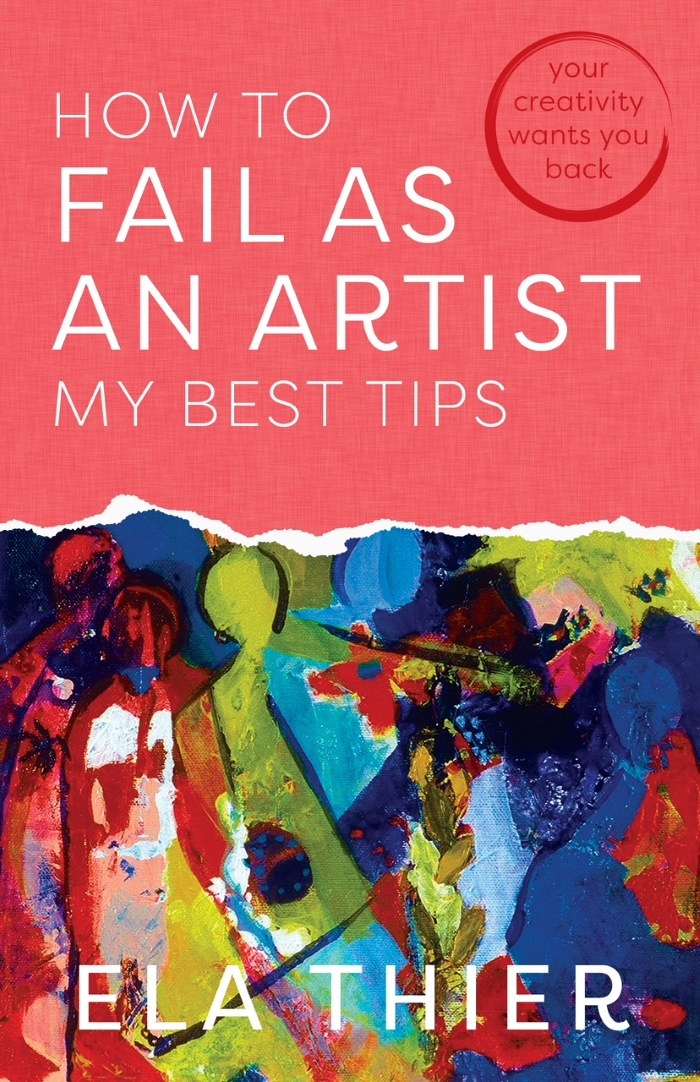
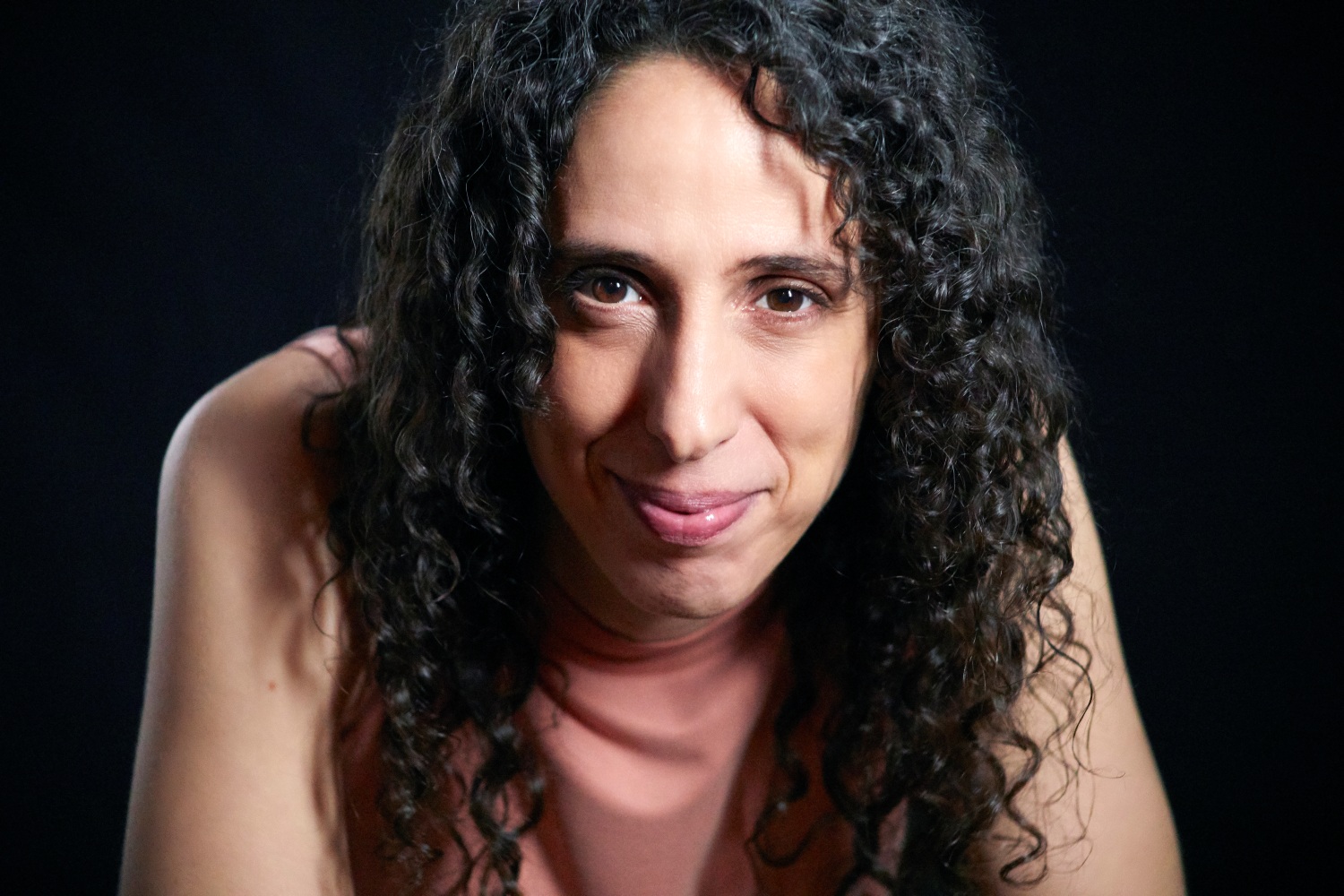
Ela Thier is a writer-director, and the Founding Director of The Independent Film School. Her book, How to Fail As An Artist, My Best Tips is currently available for pre-order. And like everyone else, she’ll be watching the Oscars this year, and then go watch the films that win.