


by Chloe Samson
There is a distinct comfort in the rounded edge. If you look back at the history of visual design, you will notice a recurring fascination with shapes that lack corners. During the mid-twentieth century, as design shifted from the stark, rigid lines of pre-war industrialism towards something more hopeful, a peculiar trend emerged. It was an era obsessed with the future, but rather than predicting a cold world of steel and glass, designers and filmmakers dreamed of a softer, rounder tomorrow.
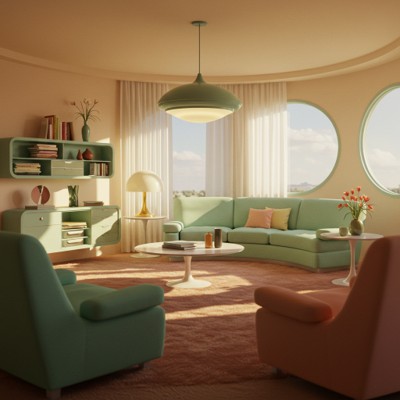
This was the birth of retro-futurism, a movement that embraced the sphere, the pastel hue, and the bubble. From the iconic bubble houses of Southern France designed by Antti Lovag to the playful set designs of mid-century cinema, the rounded aesthetic became shorthand for optimism and lightheartedness. It was a visual language that suggested life could be smooth, buoyant, and entirely devoid of sharp edges. Over the decades, this aesthetic has evolved, moving from the silver screen into modern digital spaces, capturing our collective imagination and offering a gentle nod to a simpler, more whimsical past.
The Visual Evolution of Playfulness in Cinema
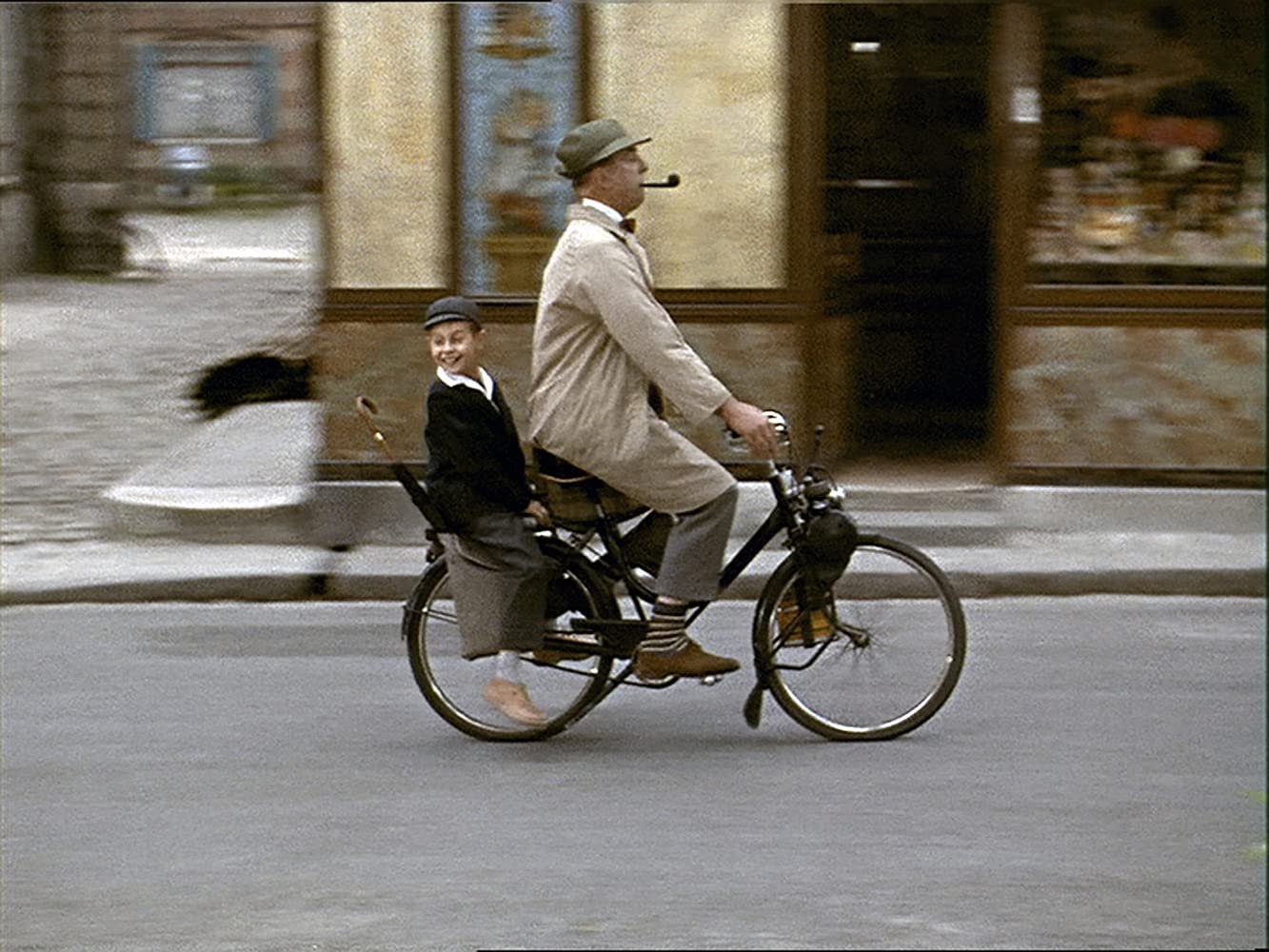
To understand how the bubble became such a powerful symbol of nostalgia, we have to look at how cinema has historically played with shape and colour. In the 1960s, directors began to reject the grey realism of the post-war years, opting instead for stylised, pastel-saturated worlds. Think of the whimsical, hyper-stylised French comedies of Jacques Tati, particularly Mon Oncle, where modern architecture is gently satirised through ridiculous, bulbous gadgets and pastel-coloured backdrops. The environments on screen did not feel like real life; they felt like beautifully curated playgrounds.
This cinematic obsession with the spherical and the soft did not fade as technology advanced. Instead, it became more refined. Filmmakers like Wes Anderson have built entire careers on the meticulous arrangement of pastel palettes, symmetrical framing, and retro-futuristic props that look as though they have been lifted straight from a 1970s design catalogue. When you watch a film styled in this manner, there is an immediate sense of safety and curiosity. The visual landscape is polite, neat, and deliberately soft.
By stripping away the gritty textures of the real world and replacing them with smooth surfaces and gentle tones, cinema created a visual shorthand for comfort. It is an aesthetic that does not demand heavy emotional processing; instead, it invites you to sit back and appreciate the sheer joy of form and colour.
The Psychology of the Round Aesthetic: Why Bubbles and Soft Contours Captivate Screen Audiences
Why are we so drawn to these rounded, bubble-like forms? The answer lies deep within our visual psychology. For decades, psychologists have studied how different shapes influence human emotion. There is a famous psychological concept known as the Bouba/Kiki effect, which demonstrates that humans consistently associate soft, rounded shapes with gentle, friendly attributes, whilst sharp, jagged shapes are associated with tension and energy.
When a cinematographer frames a scene using soft contours, circular windows, or bubble-like props, they are sending a subconscious signal to the audience that they are in a safe space. Bubbles, by their very nature, are transient, delicate, and perfectly symmetrical. They catch the light in beautiful, unpredictable ways, reflecting a spectrum of pastel colours that feel almost magical.
This soft aesthetic acts as a counterweight to the sensory overload of modern life. Our daily environments are full of sharp corners, rectangular screens, and harsh blue lights. When we encounter the rounded, organic shapes of bubbles and spheres on a screen, it triggers a sense of relief. It evokes a gentle nostalgia for an era of design that felt more human, tactile, and relaxed. It is about reclaiming a sense of wonder, reminding us of the simple pleasure of watching a soap bubble drift through the air.
Screen to Slot: How Gamified Aesthetics Adopt the Visual Languages of High-End Film Production
In recent years, this sophisticated visual language has made a fascinating leap from the cinema screen to the world of casual online gaming. Modern game developers are no longer just programmers; they are visual artists, colour theorists, and animators who study high-end film production to create immersive environments.
The transition from traditional, mechanical-looking designs to soft, gamified aesthetics has been remarkable. Early digital games often relied on bold, basic colours and rigid grids. Today, however, the influence of cinematic art direction is everywhere. Game designers are adopting the same pastel colour palettes, soft lighting effects, and organic physics that you might find in a big-budget arthouse film.
By mimicking the tactile quality of physical objects, modern casual games manage to feel incredibly satisfying. When a bubble pops on screen, it is not just a simple animation; it is a carefully choreographed event. The way the light refracts through the sphere, the gentle wobble of the surface before it bursts, and the soft spray of droplets are all designed to replicate the real-world physics of liquid. This attention to detail creates a bridge between the physical and the digital, making the experience feel wonderfully tangible.
Rhythm & Pacing: Matching Cascading Mechanics and Cinematic Sequence Tempos
It is not just about how these games look; it is also about how they move. In cinema, the rhythm of editing is crucial to how we experience a story. A fast, choppy sequence creates tension, whilst a slow, rhythmic montage can feel incredibly soothing.
Casual games have mastered this sense of cinematic pacing through the use of cascading mechanics. Rather than the abrupt, mechanical spinning of traditional reels, cascading games feature symbols that gently drop, float, or drift into place. When a match is made, the symbols disappear with a satisfying pop, allowing new ones to fall softly from above.
This movement mimics the natural flow of a cinematic sequence. It has a gentle, hypnotic tempo that allows players to relax into the rhythm of the game. The sound design is equally crucial here, replacing harsh, metallic alarms with soft, organic sounds like water droplets, gentle chimes, and air bubbles bursting. This combination of visual fluid motion and delicate audio creates a harmonious, relaxing experience that mirrors the comforting pacing of a classic feel-good movie.
A Playful and Whimsical Experience: Engaging with Retro Motifs in Real-Time Casual Play
This beautiful intersection of cinematic art, retro design, and interactive play is where modern casual slots truly shine. They offer a brief, delightful escape into a world where everything is soft, colourful, and beautifully rounded.
If you want to experience this whimsical visual universe for yourself, trying out the bouncy bubbles slot is an excellent way to do so. The game serves as a brilliant interactive extension of the bubble aesthetic, featuring a pastel-rich landscape filled with cascading spheres that wobble, float, and pop in a highly satisfying manner. The gentle, bouncy movement of the bubbles and the soft, tactile feedback of the gameplay capture that exact same nostalgic, comforting feeling you get when watching a classic retro-futuristic film.
It is a wonderful reminder of how digital entertainment can be about pure visual pleasure and relaxation. Of course, when exploring these colorful digital worlds, it is always wise to keep things lighthearted and play responsibly, setting clear limits to ensure your experience remains entirely enjoyable and stress-free.
Ultimately, the enduring appeal of the bubble aesthetic lies in its simplicity. Whether on a cinema screen or a casual gaming display, those soft, floating pastel spheres tap into a universal desire for comfort, lightness, and a touch of everyday magic. By turning away from the sharp edges of the world, even just for a moment, we can find a little pocket of joy in the simple, satisfying pop of a bubble.