


by Sam Addams
From period-accurate filters and continuity between takes to performer consent, venue rules and smoke alarms, the humble prop cigarette involves far more production planning than most viewers realise.
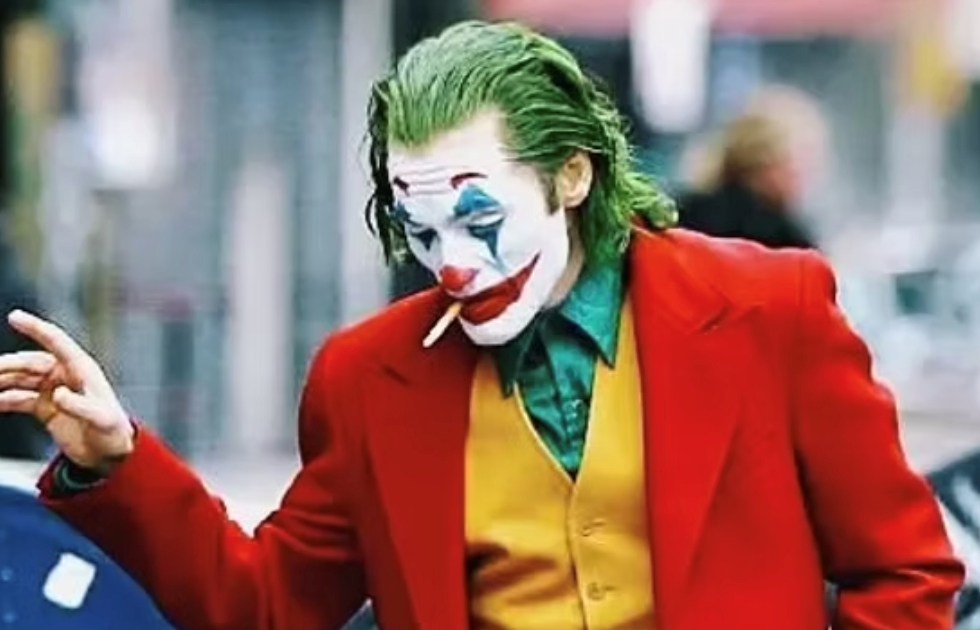
A cigarette on screen is rarely just a cigarette. It can place a story in a particular era before a single line of dialogue, suggest confidence or anxiety, punctuate an uncomfortable silence, or help define a character’s social world. In theatre, the effect is even more immediate: the glow, ash and drifting smoke are visible to an audience in real time.
Yet the cigarette an actor holds is not necessarily a conventional tobacco product. Film, television and theatre productions commonly use prop cigarettes, often filled with herbal material rather than tobacco, to create the visual effect a scene requires without using a nicotine-containing cigarette.
Why the Humble Cigarette Became a Production Headache
For decades, lit tobacco cigarettes were an unremarkable screen prop. That became more complicated as evidence grew that exposure to smoking in films could influence young people to start smoking, and studios and ratings bodies began treating tobacco imagery more carefully.
Smoking never disappeared from the screen. It remains powerful visual shorthand for period, rebellion, confidence, anxiety or melancholy, and it gives a performer something to do with their hands during a pause or silence.
The tension is obvious: productions may still want the image, but not the nicotine exposure, performer concerns and venue complications that come with a lit tobacco cigarette. That is a large part of why herbal props, non-combustible alternatives and digital effects now sit side by side.
What Is a Prop Cigarette?
“Prop cigarette” is a broad production term. It can describe an unlit cigarette used purely as a hand prop, or a smokable product designed for scenes in which the ember, ash and smoke need to look convincing on camera or under stage lights.
For close-ups and live performance, smokable versions behave much like conventional cigarettes. They can be lit, puffed and allowed to ash naturally, giving the production a practical effect that does not need to be created entirely in post-production.
The external design matters too. A cork-style filter may suit a contemporary setting, while an all-white cigarette can be a better match for certain period productions. Specialist options may also be unbranded, filterless or made in different lengths, avoiding a visible logo or detail that does not belong in the world of the story.
Loose herbal blends can also be rolled by hand, which may better suit a period setting, a character who smokes rollies, or a scene where a hand-rolled cigarette looks more authentic.
So What’s Inside Herbal Prop Cigarettes?
Many smokable prop cigarettes replace tobacco with a prepared blend of plant material. Depending on the product, that mixture may include ingredients such as marshmallow leaf, red clover and rose petals.
Outside the production world, some adults use herbal cigarettes while trying to move away from traditional smoking, although they are not registered with Australia’s Therapeutic Goods Administration as a smoking-cessation medicine.
For productions, checking the ingredients matters. A suitable herbal prop product should clearly state that it contains no tobacco or nicotine. That means it does not create nicotine dependence, but it does not make the smoke harmless. Burning plant material still produces real smoke, including tar and carbon monoxide, so a lit herbal cigarette should be treated as a controlled production effect rather than a risk-free imitation.
The practical benefit is specific: an actor can perform the physical action of smoking without using a nicotine-containing cigarette. That can be particularly useful when a scene requires repeated takes, several performers smoking at once, or the same action throughout a theatre run.
Beyond Herbal: Other Ways to Fake It
Herbal cigarettes are not the only route to a convincing smoking scene. For shots where a performer is simply holding or gesturing with a cigarette, productions may use an unlit cigarette or a completely non-combustible prop.
Smoke can also be added digitally in post-production, particularly for wide shots or when filming somewhere that does not permit combustion. Electronic props with illuminated tips are another option, although they may look less convincing than a real ember in a tight close-up.
The right approach depends on the shot. A background extra in a smoky bar scene has very different requirements from a lead actor in a lingering close-up.
The Craft of Faking a Drag
Convincingly handling a cigarette is its own small piece of technique. It can become part of the scene’s physical business: something a character reaches for during a pause, taps during a tense exchange, or stubs out to punctuate an exit.
For a performer who does not smoke, making those movements look habitual rather than staged can take some rehearsal. The required action should also be clear from the beginning. A cigarette held through a conversation is a different proposition from repeated close-ups involving lighting, puffing and visible smoke.
The Performance Begins Before the Camera Rolls
A smoking scene should not be sprung on a performer at the last minute. Screen Safe Australia says a request to smoke or appear to smoke should be discussed beforehand and included in the performer’s contract, or covered by separate written consent. The production should also specify the episode or scene and the extent of the smoking involved. Screen Safe notes that current industry practice is generally to avoid tobacco products and use substitutes such as herbal cigarettes.
That approach is useful creatively as well as procedurally. A performer may be comfortable holding or puffing a prop but may not want to inhale. Another may have asthma, a sensitivity to smoke, or a personal reason for declining the scene. Sorting those questions out in pre-production gives the director and props department time to choose the right approach rather than improvising under pressure on set.
The Legal Side, Briefly
Smoking laws vary considerably between Australian states and territories, and herbal cigarettes do not receive an automatic pass simply because they are tobacco-free.
New South Wales, Queensland and the Northern Territory have limited exceptions where smoking is necessary to, or forms part of, a genuine performance. Western Australia may allow a performer to smoke in an enclosed public place when the occupier has given consent before the performance. South Australia requires a formal exemption for an enclosed artistic performance.
Victoria treats tobacco- and nicotine-free herbal cigarettes differently from tobacco products and vaping devices under its Tobacco Act, but an individual venue can still prohibit their use. Tasmania expressly includes herbal and non-tobacco cigarettes in its smoke-free rules, while the ACT also treats herbal products as smoking products. Neither provides a general indoor theatrical-performance exception.
A venue can always apply a stricter no-smoking policy than the legislation. The practical upshot: never assume. Confirm the scene with the venue, then check the current rules with the relevant state or territory health department or tobacco-control authority before filming or rehearsals begin.
Smoke Alarms Are a Production Question, Not a Guessing Game
A lit prop cigarette produces real smoke and may set off a venue’s alarm. There is no universal distance from a detector that guarantees it will or will not activate. Detector type, sensitivity, airflow, ceiling height, proximity and the amount of smoke produced can all affect the result.
The practical answer is to discuss the scene with the venue or technical manager and test it under controlled conditions during a technical rehearsal. If a detection system needs to be temporarily isolated, that must be arranged through authorised venue personnel and supported by the venue’s fire-safety procedures. A production should never simply cover or disable an alarm.
Continuity Can Be Harder Than the Performance
A lit cigarette changes every second. Its overall length, ash, ember and smoke output may differ from one take to the next. The actor may also switch hands, hold it at a different angle or take a puff at a different point in the dialogue.
For a continuity department, that makes a cigarette a small but demanding prop. Resetting may require several prepared cigarettes at matching lengths, reference photographs and clear notes showing when the cigarette is lit, puffed or extinguished.
On a multi-camera production, the props and script teams may also need to track which stage of the burn belongs to each part of the scene. Something as simple as an impossibly long cigarette, or ash that repeatedly grows and shrinks, can become surprisingly noticeable in the edit.
What Should Productions Look For?
Productions choosing prop cigarettes should consider more than how the product appears in a still photograph.
Period accuracy, filter colour, cigarette length and visible branding all affect how convincing the prop looks. Productions should also consider the ingredients, burn consistency, amount of visible smoke and the number of cigarettes needed for rehearsals, resets and repeated takes.
A product that works for a single close-up may not be practical for a long theatre run or a scene involving several performers. Choosing the prop early also gives the cast and crew time to see how it looks under the production’s actual lighting, cameras and ventilation conditions.
A Small Prop with a Large Workload
The best screen props disappear into the story. Audiences notice the character’s nervous drag, the detective’s overflowing ashtray or the glow at the edge of a darkened stage; they do not notice the decisions that made the moment possible.
Behind that image are questions of period accuracy, performer consent, continuity, venue rules and technical safety. The prop cigarette may be one of the smallest items handled by the art department, but once it is lit, it becomes part costume detail, part performance tool and part practical effect.
For Australian productions sourcing smoking props, NicoFree supplies prop cigarettes for film, television and theatre, with an industry discount available to eligible production teams.
