



by Pauline Adamek
Worth: $14.00
FilmInk rates movies out of $20 — the score indicates the amount we believe a ticket to the movie to be worth
Cast:
Frank Dillane, Megan Northam, Okezie Morro, Karyna Khymchuk, Harris Dickinson
Intro:
… a quietly unsettling portrait that resists neat conclusions …
The subject of Urchin is an unhoused fellow who makes do on the streets of London. Sleeping on the footpath, stashing his backpack and belongings in a hidden spot, begging for change from passersby, and using cafes to recharge his phone, we’re swiftly presented with a restrained and unsentimental portrait of life on the fringes.
Written and directed by Harris Dickinson, we see Mike (Frank Dillane) struggling with addiction and relying on handouts from charity food providers, while also acknowledging the deeper forces of drug cravings, poverty, and impulsive behaviour that shape his choices.
The narrative pivots abruptly when Mike violently mugs a well-meaning stranger who had offered him help. His subsequent arrest, and incarceration, introduces the film’s second chapter, which examines Britain’s post-prison support systems with a clear-eyed realism. Mike is placed in short term hostel accommodation and finds work as a commis chef, yet the fragility of his progress is evident.
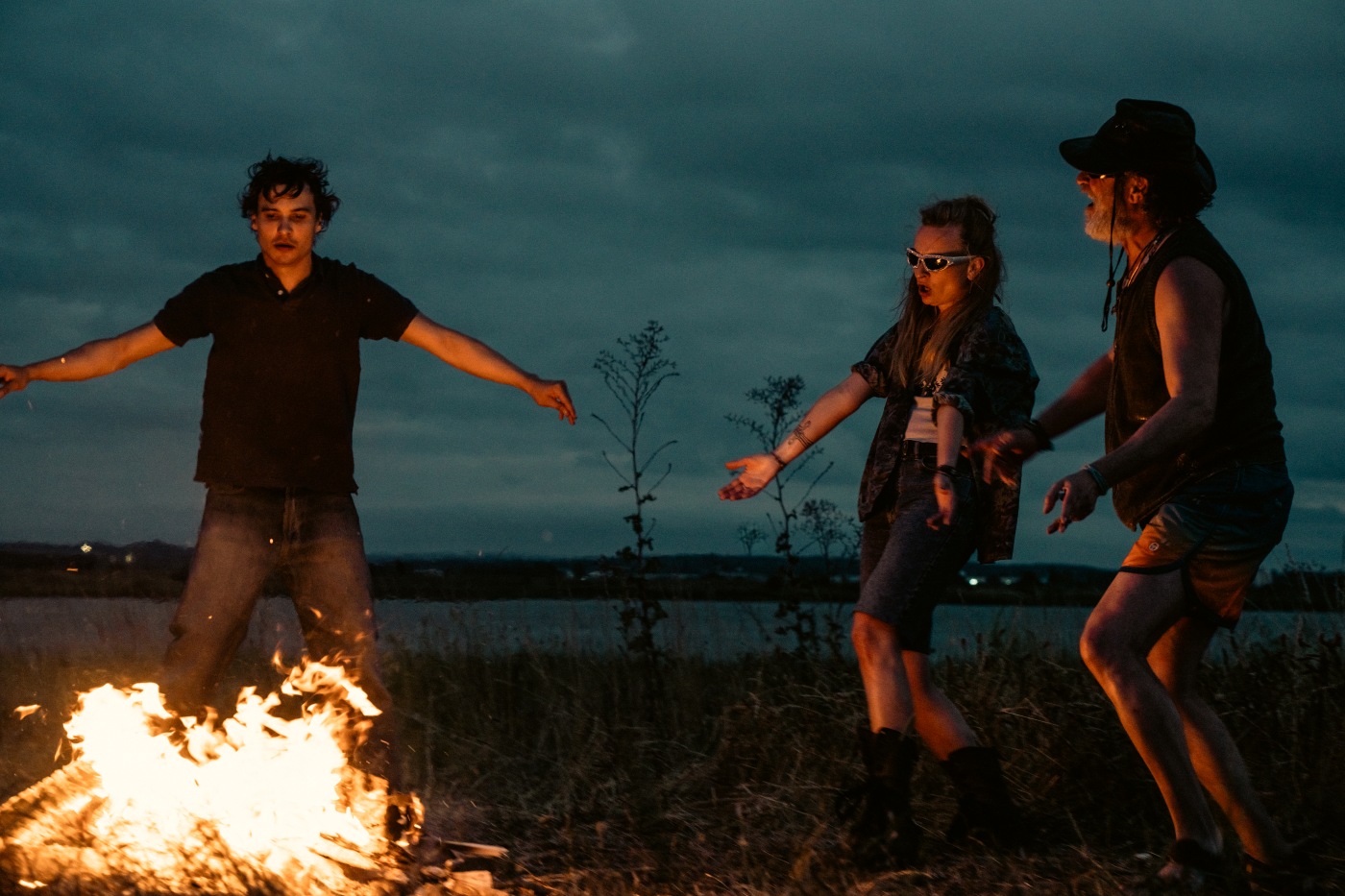
Visually, the film occasionally drifts into poetic territory. Dreamlike imagery of mossy forests and caves suggests a vivid inner life in contrast to his often self-centred and childlike demeanour. These moments recur while Mike listens to meditation audio tapes, suggesting a desire for reform without overstating its success.
The film’s most affecting scene involves a mandatory restorative justice session between Mike and his victim. Here, Simon (Okezie Morro) dispassionately explains the shock of the attack and its impact on his family, particularly his traumatised young daughter. Mike appears affected, although the story doesn’t delve into his emotional processing, which reinforces a sense of detachment between his intention and actions.
Inevitably, Mike’s focus and grasp begin to slip. He loses his job, relapses into drug use, and drifts back to the streets, clinging to grandiose but poorly formed ambitions of starting a high-end chauffeur business. His minimisation of past violence and tendency to externalise blame underscore the film’s refusal to frame his decline as purely circumstantial. He attends a powerful solo dance performance that triggers recollections of the assault, while the looming loss of his safety net – the temporary hostel accommodation – heightens the sense of insecurity.
Filmed in a quietly revelatory style that feels observant without being intrusive or overly judgemental, the film concludes on an ambiguous, almost spiritual note, before undercutting it with a sudden, harsher return to reality. The result is a quietly unsettling portrait that resists neat conclusions, leaving viewers to sit with the discomfort of a cycle that appears painfully hard to break.
