


by FIlmInk Staff
Chrysaor Studios says the Production Infrastructure and Capacity Analysis describes the exact gaps its open-access, social enterprise model was built to close.
Screen Australia’s newly released Production Infrastructure and Capacity Analysis (PICA), prepared by global consultancy Olsberg SPI, sets out four structural challenges facing the Australian screen sector: business sustainability, career progression, training, and infrastructure. Chrysaor Studios, Australia’s first Social Traders certified social enterprise film studio, says its Gold Coast facility is a working model of the response the report calls for.
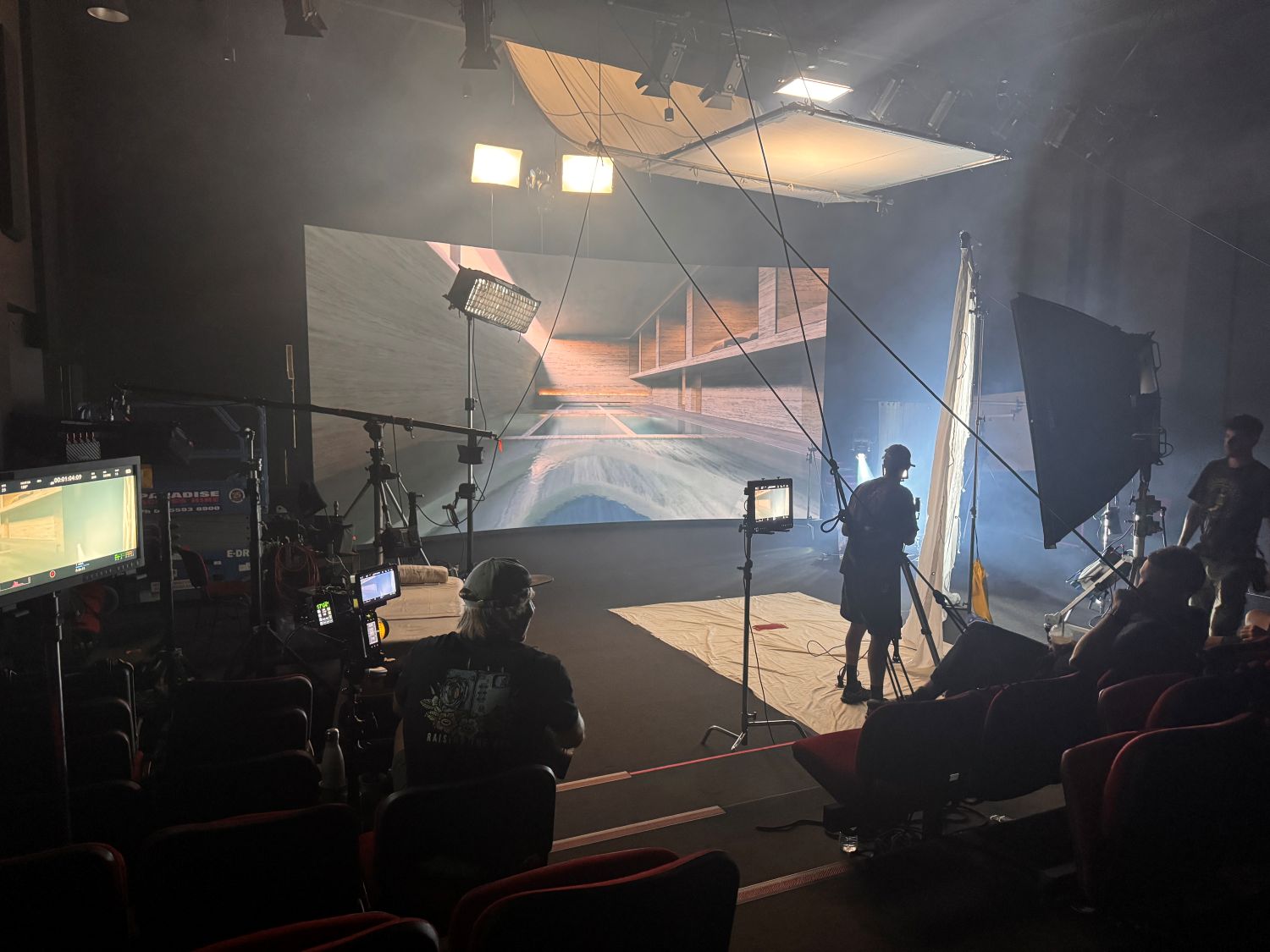
The study moves the sector from anecdote to evidence, giving funders and policymakers hard data on where Australian screen capacity is under strain. For Chrysaor, based at Varsity Lakes on the Gold Coast, the four themes read less like a warning and more like a description of the business it already runs. Since opening in January 2026, the studio has hosted work for Netflix, WildBear Entertainment and others, spanning marketing shoots with international cast, documentary interviews, commercial content and a studio pilot.
Studio access for the productions that get squeezed out
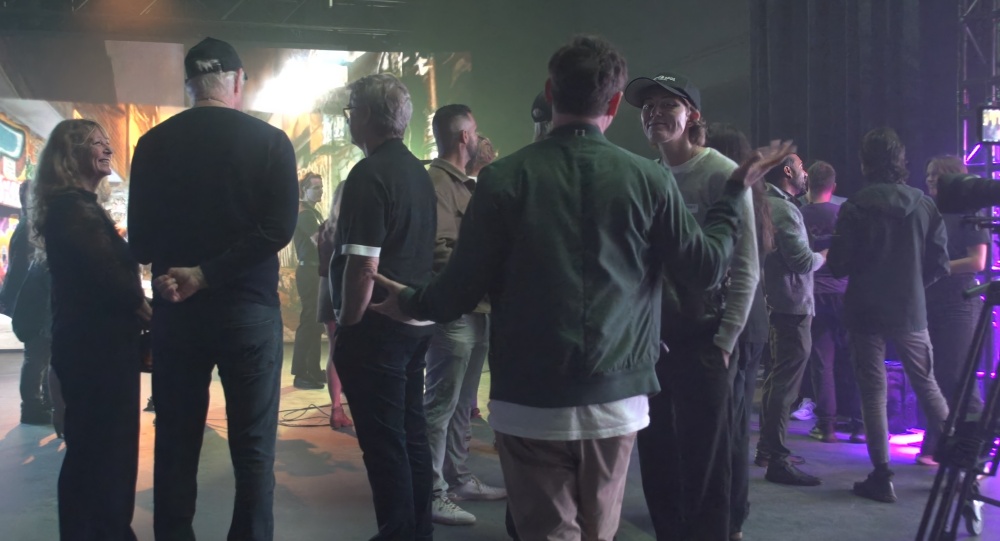
PICA points to a shortage of sound stages and a lack of accessible, shared space, with domestic television and independent features often locked out when larger studios are booked by major international productions. Chrysaor was set up as an open-access facility for exactly this reason. Its two stages, the Kevin Weldon AO Soundstage and the Animax Virtual Production Stage, are available to productions of any scale, from a first feature to a returning series, rather than held for a single large tenant. Established screen hubs in the United Kingdom and the United States treat mid-sized and boutique stages as core infrastructure, not an afterthought, because a healthy sector needs stages at every scale.
Career progression, not just recruitment
The report identifies career progression, rather than entry-level recruitment, as the sector’s central workforce problem, with attrition and burnout pushing experienced crew out of the industry. Chrysaor reinvests at least half of its profits into emerging practitioner pathways and crew wellbeing, through programs including Chrysaor Futures and its industry placement program, giving students and early-career crew structured, paid experience alongside working productions rather than a one-off visit.
Training on the technology the report says the workforce needs
PICA calls for role-specific, modular training in emerging areas, naming virtual production as a clear example of a skill the workforce has to build. As the operator of Queensland’s only permanent open-access LED volume, Chrysaor and its on-site partner Animax Studios give crew and students hands-on access to the exact environment the report says training now has to cover.
A business model built to scale beyond survival
The study describes a sector of small, project-based companies that struggle to move past hand-to-mouth delivery and into stable enterprises. Chrysaor’s social enterprise structure is designed to break that cycle, using commercial studio hire to fund a stable base that reinvests in local jobs, training and the wider Queensland screen community. As the report puts it, sustainable creative output depends on sustainable businesses.
Keeping Queensland crew in Queensland
The report also flags a brain drain from emerging markets to established east-coast hubs, where crew migrate for consistent work and regional production growth becomes hard to sustain. A permanent, fully equipped facility on the Gold Coast gives Queensland crew a reason to build careers close to home.
The demand is real, and so is the constraint
The economics are already on the record. The Gold Coast screen and game sector generated $420 million in gross value added and supported about 2,500 full-time-equivalent jobs in 2024/25, and roughly 75 per cent of Queensland’s $924 million in screen expenditure that year was spent on the Coast. A 2024 QUT study of the Gold Coast screen sector found the region has become a major hub for content made by domestic producers, and named limited sound stage and facility capacity as a brake on further growth. Chrysaor was built to ease that constraint.
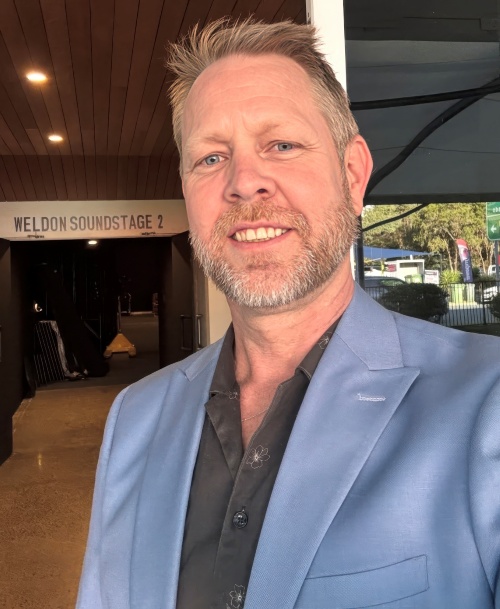 “The PICA study is the clearest evidence base the sector has had, and it names the exact problems we set out to solve: open access, real training on real equipment, and a model that puts profit back into people, not just projects. We did not build Chrysaor as a response to this report, but reading it feels like reading our own business plan back to us,” said Christopher Amos, Founder and CEO, Chrysaor Studios
“The report makes the case that sustainable creative output depends on sustainable businesses. That is the whole point of a social enterprise studio. When the commercial side works, the community side gets funded, and the people who make our screen industry can actually afford to stay in it.”
About Chrysaor Studios
Chrysaor Studios is Australia’s first Social Traders certified social enterprise film studio, based at Varsity Lakes on the Gold Coast in a former church converted into a professional production facility. It houses two stages: the 400 square metre Kevin Weldon AO Soundstage, acoustically treated and blackout, and the Animax Virtual Production Stage, which carries Queensland’s only permanent open-access LED volume. Chrysaor operates across studio hire, original production, post production and distribution. It reinvests at least half of its profits into local jobs, training and pathways for emerging screen practitioners. Proudly supported by the Queensland Government through Screen Queensland’s Capital Grants Program.
