



by Hope Challis, OT
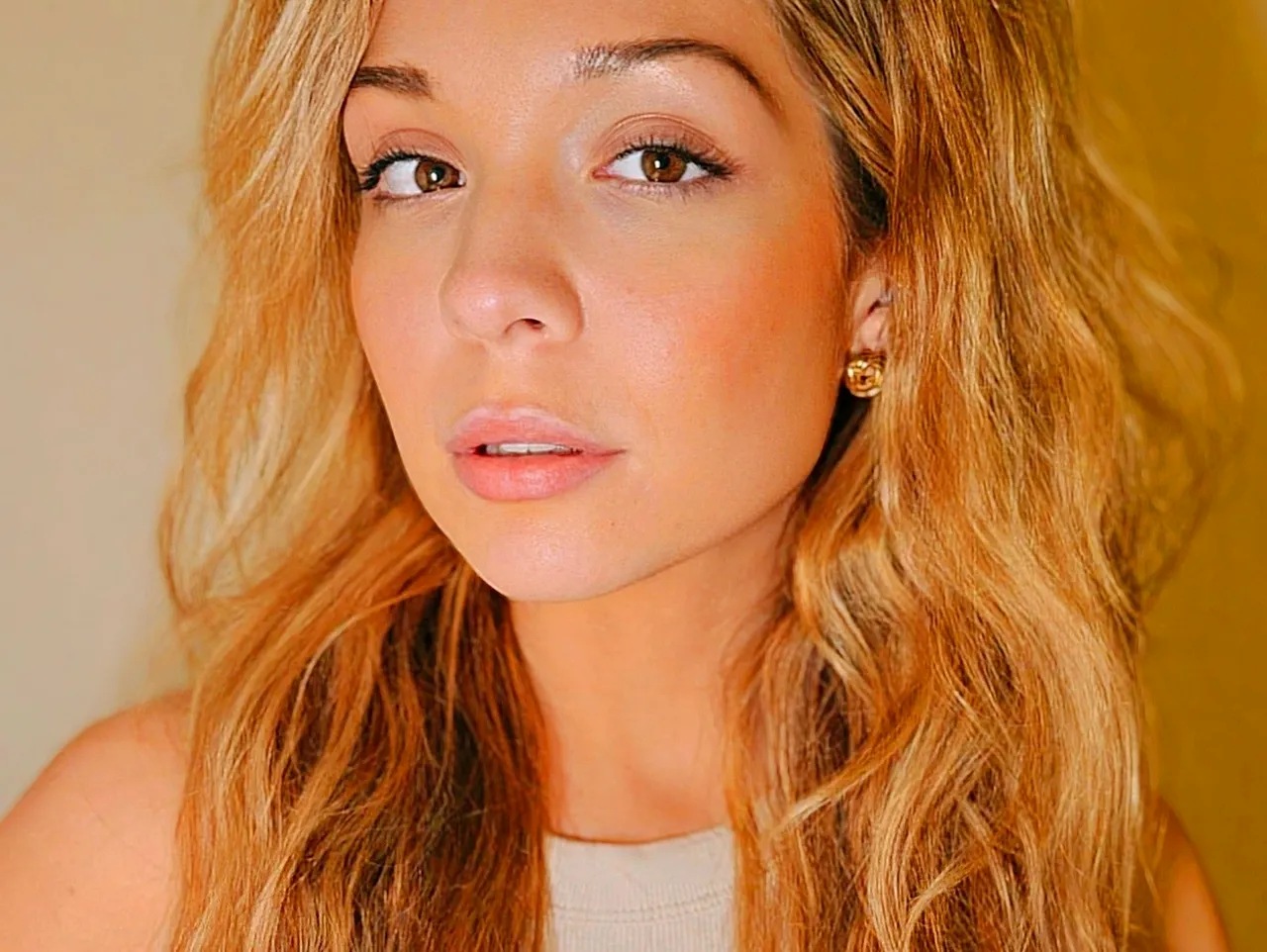
For many performers, the journey to the screen follows a familiar path. For Louise Child, it has been shaped by science, advocacy, environmental stewardship and storytelling. A scientist, actress, advocate and multi-hyphenate creative, Child is building a career where social impact and screen performance intersect.
“For me, science and storytelling have never felt like separate worlds. In many ways, they are connected by the same purpose: helping us understand one another and the world we inhabit.”
That belief has become the foundation of a career defined by curiosity, compassion and purpose. Child’s work in coastal management has profoundly influenced the way she approaches both life and performance. “My work and passion in coastal management continually remind me that everything is interconnected. The choices we make ripple outward, much like the ocean itself.”
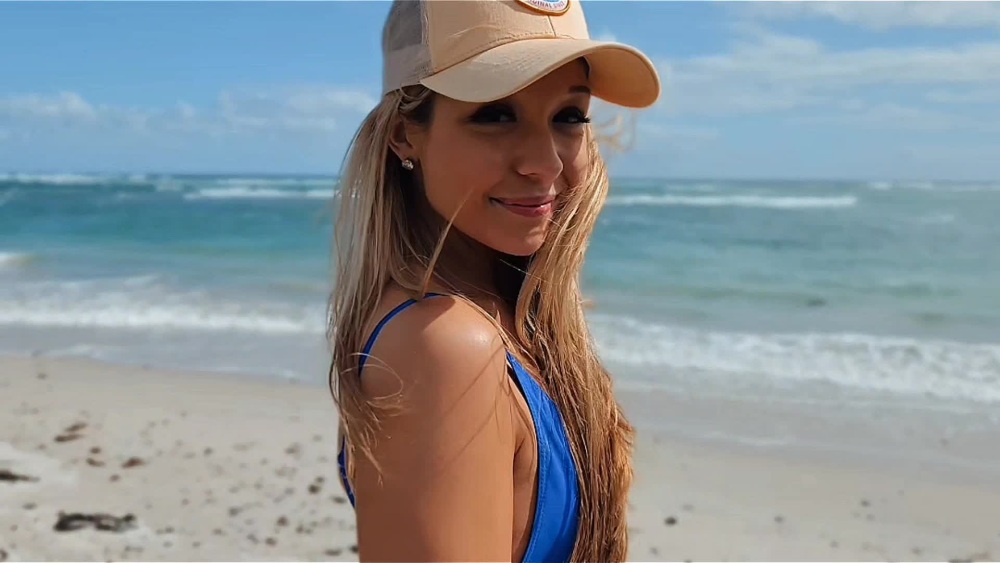
She brings that same awareness to character development. “Studying marine and coastal environments has taught me to look beyond the surface, to search for the unseen currents that shape ecosystems and, likewise, the unseen experiences that shape people into who they are.”
Rather than viewing science and creativity as opposing disciplines, Child sees them as complementary tools for understanding human behaviour. Her scientific background informs the way she researches roles, while advocacy and lived experience deepen her understanding of the people she portrays. “When I break down a script or step into a new character, I approach the process with analytical curiosity and empathy. The scientific side of me enjoys researching patterns, motivations and psychology, while my advocacy work and personal experiences remind me to honour the humanity behind every story.”
That empathy extends well beyond performance. Through her work supporting women and children affected by family and intimate partner violence, as well as environmental causes, Child has witnessed the power of storytelling to create understanding and inspire change “I believe there is immense power in using the art of storytelling to illuminate important social and environmental issues and stories invite audiences to understand experiences that may otherwise remain hidden, and in doing so, they have the capacity to challenge stigma, cultivate empathy and inspire meaningful change.”
Child credits Hollywood directors Steven Bernstein (Decoding Annie Parker) and Shaun Paul Piccinino as important mentors whose guidance has shaped her approach to performance, professionalism and collaboration. “One of the most profound lessons Steven Bernstein has shared is the importance of creating space for truth and spontaneity.”
The lesson continues to guide her belief that some of the most authentic moments in performance come from being fully present rather than rigidly controlling every scene. “Shaun Paul Piccinino has taught me the value of hard work, kindness and approaching every opportunity with humility.”
Their guidance reinforced the collaborative nature of filmmaking and the importance of character alongside talent. “Success in this industry is not only about talent; it is about character.”
That philosophy is evident in Child’s approach to acting, where authenticity takes precedence over rigid control. “A wave cannot be forced; it can only be read, understood and ridden. The same is true of performance. Like swimming with a current rather than against it, the work becomes less about control and more about connection. Some of the most truthful moments on screen are often the ones that could never have been meticulously planned.”
That commitment to meaningful storytelling was further strengthened through her work on Safe Home, a project that resonated both professionally and personally. “Working on Safe Home was an incredibly meaningful experience because it reaffirmed something I have come to believe deeply; stories matter. The themes explored in Safe Home resonated with me personally.”
What impressed her most was the series’ commitment to authenticity. “It never sought to sensationalise these issues. Instead, it approached them with humanity and nuance.”
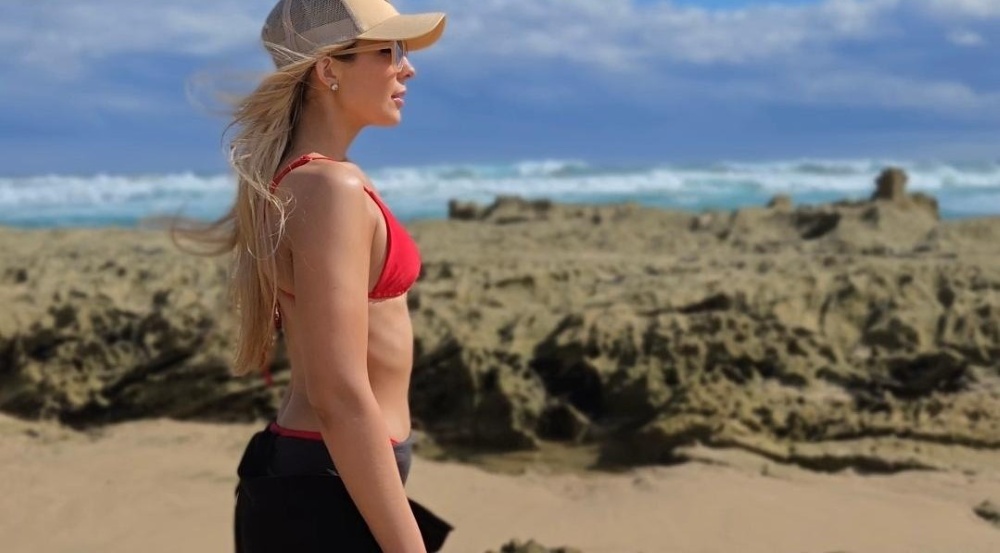
Child’s upcoming project Fools in Paradise [above] with Shaun Paul Piccinino, where she stars as Stella, a role in which she is utilising her knowledge of coastal management and picked up a new skill of learning how to surf. Child’s creative ambitions continue to expand beyond acting. She recently completed Guardian Shadow, where she not only portrays the Guardian Angel but also directed and produced the film’s title-track music video, reflecting her growing commitment to storytelling across multiple creative disciplines.
For Child, every project is an opportunity to create work that resonates beyond the screen. “I want to use storytelling not only to entertain, but to help highlight difficult conversations and encourage people to find hope and strength in their own lives. Entertainment and social impact are not mutually exclusive.”
Looking ahead, she hopes to expand her work through writing, producing and performance. “I believe that influence, no matter how large or small, comes with a responsibility to leave things better than you found them.
“As my career continues to evolve, I hope to use my platform through writing, producing and performance to help bring greater visibility to causes that matter deeply to me.”
Ultimately, a single idea connects Child’s work across science, advocacy and the arts. “Just as rivers eventually find their way to the sea, stories have a way of bringing us back to our shared humanity and science helps us understand the world, while storytelling helps us feel it.”
For Louise Child, the future lies not in choosing between disciplines, but in bringing them together. Whether on screen, behind the camera or through advocacy, she remains committed to stories that connect and inspire. “Ultimately, I think one of the most meaningful uses of art is its ability to remind us that none of us are alone, and that together we are capable of creating something better than ourselves. If I can contribute to that through my work, then I would consider that a life well lived.”
In an industry often built on reinvention, Child’s strength lies in integration. Rather than separating her work as a scientist, advocate and artist, allowing each discipline to inform the other. The result is a career guided by curiosity, empathy and purpose.
Hope Challis is an Adelaide-based arts writer, Adelaide Correspondent for Theatre Thoughts Australia and a Paediatric Occupational Therapist.
