



by Nataliia Serebriakova
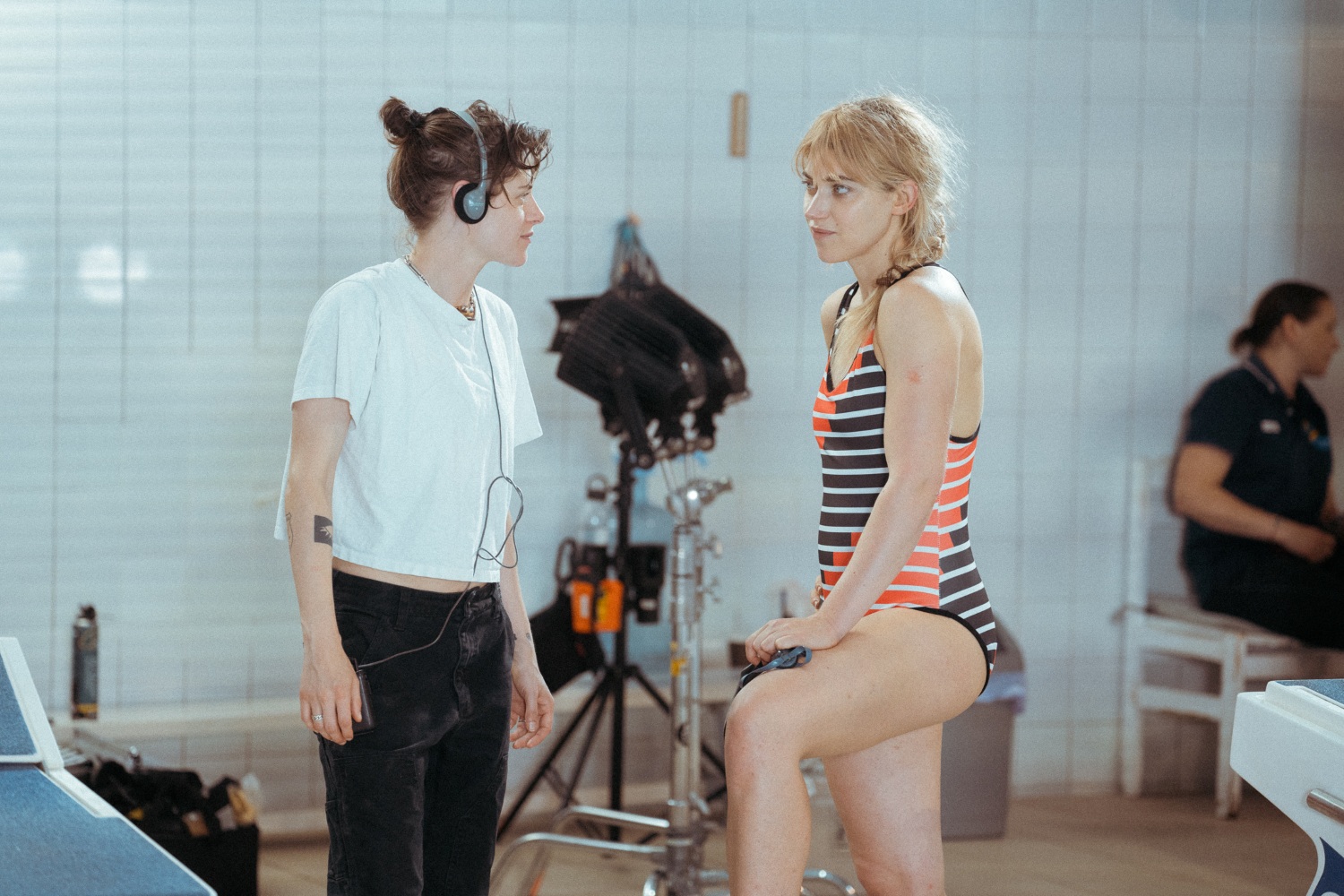
“We were made to be owned by men,” says Kristen Stewart, and in many ways this statement becomes the emotional and ideological core of her directorial debut The Chronology of Water.
Actor-turned-director debuts always attract attention, but Stewart’s first feature goes far beyond the familiar territory of actors directing actors. Instead, it is a raw, impressionistic and deeply personal cinematic language shaped around the memoir of Lidia Yuknavitch — a story of childhood sexual abuse, survival, and the long, painful journey toward reclaiming identity through writing.
“I wanted to make films from the moment I first stepped onto a set,” Stewart explains. “But this particular story activated me in a very specific way — because of its confessional, almost diary-like nature. What interested me wasn’t just that it was based on real events, but that personal stories are not merely private — they can be vital, necessary.”
Her approach to storytelling resists traditional narrative structures. “This film, for me, is not about plot in the classical sense, but about form, about liberation from imposed structures — success stories, failures, those stages of life that make us feel ashamed. I wanted to show how this can be transformed into something positive — that’s what writing does, that’s how it heals.”
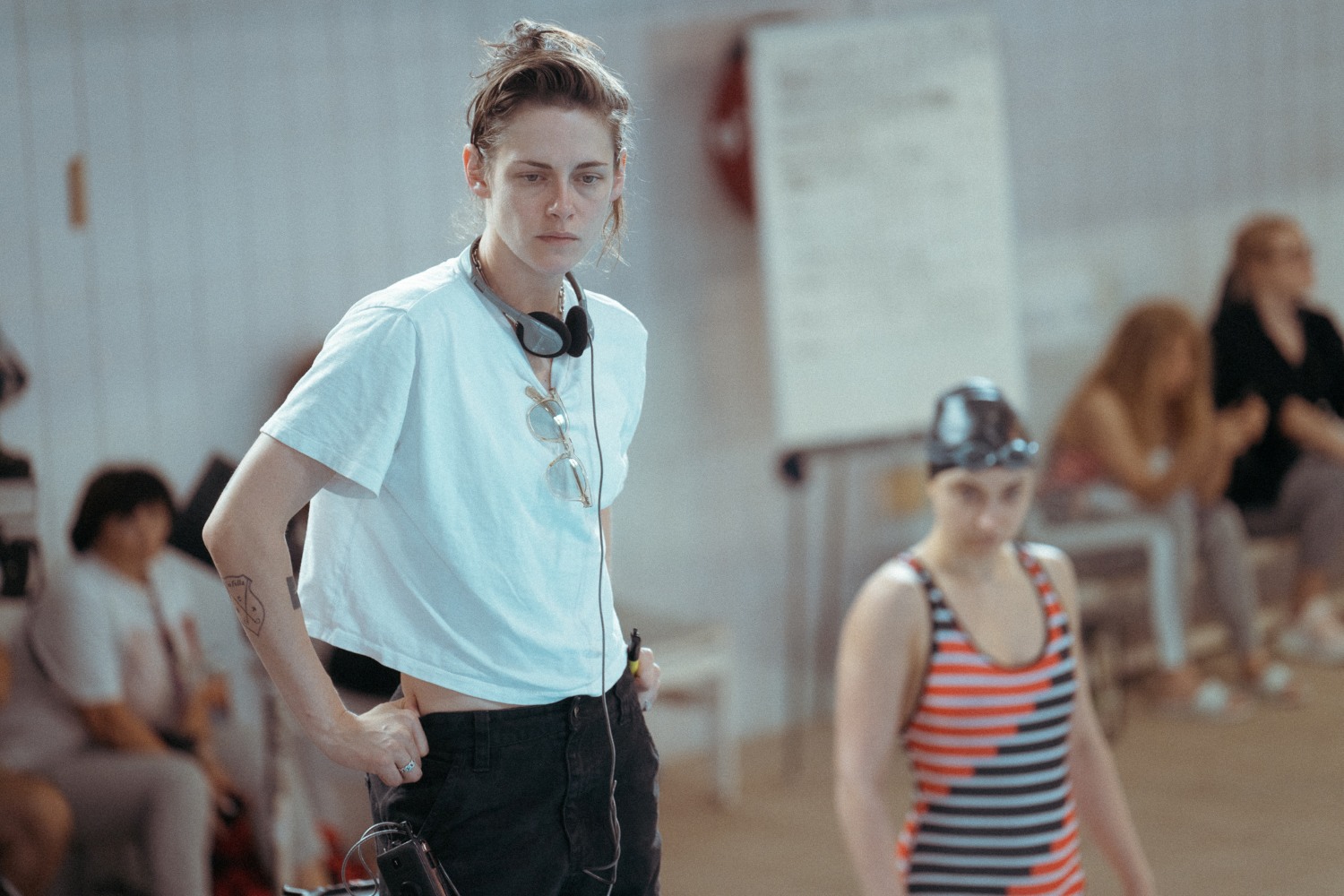
From the very beginning, Stewart frames the film as an act of reclamation — not only of narrative, but of the body itself. “When I first read the book, I was struck not only by the author’s voice, but by the way she speaks about the fluidity of reality — about how art allows us to take our lives into our own hands, to shift perspective and turn even pain into something luminous, something that can bring pleasure.”
That transformation lies at the heart of the film. The story follows Lidia across years of struggle — through trauma, addiction, rage and self-destruction — as she attempts to construct a sense of self that is not defined by violence inflicted upon her. Stewart refuses to present this journey as linear or resolved. Instead, she embraces fragmentation, emotional dissonance and sensory experience.
“My favourite part of acting is that moment of emotional contagion, when you share feelings with others,” Stewart says. “My favourite directors are those who create not just a statement, but a space — for coexistence, for discovery, for shared energy. That exchange, that process — that’s what has always fascinated me. So, I wanted to create my own way of working and see what would happen. This story felt like the perfect opportunity to just rip the band-aid off and do it.”
The result is a film that relies heavily on performance — particularly that of Imogen Poots, who plays Lydia with a striking combination of vulnerability and defiance. Her performance is not simply about depicting trauma but about embodying contradiction: pain and desire, destruction and vitality, silence and expression.
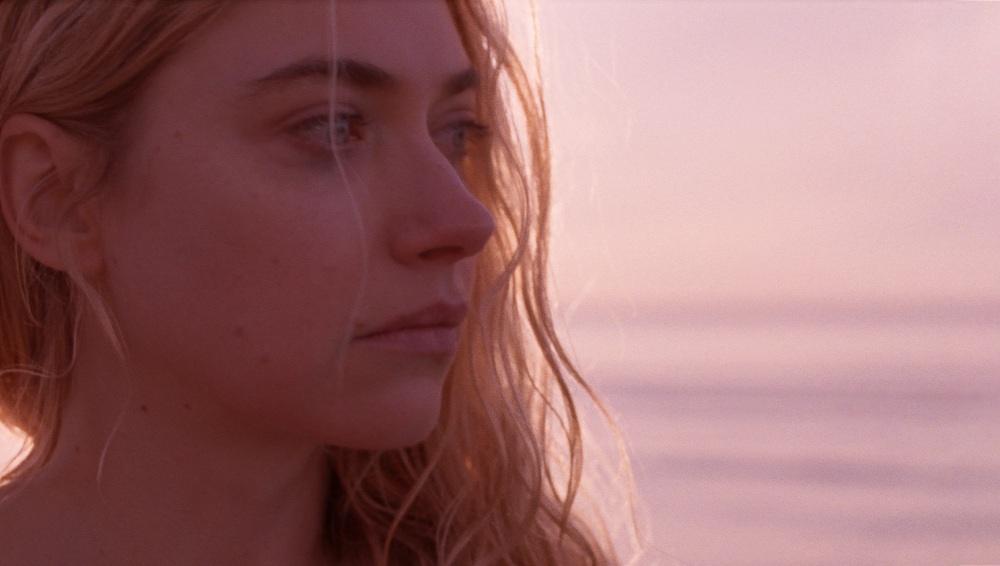
For Poots, the decision to join the project was immediate. “It was obvious. As an actor and as a person, I’ve long been fascinated by characters who exist on the edge of themselves, who are constantly becoming. This role demanded a kind of openness that is both terrifying and liberating.”
The film requires not only emotional exposure but also physical commitment. Poots navigates scenes of athletic intensity, sexual vulnerability and psychological breakdown, creating a performance that feels lived rather than performed.
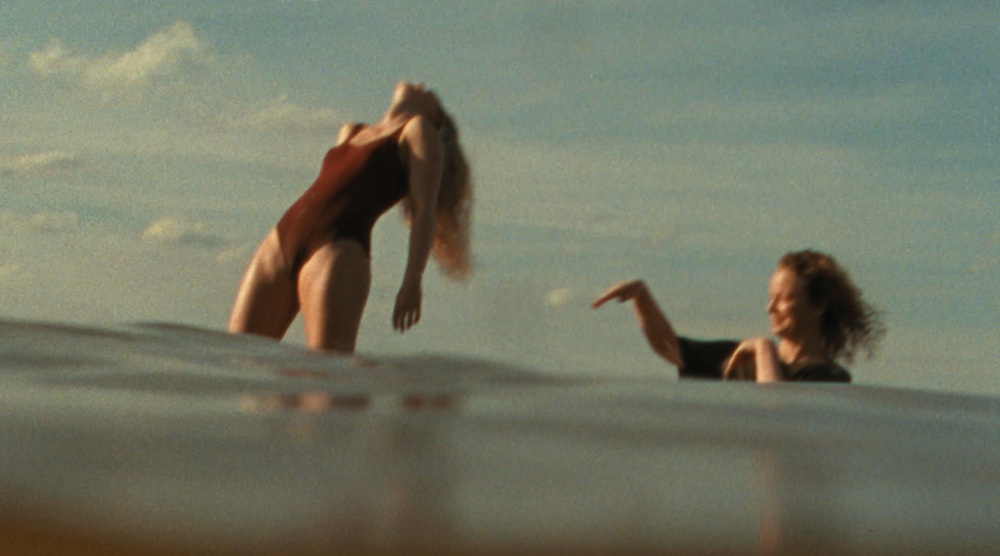
Thora Birch, who plays Lidia’s older sister, describes her involvement as something almost inevitable. “We ran into each other at an event, and then a month or two later, Kristen called me and said: ‘I need your help, I want you to be in my film.’ I said: ‘Of course — but I should probably read the script first.’”
Her process of entering the film was unusual. “I started reading, then I picked up the book, then the audiobook. At some point I got confused, so I decided to focus only on the script and my character. I realised that my character is more like a memory than a fully formed person, and that freed me — I could play more loosely, letting the inner world speak for itself. She doesn’t have many words, and that was important too.”
Birch emphasises that the project was never approached lightly. “Working with Kristen and with Imogen, who became the perfect Lidia for me, was a gift. It wasn’t like, ‘Oh, this is going to be fun.’ No. It felt more like: ‘I have to do this.’”
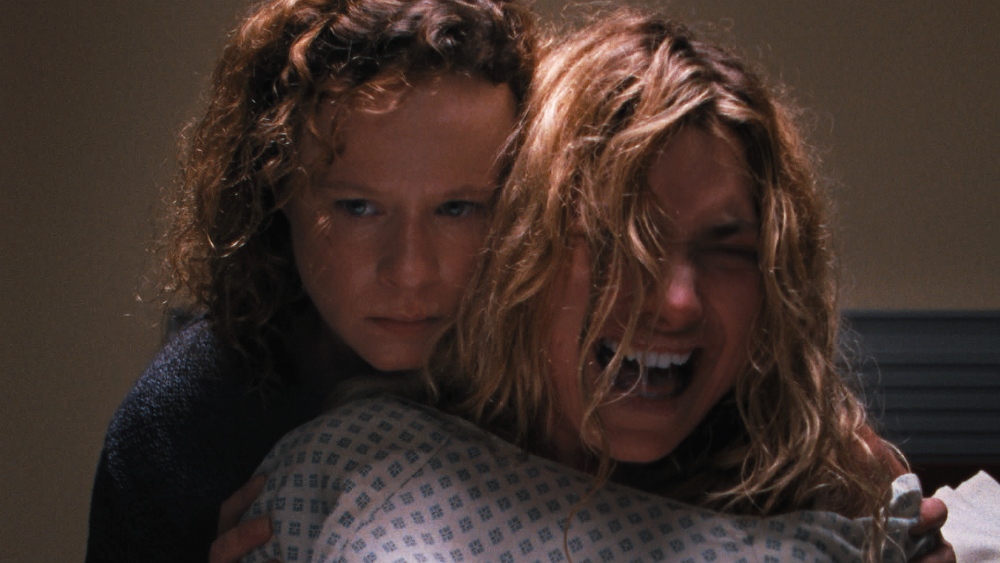
Stewart’s direction creates a space where actors are not confined by rigid interpretation but are instead invited into a shared emotional process. This collaborative environment reflects her broader philosophy of filmmaking.
“We were made to be owned by men, and so much of this story is about undoing that — about taking ownership back, not in some grand, declarative way, but in small, personal acts of self-definition,” she says. “It’s about learning how to exist in your own body again.”
The film’s visual language mirrors this. Rather than constructing a polished aesthetic, Stewart and her team embrace texture, fragmentation and fluidity. The camera often feels as if it is searching, hesitating, discovering — mirroring Lidia’s own internal process.
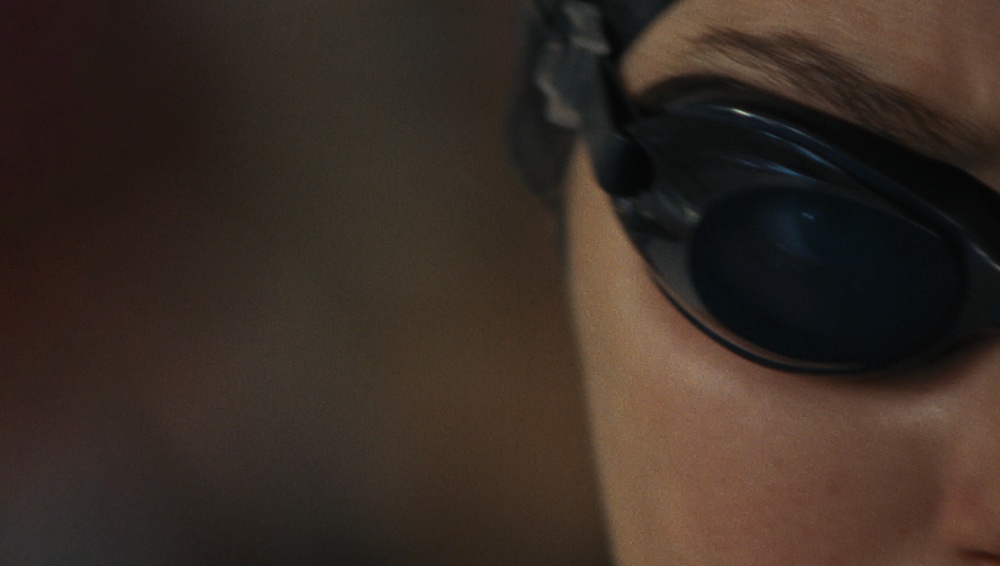
“I didn’t want to explain everything. I wanted the audience to feel it, to sit inside it, even when it’s uncomfortable,” Stewart explains. “Because that discomfort is part of the truth.”
What emerges is not a conventional adaptation but a translation of emotional experience into cinematic form. The film resists resolution, avoids moral clarity and refuses to simplify its protagonist.
“Pain doesn’t disappear just because you understand it,” Stewart says. “But you can change your relationship to it. That’s what this film is about.”
For Stewart, stepping behind the camera was less a transition than a continuation. “I’ve always been directing in some way — even as an actor, you’re constantly shaping something. But this was the first time I could hold the whole thing, create the space, invite people into it.”
And that space — fragile, intense, and unguarded — is what defines The Chronology of Water. It is not a film that seeks to comfort or reassure. Instead, it confronts, exposes and ultimately transforms.
“This story gave me permission to stop asking for permission,” Stewart concludes. “And that’s something I hope people can take with them — that you can rewrite your own narrative, even if it’s messy, even if it’s painful. Especially then.”
Stewart returns again and again to the idea that the film is less about representation and more about sensation. “I didn’t want to impose a clean narrative onto something that fundamentally resists being cleaned up,” she says. “There’s something dishonest about smoothing out experience just so it can be more easily consumed. Life doesn’t work like that, trauma definitely doesn’t work like that, and memory — memory is the least reliable narrator of all.”
That distrust of narrative stability shapes every creative decision. “We’re so used to stories that tell us where to look, what to feel, when to cry, when to understand — and I wanted to strip all of that away,” Stewart explains. “I wanted the audience to feel slightly unmoored, because that’s where something real can actually happen.”
For Imogen Poots, this meant navigating emotional states that often contradicted each other within the same moment. “She can be completely destroted and completely alive at the same time,” Poots says. “And that’s not something you resolve — it’s something you hold. That tension, that impossibility, that’s where she exists.”

The physicality of the role became inseparable from its psychology. “Your body remembers things before your mind does,” Poots continues. “And sometimes it reacts in ways that feel irrational or even self-destructive, but they’re deeply rooted. I had to trust that — to not judge it, not control it too much.”
Thora Birch expands on this idea of embodied memory. “There are scenes where almost nothing is said, but everything is happening,” she notes. “And that’s where the film becomes almost… musical. Not in a literal sense, but in rhythm, in vibration, in how emotion moves through space.”
Stewart herself leans into that comparison. “I kept thinking about it as a kind of internal rock opera,” she says. “Not something polished or performative, but something messy, loud, dissonant — something that doesn’t ask for permission to exist.”
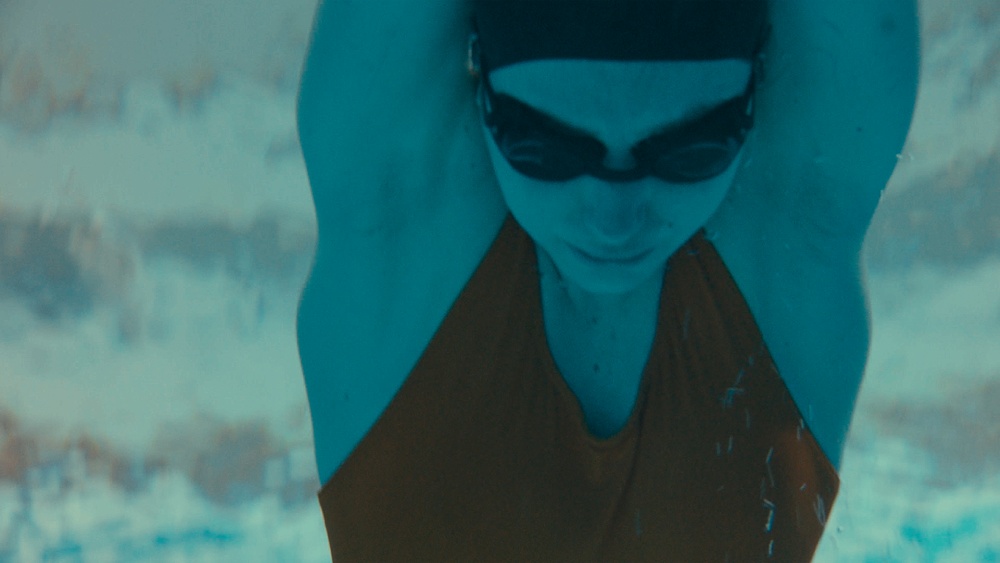
Sound, silence and fragmentation work together to create what she describes as “emotional architecture.” “Sometimes, the most important thing is what you don’t show, what you interrupt, what you leave unfinished,” she explains. “Because that’s where the viewer steps in — not intellectually, but instinctively.”
This openness extends to her collaboration with the actors. “I never wanted them to feel like they had to ‘get it right,’” Stewart says. “I wanted them to feel like they could get lost — because getting lost is part of the process. It’s part of finding something that isn’t already predetermined.”
That sense of risk became a unifying force on set. “It felt like we were all slightly outside of our comfort zones all the time,” Poots recalls. “But in a way that was incredibly alive. There was no autopilot, no easy solutions. Every moment demanded presence.”
Birch describes a similar experience. “There’s a kind of trust you need for that — not just in the director, but in each other,” she says. “Because you’re all stepping into something that doesn’t have a safety net.”
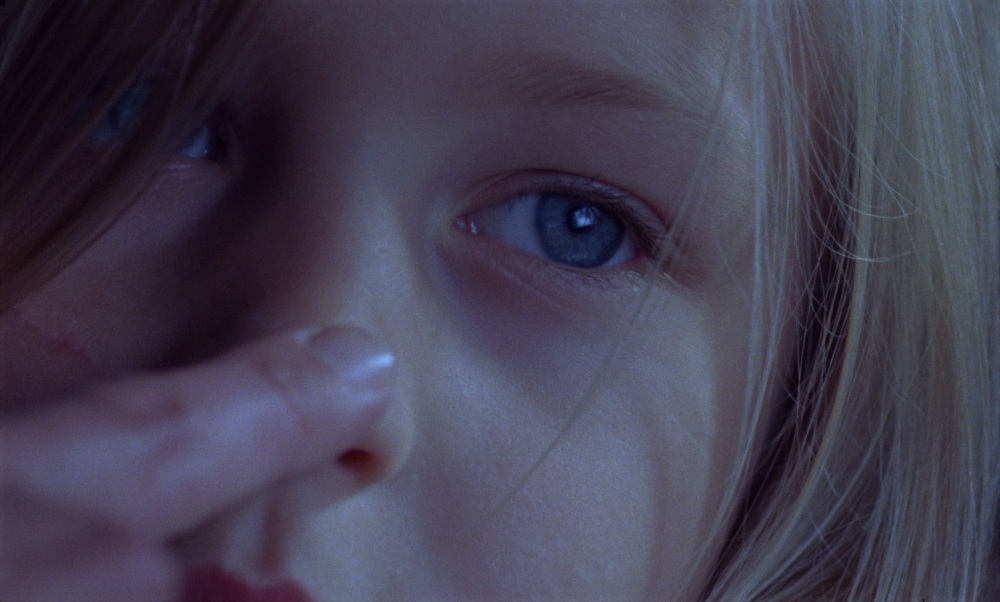
Stewart acknowledges that this approach is not universally comfortable. “Not everyone wants to work like that, and that’s okay,” she says. “But for me, it’s the only way that feels honest. If I feel like I’m in control of everything, then I’m probably not discovering anything.”
At its core, the film becomes an exploration of agency — who has it, who takes it, and how it can be reclaimed. “When I say ‘we were made to be owned,’ I’m talking about something systemic, something ingrained,” Stewart explains. “And unlearning is not a clean or linear process. It’s chaotic, it’s painful, it’s full of contradictions.”
But within that chaos, she finds a form of liberation. “There’s something incredibly powerful about saying: this is mine, even if it’s broken, even if it’s unfinished, even if it doesn’t make sense yet,” she says. “Especially then.”
Poots echoes that sentiment when reflecting on her character. “She doesn’t arrive at some perfect version of herself,” she says. “But she keeps moving, keeps choosing, keeps trying — and that, in itself, is a kind of victory.”
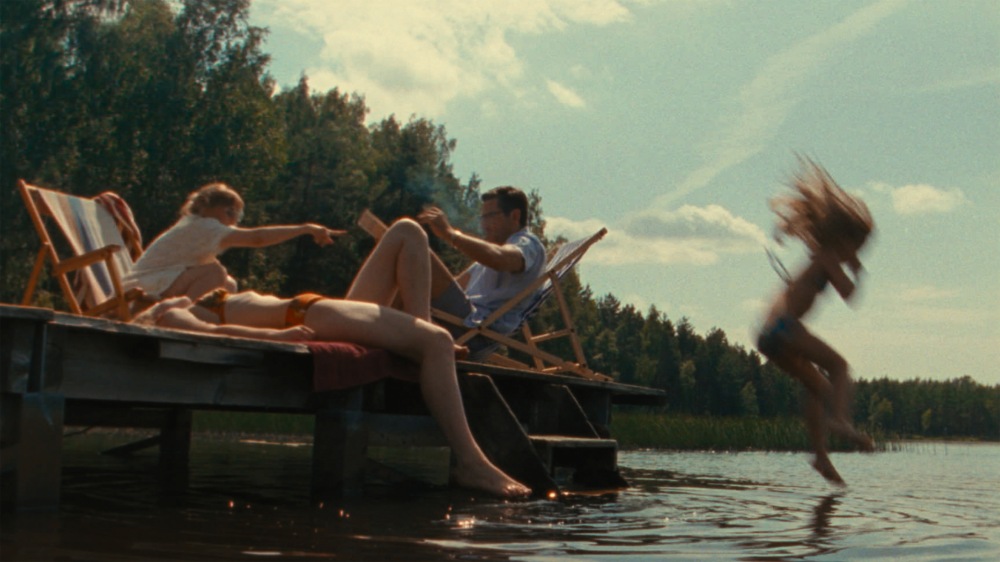
Stewart resists framing the film as inspirational in any conventional sense. “I’m not interested in redemption arcs that tie everything up neatly,” she says. “I’m interested in survival, in persistence, in the small, almost invisible acts of resistance that accumulate over time.”
And yet, there is something undeniably hopeful in that persistence. “Hope doesn’t always look like light,” Stewart concludes. “Sometimes it looks like refusal — refusal to disappear, refusal to be defined by what was done to you. And that’s enough. That’s everything.”
The Chronology of Water is in cinemas from 20 August 2026
