

by Dov Kornits
“There is this stereotype of Japanese people and culture,” says The Japan Foundation’s Anne Lee, Festival Programmer of the Japanese Film Festival’s annual Classics program.
The stereotype she speaks of is the politeness and inhibition. “But this program really shows as early as the early ‘60s, you were seeing films that were revolutionary, not just in Japan, but in the world. They were showing things through experimental cinema, in a way, that other people just weren’t doing. It definitely contradicts that idea.”
The program for 2020 is ‘Provocation and Disruption: Radical Japanese Filmmakers from the 1960s to the 2000s’, screening 8 films for free in Brisbane (until January 27) and Sydney (February 6 – March 3).
“When we program our classics program every year, we take a look at what film prints are available through our own film library [in Japan], which has over 2000 prints. We usually start with a film or two that we’re like, ‘we would really like to screen these and what is the conversation going around with these films that we can bring into a program that will be meaningful to people?’
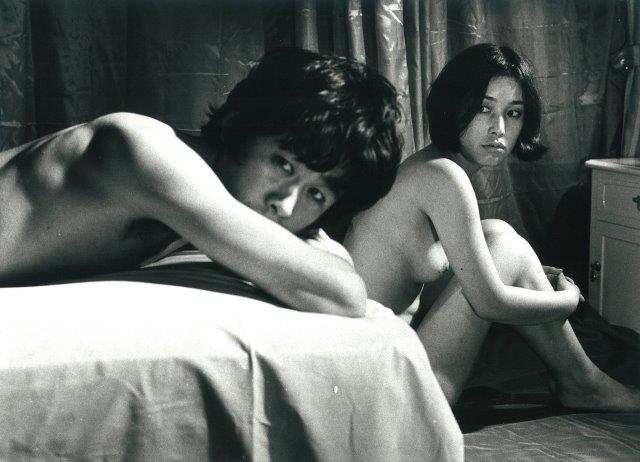
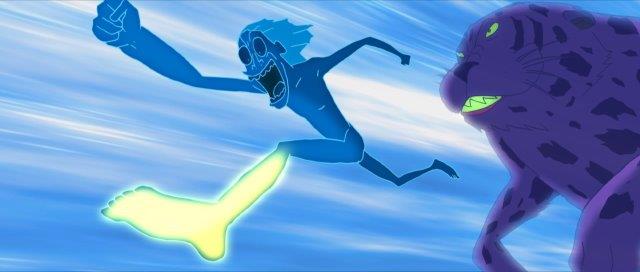
“For this program, you see responses to social issues happening at the time. We start with free love in the 1960s with Eros + Massacre and Funeral Parade of Roses around queer culture. Then you’re seeing commentary on the university riots in Diary of a Shinjuku Thief and advances in technology in the ‘70s and ‘80 in Tetsuo: The Iron Man. Our most recent film, Mind Game, is commentating on this directionless youth that has arisen in the 2000s, where these young adults graduate from university, but there are no jobs for them after the bubble burst. I don’t think that we planned to pick out films that traced social changes, but it just kind of happened as we programmed.”
The program offers a reflection of Japanese people and their film culture, but it also reflects how the West has taken up a lot of the ideas, don’t you think?
“Yeah, I think so. You can see how a lot of these films have been extremely influential in both Japanese and world cinema. For example, Funeral Parade of Roses was a really influential piece to Stanley Kubrick’s A Clockwork Orange. Also, New Wave genre films that are experimental and avant garde, have then gone on to become like cult hits, like House. Tetsuo is really influential in horror.”
Can you tell us your favourite 3 films in the program?
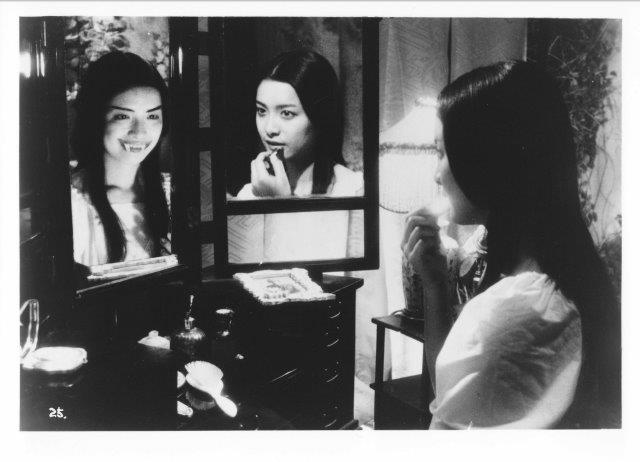
“One of my favourites is House, which is directed by the late Nobuhiko Ōbayashi. This is Obayashi’s first feature film after he got really experimental with short films in the 1960s. House is like a dark comic horror spliced with 1970s, pop culture and hyperactive editing and special visual effects. The storyline follows a group of teeny-boppers who are vacationing at a mysterious aunt’s isolated mansion in the summer. It’s really outrageous, over-the-top. Lots of wacky stuff happens, and you really have to see it on the big screen.
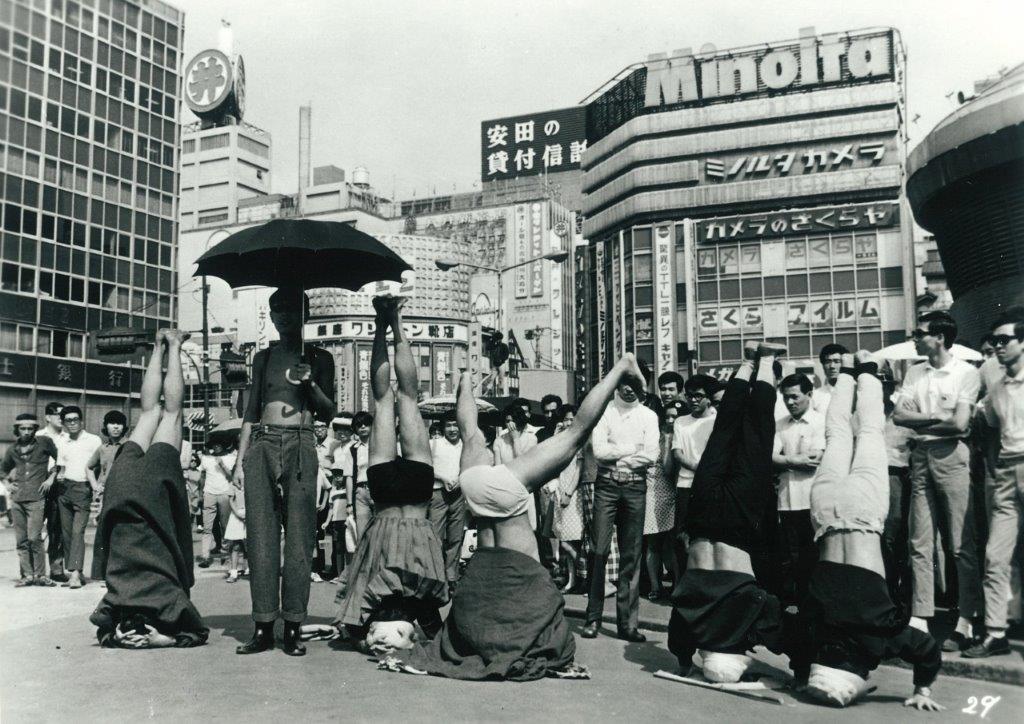
“Funeral Parade of Roses is a pioneer film by director Toshio Matsumoto of 1960s experimental cinema. It’s a subversive take on the Greek tragedy Oedipus and follows Eddie, who is a notorious hostess and rising star of a queer nightclub and Tokyo’s underground scene. This is a really fascinating look at queer subculture in 1960s Japan and it’s a landmark film in the queer cinema canon. We’re really excited to also be offering a panel discussion on queer and transgender visibility in cinema after the February 20th screening in Sydney.
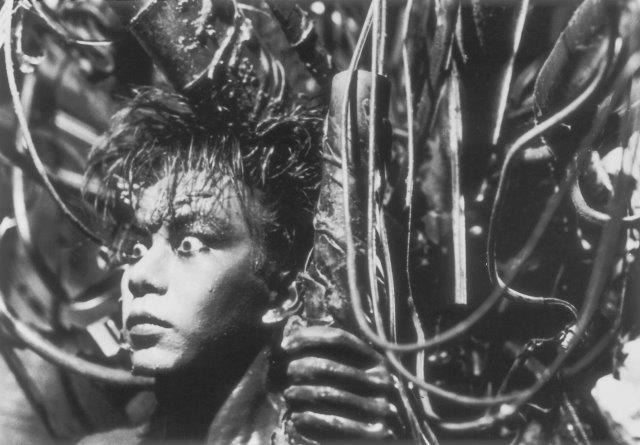
“My final pick is Tetsuo: The Iron Man. Once we had decided that we wanted to look at experimental films, immediately, everyone on the team was like, ‘We have to show Tetsuo: The Iron Man.’ It’s a Japanese cyber horror made during Japan’s bubble era and tech boom. It’s a 60-minute film, but it’s really rapid, crazy stuff. It’s almost like an hour long music video. It’s got all these wild visuals, stop-motion animation techniques, a really a funky soundtrack by Chu Ishikawa and really lasting imagery. You won’t forget these body horror transformations and all of the metal flesh hybrids in this film.”
And it’s all free!
“Currently seat numbers are even more limited than they were maybe a month or two ago. So definitely recommend that everybody book for the films they want to see, because I think they’re going to fill up fast. A lot of these films haven’t been screened on the big screen here in Australia before. It’s very difficult to get access to these prints that are straight from Japan. It’s a really special opportunity for people to be able to see them in their original format. It’s really exciting to be able to introduce lesser known aspects of Japanese cinema to Australian audiences. We of course, have our yearly film festival as well, but you don’t always see as much of a spotlight on classic films outside of some Akira Kurosawa, things like that, that everyone knows. But we want to take opportunities to show things that might be lesser known to people here.”
