



By Erin Free
“My films tend to polarise people’s views,” Sir Alan Parker once said. Unlike many of his contemporaries – namely UK commercials directors turned Hollywood players Ridley Scott, Tony Scott and Adrian Lyne – Alan Parker made films that packed much more than just a visual punch. Though just as gifted as his peers when it came to creating striking celluloid images, Parker was a far more provocative filmmaker than any of the aforementioned heavy hitters. Even when working within genre conventions, such as the musical or the supernatural thriller, Parker always managed to rearrange the cornerstones into an exciting new pattern of his own devising. Though under-celebrated, Parker was an exciting, muscular filmmaker who brought an energy and seriousness to his projects that instantly set them apart from most Hollywood productions. He was also a man who fought tooth and nail for things that he believed in, and particularly for his rights as an artist, which were often thrown him into conflict with studios and financiers. In short, Alan Parker was a tough bastard who wouldn’t be pushed around…and you can’t have enough of those filmmakers.
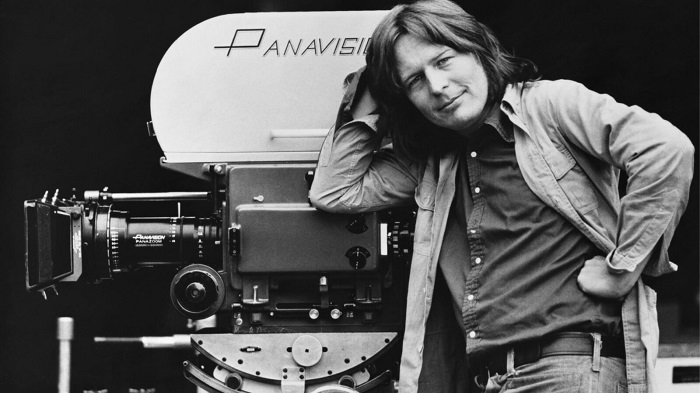
Born in 1944 in London to a house painter father and dressmaker mother, Parker first moved towards the creative arts in the sixties, when he got a job as an office boy at an advertising agency when he was nineteen-years-old. Parker worked his way up, and eventually started writing ads for the famed London agency Collett, Dickenson, Pearce & Partners. His career really started to fire, however, when he and partner Alan Marshall founded a production company to make industrial films and commercials. Between 1969 and 1978, Parker produced over 500 television commercials, winning industry awards by the truck-load, while also being name-checked as an important influence on the fashion and film of the time. Using stylish, highly composed images, Parker made many of his ads into mini-movies, and used the medium to develop and hone his filmmaking abilities.
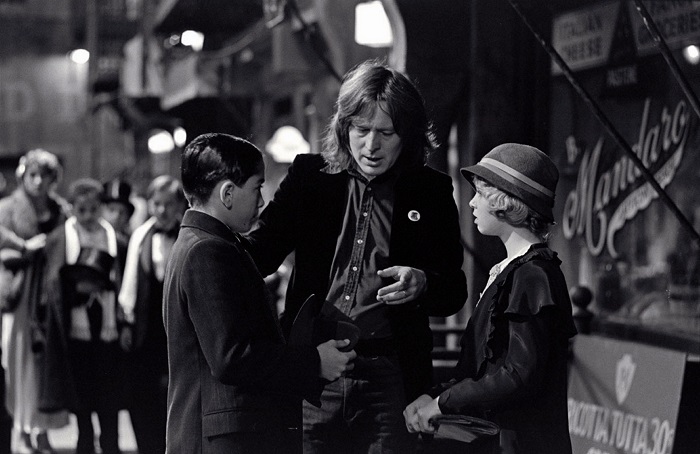
In 1973, Parker wrote and directed a 50-minute film, No Hard Feelings, which the BBC bought and eventually aired several years later. 1975’s The Evacuees was Parker’s first film produced for the BBC, and saw him instantly recognised by the major players in the film industry. The following year, Parker teamed with powerful producer David Puttnam for Bugsy Malone, his debut as a writer-director. A face-slap to conservative heartland America, the film was a bizarre musical spoof of gangster films, and featured an all-children cast (including Scott Baio and Jodie Foster), who slammed each other with cream pies instead of bullets. The concept was so deliriously strange that it got Parker noticed in America straight away. The film’s slightly salacious tone (with kids behaving in a preternaturally sexy and violent fashion) also provided Parker with his first minor controversy.
Parker’s second feature, 1978’s powerful prison drama Midnight Express, was based on the true story of Billy Hayes (Brad Davis), an American arrested in Turkey for drug smuggling. The film earned six Oscar nominations, including a Best Director nod for Parker, but was criticised for toning down its lead character’s homosexual feelings and experiences. That said, Midnight Express remains a thrilling and occasionally horrifying experience.
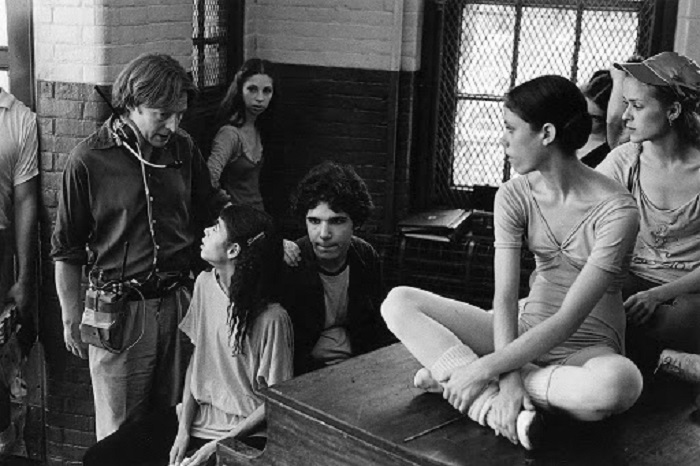
Parker followed up that bruising film with the gritty musical Fame (1980), which became a massive hit and inspired a successful TV series. After two major successes, Alan Parker’s industry papers were officially stamped, and he went on to move through a wide variety of styles and genres, delivering an eviscerating look at divorce one-minute (1982’s Shoot The Moon) and a trippy, mind blowing modern musical (1982’s Pink Floyd The Wall) the next. Subverting the much maligned musical genre would become one of Parker’s strong points, as he revisited the genre with both great success (1991’s The Commitments) and to his own detriment (1996’s Evita). Wedged in between were supernatural thrillers (1988’s Angel Heart), politically and socially driven dramas (1988’s Mississippi Burning, 1990’s Come See The Paradise, 2003’s The Life Of David Gale, which now stands as his final work), and fine adaptations of noted books (1984’s Birdy, 1999’s Angela’s Ashes).
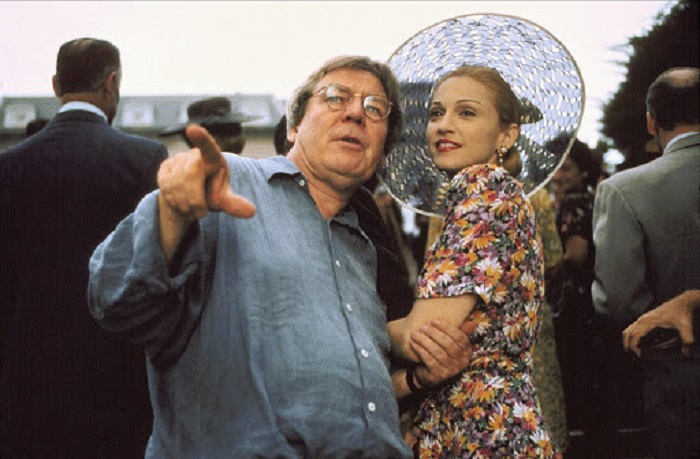
While his films are a mix of success and failure, Alan Parker never wavered from his personal vision, whatever the result. Displaying an undisguised, long time distaste for film critics (“Pauline Kael is the Rambo of film critics,” he once said. “She’s a demented bag lady”), and a willingness to get into fights with everyone from studio heads to the ratings board (who took him to task over Angel Heart’s lurid mix of sex and violence), Alan Parker will now always stand as one of the movie industry’s toughest customers.
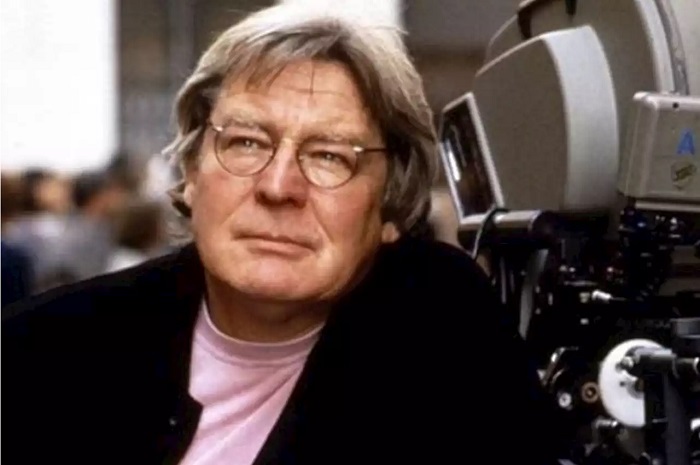
ALAN PARKER’S BEST
It wasn’t easy, but we’ve combed through Alan Parker’s richly diverse filmography, and came up with what we believe are his five best movies. Start arguing…now.
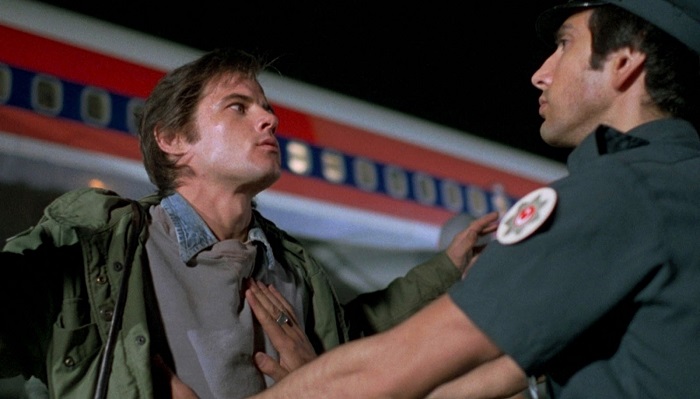
MIDNIGHT EXPRESS (1978)
Running off a piano-wire-taut script by Oliver Stone, Parker mined nail-grinding suspense and heartbreaking pathos out of this true story about a misguided young man (the excellent Brad Davis) who smuggles drugs for cash and ends up in a hellish Turkish prison.
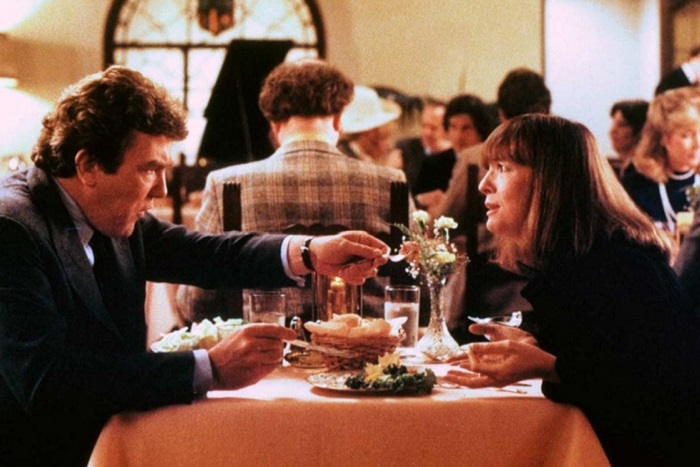
SHOOT THE MOON (1982)
In one of the truly great films about divorce and family fracture, Albert Finney gives a robust, daring performance as a man tipped over the edge when his fifteen-year marriage disintegrates, leaving his wife (Diane Keaton) at a loose end, and their four daughters confused and emotionally devastated.
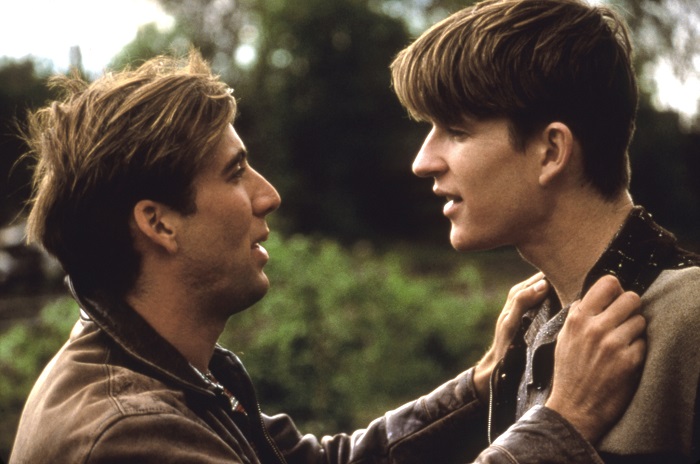
BIRDY (1984)
Adapted from William Wharton’s complex, philosophical novel, Parker turned this story of two friends – Nicolas Cage’s knockabout Al and Matthew Modine’s dreamy, avian-obsessed Birdy – scarred and damaged by Vietnam into an astounding visual tour de force with the gut kicking emotion to match.
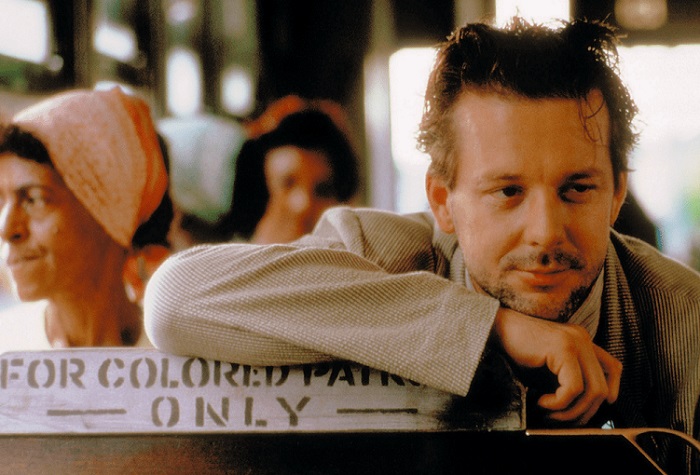
ANGEL HEART (1987)
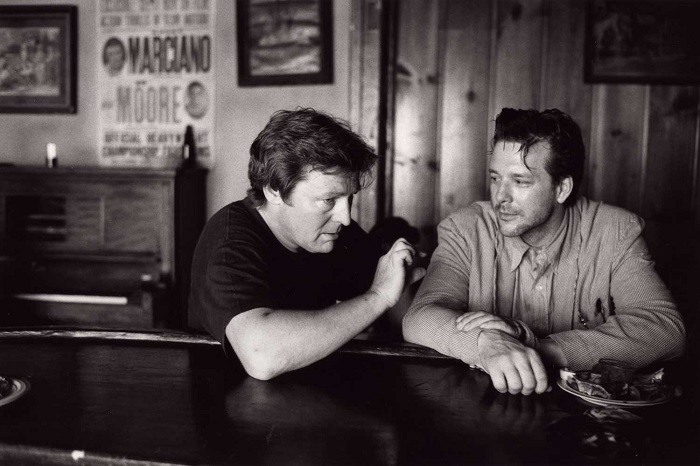
Boasting one of Mickey Rourke’s finest performances, and an overheated atmosphere so swampy and thick that sweat practically drips off the screen, this tale of Deep South voodoo, human sacrifice, deals with The Devil (Robert De Niro), and shocking, blood soaked sex is a near masterpiece of looming dread.
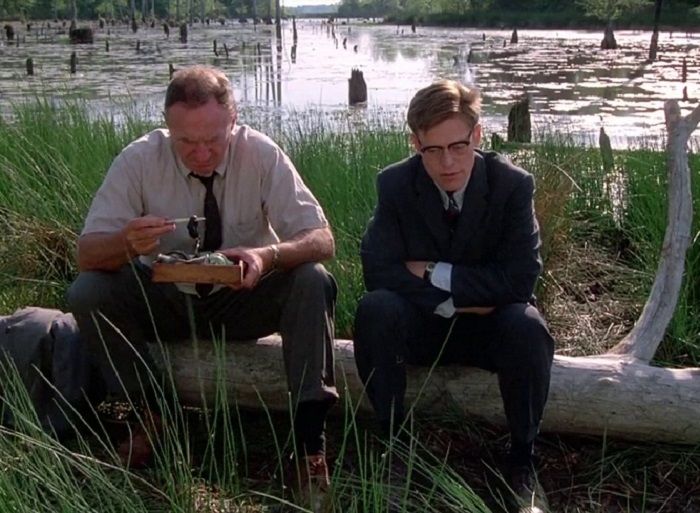
MISSISSIPPI BURNING (1988)
Though pilloried in some quarters (hello, Spike Lee!) for its lack of historical veracity, this politically minded thriller about the true life murder of three sixties civil rights campaigners in The Deep South and the subsequent FBI investigation is compelling from go to whoa, and features brilliant turns from Gene Hackman and Willem Dafoe.
