


by Reuben Stojanovic-Rowe
It’s not every day that a documentary has the pressure of being both entertaining and a public health warning. The directing duo Sarah Schenck and Steven Lawrence aren’t phased however, today standing proudly behind their finished work The Invisible Extinction.
“Audiences have loved the film on the festival circuit,” Steven states. Having played at the Copenhagen International Documentary Film Festival, the Bergen International Film Festival and won the Director’s Choice Award at the Illuminate Film Festival, The Invisible Extinction finally makes it to Aussie shores for the Melbourne Documentary Film Festival.
“We’re tremendously excited to get our film premiere here as Australia is one of the leaders in microbiome research.”
Steven and Sarah’s documentary chronicles the scientific research examining the widespread depletion in diversity of the human microbiome. Don’t be too concerned if you don’t know what that means, as Steven and Sarah are here to make you understand.
“We made a general interest film for those who don’t know what a microbiome is.”
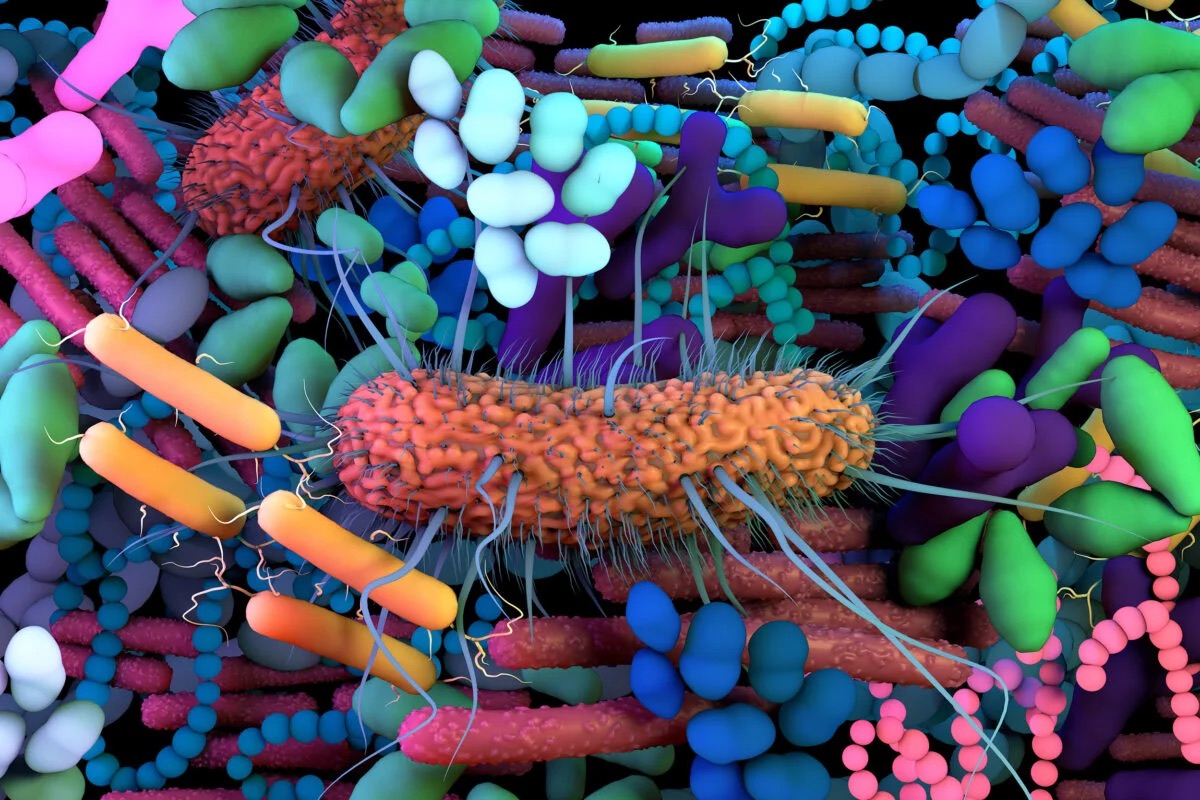
In layman’s terms, a microbiome is the collection of good/bad bacteria, viruses and parasites that live inside every human body. They are known as microbes and protect us from diseases, help develop our immune system and control our ability to digest food. However, the modern world has brought about unimaginable damage to our microbiome leading to a rise in diseases and allergies.
“There’s 3x the amount of people with food allergies in the United States compared to two decades ago. Why is this number increasing so fast?”
As a parent of two children with severe food allergies, Sarah went looking for the answers.
The documentary reveals possible factors that may be contributing to the problem, including the consumption of processed foods, elective C-sections and antibiotic overuse.
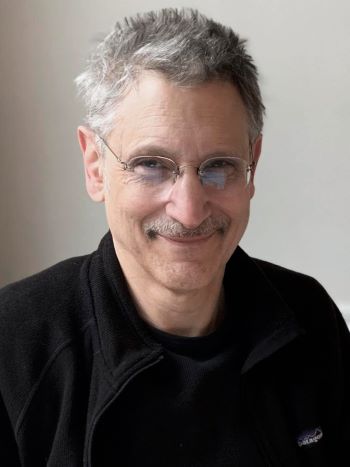 Steven admits, “There are still millions who don’t understand the impact of medically unnecessary antibiotics, especially in young children, and all the processed foods we’re exposed to, which are having a strain on our microbiome.”
When meeting each other at a dinner party nine years ago, Steven and Sarah both had personal stakes in the subject matter dealing with infections and allergies.
Sarah’s story started when her second child of three years old had an anaphylactic reaction to a sudden food allergy. A parent’s nightmare for sure, but the medical system’s response left an even bigger imprint on her. “When she was in the emergency room getting treatment, I asked the medical staff why the sudden violent reaction and they had no idea. It was a medical mystery. As a parent of two beloved kids, I found this to be a really unsatisfying answer and started researching.”
This was at the time when the first tests coming from the United States government funded ‘Human Microbiome Project’ were being released to improve an understanding of what healthy human microbes look like.
“In this information, there were early signs that misusing antibiotics, especially in the early signs of life, could mess with your microbes and knock your immune system out of whack. That really resonated with me because my younger kid had an ear infection and was taking two courses of antibiotics between having no food allergies and then having this really strong reaction.”
For Steven, it was a journey of understanding his own microbiology. “When I was making documentaries in Russia and Central Asia, I picked up a few parasitic infections and started to lose a lot of weight.” He was treated with antibiotics, which initially made him feel better, until the symptoms returned where it was assumed he still had the infection and they increased the rounds of “nuking the gut with antibiotics” to combat it.
“I progressively got sicker: auto-immune disease, food intolerance, allergies, lost so much weight. I figured something had happened to my immune system.” Doing research in libraries in a pre-Google world, he made the decision to stop taking antibiotics. While the damage had already been done to his microbiome, it was a crucial time in the development of microbiome research, and he became invested in the subject matter.
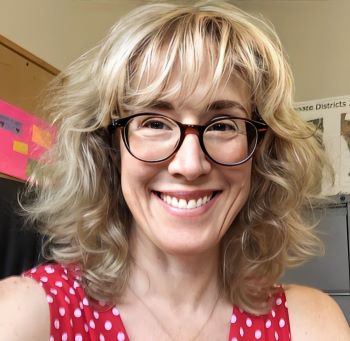 For Steven and Sarah, this film represents the wonderful efforts being made to tackle this research by microbiologists, endocrinologists, biologists and physicians. The film mainly follows two internationally-esteemed microbiologists Martin J. Blaser and Maria Gloria Dominguez-Bello.
“Marty and Gloria have a very high calibre of work and were really good communicators, wanting to share their research and insights in the microbiome,” Sarah shares. “We found ideal partners in terms of taking this emerging area of research and making it applicable to all of us. Everyone has a human body and hopefully people find useful and interesting information in this film.”
Living in New York City, Sarah came across Martin J. Blaser’s book Missing Microbes that was targeted to general audiences and translated into 20 languages. Sarah is quick to announce her impression upon meeting Blaser. “You realise, ‘this guy is ready for his close-up’. He’s really natural and able to put complex ideas into simple language.”
Sarah was lucky to not just receive the expertise of one celebrated microbiologist, but two of them. “He put me in touch with his wife who also turned out to be a microbiologist.”
Maria Gloria Dominguez-Bello proved to be a vital piece to the puzzle for the development of the documentary. While Blaser was studying the problem of the human microbiome being damaged, Dominguez-Bello was the one coming up with remedies to the problem.
For Sarah, “(Dominguez-Bello) has been a huge influence. She started the Microbiota Vault which preserves diverse microbes from populations all around the world.” This film is a thank you to their hard-work according to Steven.
“This film represents their mission in life, so the film is supporting the ongoing work that they were doing. This film is travelling the world with Marty and Gloria as they do their activism and scientific work and is a dedication to all microbiome researchers who are trying to push the field further.”
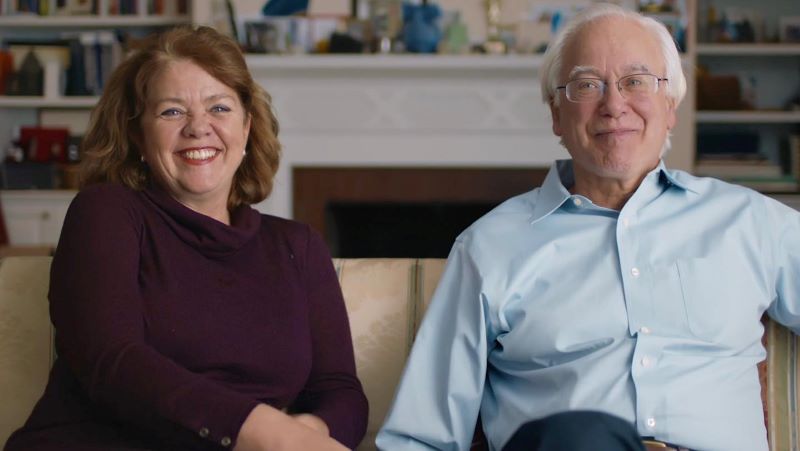
Though the film is full of hard scientific facts, both directors promise that the humanity and relatability of the subjects remain. “The scientists in this film are people who you get to know and relate to. And there’s this greater love of science and the human race. Because, why else are they doing this, knocking themselves out day-after-day?”
When Sarah and Steven first began the project in 2014, few people were aware of the research. But now, with promising results coming out, it’s the best time for this film to be released.
According to Sarah and Steven, The Invisible Extinction is “a wake-up call.”
“We really hope it starts a lot of conversation between patients and doctors on gut-health. This film is about the heroic efforts of scientists and researchers. As well as the patients and families participating in these clinical trials. We love showing the importance of this partnership.”
Steven does admit that it is hard time to sell an independent science documentary. “There’s a need for more for sure. It’s true, especially in the US, that there are not many TV-slots for science and health-related documentaries. The documentary slots are being narrowed to guaranteed successes like true crime, celebrity shows and sports.”
Despite this, it is a wonderful time for creative expression and getting your story across. He recommends that filmmakers definitely need to be their own advocates and look into all the new avenues of distribution. Something that has definitely worked in Sarah and Steven’s favour.
“We’re doing a lot of educational and video-on-demand which is going really well. Our US distributors have been able to set-up multiple screenings with schools, health organisations and universities. Which has been critical for us, and the responses have been amazing.”
“The film has been translated into so many different languages and it’s essentially available globally. Which is exactly what we were wanting,” Steven admits excitedly.
For Australian audiences, they can check out The Invisible Extinction at the Melbourne Documentary Film Festival and there is a future release on other platforms later this year. “It’s going to be released in Australia sometime later this year on SBS and SBS OnDemand, which will mean every Australian can get access to it.”
The Invisible Extinction is screening on July 27 at the Melbourne Documentary Film Festival
