


by Jamie Henry
Worth: $18.00
FilmInk rates movies out of $20 — the score indicates the amount we believe a ticket to the movie to be worth
Intro:
… nostalgic, hopeful and occasionally unsettling …
There is something wonderfully tactile about Super Nature. At a time when nature documentaries seem almost obsessed with capturing every feather, whisker and blade of grass in impossibly sharp detail, Ed Sayers has gone in almost the opposite direction. His debut feature is made entirely on Super 8, and what might initially seem like a limitation quickly becomes one of its greatest strengths.
Shot over five years by 40 collaborators across 25 countries and five continents, Super Nature is an unusually communal documentary. Sayers, whose long association with Super 8 includes founding the Straight 8 filmmaking competition, invited people around the world to film the natural world close to them. The result is less a traditional wildlife documentary than a collection of small, personal encounters that gradually form something much larger.
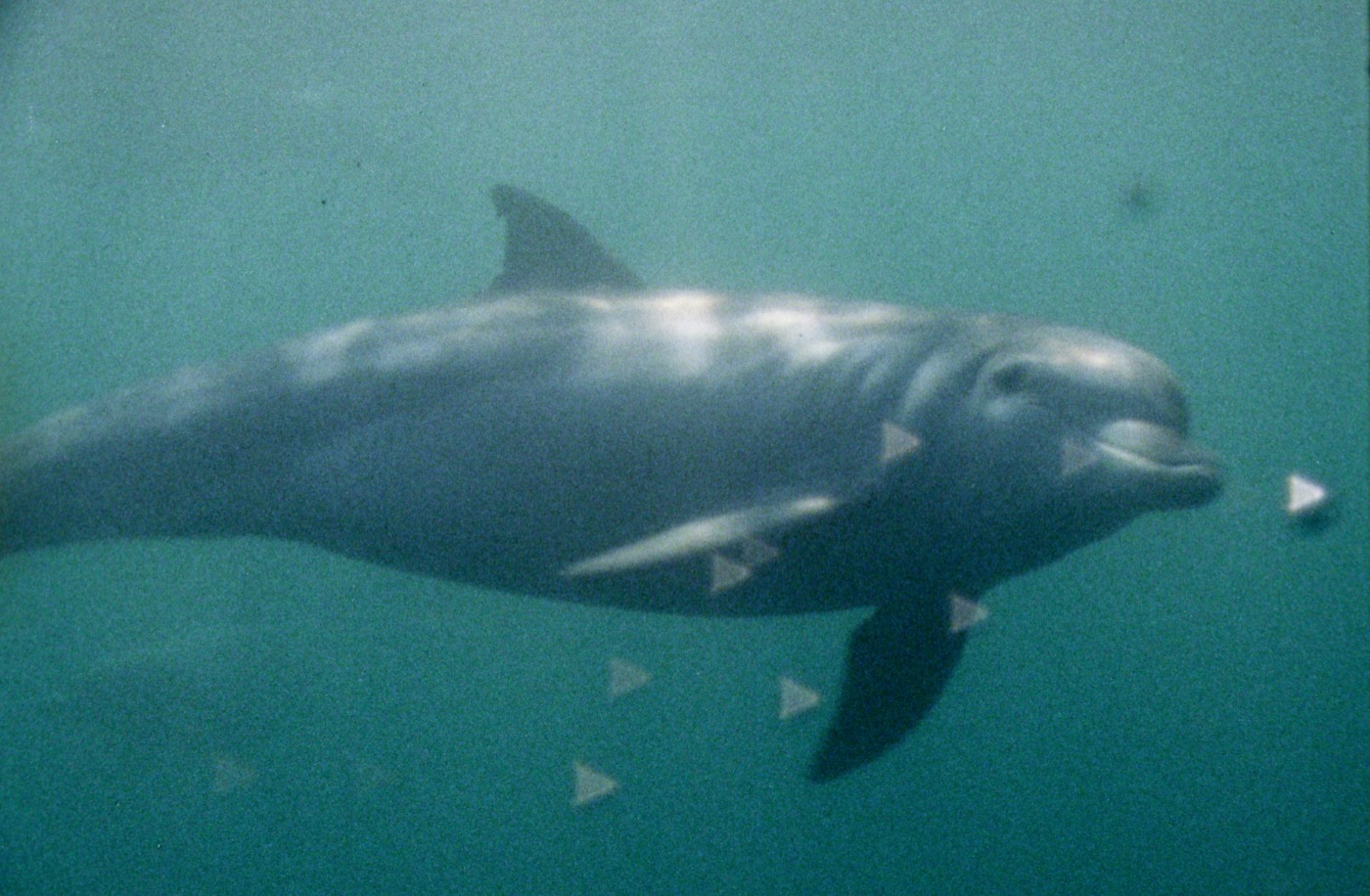
There are seals, whales, puffins, lions, monkeys, glaciers, weedy sea dragons and the last remaining northern white rhinos. But the film is rarely interested in the spectacular for its own sake. Instead, these images feel observed. They have the slight imperfections and unpredictability that come with shooting on film, and there is something disarmingly intimate about that.
Super 8 has an immediate association with home movies and memories, and Sayers understands that instinctively. The grain, colour and flickering images make the natural world feel strangely familiar, even when we are watching places and creatures most of us will never encounter. It is beautiful without feeling overly polished.
The format also changes the way we look. A roll of Super 8 only provides a limited amount of footage, meaning there is a degree of commitment every time the camera starts rolling. There is no instant playback and no opportunity to endlessly accumulate footage. Sayers argues that this encourages a different kind of attention, and the film makes a convincing case. Its images often feel as though someone has genuinely stopped to watch something rather than simply recorded it.
That sense of personal connection is strengthened by the contributors themselves. Their voices accompany the footage, explaining what they have filmed and why it matters to them. Australian contributors including Oliver Birt, Caitlin Henderson and Fraser Johnston are part of this global collection, alongside biologists, conservationists, environmental activists and Super 8 enthusiasts.
There is, inevitably, a darker side to what is captured. The beauty is repeatedly placed alongside the realities of a changing planet: retreating glaciers, endangered species, damaged habitats and the consequences of human activity. The film never allows its gorgeous images to become entirely comfortable.
At times, the accumulation of these stories can feel slightly relentless. One beautiful sequence is followed by another, and then another reminder of what is disappearing. But there is a reason for that repetition. Super Nature is not simply asking us to admire the world; it is asking us to recognise what we stand to lose.
The involvement of Asif Kapadia as executive producer perhaps gives some indication of the film’s ambitions, but it is Sayers’ affection for the format that ultimately defines it. There is no attempt to compete with the technical spectacle of modern wildlife filmmaking. Instead, Super Nature finds beauty in the imperfections of the image and in the simple act of looking.
Ultimately, this feels like a nature documentary made from memories that have not happened yet. Super 8 traditionally records the moments we want to remember; here, Sayers uses it to document a world that may not always look the same. It is nostalgic, hopeful and occasionally unsettling, but above all, it is a reminder that sometimes the best reason to film something is simply because you stopped long enough to notice it.
