


by Helen Barlow at the Venice Film Festival
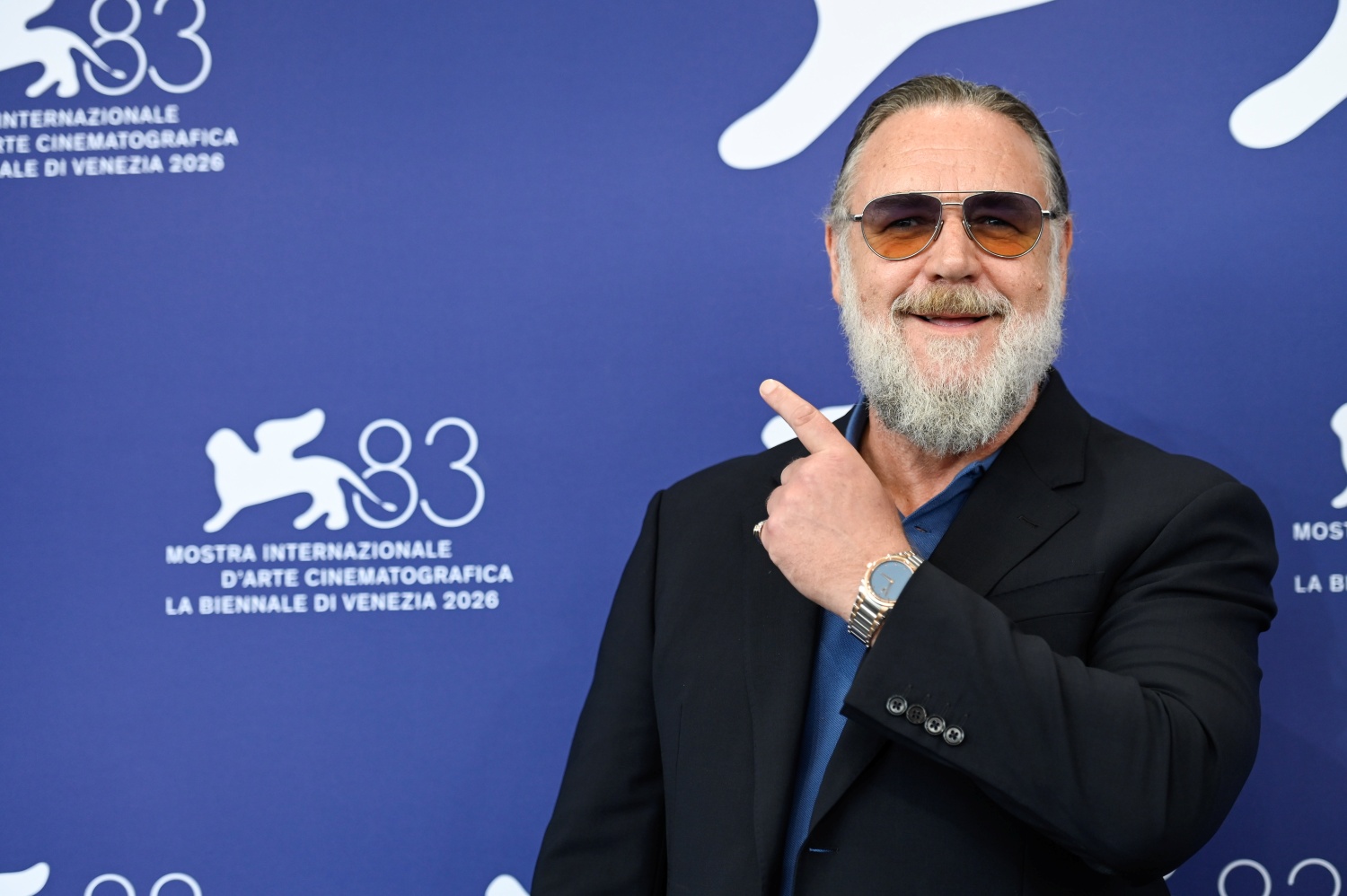
Australians were out in force at the 83rd Venice Film Festival. But who would have thought that Russell Crowe’s directing effort, What Love Builds, would be so good. The New Zealand-born Australian Hollywood star has traced his life as a musician and the movie shows that his musical talents are considerable. Yes, his music, which is sometimes lambasted — and he hilariously does not shy away from past criticisms in the film — is actually good. The film screened at the end of the festival as Crowe said that was the only time he was available, given his heavy filming schedule. He notes how he started with music in his youth in New Zealand (Russ Le Roq!) before films came along and he has continued with it throughout his career. Playing music gives him a sense of freedom that film doesn’t allow.
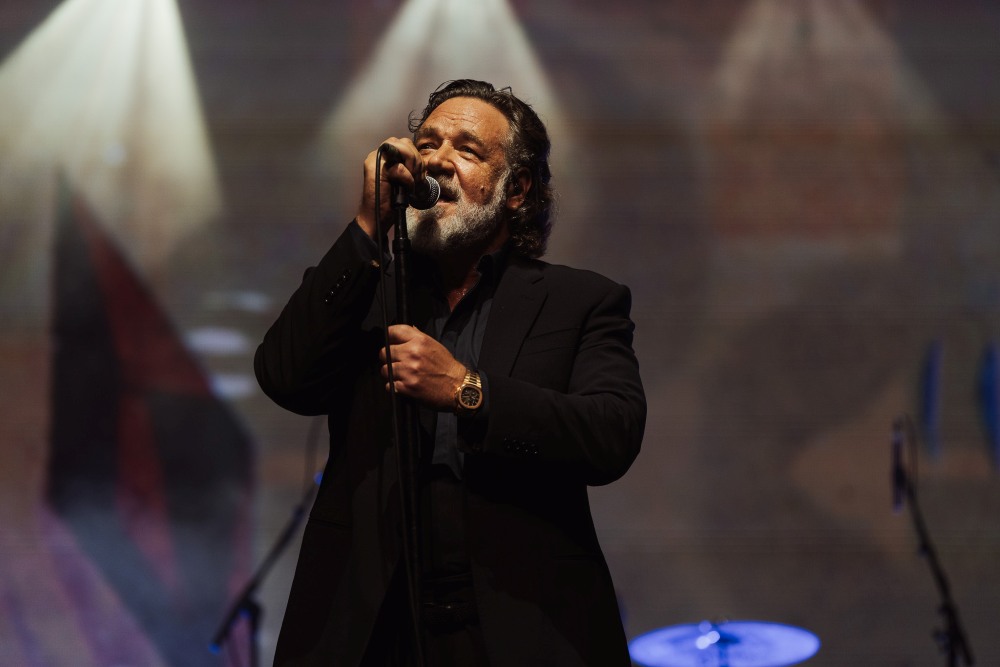
Padraic McKinley, Crowe’s director on The Weight, worked as an editor on What Love Builds. He collaborated with Crowe to sift through 15 years of footage, photos, and concert tapes to help shape the final project.
Crowe’s fluid music collective Indoor Garden Party, who feature in the film, will embark on a major European tour starting in May 2027, featuring performances with Crowe and his band, The Gentlemen Barbers.
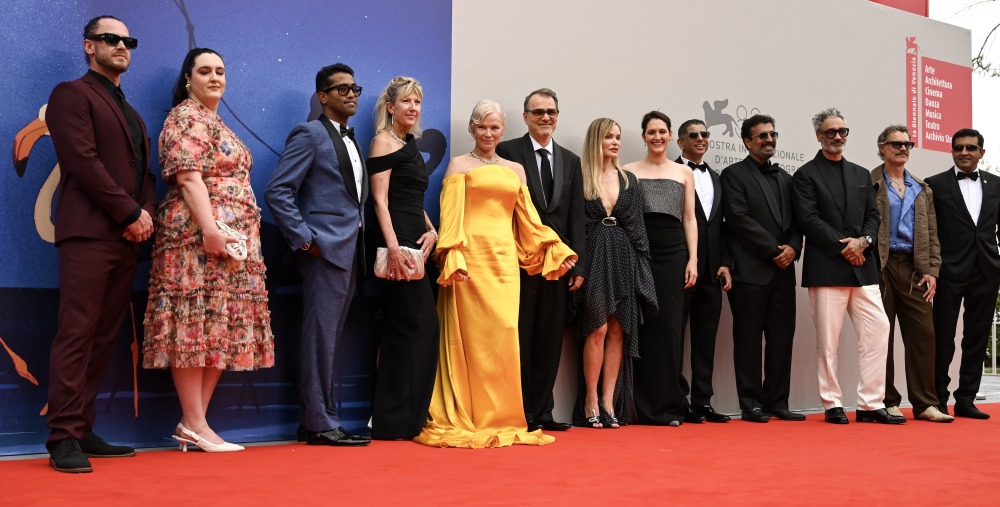
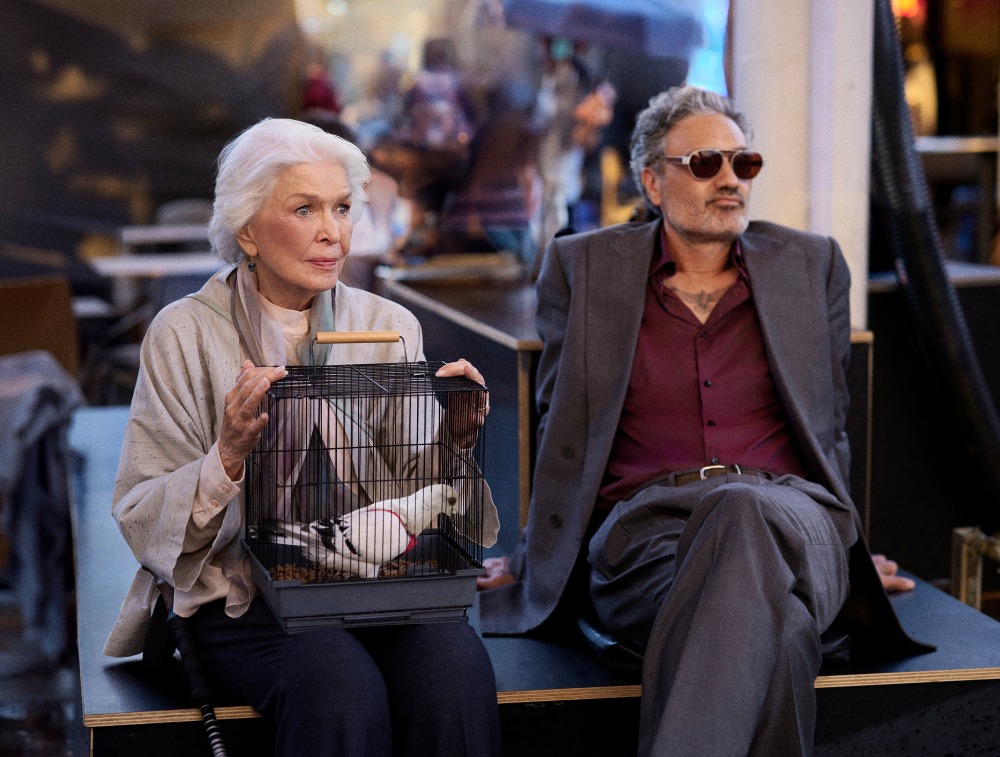
Kornel Mundruczo’s Australia-US film Place to Be, shot in Sydney and Port Kembla, proved to be a gem and employs a lot of humour between its leads Ellen Burstyn and Taika Waititi. Burstyn’s Brooke is not taking notice of her kids (Pamela Anderson and Murray Bartlett) who think she should be in an old folks’ home when she embarks on an adventure involving a pigeon with Waititi’s madcap Nelson. Burstyn, still sprightly at 93 and a Venice honoree for her lifetime achievement, has been receiving raves for her luminous performance.
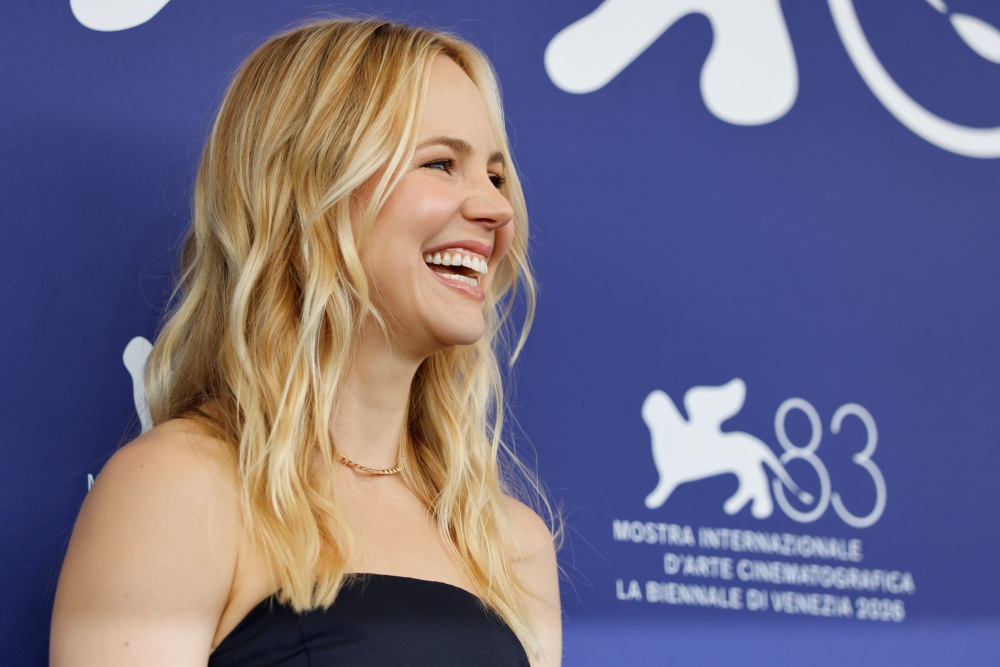
Ben Mendelsohn had been in Venice but had to leave for Australia before the premiere of Casey Affleck’s anthology mystery Company, as his father became ill. Mendelsohn’s role as a gruff neighbour in the early 1900s is indelible but small. Adelaide Clemens is more prominent in the film and impresses as a woman who forms a bond with a young man, Caleb, played by Atticus Affleck, son of Casey, who had never acted before and is remarkable as the film’s lead. Casey’s eldest son Indiana has a smaller role, while his brother Ben, a producer on the film, turned up for the Venice premiere.
Guy Pearce delivers a surprisingly restrained portrayal as Rupert Murdoch in Danny Boyle’s Ink, which charts the rise of notorious The Sun newspaper editor Larry Lamb during the late 1960s and 1970s. Pearce essentially plays second fiddle to Jack O’Connell’s Sun editor, who Screen Daily calls “a charming devil” in the film.
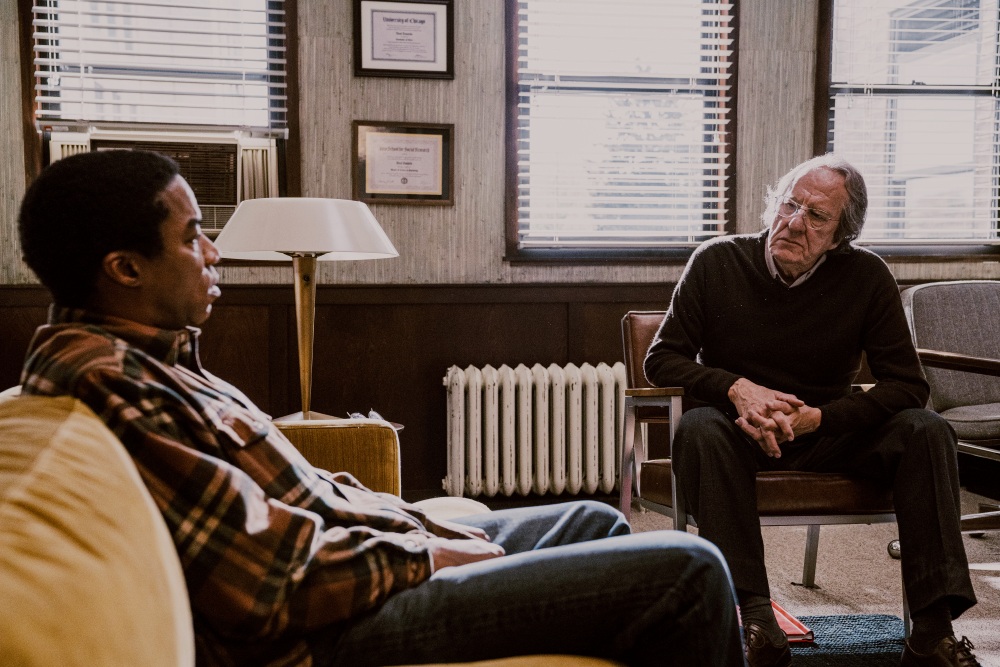
Geoffrey Rush was in Venice in person and on screen in Mr. Nelson, Did You Kill People?, a harrowing Vietnam War drama beautifully directed by Shinya Tsukamoto. It’s inspired by the life of Allen Nelson, an American vet who suffered from PTSD and became an anti-war activist. Rush plays the empathetic doctor who treats Nelson, deftly portrayed by US theatre actor Rodney Hicks.
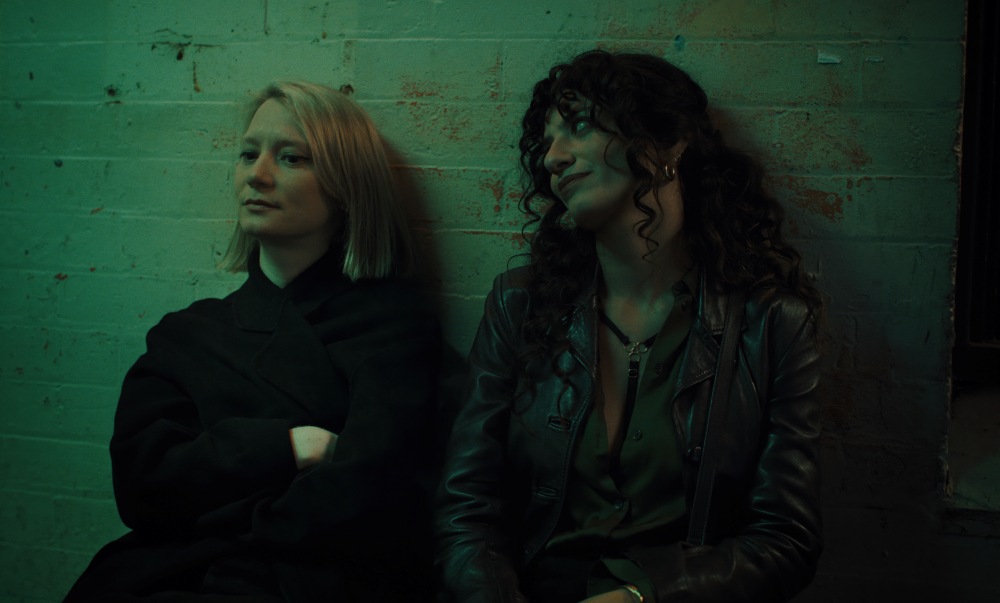
For the Australian film Agata the Writer, first-time director Kuba Dorabialski and actress Mia Wasikowska received strong reviews in Venice, with Variety commending the film’s “sly, thought-provoking look at artistic ethics and storytelling responsibility”. Wasikowska plays a Polish-Australian novelist known for her comic writing, who travels from Sydney to Sarajevo to research and write a serious novel about the Bosnian War. Though once there, she is challenged regarding her lack of experience in the history.
While the Australians missed out in the awards, none was more deserving than John Malkovich who won the Volpi Cup for best actor for Martin McDonagh’s fabulous black comedy Wild Horse Nine. Malkovich, 72, has never won an Oscar and is now the favourite for his funny poignant turn as a terminally ill CIA agent who just before the Chilean Coup, travels to Rapa Nui on assignment with his CIA partner (Sam Rockwell) with the idea of ending his life there.
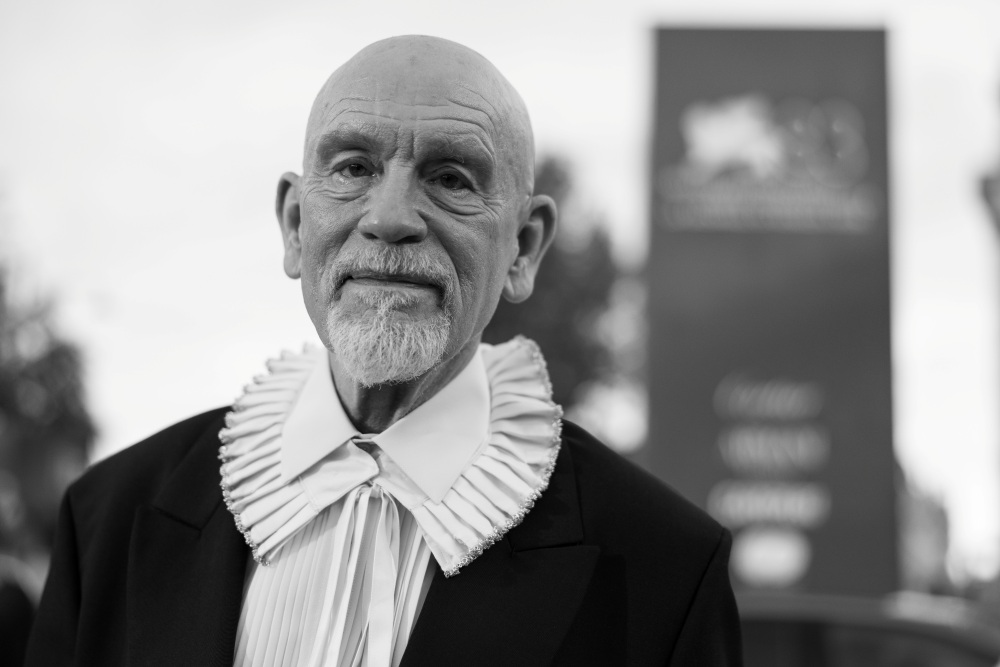
Jury member, Hong Kong filmmaker Johnnie To, conceded that Malkovich’s award had been a unanimous decision. To award the best actress prize to Mathilde Arcel, who plays her first lead in the Danish drama Woman Unknown had also been unanimous. In order to give a second award to May el-Toukhy’s film, which won the top prize the Golden Lion, all jury members had to agree and that was the case. Many critics agreed that the film, about a woman trying to hide her prior relationship with a Nazi once World War Two ended, deserved the prizes.
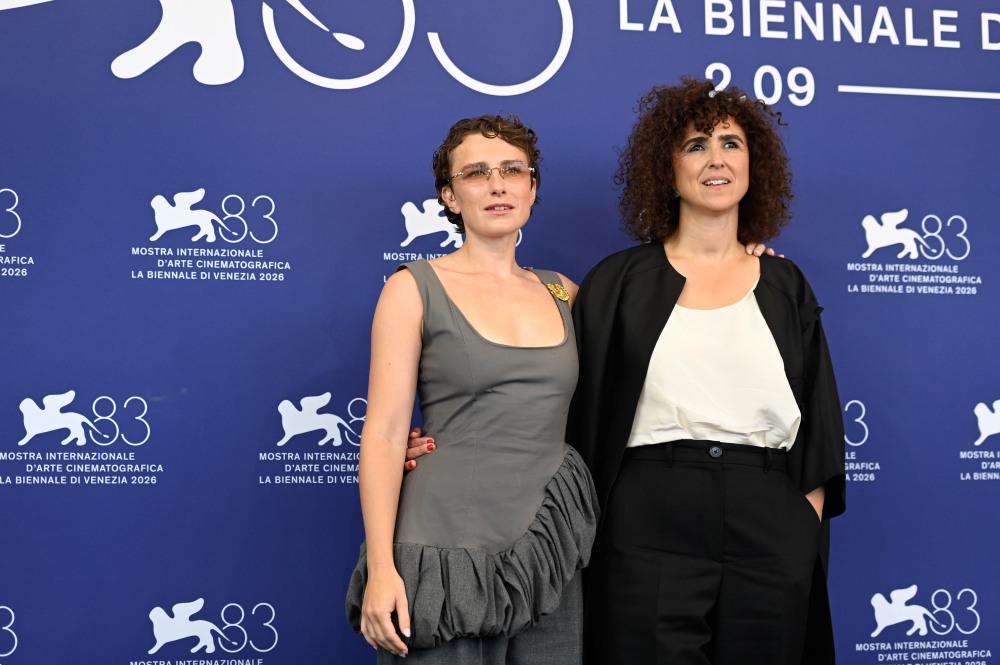
At the awards press conference, jury head Maggie Gyllenhaal said the film earned its win on merit alone, when at the start of the festival she had criticised the lack of women filmmakers in the competition lineup—there were two out of 21 films – calling it a systemic problem rooted in unequal access to financing.
Interestingly, this year marked the fourth time in seven years that a woman director had won the Golden Lion. The second woman director in competition was Rachel Szor, who co-directed the controversial NAZA, with fellow Israeli filmmaker Yuval Abraham. Both had worked on the 2025 best documentary Oscar winner No Other Land, together with two Palestinian activists. NAZA, their chilling documentary about civilians killed by the Israeli army in Gaza received the Special Jury Prize.
