



by Simon Becker
I’ve watched hundreds of films with casino scenes, and every single one gets it wrong in ways that bothered me until I spent time playing at places like Winthrone casino and realised how massive the gap really is.
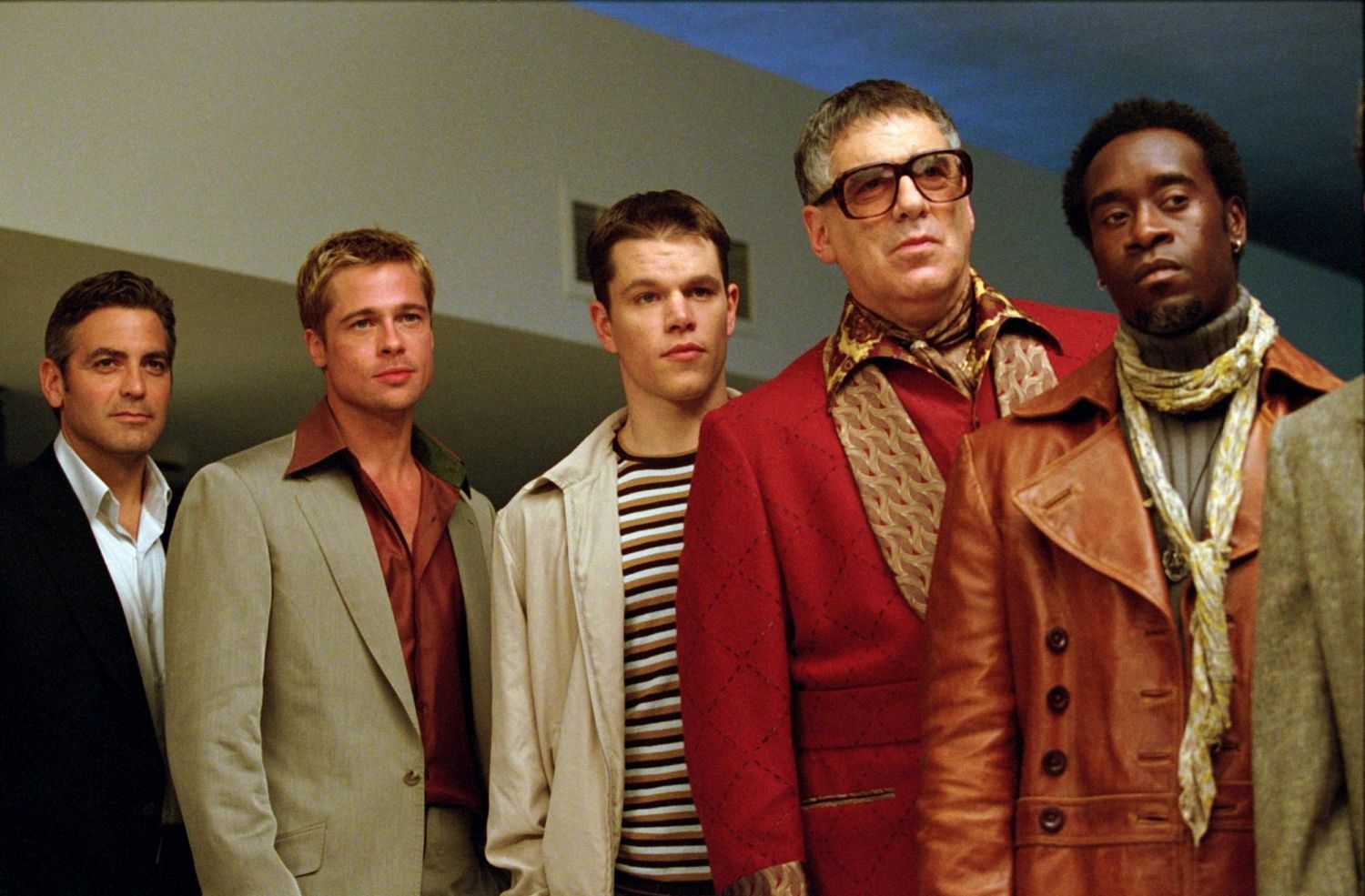
You’ve seen these moments. Bond drops one bet and walks away with millions. Ocean’s Eleven treats casinos like puzzle boxes waiting for smart people to solve them. Casino Royale‘s poker scene felt more like watching telepaths play interdimensional chess than anything I’ve experienced at an actual table.
The Stuff They Refuse To Film
What bugs me most is the selectivity. Directors spend $700,000 on lighting that makes roulette wheels look like religious artifacts. They’ll dress extras in designer clothes and choreograph dealers like ballet dancers. But they won’t show some regular guy from Adelaide playing blackjack on his phone at 11:47pm because his insomnia’s acting up and he’s got $65 he doesn’t mind potentially losing for entertainment.
Nobody wants to see someone cash out $140 after starting with $50 and genuinely feeling good about that decision.
Real gambling is boring by Hollywood standards. A friend who does editing work told me test audiences rate realistic gambling scenes as “too slow” or “confusing,” which means screenwriters juice everything up with impossible probability, rigged games that conveniently malfunction in the protagonist’s favour, and security systems apparently defeated by attractive people wearing matching blazers.
What Gaming Looks Like For Actual Humans
Actual casino play—especially online—is incredibly mundane in ways that would never survive a script meeting. You decide on a number beforehand. Maybe $60. Maybe $120 if you got paid that week. You pick games that don’t require a mathematics degree. You play for maybe an hour, possibly two if you’re really into it.
Sometimes you win. Most times you lose a bit, shrug, close the tab and watch YouTube videos about woodworking techniques you’ll never actually use.
That doesn’t make compelling cinema. But it’s truthful in ways I’ve started valuing more.
Australian films do marginally better. I watched some indie film where a character sat at pokies in a pub for this stripped-down scene with zero dramatic music and no life-altering jackpot. Just someone burning time and hoping for $30 for groceries. They lost. That three-minute scene felt like something I’d actually witnessed, not some fantasy designed to spike my heart rate.
The Digital Reality Films Pretend Doesn’t Exist
Movies act like online platforms haven’t been invented, which is baffling given that’s where most gambling actually happens for people under 60. When’s the last time you saw a protagonist sitting on their couch in pajama pants with a tablet?
Never, right?
Because it looks uncool. But that’s the reality for probably 80% of people who gamble regularly—no tuxedo required, no flight to Monte Carlo, just tracksuit bottoms and leftover pizza at 2:37pm on Sunday. You’ve got better chances of understanding payout percentages because everything’s displayed on your screen instead of hidden behind some dealer’s hands moving at speeds designed to confuse you.
I’m not saying screenwriters should turn casino scenes into educational content. But maybe just once a character could mention withdrawal processing times or actually read terms attached to a bonus offer or set a timer so they don’t accidentally play for five hours.
Just once I’d love to see someone treat gambling like what it actually is for most people—occasional entertainment with predetermined limits attached. Not an elaborate heist. Not poker where nuclear codes are at stake. Just a normal thing normal people sometimes do when they’ve got $45 and forty minutes before dinner.
But I’m probably expecting too much from an industry that believes hackers type faster under pressure.
