

by Carissa Turner
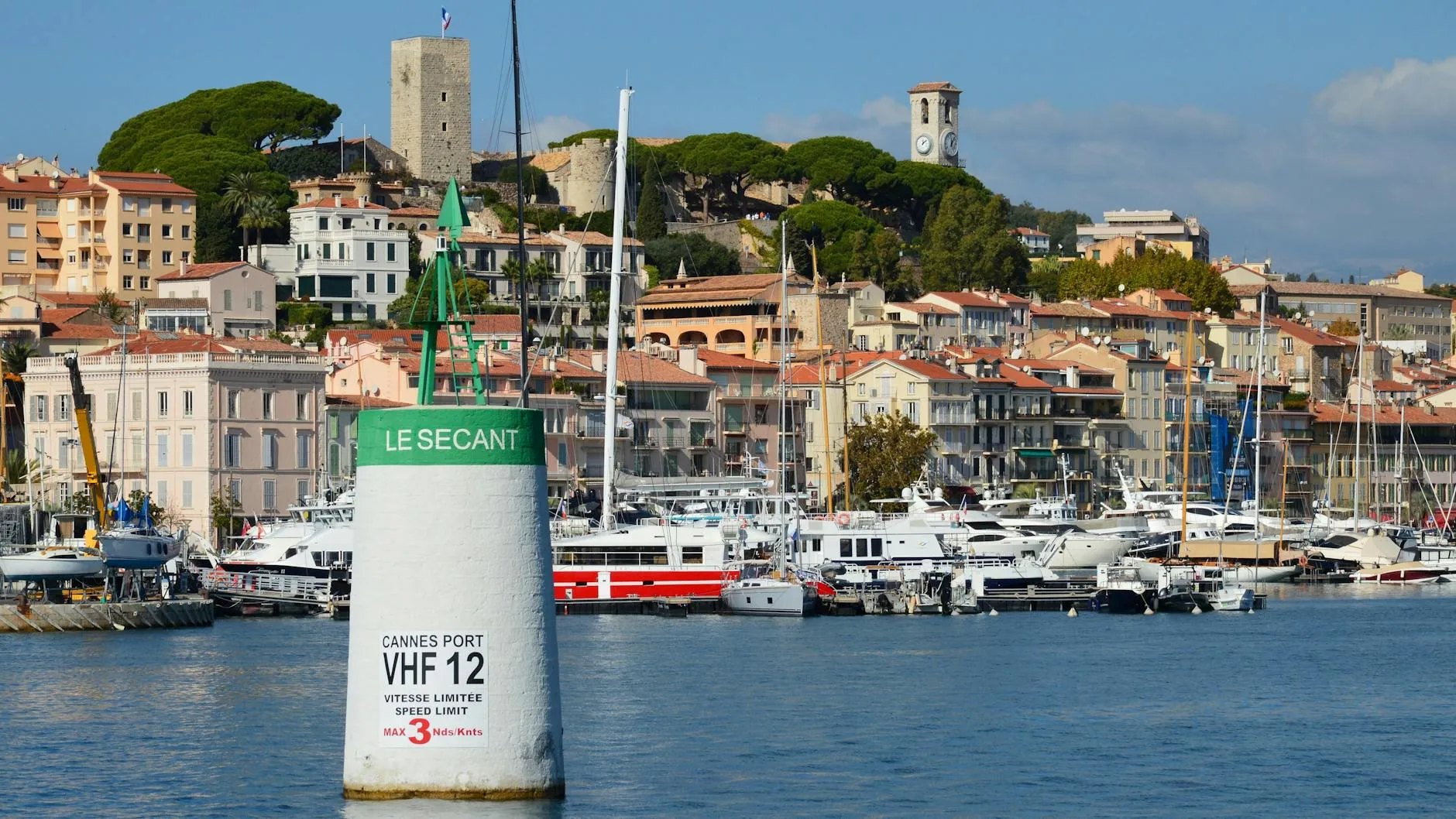
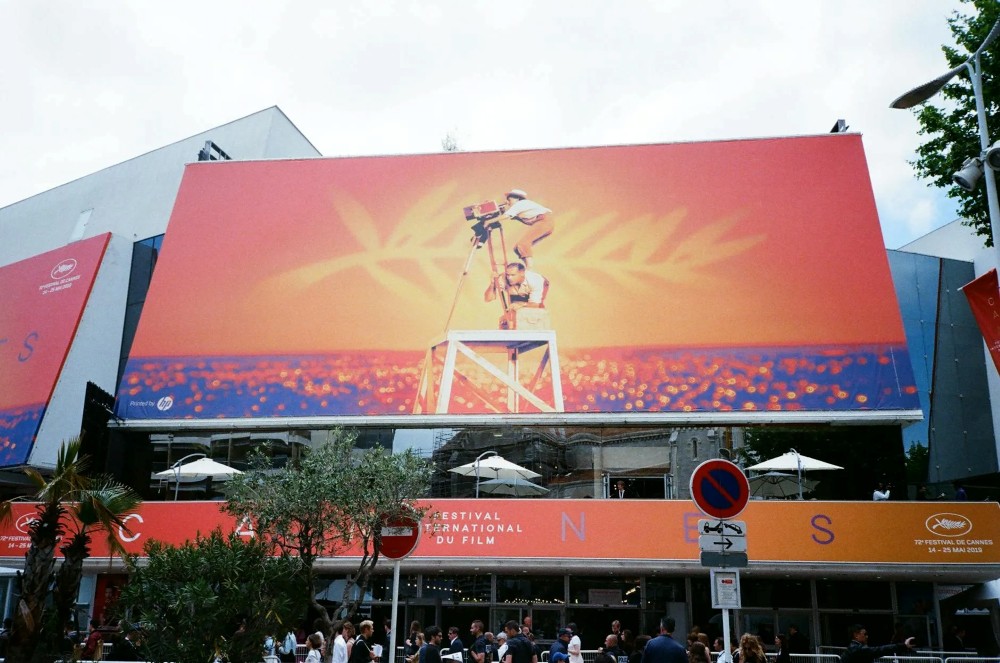
The Croisette at six in the morning is the only time Cannes makes sense. The festival hasn’t woken up, the gulls have taken back the Boulevard, and the cleaners are hosing down the carpet outside the Palais like it’s any other Tuesday. By eight it will be unrecognisable. By eleven you will be standing in your second queue of the day, sweating into a rented dinner jacket, trying to remember whether your distributor meeting is at the Australian Pavilion or the British one, which sit next to each other and look almost identical from twenty metres out.
This is the diary I wish someone had handed me before my first trip. I’ve been three times now. Twice with films in the slate, once just to take meetings. None of it is what AFTRS prepares you for, and none of it shows up in the festival-news cycle. The actual machinery is logistical: beds, badges, taxis, calls home at midnight Sydney time, the constant negotiation with the schedule. The art is real. The art is also two hours out of every fourteen.
Key takeaways before you board
- Plan ten days. Five is for press; ten is for filmmakers. Anything shorter and you’ll miss your own market screenings.
- Three hotels is normal. Marché lodgings book in staggered windows, so most working filmmakers end up shifting accommodation mid-festival. Pack to move twice.
- Budget around AUD $8,500 excluding flights. That covers a middle-rung hotel stack, one rented tux, four sit-down meals and a working data plan. The Australian Pavilion bar is cheaper than every alternative.
- The badge colour decides your week. White is the dream, pink-with-dot is the working reality, yellow is the warning sign. Apply early.
- Get one mobile data plan loaded before you fly. Distributor calls cluster at the worst possible moments — usually mid-screening — and Australian roaming charges will end you.
Why a diary, not a guide
There are guides. Screen International and Variety publish them every May. They’re useful for the schedule grid and the screening map; less useful for the parts of a Cannes trip that actually break you. The ten days bend reality. You sleep at two, you wake at six, you walk eighteen kilometres a day in shoes that weren’t built for cobblestone, and the meetings — the real meetings, the ones that pay for the next film — happen on terraces between two o’clock and four, when nobody is looking. A diary captures that. A guide can’t.
I’ve written this one in the present tense because that’s how Cannes feels even after the fact: a long, hot present that the editing only catches up to in July.
Day one to two: arrival, badge pick-up, the Australian Pavilion
Nice airport into a Cannes shuttle is the cheap option (€22) and the right one. The TGV from Paris is romantic and a waste of half a day if you’re working. By the time you’re in your first hotel (mine, the trip we’re recounting here, was a small place on Rue Pasteur a fifteen-minute walk from the Palais), it’s late afternoon and the only useful move is the Australian Pavilion.
Find it on the Village International stretch of the beachfront, between the British and the German pavilions. Screen Australia, Ausfilm and the state agencies share the space. Pick up your tote, scan the daily-events board, and introduce yourself to whoever’s behind the bar. The staff change but the institutional memory is real, and the people who actually decide which Australian films get pushed in the market are usually drinking coffee on the terrace at four.
Badge pick-up is at the Palais des Festivals, lower level, on the western side. The queue is shortest before nine in the morning. Bring your accreditation email and your passport. The processing takes about fifteen minutes if the system is up and ninety if it isn’t.
Day three to five: Marché meetings, the first hotel shuffle
The Marché du Film is the business engine of Cannes. The selection is the marquee — Cannes Classics, Quinzaine, Un Certain Regard, the Palme race — but the Marché is where most Australian features close their international deals. Stalls open from the third day and run for six. The Australian Pavilion publishes a list of the international distributors on the ground; the smart move is to email three weeks ahead and lock terrace meetings before you fly.
I had four meetings on day three, six on day four, and a single one on day five that ran ninety minutes, the only one that mattered. That’s the rhythm. You take everything and one in ten goes somewhere.
Hotel one ran out on day four. The Marché bookings work on staggered windows and the Pasteur hotel had a long-standing reservation for an Italian distribution team I wasn’t going to outbid. Hotel two was further out, a small place on Avenue Marechal Juin: twenty minutes on foot, a bit knackered for the price, but the kettle worked and the wifi held up. Pack a soft bag. Wheelies on the Cannes back streets are a special kind of misery.
Day six to seven: market screenings and the side-festival circuit
If your film is in the Marché slate, your market screening is the central event of your week. Mine was at the Olympia 3 at eleven in the morning on day six, the worst slot, statistically speaking, because the European buyers haven’t had their second coffee and the Americans haven’t woken up. You take what you’re given.
We had forty-two people in the room. The festival average for a Marché screening is twenty-eight. I was gobsmacked. Two of them turned into the meeting that paid for the trip.
Side-festival circuit on day seven means Quinzaine des Cinéastes (formerly Directors’ Fortnight, still the best programme in town) and the Critics’ Week shorts. The ACID showcase out at the Théâtre Croisette runs in parallel and is worth the walk. Tickets release at seven in the morning the day before; if you’re not refreshing the portal at 06:55 with a strong connection, you’re not getting in.
Staying online across France
This is the section I would have killed for on my first trip. The Wi-Fi inside the Palais is gated, throttled, and unreliable during peak market hours; the pavilion Wi-Fi is fine for email but not for a Zoom call; and your hotel connection has, in my experience across three trips, dropped at the exact moment a distributor in Los Angeles wants a face-to-face.
What actually works on the Croisette and out into the Var
Cannes itself runs strong 4G on every French network, with patchy 5G that depends entirely on which side of the Vieux Port you’re standing on. The pain begins the second you leave town: the Cap d’Antibes party villas, the production-company retreats in Mougins, the Lerins Islands ferry. That’s where coverage gets carrier-specific.
For Cannes, Antibes, Mougins and the Var coastline, Orange France has the densest network and the most consistent indoor coverage inside the Palais lower levels; Bouygues Telecom and SFR are usable in town but degrade quickly on the inland drive. Iliad has caught up materially in the past two years but still drops in the smaller commune zones. I had the HelloRoam plan for France loaded for the 2024 trip; it routed through Orange France, which mattered on the Cap d’Antibes party night because the Boulevard JF Kennedy stretch is the one place around Cannes where Bouygues fully drops and a distributor was trying to call from L.A. at one in the morning.
| Region / Route | Local carrier on the eSIM | Signal quality | Notes |
|---|---|---|---|
| Croisette & Palais lower level | Orange France | Strong 4G, intermittent 5G | Indoor coverage holds for calls |
| Vieux Port & Marché stalls | Orange France | Strong 4G | Reliable for buyer messaging |
| Cap d’Antibes (Boulevard JFK) | Orange France | Usable 4G | Bouygues and SFR drop entirely |
| Mougins (production villas inland) | Orange France | Patchy 4G | One bar in the Old Village |
| Lerins Islands ferry (Sainte-Marguerite) | Orange France | Drops mid-crossing | Pre-load any docs |
| Nice airport & TGV corridor | Orange France | Strong 4G/5G | Useful for arrival day calls |
What I’d do differently
Get the plan running on the Sydney-to-Singapore leg, not on landing. Cannes immigration is a thirty-minute queue at Nice on a festival weekend, and the first thing you’ll want to do at the carousel is call your producer in Australia, where it’s already the next day.
Day eight to nine: the premiere, the second hotel shuffle
Day eight is the one you remember. Tuxedo from a small place on Rue d’Antibes (€180 for the festival, returned dry-cleaned), the long walk down the red carpet that nobody warns you is uphill, and ninety minutes inside the Grand Théâtre Lumière watching your film with two thousand strangers. The third scene got a laugh I hadn’t expected. The seventh got a silence I had.
Hotel two ran out on day nine. The third place was further out again, in Le Cannet, a twelve-minute Uber from the Palais and worth every euro for the air conditioning. Three hotels is the working filmmaker’s reality at Cannes. Five is not unheard of for a long stay.
Day ten: closing-night logistics, the trip home
The closing-night ceremony is on the second-last day, not the last; the last day is for sleep, packing and the early Nice flight. Most working filmmakers skip the ceremony unless they’re in contention. The Palme winners do their press at midnight and the rest of us catch up over breakfast at the Pavilion.
Nice to Sydney is two hops minimum (Singapore or Dubai) and the only good news is that you’ll sleep through both. I’ve never made it past Sydney customs without falling asleep in the cab.
A short verdict, before the FAQ
Cannes is not the festival you go to as a tourist. It is the festival you go to as a worker, and the work is brutal and the work is the only reason to be there. The films are the byproduct. The deals are the point.
Australian filmmakers should be at Cannes more than we are. The Pavilion is good. The Screen Australia delegation knows what they’re doing. And the international distributors are, on the whole, more open to Australian work than the local box office would suggest.
FAQ
How long should an Australian filmmaker stay at Cannes? Ten days is the working answer. Five is enough for press-only attendance, but the Marché schedule, the market screenings and the side-festival programmes don’t all fit inside a shorter trip. If you have a film in the slate, plan eleven.
Where do filmmakers stay during Cannes? Most working filmmakers end up rotating between two and three hotels across the ten days, because Marché-window bookings stack on top of pre-existing distributor reservations. Areas to target: Rue Pasteur and the streets behind the Croisette for proximity, Le Cannet for value and air-conditioning, Avenue Marechal Juin for mid-range walk-in distance.
What does a Cannes trip actually cost an Australian filmmaker? Excluding flights, budget around AUD $8,500 for ten days. That covers a three-hotel stack at mid-range rates, a rented tuxedo, four sit-down meals, daily coffee-and-pastry pavilion food, taxis after midnight when the cobblestones beat your shoes, and one Cap d’Antibes party Uber. Screen Australia delegate packages can offset a chunk if you’re accredited through them.
Is the Australian Pavilion worth the time? Yes — and not for the events. The pavilion is where the people who decide which Australian films get international slate visibility happen to be drinking coffee between three and five every afternoon. Sit there. Be patient. Don’t pitch on day one.
Best mobile carrier for the Cannes Film Festival? For Cannes and the Var coastline, Orange France has the deepest indoor and inland coverage; Bouygues and SFR are usable in town but degrade past Cap d’Antibes. A travel eSIM loaded with French coverage before you fly removes the worst of the queue-time and roaming pain. The Palais Wi-Fi will not save you when the distributor calls.
Sources: Festival de Cannes accreditation portal; Screen Australia Cannes briefing notes 2024; Marché du Film exhibitor handbook 2024 & 2025; carrier coverage maps published by Orange France, Bouygues Telecom and SFR; field-tested by the author across three festival editions, May 2023, May 2024 and May 2025.
Main photo: SlimMars 13 via Pexels
