


by David Mead
Australia has long been treated as a backdrop in global cinema — vast, dramatic, often untamed — but to travel through it is to realise the country doesn’t just host stories. It performs them.
You notice it in small ways. An empty highway that seems to go on forever. A pub in the middle of nowhere that feels like it’s seen a hundred lives pass through. Long stretches of silence that feel heavier than conversation. Nothing feels rushed or accidental, like each place has been waiting patiently to be noticed.
In the cities, the light does most of the work. It cuts through glass and concrete, briefly turning ordinary streets into something cinematic before the sun drops and the shadows stretch out. There’s no need for dramatic effects — the timing is already right.
A Landscape Built for the Long Take
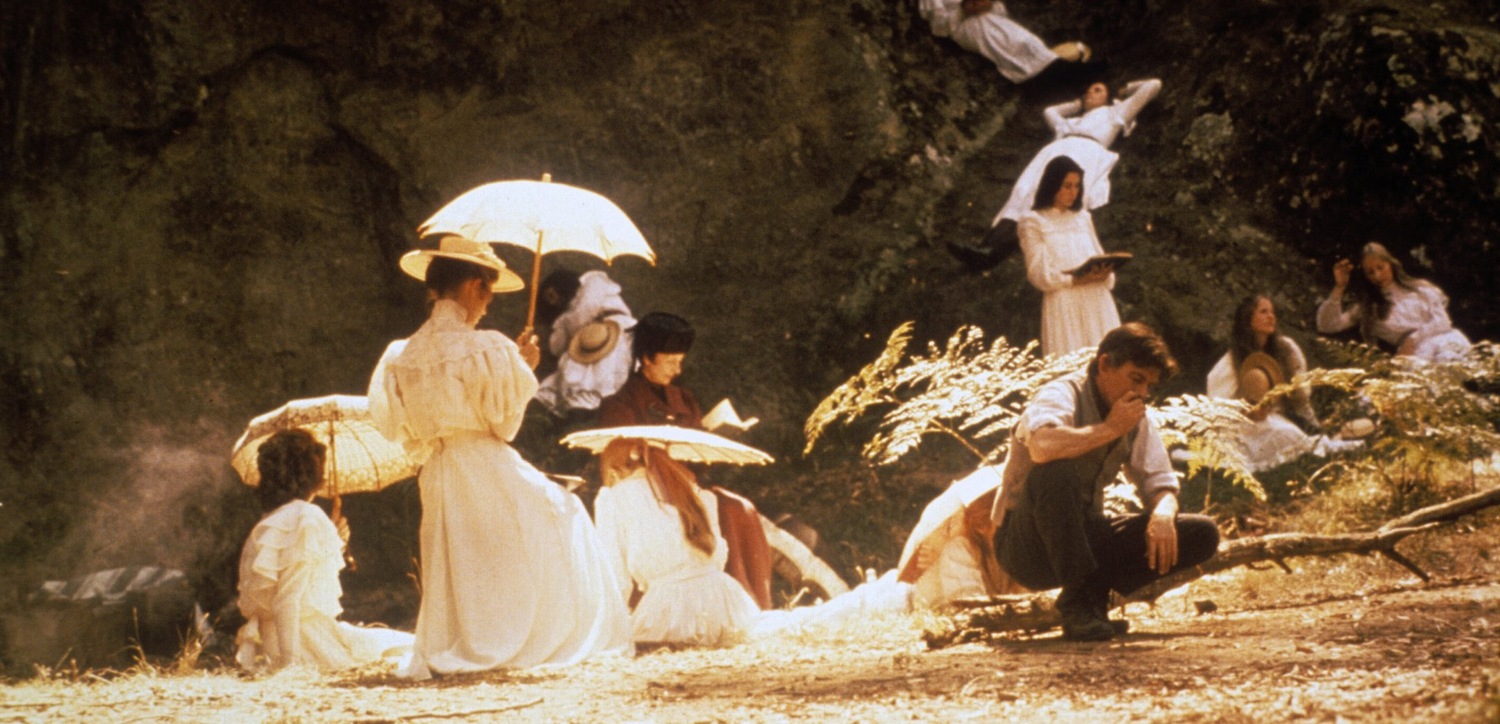
Australian films have never been in a hurry, and the country itself feels the same way. Movies like Wake in Fright or Picnic at Hanging Rock don’t rush to explain what they’re doing. They let things sit. They repeat moments. They trust silence.
Travelling here works like that too. Distances are long. Roads stretch on without much happening. At first, it can feel strange — like you’re waiting for something. Then you realise that this is the experience. The drive stops being about where you’re going and starts being about everything in between.
Australia rewards patience. The longer you stay somewhere — or even just stay still — the more it gives back.
Cities That Know Their Angles
Each Australian city feels like it’s playing a different kind of film. Sydney knows how to put on a show. The harbour never gets old, no matter how many times you see it. Melbourne is all about detail — alleyways, shadows, small moments you only notice if you slow down. Brisbane and Perth move at their own pace, shaped by space, heat, and light.
What’s interesting is how these cities don’t fight the landscape around them. They adjust to it. As a traveller, you start to notice this shift. You stop just passing through places and start paying attention. A commute feels like a slow pan across faces and reflections. A tram ride becomes a collection of tiny, forgettable moments that somehow stick with you.
The Traveller as Observer
These days, travelling almost automatically turns us into observers. We take photos, record videos, write notes — not always knowing what we’re collecting or why. It’s only later, once the trip is over, that everything starts to make sense.
Australia suits this way of moving through the world. Quiet moments here don’t feel empty. A ferry ride becomes about rhythm and repetition. A desert sunset suddenly feels final, even if you didn’t plan for it to be.
Of course, there’s always the practical side. Long distances, remote areas, and changing plans mean you need a few things working smoothly in the background. That’s where something like an eSIM for your next trip to Australia quietly earns its place — not as a focus, but as a tool that lets everything else flow without interruption.
When Place Becomes Character
In Australia, landscapes don’t just sit there. They push back. The desert feels present. The coastline feels alive. The bush carries history, tension, and stories you can’t always put into words.
That’s why films like Rabbit-Proof Fence or The Tracker feel so grounded in where they’re set — and why international hits like Mad Max or The Rover keep coming back. Australia isn’t pretending to be anywhere else. It’s doing its own thing.
Travelling through these places has a similar effect. You don’t leave it untouched. The country stays with you — not loudly, but steadily — until you realise it’s changed how you remember the journey.
Letting the Shot Run
You can plan the structure of a trip, but the best moments often arrive without warning. A conversation in the middle of the road. A stretch of highway where the radio falls silent. A change in the light that completely transforms the mood of the day.
These are the moments that cannot be included in a storyboard. You can only stay long enough to capture them.
That is the silent lesson that Australia offers both filmmakers and travellers: let the shot run its course. Trust the land. Some stories only reveal themselves when you give them the time they ask for.
