



by Ernest Spain
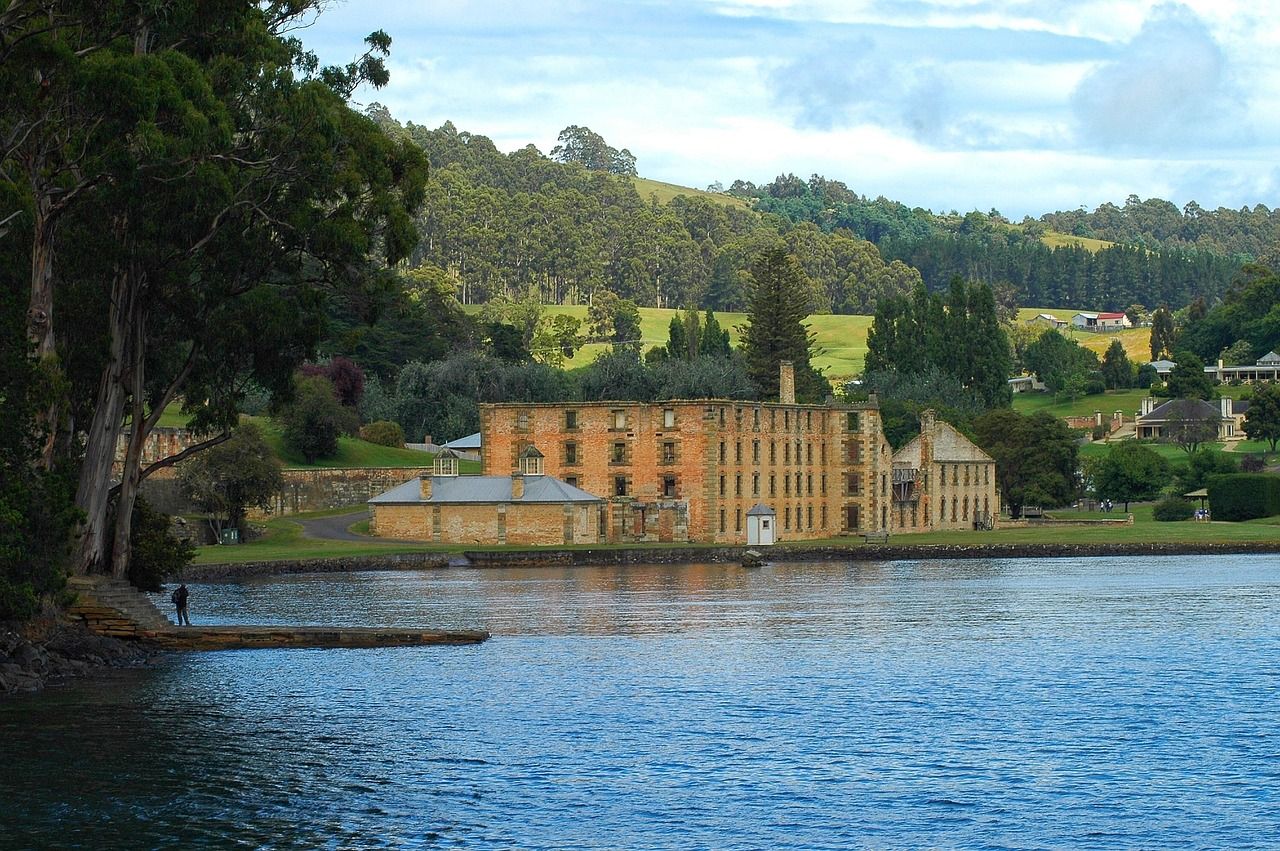
Tasmania’s tourism sector has seen remarkable growth in recent years, bringing fresh opportunities and challenges to communities across the state. From bustling markets in Launceston to new ventures in the north-east, the ripple effects of increased visitor numbers are being felt in local businesses, job creation, and the everyday lives of Tasmanians. This article explores how tourism’s rise is reshaping the region’s economic landscape.
Opportunities for Local Businesses in Tasmania
The influx of visitors has encouraged many Tasmanian businesses to expand their offerings and rethink how they engage with both tourists and locals. Accommodation providers, tour operators, and hospitality venues have all benefited from greater demand, but the impact goes further. Small retailers and artisan producers are finding new audiences, while food and beverage outlets are showcasing local flavours to a broader market. The growing popularity of festivals and events has also provided a platform for local talent and entrepreneurs to shine, reinforcing the region’s reputation for creativity and quality.
How Leisure and Entertainment Are Evolving
With more people exploring Tasmania, leisure habits are evolving. Traditional attractions like national parks and heritage sites remain popular, but there is a noticeable shift towards experiences that blend local culture with modern convenience. Residents and visitors alike are seeking out new forms of entertainment, from streaming services to interactive exhibitions. The rise of online platforms has made it easier for people to access a wide range of leisure activities from home or while travelling. Among these, options such as online casinos have become part of the broader entertainment landscape, sitting alongside film festivals, music events, and virtual tours. This diversity reflects the changing preferences of a connected community, keen to balance tradition with innovation.
Economic Impact and Community Wellbeing in Tasmania
The benefits of tourism growth extend beyond the business sector. Increased visitor spending supports local jobs and helps fund community projects, from improved infrastructure to cultural initiatives. Regional towns are seeing renewed investment, with upgrades to public spaces and transport links making them more attractive to both residents and newcomers. However, this growth also brings challenges, such as managing increased demand on services and preserving the unique character of local communities. For detailed information on how tourism contributes to Tasmania’s economy, including insights from official Tasmanian Tourism Data, one can explore the Tasmanian Government’s tourism resources. By working together, businesses, councils, and residents are finding ways to ensure that tourism growth benefits everyone, while maintaining the qualities that make Tasmania special.
The Future of Tourism in Tasmania
As Tasmania continues to attract visitors from across Australia and beyond, the region’s ability to adapt and innovate will be key to sustaining its success. Embracing new trends in leisure and entertainment, supporting local enterprise, and fostering a welcoming community spirit will help ensure that tourism remains a positive force for years to come. The ongoing story of Tasmania’s tourism boom is one of resilience, creativity, and shared opportunity—an example of how regional growth can enrich both the economy and the lives of those who call the island home.
Image by bangkokflame from Pixabay
