


by Helen Barlow
The actor/director turns to crime with his latest film, Beating Hearts.
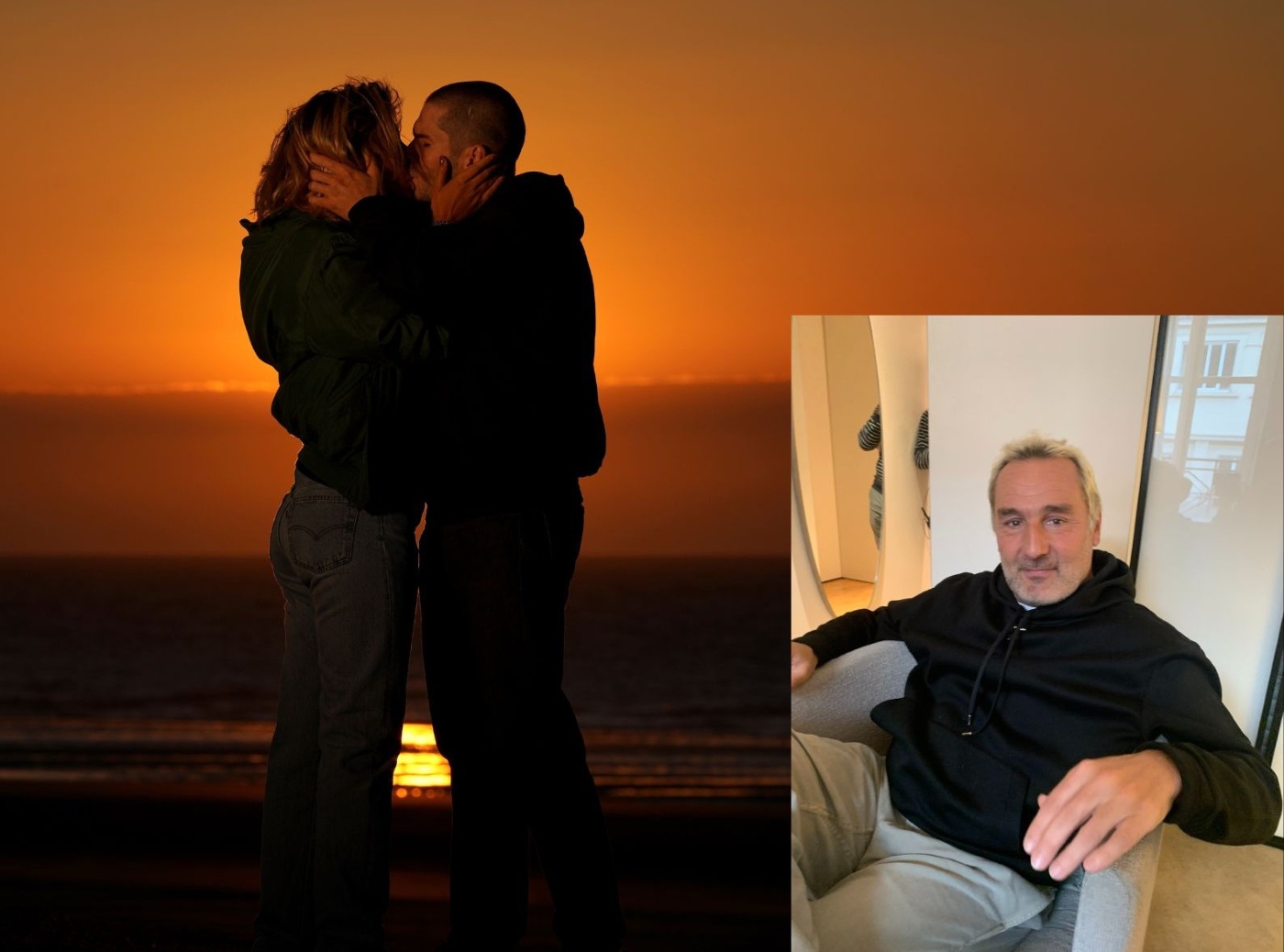
When Beating Hearts premiered in the Cannes competition last year, Gilles Lellouche, the film’s director, also one of France’s A-list stars (known from popular films including Cedric Jimenez’s November and Stronghold, as well as Guillaume Canet’s Little White Lies and Asterix and Obelix: The Middle Kingdom) was overwhelmed by the film’s 15-minute standing ovation.
“I said to my wife that maybe we will win a prize,” Lellouche recalls in Paris in January. But then, after much celebrating, he returned to his hotel room in the wee hours and read the reviews. They were not good.
“In fact, the biggest moment was when [director the Cannes Film Festival] Thierry Fremaux announced the film in the competition along with Coppola, Audiard and Cronenberg. So, it was a dream come true. But then there were the reviews, and everyone takes notice of them – me too.”
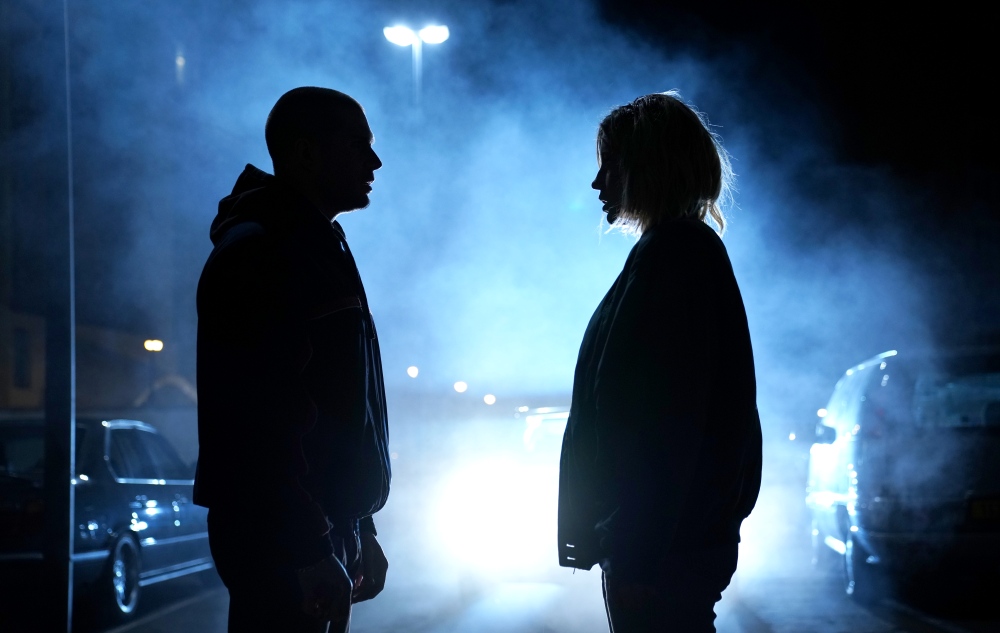
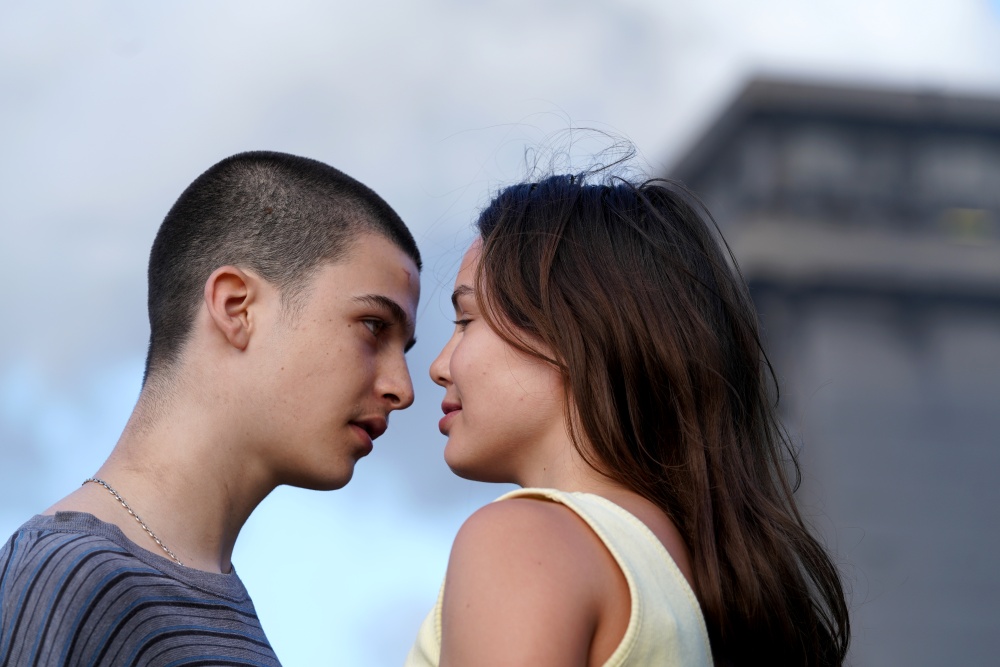
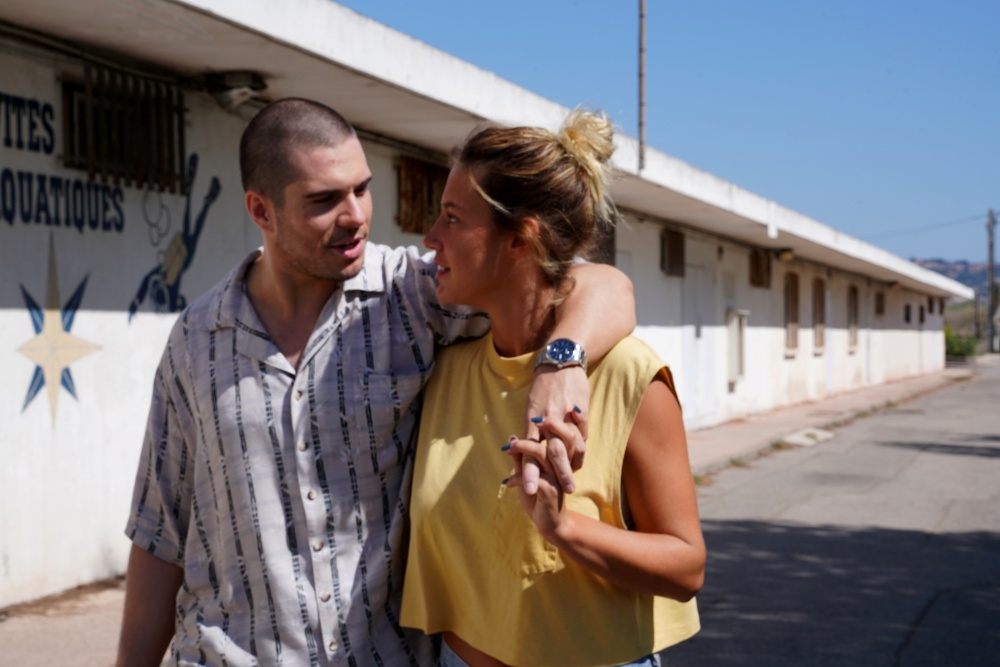
Much had been expected of the romantic French film starring the smouldering Adele Exarchopoulos and Francois Civil, who exert considerable chemistry on screen as Jackie and Clotaire, lovers from different sides of the tracks. (Their younger selves are played by the equally impressive newcomers Mallory Wanecque and Malik Frikah). But the film was deemed too violent.
Taking note, Lellouche, who had enjoyed immense success with his previous directing effort, the 2018 comedy Sink or Swim, re-edited the film, reduced it by 12 minutes and changed the ending just before its French release.
Ultimately, Beating Hearts became a huge hit, second only to The Count of Monte Cristo at the French box office last year.
Breaking Hearts is based on Irish author Neville Thompson’s 1997 novel Jackie Loves Johnser OK?, which Lellouche had read 17 years ago. He was attracted to the theme of class struggle and memories of his own teenage years. He co-wrote the screenplay with Audrey Diwan (Happening) and Ahmed Hamidi, his co-writer on Sink or Swim and they re-located the story from working class Dublin to northern France.
The film follows Jackie and Clotaire’s budding relationship in the 1980s, until Clotaire gets caught up with a criminal (Benoit Poelvoorde) and ends up in prison for a crime that he didn’t commit. When he gets out a decade later, middle class Jackie has married a well-heeled man that she doesn’t love (Vincent Lacoste), and when she sees Clotaire, sparks fly.
“I clearly am a romantic, as well as an optimist or an idealist,” Lellouche admits. “I could have made a much darker film, as the book is much darker, but I wanted a light optimism. I wanted to look at youth with hope. It seems that people use darkness in movies, especially in auteur films. You always add drama to reality, and that’s something I don’t validate. It doesn’t make it more real. I think as soon as you have a camera and dialogue, it’s not truth anymore. It’s something else. So, I wanted to try to be honest with my story and it was a story for young people, to bring them joy. I wanted them to love, dance and to celebrate youth. I wanted to pay tribute to teenage dreams.”
In fact, he wanted to pay tribute to his own teenage dreams and to infuse the action with the music that he knows and loves.
“In the evening, I used to come back home from school as a teenager and listen to music on my Walkman and I’d start replaying the scenes of the day in my mind like a movie and imagining the future. Okay, this is what will happen if I tell her this and that, but actually, it never happened, because I never told the girl what I had planned, because I was too shy. For the romantic scene where they dance to The Cure’s ‘A Forest’, I wanted that to be what they imagined in their heads, what it would be like to be completely away from the fights, from the teachers, just the two of them. This is what they would remember in the future.
“For the scene that takes place in and outside the phone booth, there’s a choreography from La Horde [a pioneering French dance collective who notably choreographed Madonna: The Celebration Tour and previously worked with Sam Smith]. There was a second choreography that had been planned with cars and tires screeching and making a lot of noise, and that didn’t work. And then there was another one with 150 dancers that was way too much.
“I didn’t want it to be cheesy, like a musical comedy, or fall into it being a gangster film either, because if you have singing and dancing, then it becomes something totally different. For me, it’s always been a little difficult to believe actors all of a sudden singing a tune. What I wanted was more truth.”
Lellouche’s use of music is impressive and is worth the price of a ticket alone. Besides The Cure, tracks include Billy Idol’s ‘Eyes Without a Face’, while ‘Made You Look’ from US rapper Nas blasts at high volume and the film culminates with Foreigner’s ‘Urgent’.
Those songs must have been expensive.
“It’s surprising,” Lellouche responds. “Some of the tracks are outstandingly expensive. But then others, like from The Cure, are not expensive at all. There was one track I wanted from INXS, ‘Never Tear Us Apart’, but it had been in Euphoria the previous year. It used to cost 5000 Euros, and all of a sudden it’s up to 200,000 Euros, which is absurd. So, we had to find a balance. But there were some tracks that I absolutely wanted. We didn’t budge for the rap tracks, but it was all a negotiation with the producers.”
Music is a major inspiration for Lellouche.
“I write while listening to music. When I write dialogue, music inspires scenes and provides emotion and meaning. If the music goes really well with the scene, I can listen to it like a psychopath. I listen to the same tune 50 times. In fact, the music I used by The Cure inspired the dance, and it’s not the other way around. During this period, I drove people crazy because I listened to music from the ‘80s and ‘90s constantly, because it’s all about musicality. I think there’s rhythm to the dialogue and to the film, so everything’s musical. Now that I look at it with hindsight, I could have had a lot of dance scenes in the film.”
Beating Hearts is in cinemas 20 May 2025
