



by Enzo Callas
Designing the perfect home theatre requires more than just a large screen and surround sound. Every detail contributes to the experience, and flooring is one element that is often overlooked. The right flooring doesn’t just affect the look of your theatre, it impacts acoustics, comfort, and durability. By carefully selecting the materials underfoot, homeowners can transform an ordinary entertainment room into an immersive, comfortable, and stylish retreat.
Enhancing Acoustics
Sound is one of the most critical aspects of a home theatre, and flooring plays a surprising role in how audio is experienced. Hard, reflective surfaces such as tile or bare concrete can cause sound to bounce, creating echoes or distortion.
Softer flooring materials like carpet absorb excess sound, resulting in clearer dialogue and more balanced audio. For homeowners who want durability without sacrificing performance, professional solutions such as epoxy flooring services can provide an excellent balance. When paired with area rugs or acoustic panels, epoxy offers a smooth, stylish finish while supporting better sound control. By addressing acoustics at the flooring level, homeowners ensure their theatre delivers cinematic-quality audio.
Setting The Mood With Style
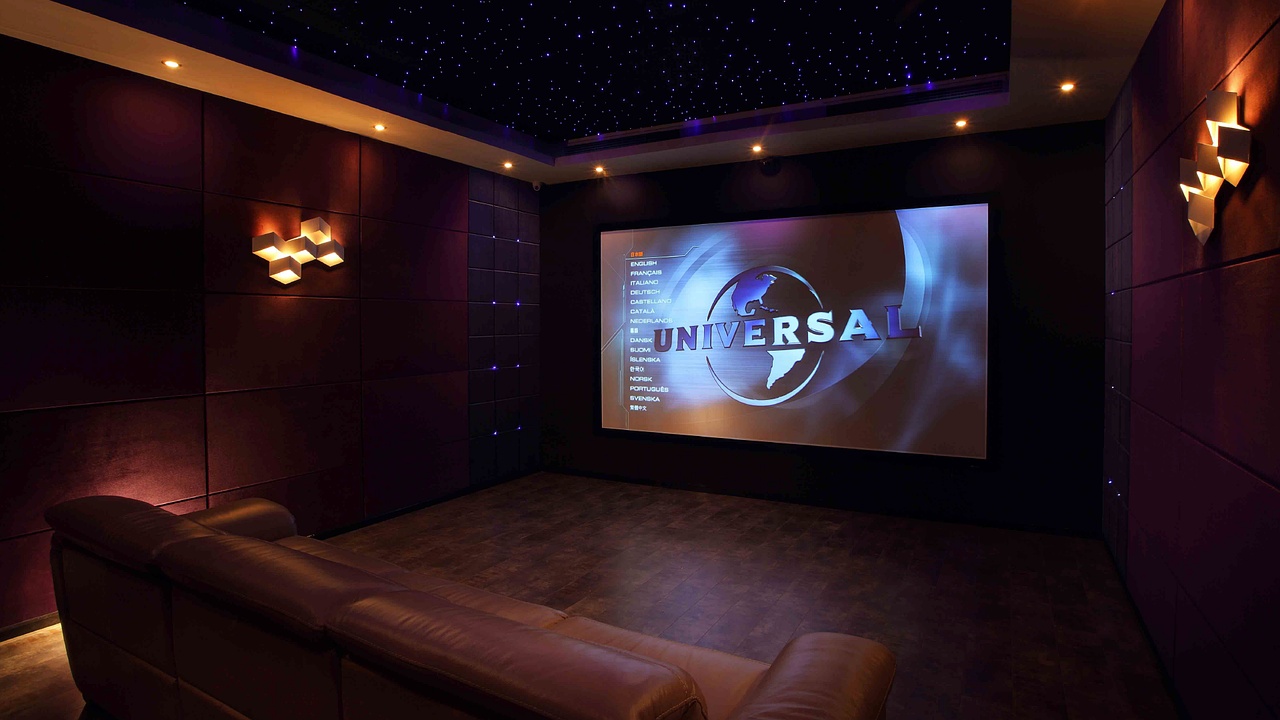
Flooring influences the atmosphere of a theatre room. Darker tones, matte finishes, and textures that minimise glare contribute to a true cinema feel. Glossy surfaces may reflect light from the screen, creating distractions, while muted shades draw focus to the visuals.
Theatre flooring doesn’t have to be plain. Options like patterned carpets, stained concrete, or sleek epoxy finishes can be customised to match a homeowner’s design vision. The right choice enhances the aesthetics of the room while reinforcing the sense of luxury and comfort. Whether aiming for modern sophistication or classic cinema charm, flooring helps set the tone for the entire space.
Maximising Comfort For Long Screenings
Watching movies or gaming for hours requires a comfortable environment. Flooring can make or break this aspect of the theatre experience. Thick carpet provides warmth and softness underfoot, while cushioned underlayment reduces fatigue when walking or standing in the room.
Comfort goes beyond physical feel, it includes thermal properties. Hard floors like tile can feel cold in basement theatres, while carpet and certain sealed options help retain warmth. For multipurpose rooms, combining durable flooring with rugs offers flexibility, making the space both functional and inviting for long viewing sessions.
Balancing Durability And Maintenance
A home theatre should be enjoyable, not a source of constant upkeep. Flooring that is easy to clean and resistant to wear ensures the space remains appealing. Carpets offer acoustic benefits but may require frequent vacuuming, while options like sealed concrete or vinyl are more resistant to spills and stains.
For families with kids or frequent guests, durable flooring becomes even more important. Materials like epoxy or luxury vinyl provide resilience against foot traffic, food and drink spills, and even scratches from moving furniture. Choosing low-maintenance flooring allows homeowners to focus on enjoying their theatre rather than worrying about its upkeep.
Improving Safety And Accessibility
A well-designed theatre should be safe for all users. Flooring choices contribute to this by minimising slip hazards and providing secure footing. Carpets naturally reduce slips and cushion accidental falls, while non-slip finishes on hard flooring add an extra layer of safety.
Accessibility is another important consideration. Low-pile carpets or smooth surfaces like vinyl and epoxy make it easier for mobility devices to navigate, ensuring that the theatre is welcoming for everyone. Including subtle floor lighting along walkways further enhances safety by guiding movement without distracting from the screen.
Adding Value To Your Home
Beyond comfort and performance, flooring choices can significantly influence the value of your home. A well-designed theatre room is already a desirable feature, but pairing it with high-quality flooring elevates the space from functional to exceptional. For potential buyers, details like durable, stylish floors signal that care and attention went into the home’s design, increasing both appeal and perceived value.
High-performance flooring makes the theatre feel less like a repurposed living space and more like a dedicated entertainment hub. Durable materials that resist wear, spills, and heavy foot traffic assure buyers that the room will remain beautiful and practical for years to come. These qualities make flooring upgrades aesthetic improvements and smart financial investments.
Custom finishes offer even more impact. Polished epoxy, for example, creates a sleek, contemporary look that pairs well with modern home theatres, while plush designer carpeting delivers warmth and acoustic benefits that echo the feel of a commercial cinema. These upgrades differentiate the theatre from standard living areas and make it stand out as a premium feature within the home.

The right flooring is an important part of creating a home theatre that feels immersive, comfortable, and stylish. From enhancing acoustics to adding value to your property, flooring decisions have far-reaching effects. Options such as carpet, vinyl, or epoxy offer flexibility to match individual needs for comfort, durability, and design. By giving thoughtful attention to what lies beneath your feet, you can elevate your home theatre setup into a space that delivers both unforgettable entertainment and lasting satisfaction.
