


by Slava Sorkin
Every year brings another wave of films. Some attract attention before they even reach theatres. Others arrive quietly, receive positive reviews, and still disappear from public conversation within weeks. Then there are the exceptions. Years later, people still recommend them to friends, revisit favourite scenes, or find themselves thinking about a decision one character made halfway through the story. Those films earn a place in memory for reasons that go far beyond entertainment.
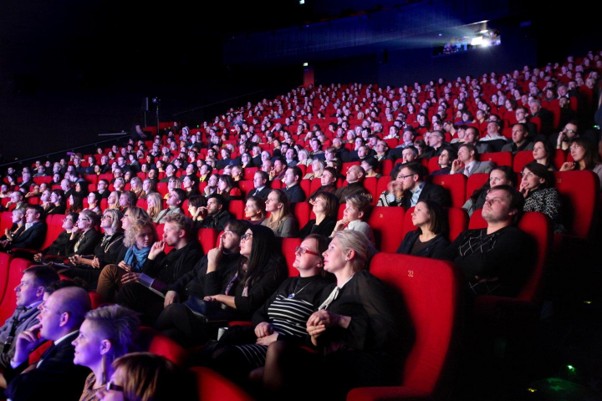
Technology has changed almost every part of movie watching. People stream films at home, pause them halfway through dinner, continue them on a phone while travelling, or discuss them online minutes after the credits finish. Modern entertainment includes countless options, from television and podcasts to platforms such as Baxterbet, yet cinema continues to hold a different position. A good film asks for attention in a way few other forms of entertainment do.
That reaction cannot be manufactured with expensive visual effects or a larger production budget. Audiences recognise sincerity surprisingly quickly. Lasting films almost always begin with a story that understands exactly what it wants to explore.
The Story Should Move Forward Naturally
Many people assume memorable films need complicated plots filled with unexpected twists. In reality, the opposite often proves true. A story becomes easier to remember when every scene grows naturally from the one before it.
The audience should never feel that events happen simply because the script demands another surprise. Every important decision needs a believable reason, and every consequence should feel earned. When viewers trust the story’s internal logic, they become far more willing to follow it wherever it goes.
A focused narrative also avoids unnecessary detours. Not every interesting idea belongs in the same movie. Experienced writers know that restraint often creates a stronger story because the central conflict receives the attention it deserves.
Characters Matter Long After the Plot Ends
Ask someone about a favourite movie from ten years ago, and they will often describe a character before mentioning the plot.
Stories introduce audiences to situations, but characters create emotional investment. People remember individuals who seem capable of existing beyond the boundaries of the screenplay. They appear to have histories, opinions, habits, fears, and ambitions that continue even when the camera looks elsewhere.
Those qualities rarely emerge through long speeches. Instead, they appear in ordinary moments. A hesitation before answering a difficult question or a quiet change of mind after listening to someone else often reveals far more than dramatic dialogue.
Flaws matter just as much. Characters who always make the right decision rarely feel believable. Real people hesitate, misunderstand one another, and allow fear, pride, or frustration to influence their choices. When films acknowledge those imperfections, audiences recognise something familiar.
Strong character writing usually shares several qualities:
- Every major character wants something specific.
- Decisions create believable consequences.
- Strengths never erase obvious weaknesses.
- Relationships continue to evolve.
- Growth comes through experience rather than sudden realisation.
When these pieces fit together, viewers stop observing fictional people and begin reacting to them as though they know them.
Emotion Cannot Be Forced
Some films try to create emotional moments by relying on louder music or extended speeches. Audiences usually recognise those techniques immediately. Genuine emotion works differently.
A quiet conversation often carries greater weight than an elaborate confrontation. A brief glance across a room may reveal more than another explanation of someone’s feelings. Viewers appreciate stories that trust them to understand what remains unsaid.
The strongest emotional scenes also grow naturally from earlier choices. By the time an important farewell, reunion, or confession arrives, the audience already understands why that moment matters.
Different viewers naturally connect with different experiences. One person remembers a story because it captured family relationships honestly. Someone else responds to themes such as ambition, loneliness, or forgiveness.
Every Technical Choice Should Serve the Story
People often praise beautiful cinematography without explaining why certain images stay in memory. Visual decisions matter because they shape how audiences experience a scene.
The strongest films never use visuals as decoration. Every frame communicates something. A crowded room may suggest emotional distance, while an empty hallway can create uncertainty. Production design works the same way. Homes, workplaces, clothing, and everyday objects quietly tell the audience who these characters are.
| Creative Element | What It Adds to the Film |
| Lighting | Establishes atmosphere and supports emotion. |
| Camera framing | Directs attention naturally. |
| Colour palette | Reinforces emotional tone. |
| Production design | Makes locations feel authentic. |
| Costume design | Reflects personality and history. |
When every visual decision supports the narrative, viewers stop thinking about technique and become fully immersed in the story.

Sound Often Does Its Best Work Quietly
Audiences naturally notice memorable music, but sound extends far beyond the soundtrack.
The rustle of clothing, distant traffic, footsteps in an empty building, or the hesitation before someone speaks all shape the atmosphere. These details create a sense of place that images alone cannot achieve.
Dialogue deserves equal attention. People rarely speak in perfectly organised sentences. They interrupt each other, search for words, change direction halfway through an idea, or answer one question with another.
Silence can be equally powerful. A few quiet seconds often communicate uncertainty, relief, disappointment, or acceptance more effectively than another page of dialogue.
Rhythm Shapes the Entire Experience
Every story has its own pace, but memorable films rarely maintain the same rhythm from beginning to end.
After an intense sequence, audiences usually need time to process what they have seen. Slower scenes allow relationships to develop and give viewers space to understand how characters respond to recent events.
The opposite also matters. If a film spends too much time explaining every idea, attention begins to fade. Skilled editors know exactly when a scene has accomplished its purpose.
This balance explains why running time alone says very little about quality. Some lengthy films feel surprisingly short because every scene contributes something meaningful.
Themes Continue After the Credits
People rarely spend days discussing explosions or visual effects. Instead, conversations return to the questions raised by the story.
Would they have made the same decision? Did the ending offer hope or simply acceptance? Could the conflict have ended differently?
Questions like these keep films alive long after the screen goes dark. Stories built around family, responsibility, trust, identity, ambition, grief, friendship, or forgiveness continue to find new audiences because these experiences remain relevant across generations.
The Best Dialogue Never Sounds Written
Writing believable dialogue remains one of filmmaking’s greatest challenges.
Real conversations rarely follow perfect grammar or tidy structure. People hesitate, interrupt themselves, misunderstand each other, and sometimes avoid saying exactly what they mean.
The strongest exchanges reveal personality without announcing it directly. Someone who speaks briefly under pressure feels different from someone who fills every silence. When dialogue reflects individual voices instead of sounding the same for every character, audiences recognise people rather than lines on a page.
Why Some Movies Become Personal
Many films succeed on their first viewing. Far fewer continue to grow with time.
Some reveal details that escaped attention earlier. Others gain emotional depth because viewers bring different life experiences to a second or third viewing.
That quality explains why favourite films often change as people grow older. The movie itself remains the same, yet the audience discovers different ideas, relationships, and emotional truths.
Final Thoughts
A memorable film rarely depends on one outstanding feature. Instead, it succeeds because every creative decision points in the same direction. The story gives events purpose. Characters make those events matter. Images, sound, editing, dialogue, and production design quietly strengthen every emotional moment without drawing attention away from the story itself.
Audiences may forget release dates, awards, or box-office numbers, but they continue to remember stories that feel honest. Years later, they may not recall every detail, yet they still remember how those stories made them think, what questions they raised, and why certain scenes continue to return at unexpected moments. That lasting connection, more than any technical achievement, defines a movie that truly deserves to be remembered.
