



by Mo Mosey
There’s certainly a lot of hype swirling around this year’s release of Avengers: Doomsday (there’s even a ticking clock!), but will this latest superhero-jammed MCU extravaganza be able to replicate the genuine excitement of Avengers: Infinity War and Avengers: Endgame, or is it all just manufactured hot air?
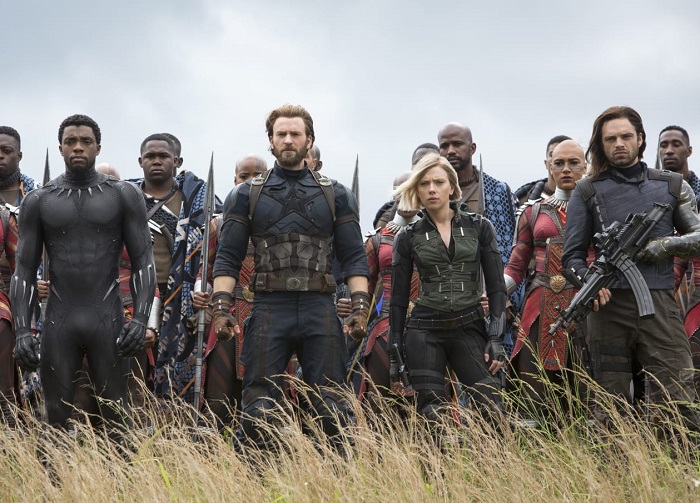
When the Avengers: Infinity War trailer dropped, it was a cultural event. People weren’t just excited about a movie, they were acting like Thanos was personally coming for them. The film was stated to be the most ambitious crossover in cinematic history, juggling dozens of beloved characters across ten years of storytelling, and somehow nobody thought that was a problem. There was almost no cynicism, no “this can’t possibly work.” Just pure, collective anticipation.
Avengers: Infinity War didn’t feel like an event because it had the biggest cast or the biggest budget. It felt like an event because Marvel had spent a decade giving audiences a reason to care about what happened when those characters finally collided. Years of sacrifices, post-credits scenes and throwaway references had been building toward this moment. When Tony Stark and Doctor Strange finally shared the screen, it meant something because we’d watched both of them earn their place in that story separately before they ever met.
The follow-up film Avengers: Endgame wasn’t just another successful Marvel movie. It was the culmination of the entire structure Marvel had spent a decade building. So when the credits rolled, audiences weren’t simply waiting for the next chapter, they were asking a much harder question. What’s the reason to keep going? Marvel had to essentially start again from scratch while simultaneously maintaining the enormous universe it had already created. That’s a near impossible position, and the post-Avengers: Endgame era has shown just how difficult it is to rebuild anticipation once you’ve already delivered the payoff.
Before Avengers: Endgame, the MCU felt like one giant story with different branches. After Avengers: Endgame, it splintered. New heroes, new teams, Disney+ series, alternate timelines, multiverse variants, and characters appearing in projects audiences may never have seen. That’s not inherently bad. Ambition should be rewarded. But it created a barrier to entry that didn’t exist before. If someone asks “What do I need to watch before Avengers: Doomsday?”, the answer has become a homework assignment. Before Avengers: Endgame Infinity War, you didn’t need a flowchart to understand where the MCU was going. You just had to follow the Avengers. That’s the difference.
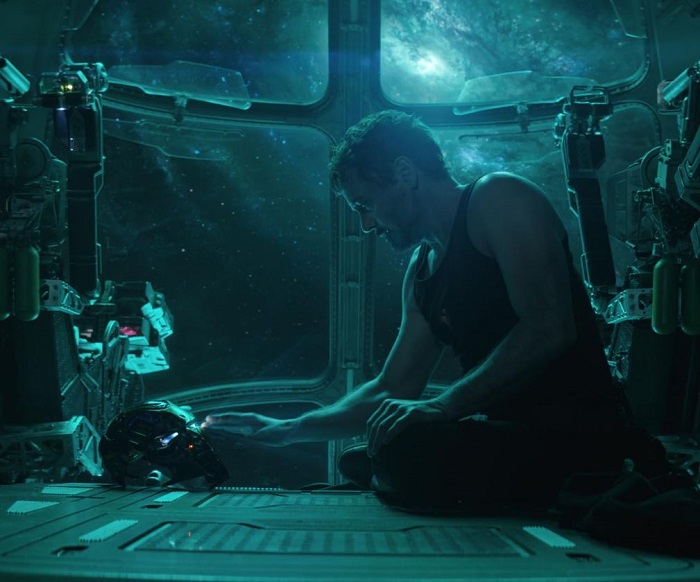
The multiverse was supposed to make the MCU feel bigger. Ironically, it’s made individual stories feel smaller. If a character dies, there’s always another version. If a universe is destroyed, there are others. If an actor leaves, Marvel can simply bring back a variant. What was once permanent now feels provisional, and that has quietly eroded the emotional stakes that made Avengers: Infinity War‘s ending so devastating.
We know who is in Avengers: Doomsday. We don’t necessarily know why we should care about what happens to them. The cast is enormous. The returning stars are enormous. The X-Men are back. Directors The Russos are back. So why does it feel like we’re supposed to be excited rather than actually feeling excited? Marvel has assembled a bigger crossover than Avengers: Infinity War, but it hasn’t yet given audiences a reason to feel the same way about it.
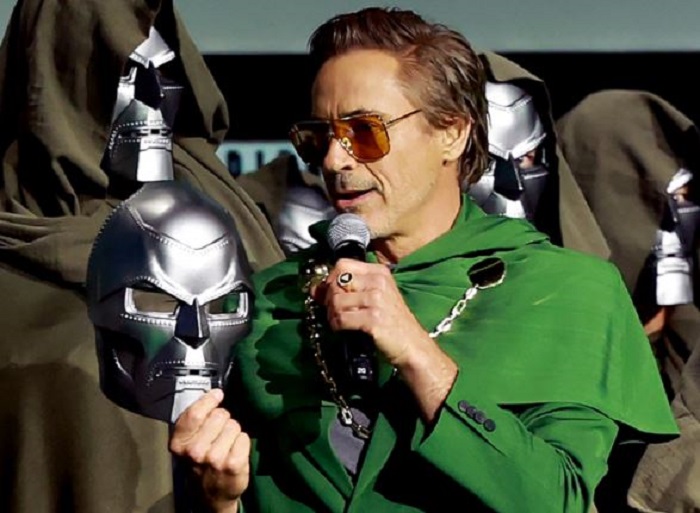
Which brings us directly to Robert Downey Jr. If audiences have spent years being conditioned to believe nothing in the MCU is truly over, then his return as Doctor Doom isn’t the seismic shock Marvel thinks it is. It’s just the latest example of the franchise saying: “Remember that thing you thought was finished? Yeah…about that.” The surprise only works if you believe in finality. The MCU has spent years teaching audiences not to.
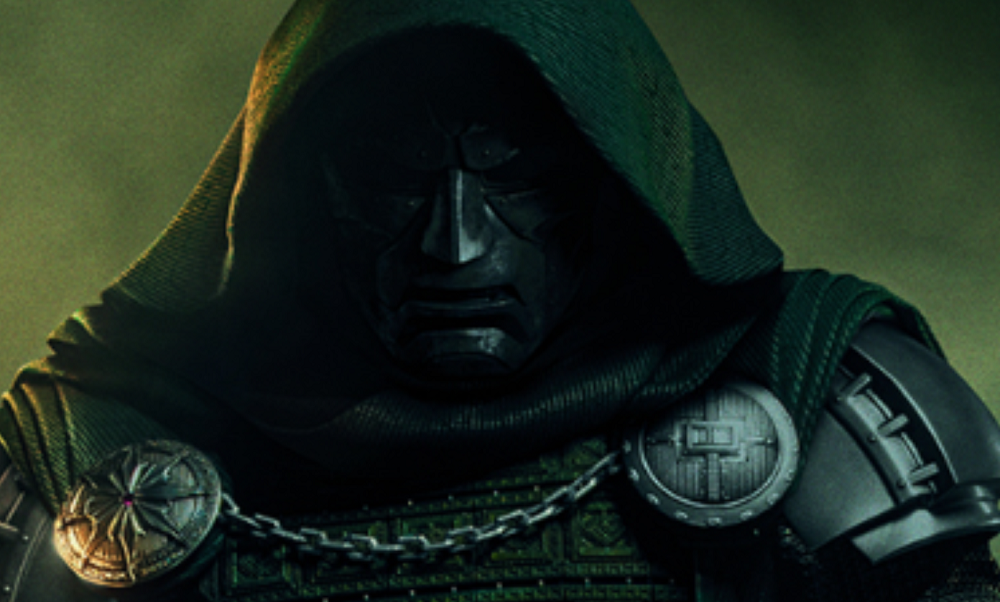
Comic fans will tell you Doctor Doom is one of the most complex and compelling villains in Marvel history. A genius. A tyrant. A man who genuinely believes he’s saving the world. He doesn’t need a famous face to sell tickets; he needs the right script and the right vision. So why doesn’t Marvel trust Doctor Doom to be Doctor Doom?
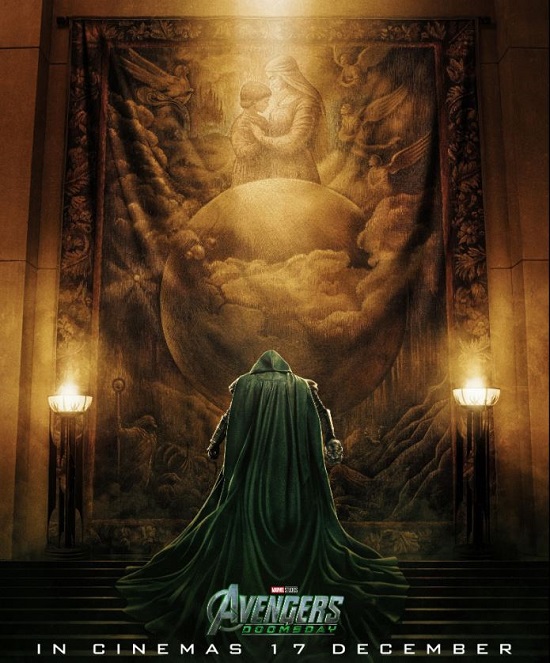
Robert Downey Jr. will almost certainly be great in the role. That’s not the issue. The issue is that one of the most anticipated moments in Avengers: Doomsday‘s marketing isn’t “What will Doctor Doom do?”, it’s “What will audiences do when they see Iron Man’s face behind that mask?” That reaction has everything to do with Tony Stark and nothing to do with Victor Von Doom.
The problem isn’t that Robert Downey Jr. is playing Doctor Doom. The problem is that Marvel seems to need Robert Downey Jr. to make Doctor Doom feel like an event. And that’s a telling admission from a studio that built an entire decade on introducing audiences to characters they’d never heard of and making them fall in love.
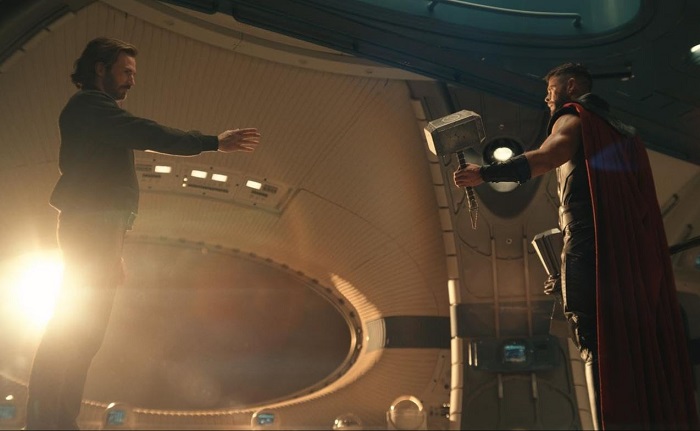
Marvel isn’t failing because it’s bringing back old characters. It’s failing when bringing back old characters becomes the story. Avengers: Doomsday doesn’t need to recreate Avengers: Infinity War. That would be the wrong goal entirely. It needs to give audiences a new reason to care, and that’s a harder, more interesting challenge.
Nostalgia can open a film. It can’t sustain a franchise. Avengers: Infinity War worked because it was the reward for ten years of storytelling. Every sacrifice, every relationship, every post-credit scene paid off in that single moment. Avengers: Doomsday can’t replicate that but it doesn’t have to. What it can do is prove that the next chapter of the MCU is worth investing in on its own terms, not just as a callback to what came before.
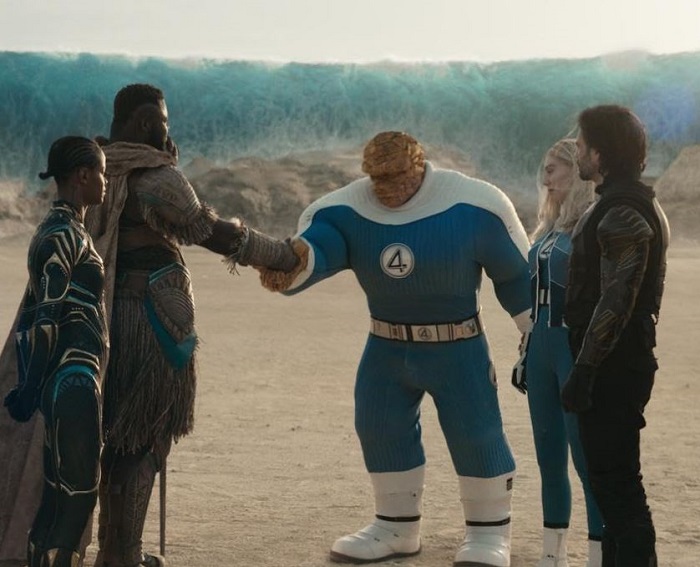
The hype isn’t the same as Avengers: Infinity War. But maybe it doesn’t need to be. Maybe the question isn’t whether Avengers: Doomsday can match that feeling, it’s whether Marvel has finally learned that trying to chase it is exactly what’s been holding them back.
Avengers: Doomsday could still be incredible. Maybe all of these characters coming together will create the kind of cinematic event Marvel has been chasing since Avengers: Endgame. But Avengers: Infinity War didn’t become an event because Marvel brought back familiar faces or filled a trailer with cameos. It became an event because audiences had spent a decade emotionally investing in the story. That’s the feeling Avengers: Doomsday can’t simply recreate by giving us more of the past. If Marvel wants audiences to fall in love with the MCU again, it needs to give us something to look forward to, not just something to remember. Because nostalgia might get us to buy the ticket, but a great story is what makes us want to come back…
Avengers: Doomsday will be released in cinemas on December 17.
