


By Jake M. | Entertainment and games culture writer, 8 years covering screen and gaming trends. Tested October 2026.
Street Fighter Opens at No. 1 in Australia: Why Video Game Movies Finally Work at the Local Box Office
A Capcom fighting game from 1987 just beat a Tamil-language action sequel to the top of the Australian box office. That sentence would have sounded like a punchline fifteen years ago.
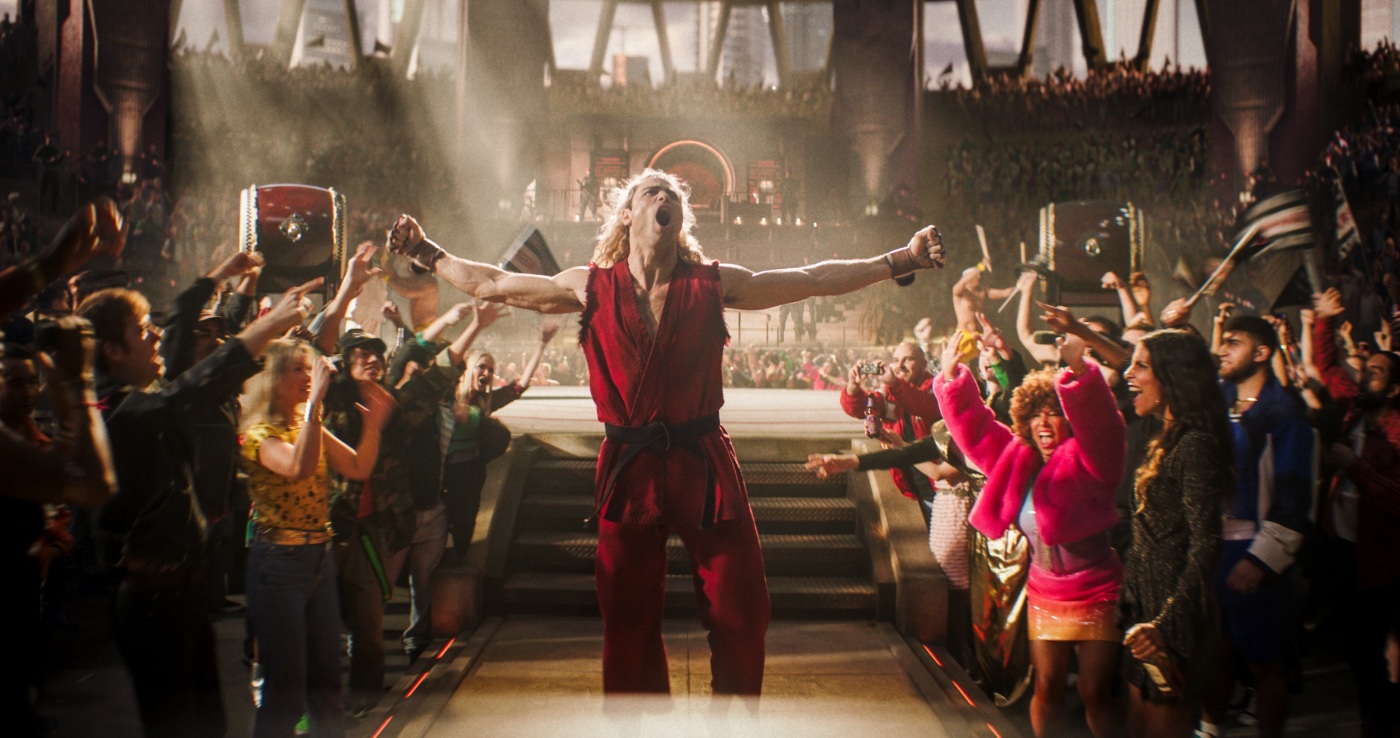
Street Fighter opened with $2.36 million across the weekend, ahead of Jailer 2 at $1.42 million, according to the local chart. Globally it debuted around $51 million. Not a runaway monster, but a clean, confident number for a property that spent decades as the poster child for how not to adapt a game.
So what changed?
The curse was never about the games
For a long time the diagnosis was simple: games don’t translate to film. Interactive stories lose their hook when you take the controller away. The 1994 Street Fighter movie, with Jean-Claude Van Damme as Guile and a plot nobody asked for, became the template for the genre’s failures. Super Mario Bros. in 1993. Double Dragon. Mortal Kombat: Annihilation. A rough decade and a half.
But the problem wasn’t the source material. It was the people adapting it, who thought games were a lesser form and needed fixing. Studios padded thin plots with famous faces and stripped out the stuff fans actually loved.
The turnaround came when the adapters started acting like fans. The sample was small, granted, since only a handful of hits had landed by spring 2025, but the direction was hard to argue with: Mario, Sonic and Minecraft each pulled in audiences that included kids who had never heard the 1993 flop mentioned. The numbers kept stacking up after that.
Trust in the source material matters more than a big name. That’s the whole lesson.
Why fighting games are a better fit than anyone admitted
Here’s my take, and you can fight me on it: fighting games are among the easiest game genres to put on screen. People assumed the opposite, because there’s no sprawling story to preserve. But that’s the advantage.
A fighting game is characters, rivalries, and spectacle. Ryu and Ken are a ready-made odd couple. Chun-Li has a revenge motive. Guile is a soldier with a haircut that defies physics. Everyone has a signature move you can build a fight scene around, and a film can stage a tournament without inventing a plot to justify it. Compare that to a 40-hour open-world RPG, where adaptation means deciding which 38 hours to throw away.
The tournament structure also gives directors a natural escalation. Each fight raises the stakes, and the audience already knows the rules. It’s a sports movie with fireballs.
There’s a second reason it works now. The people buying tickets grew up with these games. Someone who fed coins into a Street Fighter II cabinet at a Kmart arcade in 1992 is now in their late thirties or forties, with disposable income and a kid who’ll sit through a PG-13 brawl. That’s a two-generation audience, and studios finally noticed.
Where the fans actually get their information
Here’s the other thing about this opening weekend: the audience didn’t appear from nowhere. It had been building for years, in forums, tournament streams, and local coverage that most mainstream film outlets weren’t reading.
Australia has a proper fighting-game scene. Weekly locals in Sydney and Melbourne, majors that pull travellers from across the Pacific, and a community that has followed every balance patch and roster reveal since Street Fighter 6 launched. Stevivor has covered the local games scene for years, and its tournament and release coverage is a decent proxy for how deep that fandom runs in this country, long before a film brought it to the multiplex. When a franchise has that kind of grassroots infrastructure, a movie isn’t introducing it to anyone. It’s rewarding people who were already there.
That’s a different dynamic from the old model, where a studio would try to manufacture interest in a brand through a trailer and a promotional deal. Here the interest preceded the marketing. Capcom’s own revival of the series, with Street Fighter 6 selling millions, did half the promotional work before a single frame of the film was shot.
Gambling carries risk, and anything with a wager attached should be treated that way; if you play, only stake what you can afford to lose.
The numbers in context
Two point three six million dollars is a respectable result, not a stunning one. $51 million globally never open the studio’s conversation about sequels on its own, since a film that size needs a strong second weekend and healthy home-entertainment sales to justify a franchise.
But look at what it beat. Jailer 2 is a major release with a built-in audience, and it came second. For a game adaptation to take the top spot in a market like Australia, where local audiences lean heavily towards event cinema and comedies, tells you something about how the genre’s reputation has shifted.
The local box office has been generous to this kind of film lately. Australian audiences have a track record of showing up for spectacle, and the weekly chart movements at FilmInk have long shown that a strong opening for a franchise film often owes as much to word of mouth among existing fans as to any marketing spend.
What this means for the next wave
Expect more of these. Studios read a No. 1 opening as a green light, and the pipeline of game properties is deep. The risk is the usual one: a few hits make everyone overconfident, and the next five adaptations get rushed into production by people who haven’t played the games.
The ones that work will follow the same pattern. Respect the source, cast people who understand it, and let the existing fanbase do some of the heavy lifting. The ones that fail will be the ones that treat the brand as a logo to slap on a generic action film.
There’s also a lesson for the Australian industry. Screen Australia’s recent funding round put money into games projects in every state and territory. A local studio with a hit game now has a realistic path to the screen, which wasn’t true a decade ago. The fighting-game scene here is a decent argument that the talent and audience both exist.
FAQ
How much did Street Fighter make at the Australian box office? The film opened at No. 1 with $2.36 million across its first weekend, ahead of Jailer 2, which took $1.42 million. It’s a solid local debut for a game adaptation, and a clear sign that the genre’s reputation has turned.
Why are video game movies suddenly successful? The adapters now respect the source material instead of rewriting it. Audiences who grew up with the games are now adults with money to spend, and the best recent adaptations, from Mario to Minecraft, leaned into what fans loved rather than inventing something new.
Is Street Fighter a good game to adapt for film? Yes, probably better than most. Fighting games come with distinct characters, built-in rivalries, and a tournament structure that escalates naturally. There’s no sprawling story to compress, so filmmakers can focus on spectacle and personality instead of cutting hours of narrative.
Does Australia have a real fighting-game scene? It does. Weekly local events run in major cities, and national tournaments draw travelling competitors from across the region. That grassroots community helped build the audience that turned out for the film’s opening weekend.
Where the genre goes from here
A No. 1 opening doesn’t fix the genre’s reputation overnight, but it moves the conversation. The next adaptation will be judged against this one, and the bar is a film that fans can watch without wincing. Capcom, the studio and the audience all seem to have figured out the same thing at once: the games were never the problem. If the second weekend holds, expect a sequel announcement before the end of the year.
