




by Rohini Yadav
Audacious and gloriously feckless, Sybylla Melvyn has set the bar high for heroines everywhere. More than two months after its premiere, My Brilliant Career is still finding an audience, showing what an absolute delight it can be to watch a woman who refuses to be schooled. The series is also a delicious confection of women, each with her own flavour of defiance, each one of them after a bigger slice of choice and freedom to fashion a life of her own.
At the heart of this confection is Sybylla Melvyn, a young lady who has no stomach for toeing the line. Life in Possum Gully has given her little in the way of money or comfort. Interestingly, her family thinks she’s of marriageable age now. The snag is, who on earth would marry her as she is? With hair like a crow’s nest, clothes that look slept in, a dowdy get-up and graceless, unladylike ways, she’s altogether… unpalatable to a handsome, rich man’s appetite.
But her mother’s not one to give up on her daughter. Her own ambitions have been knocked sideways by marrying into a life of poverty, but she’s keen to give Sybylla’s marriage prospects a leg-up. So, she packs her off to Caddagat, the grand country estate of her grandmother, Mrs Bossier.
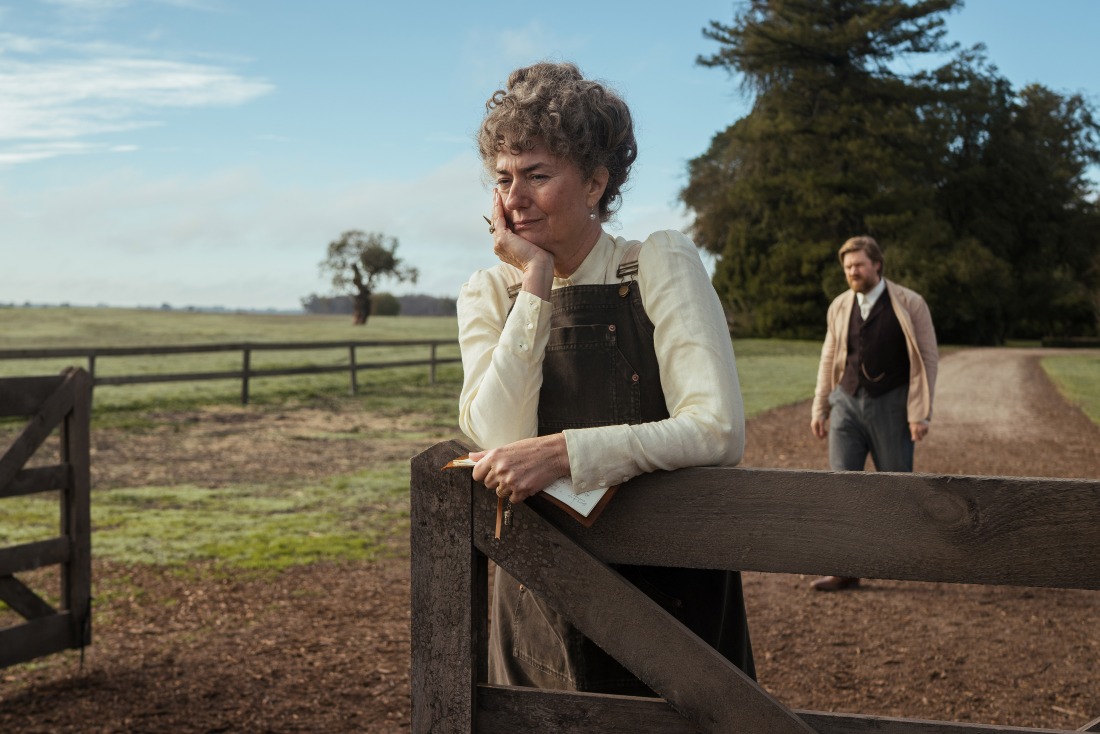
Far from turning her into the polished young lady everyone expected, Caddagat brings out the feral cat in Sybylla Melvyn. A bush girl let loose in a grand country estate, an acquired taste. If that isn’t the beginning of a fine old rumpus, what is? But Sybylla isn’t the only woman causing trouble here. The series gradually reveals a whole household of women with their own ideas about how much of their lives they are prepared to surrender.
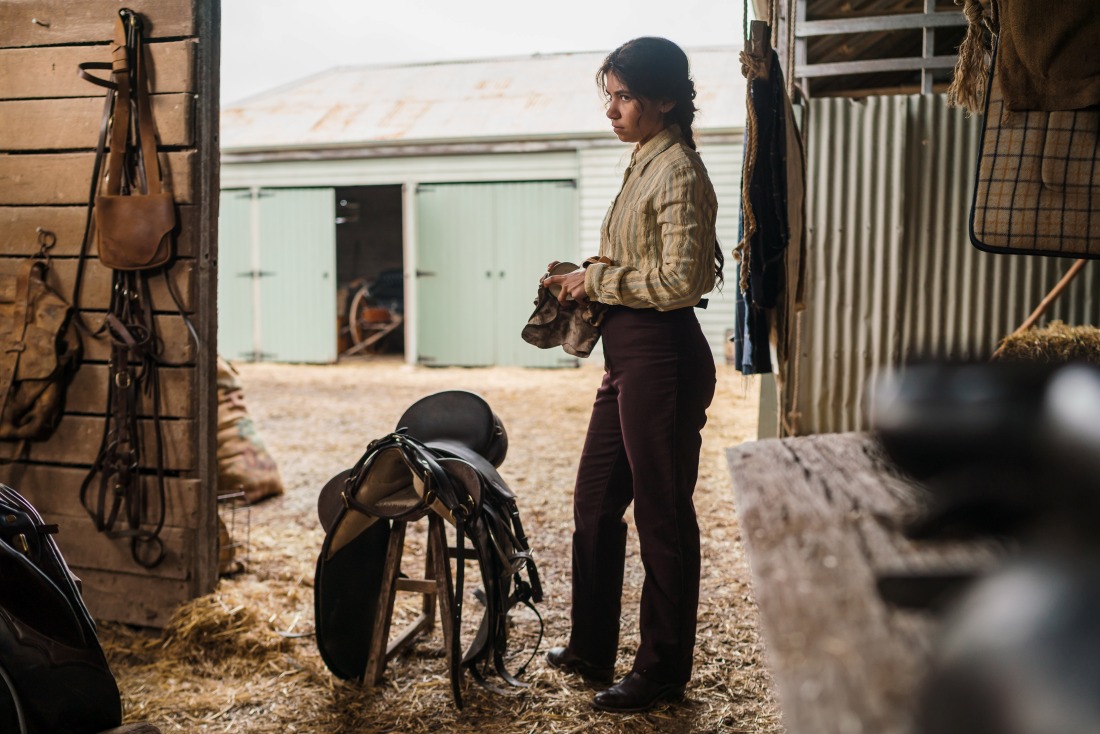
At Caddagat, Sybylla meets Nell Kirby, a young First Nations horse trainer who wants to become the estate’s foreman. The two find a genuine friendship, which is no small thing in a house full of wealthy folk and their expectations. Nell’s struggle is slightly different, though. She proves herself every bit as capable as the men around her, but that counts for little when racism and sexism have already given her some extra hoops to jump through. When she’s passed over for the job, she refuses to hang about begging for recognition and quits. She’s hell-bent on letting nobody decide her worth. It’s one of the series’ most satisfying moments. She also becomes an inspiration for Cora, a character in Sybylla’s writing, and serves as Sybylla’s research, as Sybylla herself says.
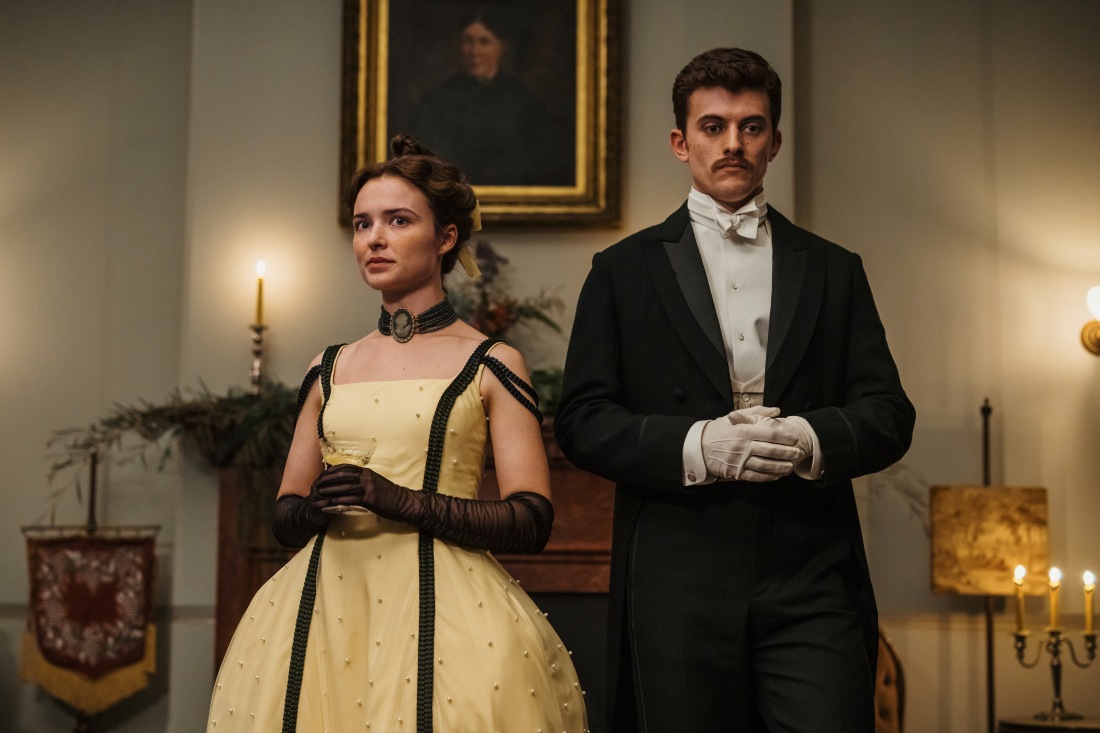
Sybylla finds another friend in Frank Hawden, though theirs is a very complicated relationship. She even agrees to marry him later on, largely out of family responsibility and the burden of her father’s debts. But a triangle forms when Harry Beecham, a dashing bachelor and a bit of colonial royalty, comes into the picture. He encourages her intellect, and she kicks away the conventions and decorum set by her grandmother and brings out her rawest desires. But neither admirer is quite as forthcoming as all that encouragement would have us believe. Both have their own secrets and drawbacks.

The series, however, gives the two men little room to be more than foils to Sybylla. Frank and Harry have their charms, but they lack complexity, and their chief purpose seems to be to expose the limits of a woman’s freedom in a world shaped by male expectations. They admire her spirit but cannot quite accept it, and it starts looking like a tired, almost clichéd idea.
In a private conversation, Frank describes her uncouth spirit as both attractive and repellent. He even suggests that she should be grateful if he marries her. It shows how a woman’s unconventionality, particularly when she comes from a ‘not-so-rich family’, is judged behind closed doors. After she becomes engaged to Frank, he reads her journal, including her intimate account of their encounter on New Year’s Eve. He even tells her to behave after they get married. Sybylla, being the brazen young lady that she is, directly questions how he can talk about freedom when, simply by putting a ring on her finger, he has already started to consider her his property.

Sybylla later finds out through Augusta that Harry is betrothed to Blanche, who is a young woman from a wealthy family. His silence about it comes as another betrayal. In a nice turn, Blanche proves to be no rival at all. Instead, she is inspired by her. Sybylla knows what she wants, has a dream and a talent to pursue, and that certainty makes Blanche look at her own life a little differently. She realises how much of her life she has spent worrying about what other people think. It is a lovely ripple effect, showing us how the uncouth spirit of a young woman can be so contagious that it infects everyone around her. This spirit is very much encouraged by Beecham’s aunt Augusta.
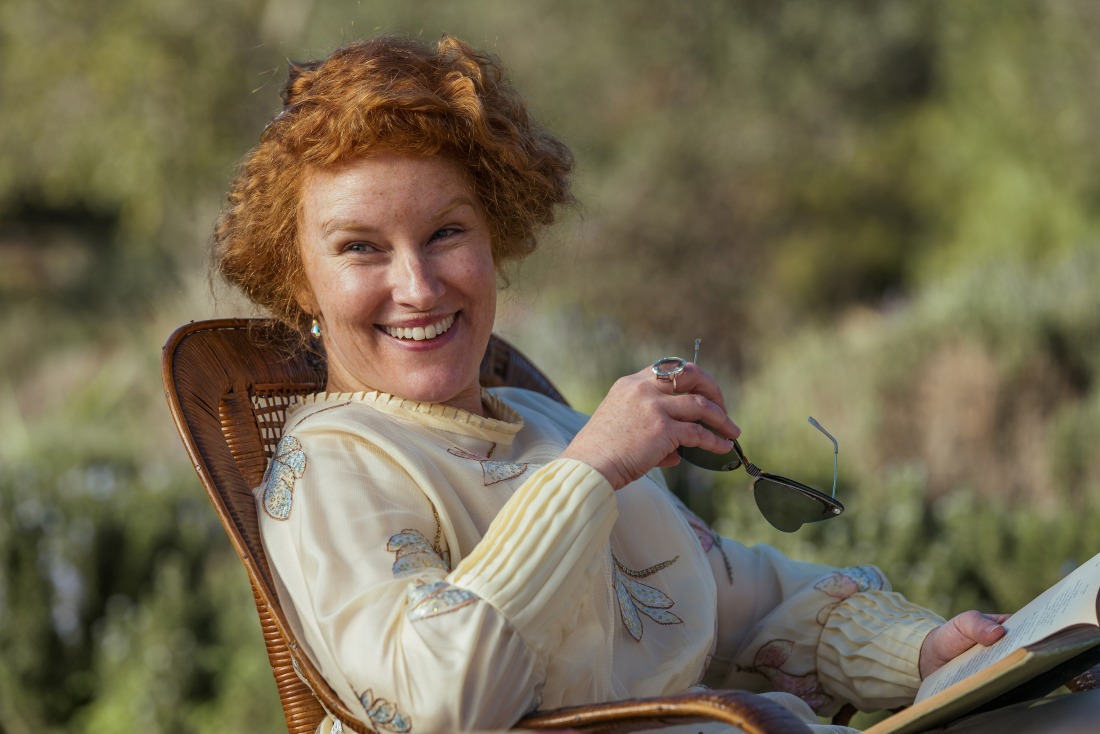
Augusta is a fervent suffragist who takes Sybylla under her wing. She encourages Syb’s literary ambitions and urges her to push back against the conventions that seek to dictate how a woman should live. She also leverages her connections to help Sybylla get published. It’s good to see someone take her writing as something more than just a pastime.
Nell’s sister Betty has a story of her own at Caddagat. She’s a housekeeper who is caught up in a romance with a white colonial policeman. But when she falls pregnant with his child, he refuses to marry her, fearing that marrying a First Nations woman might damage his career and reputation. He promises to support Betty and the child, only to decide to move away when a job offer comes along. His offer of support hardly makes up for his refusal to stand by her. Betty, however, refuses to be paid off. She chooses to make her own way and raise the child with her mother, who wholeheartedly backs her decision. Both sisters stand as tall examples of First Nations women.
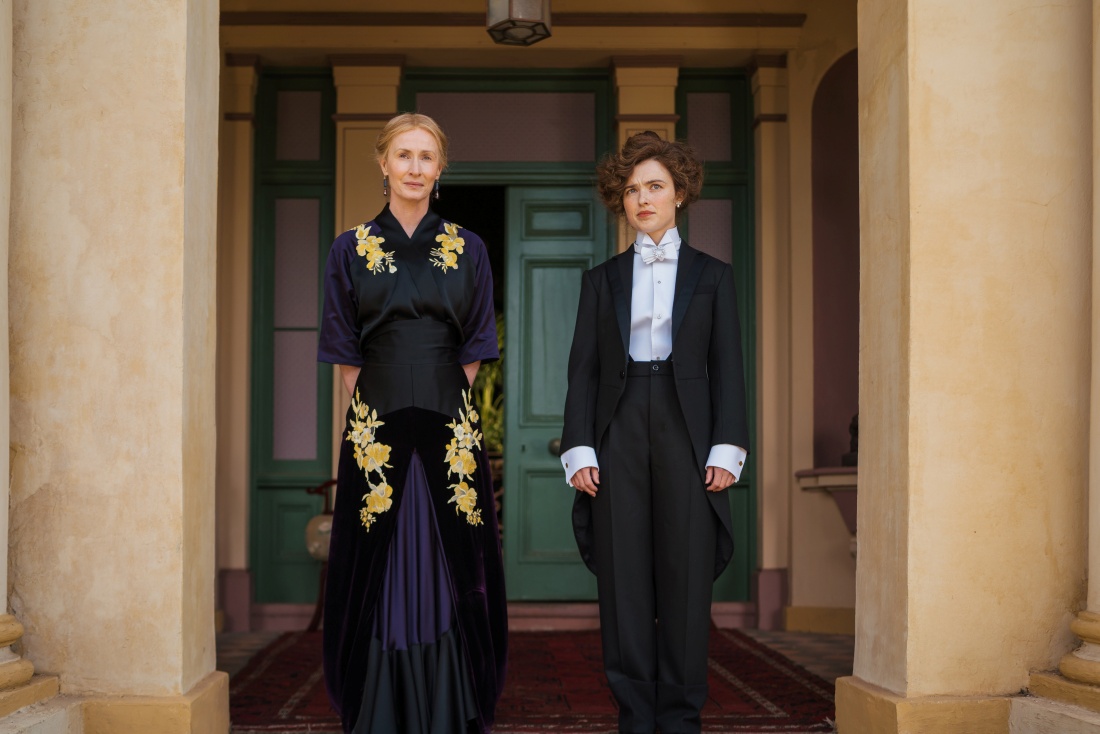
Even Sybylla’s Aunt Helen has her own moment of clarity. She admits that her husband stole from her and abandoned her for another woman, and she finally stops hiding behind faux respectability. She leaves Caddagat to make a life of her own and no longer cares what anyone thinks.
Towards the end, Sybylla herself leaves Caddagat to work as a governess and clear her father’s debts. This beautifully shows how she isn’t simply a firebrand railing against the world but is also capable and willing to shoulder responsibility.
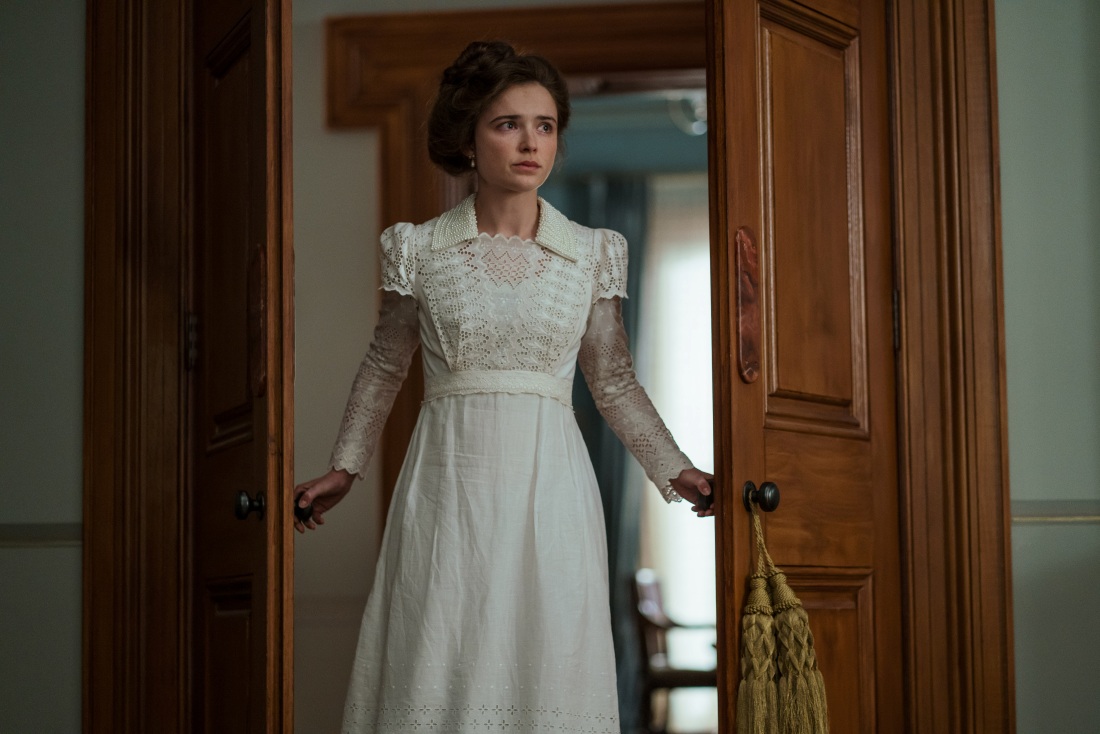
Harry Beecham, meanwhile, loses his fortune and backs away, saying he can only marry Sybylla when he is in a position to provide for her. Sybylla insists that she will wait for him, promising to return one day. While Harry sets about rebuilding his fortune, she returns to Possum Gully to work on her manuscript.
Then comes the great twist, in what many have called a goosebump moment. Sybylla returns after finishing her manuscript and meets Harry Beecham, the love of her life, but refuses to marry him. She tells him that she doesn’t want to be a wife. She just wants to be a writer, and she needs a lifetime to do it. She loves him so much that marrying him would mean completely giving up her identity. She’s well aware that if she becomes his wife, she will gladly let the domestic life swallow her up.
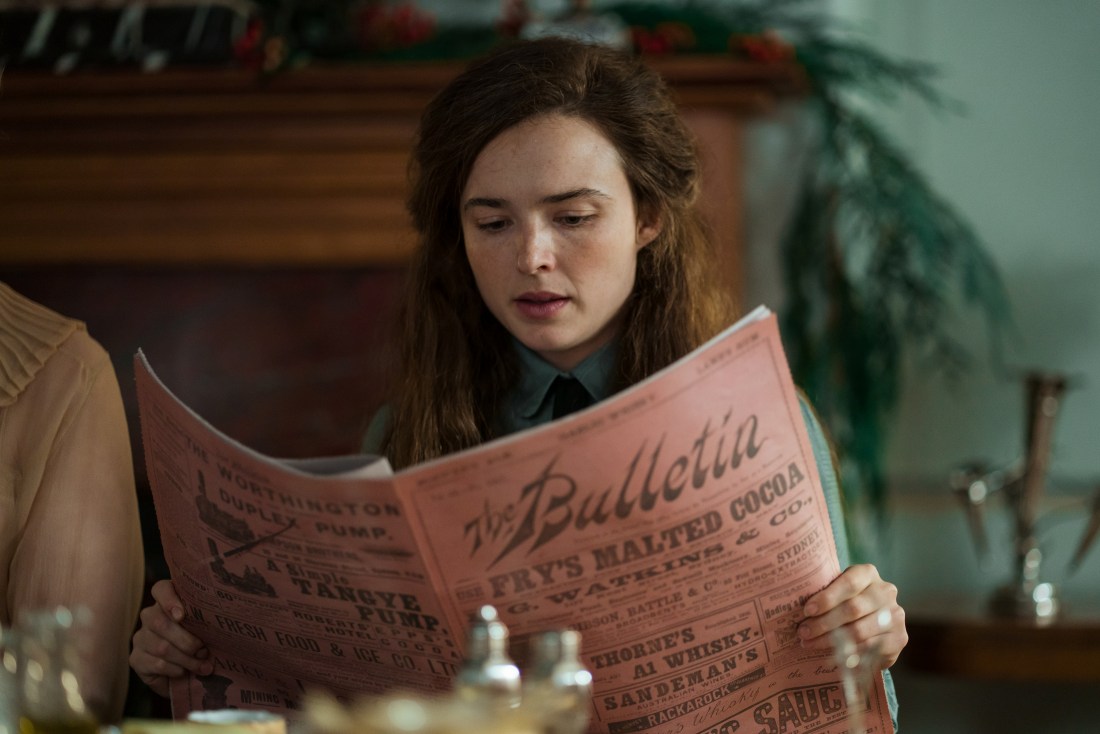
It is a curious sort of happy ending, and all the more satisfying for it. It refuses to treat a woman’s rejection of marriage as some great romantic defeat or to make her a ‘damsel in distress’. Sybylla proves that a woman can love someone deeply and intensely and still choose herself. And we come full circle, back to the moment before she leaves for Caddagat, when Gertie presses her on the move to Caddagat, saying, “Maybe you’ll fall in love with a handsome stranger.”
Sybylla delivers a splendid retort: “That’s your dream, Gert. Not mine. I want to create, not procreate.” The words belong to Miles Franklin’s 1901 novel, but even in 2026, they have lost none of their cheek.
Still brilliant, then, and still unwilling to behave.
