


by Dov Kornits
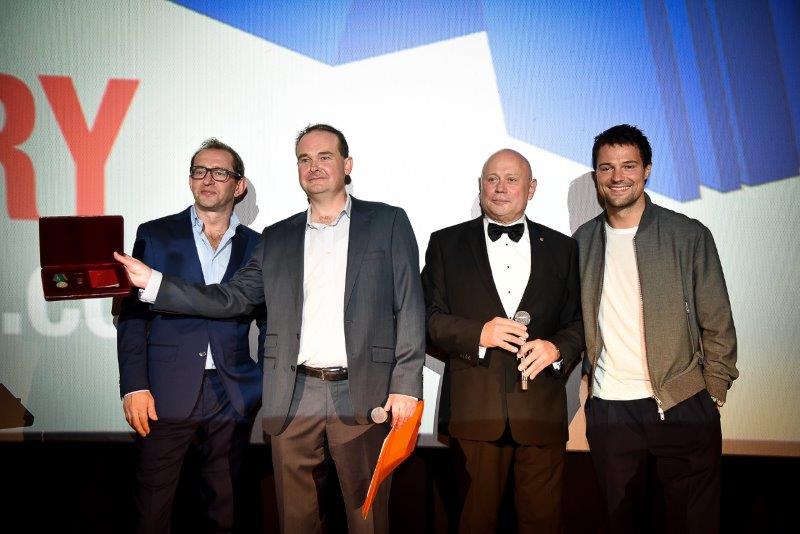
At the opening of the 2018 Russian Resurrection Film Festival in Sydney, the festival founder Nicholas Maksymow was presented with the Medal of Pushkin, awarded by the Russian Federation to its citizens for achievements in arts, culture, education, humanities and literature.
Surrounded by family, friends, associates, representatives of the Russian government, leading figures in Russian cinema, media and patrons, it was a truly touching moment, obviously a surprise for Maksymow.
As cynical as many in the West are of Putin’s Russia, to Nicholas, it’s the rich culture of this much maligned nation that drives his passion to continue the festival.
“When we started, we weren’t thinking much into the future, it was just a see-how-it-goes type of thing,” Nicholas tells us.
15 years later, Nicholas continues at the helm of this annual national event, which has had many ups and downs, but has also enjoyed the increasing wave of popularity for film festivals in Australian cinemas. “It’s the feedback, but it’s also the people close to me, even my daughter, who is only 14 now, but she’s told me a couple of times ‘don’t give up now because in a few years I will take it up’.”
Sponsorship is a crucial piece of the puzzle for film festivals, but due to the controversial politics, unfortunately Russian Resurrection often struggles to secure sufficient funds ahead of the festival to ensure its success. Thankfully, the healthy attendance by the public itself secures its ongoing success.
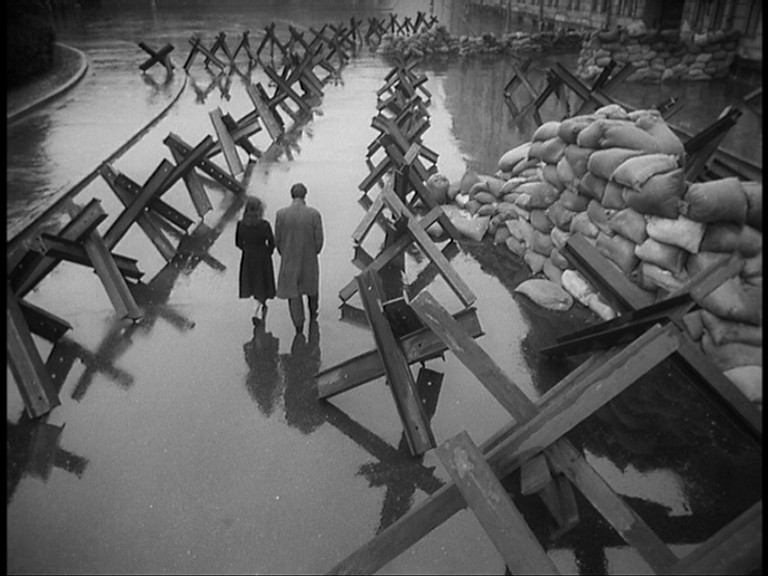
The festival also enjoys the support (not financial but curatorial) of Russian cultural organisations such as film studios Mosfilm (a restored print of the classic Cranes are Flying is screening this year) and Lenfilm (a studio famous for adapting Shakespeare, and enjoying a retrospective at the festival this year), and particularly the filmmakers themselves, who often struggle to have their films seen outside the mother country.
This year, Russian Resurrection has in excess of 10 guests visiting our shores, including Russia’s two biggest movie stars, who happen to have films that they star in and direct playing at the festival.
Konstantin Khavenskiy (Daywatch, Nightwatch) visits our shores for the first time with his directorial debut Sobibor, whilst Danila Kozlovsky is in Australia with the festival for the third time with his soccer-themed film Coach. “He has told that he really loves our festival because he describes it as a working holiday,” says Nicholas about Kozlovsky. “He’s able to come and do a bit of work for the festival, and then he’s also able to unwind. He has friends here, but he also loves Australian wine; he tends to disappear for a few days and go wine tasting. It’s really great having someone like him on board being supportive of the festival. He’s even written letters of support when we wanted to secure a particular film and couldn’t get it over the line, he would do a bit of lobbying.”
Opening the festival this year with Kozlovsky’s slickly made directing debut, Coach, is a fitting choice, of course, considering the recent FIFA World Cup. “He was actually the ambassador for the World Cup in Russia, being a big soccer fan himself,” says Nicholas about Kozlovsky. “There was quite a bit of negativity about the event, with some people even suggesting that it needed to be pulled and held somewhere else, and that Russia didn’t deserve it. Once the event got underway, it was all positive, which was good to finally get some good news coming out of Russia, because politically it’s always hard.”
And there is no denying that politics, be it bureaucratic or actual, plays a big part in a Russian film festival, though Nicholas is quick to point out that the sensitivities around the content of the films that he plays aren’t as strict as some would believe.
“Back in Stalin’s day, Eisenstein had problems with the release of Ivan the Terrible. But today, the Ministry does try to look to show a bit of distance when it comes to culture and not get involved as much.
“There are quite a few filmmakers that question the corruption in present day Russia,” he acknowledges before pointing to an example in his program for 2018. “Jumpman questions the political structure and corruption in Russia today. It was a film that we were really happy to get, and the Ministry didn’t look down upon [our decision]. It’s interesting that Russian filmmakers are able to make films that might be controversial because they are Russian…” he trails off, suggesting that if the filmmakers were from outside of Russia, then it would be deemed as inappropriate.
And what themes has he noticed as trending in the films that he’s programmed for the festival this year? “Friendship and camaraderie,” answers Nicholas. “Coach is all about soccer and the camaraderie of these underdogs trying to get into the league. I’m Losing Weight, the romantic comedy, the underlying theme is that a good-looking girl develops a really good friendship with the unpopular guy to help each other when it comes to difficulties that they face in life. Sobibor [a WW2, concentration camp set historical epic] has similar themes.
“The comedy, Night Shift, is one of the strongest comedies we’ve had in the past 15 years,” Nicholas continues “The Soviet Union used to make great comedies, but in the period from the late ‘90s to the present day, comedies are something Russia has struggled with, but this one really hits the mark. It’s about two guys who have been told that they’re not going to get paid because their company is going bankrupt. They help each other and end up working in a [male] strip club. If Putin is so anti-gay and there are no gay rights in Russia, then this film has made it under the radar because it deals with those themes…”
It’s an appropriate way to end our chat with Nicholas Maksymow, who runs this ever-growing film festival because he is passionate about Russian culture. Yes, there are problems inherent in all societies and political stances, but he, and his audiences, the people, want to celebrate the human spirit and that is why we hope that the Russian Resurrection Film Festival continues for at least another 15 years. “Historical epics do really well,” ends Nicholas when we ask him what tends to be the most popular genre of the festival. “Anything that shows Russia in a positive state, and I think they’re successful because they don’t get involved in politics.”
The Russian Resurrection Film Festival is currently travelling around Australia.

Please, correct KhaVenskiy to KhaBenskiy