


by Dov Kornits
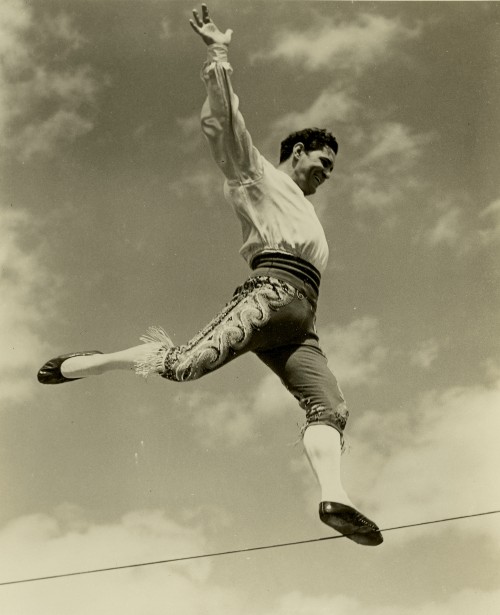
Born in Alice Springs, growing up in Maclean until her teenage years, and then Sydney for high school, we speak with Pauline Clague today from Grafton, where she is helping her ailing father. Appropriately, we’re speaking about The Colleano Heart, a breathtaking documentary about the Colleano family, legends of early 20th century circus, who had to hide their Aboriginality as they travelled Australia and the world. Pauline Clague is a distant relative of the Colleanos.
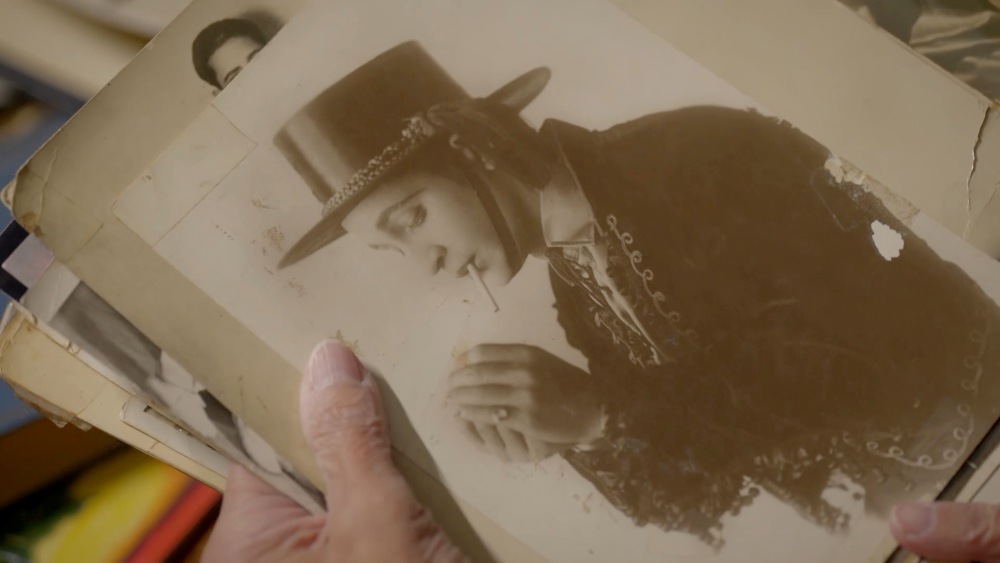
”Sometimes, there are stories that you, even as a producer, research forever,” says Clague. “With this one, I had been told this story as a little child by my mum, and when I was about 12, I started collating newspaper articles. When I moved into the film industry, I kept dabbling and building … I have a database of about 6,000 articles that thread the story of the Colleanos, because they’re larger than life. They did amazing stuff. They were a part of world movements! They were Forrest Gumping.”
 What do you think your story says about Indigenous people in this country, and what does the experience of the Calleanos say?
“It’s quite complex, and that was the hardest thing. It’s an epic film just on what they did, but it’s an epic film in trying to tell a historical side of Australian history that very few have heard about or have grasped what happened between that period of massacres and removal from land to the point of federation and the policies that were created; that was another form of resistance in a way.
“We talk about the stolen generation in this country, but we don’t talk about that 1850s to 1909 period of the hidden generation. And people evaded the policies at that time, and how do we bring them back into the fold as a part of the conversation for our identity in Australia?
“Some people just wanted to survive without being under government policy. We keep talking about identity, what is our Australian identity, especially in these times, and we don’t spend a lot of time doing some truth-telling and some real understanding of the complexities of how our country developed, especially in New South Wales, and how complex some of it became, and how we need to understand it and move to a better way of having a conversation about what our identities are in this day and age.
“It’s complex and it’s hard, but we have to reach back to country and connect to the core part of why we’re here.”
What are your thoughts on assimilation, especially with regards to the Colleanos?
“Maybe they were exceptional. But maybe, if our mob had been given the chance to thrive, imagine how many Colleanos we could have had.
“Instead of just the one or two that shine up into the spotlight, we may have had more opportunity if people had been given the shot to have freedom of thought and freedom of work and were empowered.
“Culture is not stagnant. As it evolves and adapts and we take what we can to be better and to be stronger, but understanding the traits and the principles of what our forebears gave us in terms of connection to country and spirituality, that’s what is so beautiful about this family. Even though they were hiding in a way or shape shifting in some sense, they had some real communal indigeneity traits that just shone through when you met them.”
 Is there talk about making it into a narrative drama or film?
“I think the family are keen to … It should be a series because it’s so big. We couldn’t tell all of the story. There are articles about Morris … I think they did two Royal Galas. And the first time that they performed for the Royal Gala, Princess Margaret was laughing so hard, she fell off the chair, and it was Princess Elizabeth that kept on trying to pull her back up under the chair and Maurice was hamming it up more because he realised that he’d gotten her. And there was this little titter-tatter about him and her in the paper for a day or two. And you just sit there and you go, it’s beautiful that they were able to be free and to live that extraordinary life at the same time when half of their cousins were being put under control of the government.
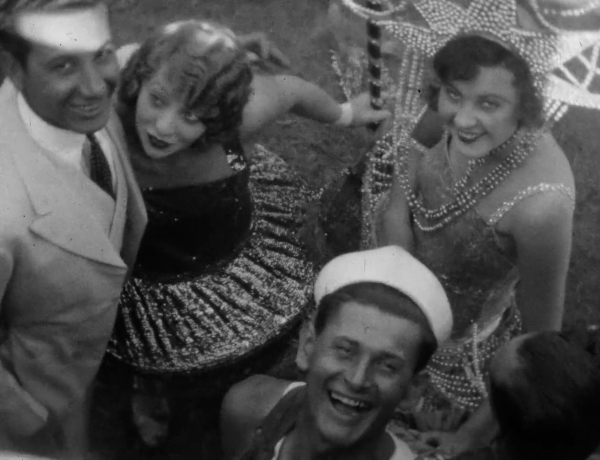
“For me, the reason why I wanted to tell this film is because amazingly, Con brought a camera in 1924 and started filming the family. Looking at their footage, and seeing that joy in the family, seeing a celebration of life was something that I think we don’t see a lot for our people in that 1920s to 1960s period. I wanted to celebrate that through the resistance, our people still had joy and still had life, and we’ve got to shape some healing out of this country. And I hope that the bits of footage that we did use helped to shape a very different skew on what the potential of this country’s identity could be.”
The Colleano Heart screens on SBS on 26 January 2026
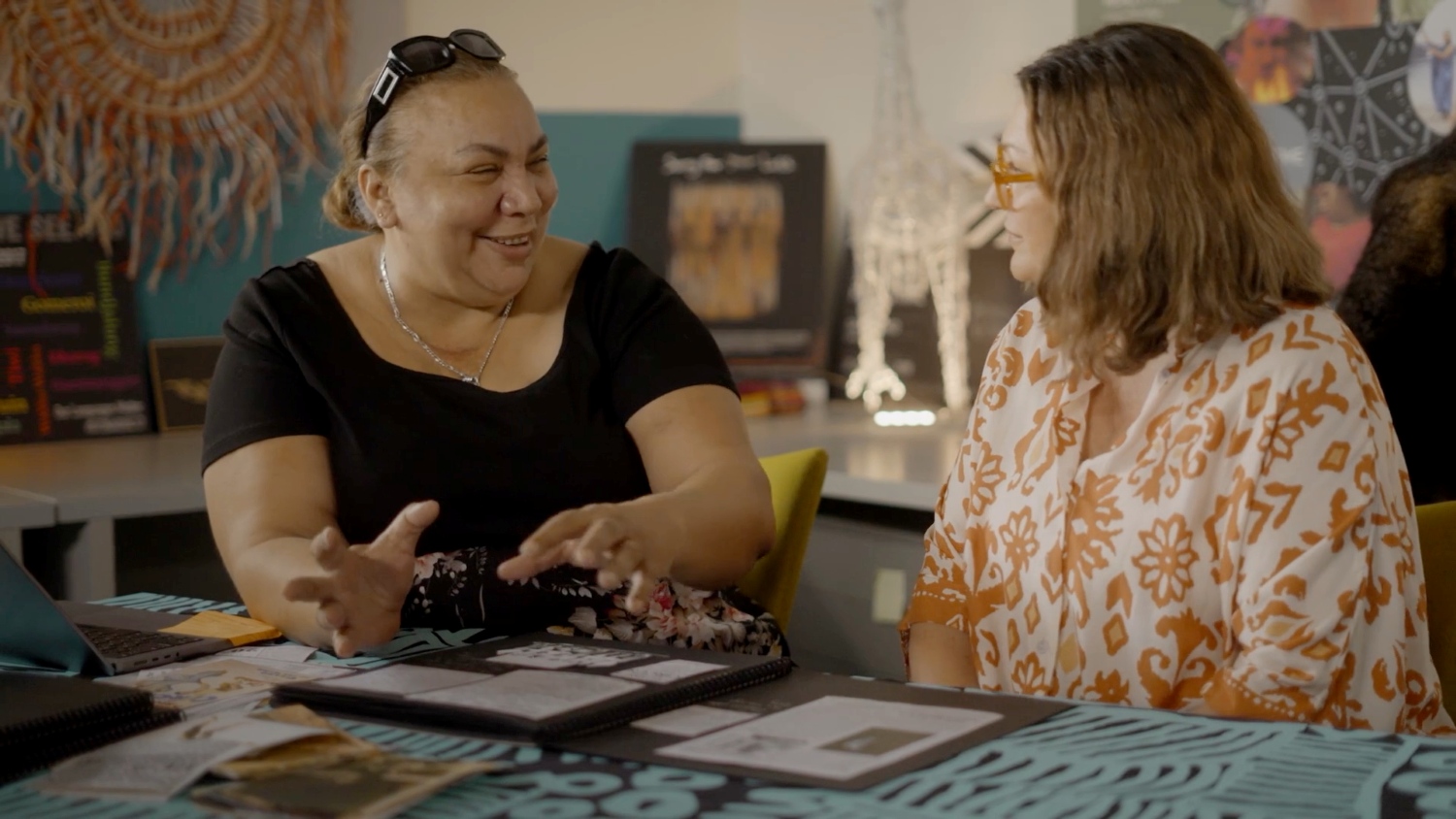
Main Image: The Colleano Heart Director Pauline Clague with historian Deb Hescott
