


by Chloe Samson
The 74th Melbourne International Film Festival opened on August 6 with something like 300 screen works packed into 18 days. Nobody sees all of them. Nobody who has a job sees more than about 25. So the real festival, the one that actually happens inside your calendar, is a smaller and much stranger thing: a set of bets you make with your evenings before you know how any of them pay off.
I’ve been doing this long enough to know the shape of the problem. You’ve got a festival pass, a handful of free nights, and a program guide thick enough to double as a doorstop. Some sessions are obvious picks. Others are pure speculation on a director you’ve never heard of, in a genre you don’t usually like, at 9:40pm on a Tuesday when you should be asleep. That’s not a complaint. It’s the whole appeal.
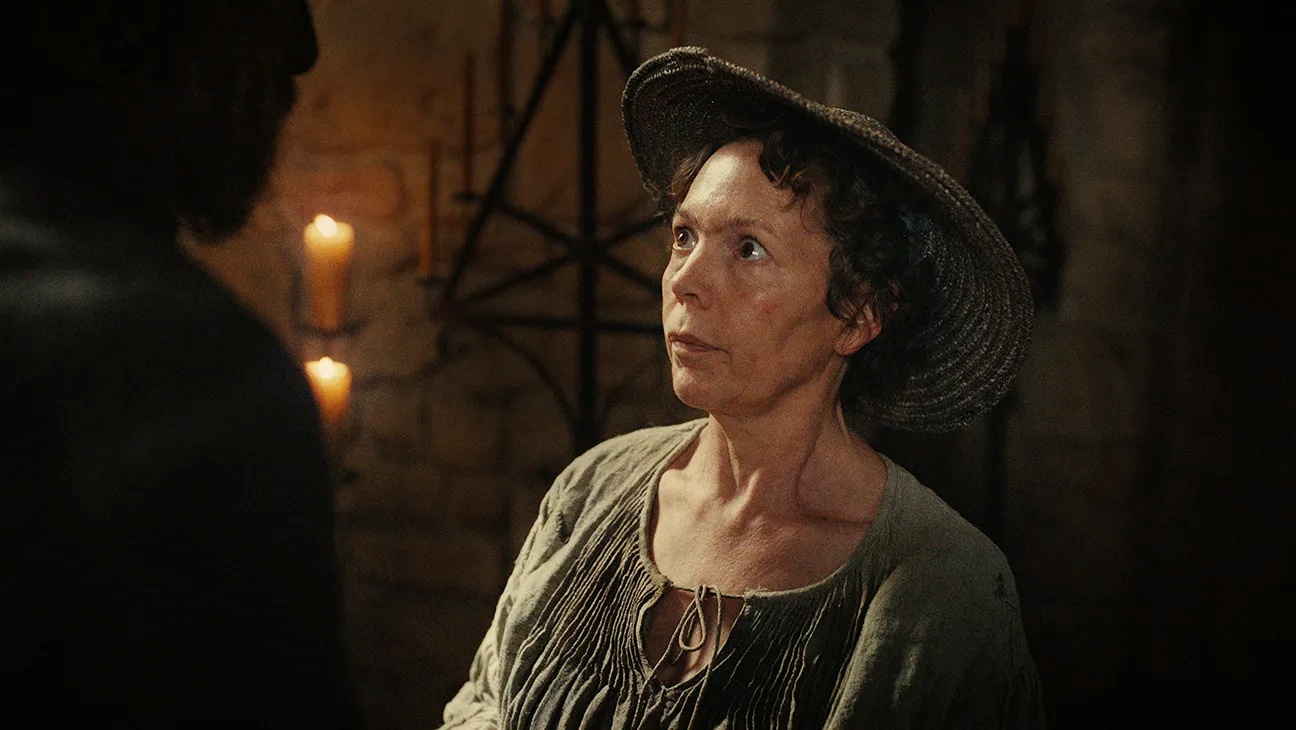
Opening night set the tone for how this year wants to be read. Wicker, the Sundance-premiered fable from Australian-born director Eleanor Wilson, got the gala slot and a spot in the Bright Horizons Competition, which is MIFF’s way of saying: we believe in this one, but we’re still hedging by putting it in a competition bracket rather than declaring it untouchable. That’s a calculated risk dressed up as a certainty, and once you notice that pattern, you see it everywhere in the program.
Every serious festival-goer runs an informal odds table in their head. Reputation of the director. Buzz out of Sundance or Cannes. Runtime (nobody wants a 190-minute punt on a Wednesday). Whether the session clashes with something safer. You’re pricing in risk against a limited bank of time, which is a more honest way to think about festival selection than pretending every choice is driven by pure taste.
That same instinct, sizing up the odds before you commit something valuable, shows up everywhere once you start looking for it. It’s why Australians increasingly do their homework before parting with money online too, checking reviews, payout speed, licensing, all the boring due diligence that separates a good bet from a bad one. Sites that break down the best online casinos exist for exactly that reason: people want the vetting done before they commit, not after.
Anyway. Back to the program, because that’s where the actual decisions get interesting this year.
The safe bets
Every MIFF has a tier of films that are, functionally, not gambles at all. This year that tier includes the Tina Arena documentary, which got its world premiere slot according to Rolling Stone Australia’s festival coverage. A hometown music doc with a built-in audience, a subject people already love, and zero risk of the room walking out confused. If you want a guaranteed good night, this is it.
Retrospective slots carry similarly low risk. A restored print of a film you already know you love isn’t a bet, it’s a withdrawal on money you banked decades ago. Fine choice. Just don’t confuse it with the actual sport of festival-going.
The medium-risk tier
This is where most of the program actually lives, and where most people should be spending their limited nights. A director with one strong previous feature. A genre exercise from a country whose cinema you don’t follow closely. Time Out Melbourne’s rundown of this year’s line-up flags several titles here worth the punt, films with festival buzz but no guarantee, the kind of picks where you’re trusting the programmers’ taste rather than your own prior experience.
I’d put money on at least two of these clearing 4 stars by the festival’s second weekend. Won’t say which. That’s the fun part.
The long shots
Every year there’s a slot, usually late, usually undersold, that ends up being the thing everyone talks about at the pub afterward. Nobody can tell you in advance which one it is. That’s structurally true of long shots. If you could identify them reliably beforehand they wouldn’t be long shots, they’d just be under-marketed safe bets.
What you can do is stack the odds a little. Pick the weird one when the programmer’s note reads like they’re personally obsessed with it rather than professionally obligated to describe it. Pick the one from a country with a strong recent run, even if you don’t know the specific director. Skip the one that sounds exactly like four other films already in the program; festivals over-program trend-chasers, and trend-chasers rarely surprise you.
Real risk, when you take it deliberately and with some information behind you, is a very different thing from just guessing. That distinction matters whether you’re picking a 9:40pm session on a director you’ve never heard of or deciding where to put money down on anything else. The people who do well at either aren’t the ones who avoid risk altogether. They’re the ones who did fifteen minutes of homework first.
What the bigger picture says about this year’s bets
It’s worth noting MIFF isn’t operating in a vacuum this year. The wider Australian film industry has had genuine momentum through 2026, and initiatives like Australians in Film’s UNTAPPED program are explicitly built around backing early-career talent before the wider industry has priced them in. That’s the same logic as a good festival pick: get there before the consensus does, based on something more than a hunch.
If you’re after a FilmInk deep dive on the craft side of these bets, our piece on cinematic storytelling is a decent primer on what separates a film that earns its risk from one that’s just betting on shock value alone.
So, which films are actually worth it
If you only manage six sessions across the 18 days, I’d split them three ways. Two safe bets, so you’re not walking out of the festival having hated everything. Two medium-risk picks from directors with at least one good prior credit, the Broadsheet program overview is a solid place to shortlist these. And two genuine long shots, picked on instinct and a programmer’s note that sounded a bit too excited.
That ratio isn’t scientific. It’s just the same portfolio thinking any experienced bettor applies to a card with more options than money. Diversify, but don’t diversify so hard you end up with six mediocre certainties and no story to tell afterward.
MIFF runs through August 23. Whatever you pick, pick something you weren’t sure about. The safe bets will still be there next year. The long shots won’t be, not in this exact form, not with this exact cast and crew and moment in their careers. That’s the whole reason the festival works.
