


by James Mottram
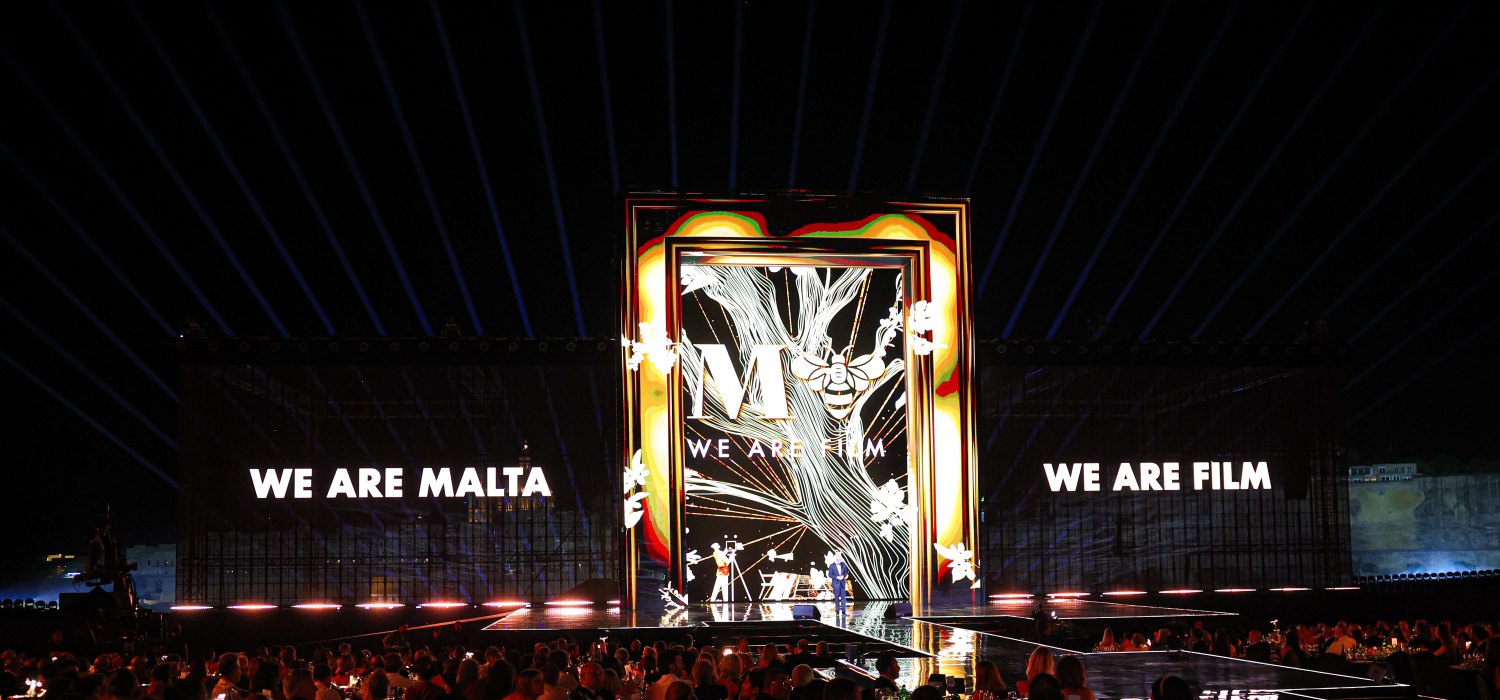
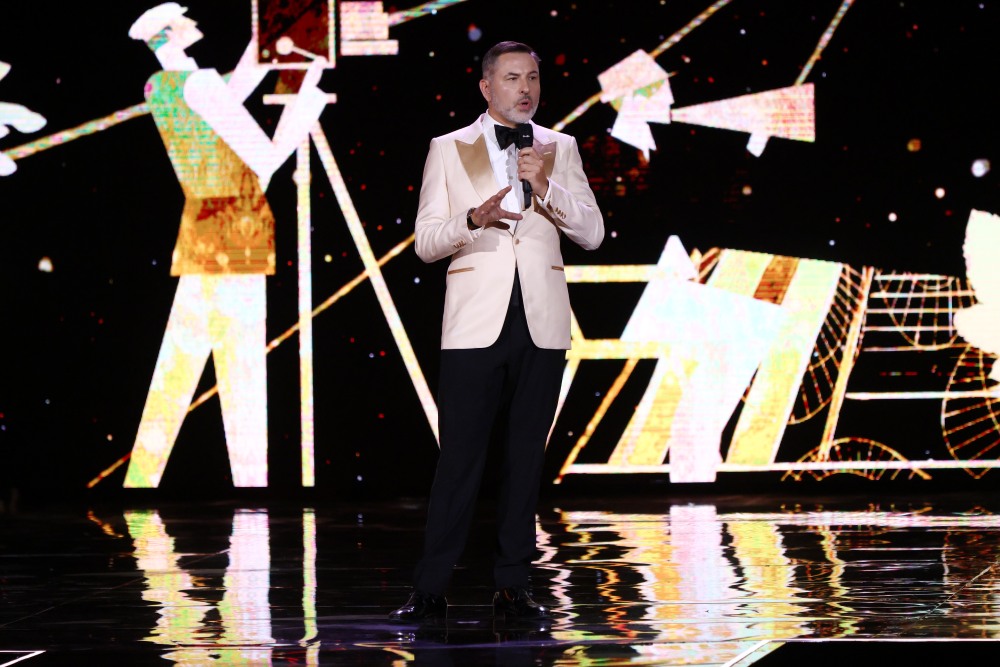
The third edition of the Mediterrane Film Festival, a nine-day celebration of cinema in Malta culminated with a glitzy award show, the Golden Bees. Presented by British comedian David Walliams, who suggested in his opening salvo that the audience was made up of those who didn’t get an invite to Jeff Bezos’ wedding (the jokes didn’t get much better, sadly). There were fancy musical numbers, including two songs by Emeli Sandé, and awards given out by guests including Mad Men’s Jared Harris and Thunderbolts* director Jake Schreier.
Held at the Maltese capital Valletta’s stunning Fort Manoel, the firework-drenched finale was preceded by the final award of the night: the Malta Film Legend. Collecting it was Australia’s most famous adopted son, Russell Crowe, the Gladiator star back on the island where he filmed Ridley Scott’s Roman epic just over a quarter of a century earlier. Accompanied on stage by Johann Grech, the tireless Malta Film Commissioner, a svelte-looking Crowe seemed genuinely pleased to return to the sweltering heart of the Mediterranean.
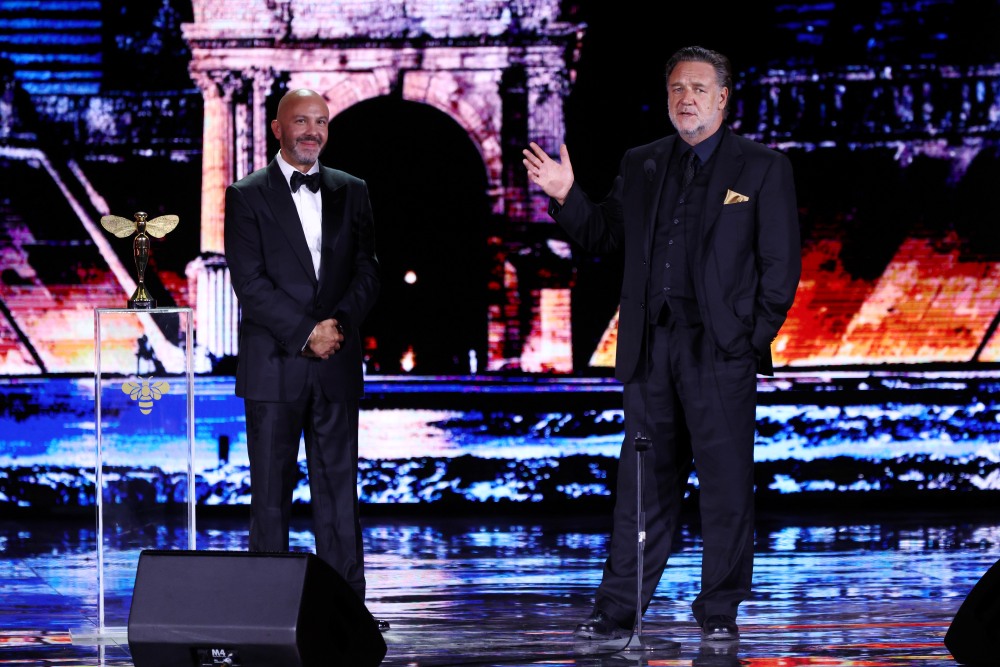
“Twenty-six years ago, you could say, in a funny way I became a man in Malta,” he told the audience. “For whatever films I’d done before then, nothing had the majesty, ambition and budget and ultimately reach of Gladiator. I say became a man because it wasn’t an easy production. I had to fight every day for the integrity of the character [Maximus] I was playing, just like the journey of the character himself in the movie. And sometimes you get lucky enough to make something that resonates with people.”
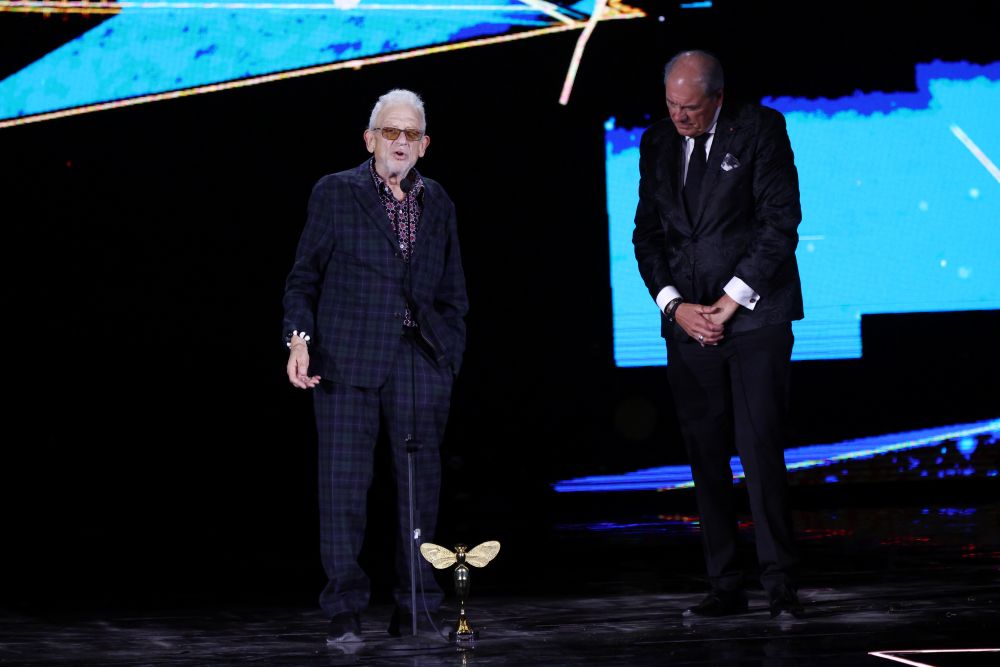
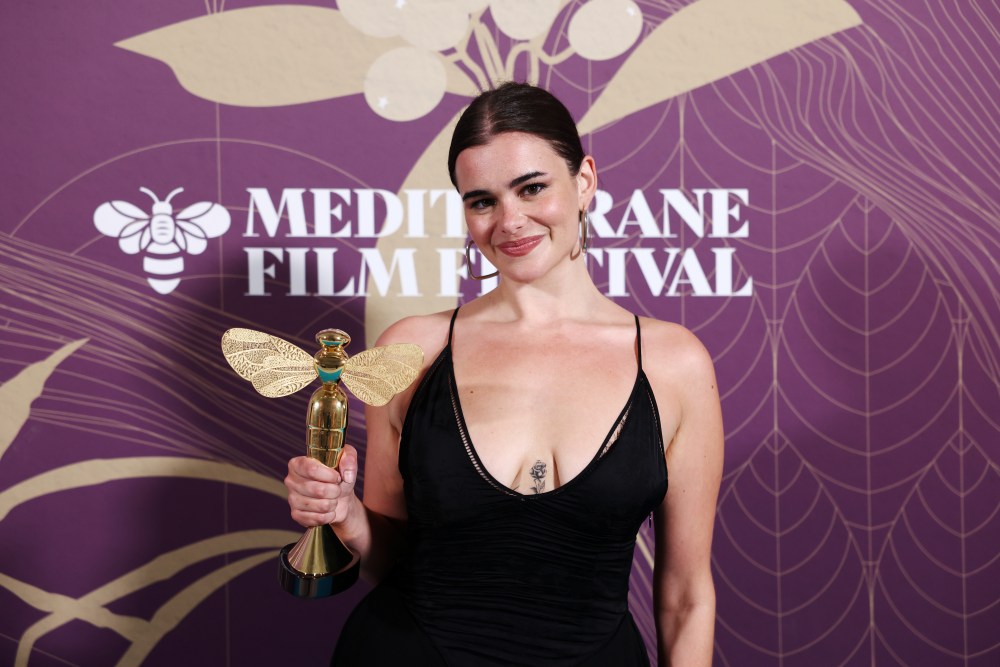
Crowe wasn’t the only film icon getting his due in Malta. Jeremy Thomas, the famed British producer behind Bernardo Bertolucci’s Oscar-winning epic The Last Emperor, David Cronenberg’s Naked Lunch and Takeshi Kitano’s Brother, to name but three, received a Golden Bee for Lifetime Achievement. At the other end of her career, Barbie Ferreira – the 28-year-old American actress-model known for Euphoria and Jordan Peele’s Nope – was the recipient of the Rising Star Award.
The big theme of the evening, and the festival as a whole, was celebrating Malta’s 100 Years of Film. A century has passed since the very first movie, 1926’s Sons of the Sea, was shot on the island, which in recent years has become a destination for big-scale Hollywood productions. Indeed, the festival opened with a well-attended outdoor screening of Scott’s 2024 sequel Gladiator II, held in the grounds of the impossibly glamorous Fort Ricasoli, where some of the movie was shot.
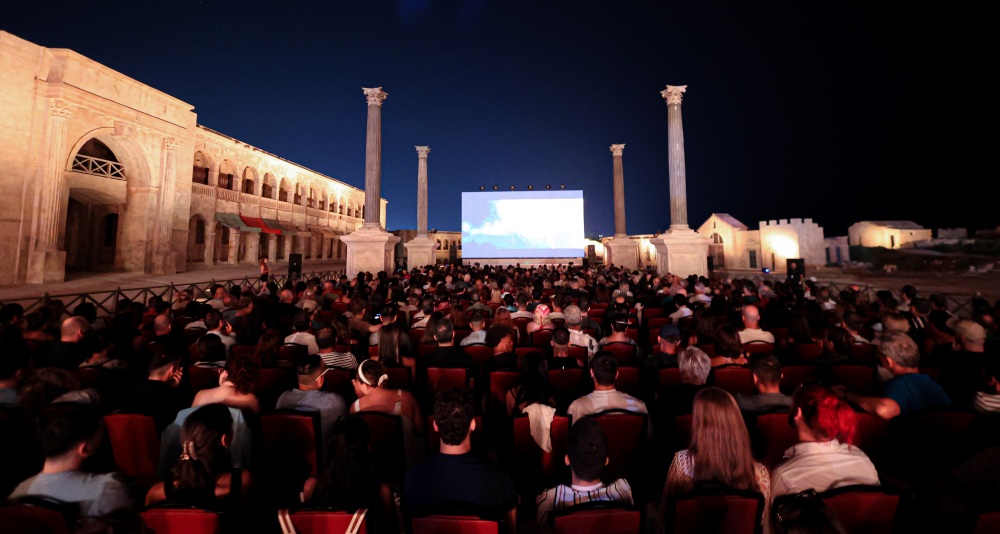
Without doubt, there was something magical about watching the film there, especially given the displays of costumes and props from the production, including Maximus’ armour in the very alcove where Paul Mescal’s son Lucius discovers it. Other celebratory screenings, at both Ricasoli and Laparelli Gardens, in central Valletta, included Justin Kurzel’s Assassin’s Creed, Robert Altman’s Popeye, Wolfgang Petersen’s Troy and Blue Hawaii, the Elvis Presley-starring rom-com from 1961.
As festivals go, Mediterrane is as much about showcasing what Malta has to offer for filmmakers as it is bringing brand new cinema to local audiences. Close to Fort Ricasoli is Malta Film Studios, with its two enormous water tanks that have been used for myriad productions, from Raise the Titanic to the incoming Jurassic World Rebirth, which partly filmed its thrilling Mosasaur sequence there. Grech is also plotting to build a soundstage, making Malta one of the destinations for blockbusters in the region.
Crowe, in his acceptance speech, certainly praised these ambitions. “I would encourage government to keep adding to their commitments to the arts and to support the further education of young Maltese people who want to explore film as a career in whatever capacity,” he stated, “because it truly takes a village to make a movie.” With two selections of local shorts playing in the festival, the MFF’s mission statement was clear: take pride in your homegrown filmmakers.
Sadly, the festival’s world premiere, the Valletta-set The Theft of The Caravaggio, was something of a disappointment. Directed by Joshua Cassar Gaspar, this gloomy, amateurishly-made tale is not quite the slick art heist movie you might expect. Rather, it’s a somewhat maudlin tale involving a troubled priest (Paul Kissaun) with a stricken sister. Those who saw it were better off visiting the nearby St. John’s Co-Cathedral, where two Caravaggio masterpieces hang, including ‘The Beheading of Saint John the Baptist’.
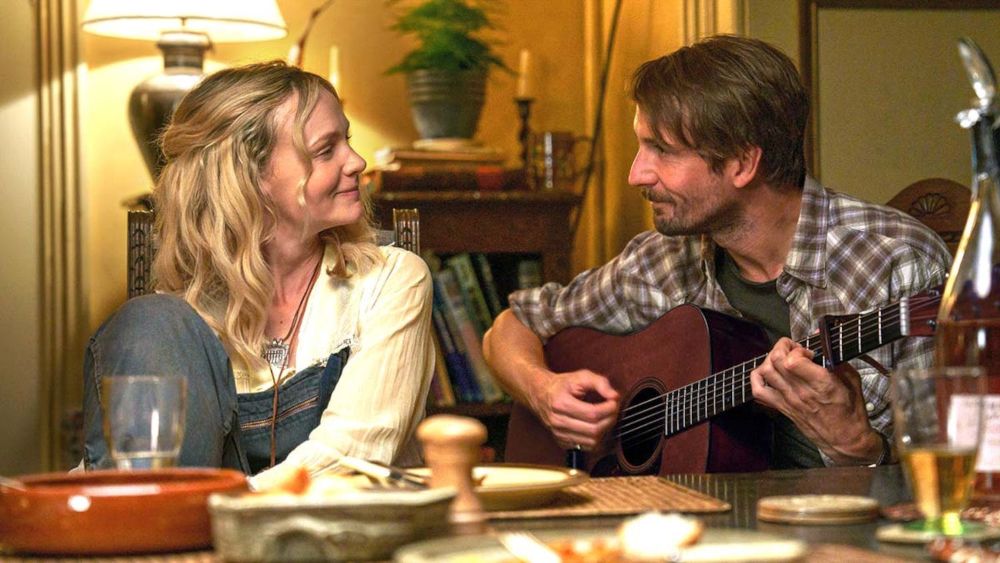
Easily the best film playing in competition was James Griffiths’ The Ballad of Wallis Island, the bittersweet British comedy that started life as a short by the film’s stars Tom Basden and Tim Key. The latter plays Charles, an eccentric lottery winner who decides to reunite his favourite folk-singing duo (Basden, Carey Mulligan) for his own private concert, despite the fact that the couple have long since separated. A film as charming as it is poignant.
Also impressive was Rebecca Lenkiewicz’s Hot Milk, which premiered back in February in competition at the Berlin Film Festival. Based on the novel by Deborah Levy, this sultry, summery tale set on the Spanish coast stars Emma Mackey (Sex Education) and the incomparable Fiona Shaw, in a story that deals with the oft-complex and fraught relationship between an ailing parent and her young daughter, who must play nursemaid at a time when she should be discovering the world around her. The enigmatic Vicky Krieps also stars.
The Golden Bee’s People’s Choice award – one voted for by the audience – went to Four Letters of Love. Set on the West Coast of Ireland, this whimsical tale stars Pierce Brosnan as a wild-haired father, who gives up his desk job to answer his true calling and become a painter. Co-starring Gabriel Byrne and Helena Bonham Carter (complete with credible Irish accent), it’s a little full of blarney but its heart is in the right place. As director Polly Steele said when collecting her award, “Life is magical…there is mystery and magic in life.”
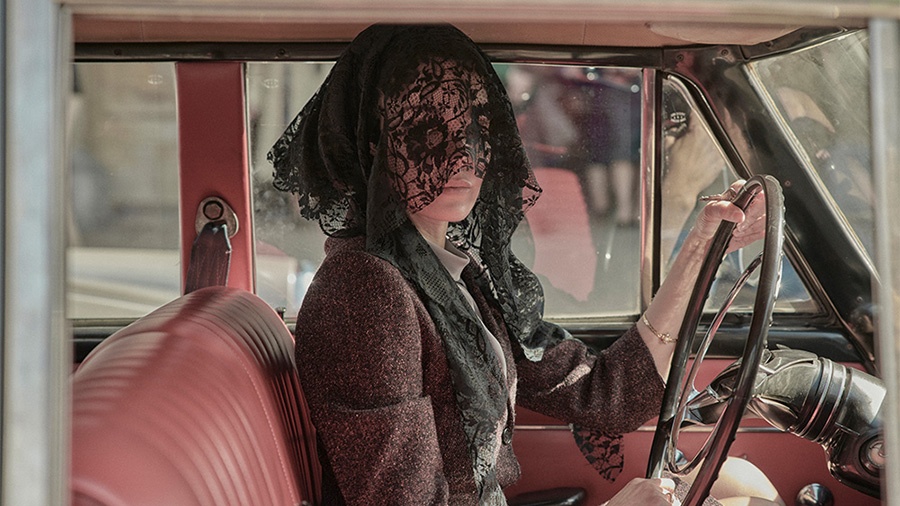
While Best Film went to the Tunisian road movie Where the Wind Comes From, written and directed by Amel Guellaty, the most celebrated movie at the festival was 8 [above], the latest work from Basque filmmaker Julio Medem (Lovers of the Arctic Circle, Sex and Lucia). Winning Best Screenwriter and the Jury’s Choice awards, the story tracks two people, born on the same day in 1931, whose lives intertwine in post-Civil War Spain. Starring Javier Rey and Ana Rujas, it was heartening to see Medem – a one-time great hope of cinema from the region – back on form.
Away from the films themselves, there was an impressive array of masterclasses and industry panels. Production designer Rick Carter, one of the jury members, was on hand to talk through his career, one that’s seen him work multiple times with both Steven Spielberg and Robert Zemeckis. One of the highlights was when Carter screened rarely-seen behind-the-scenes footage of both of Spielberg’s dinosaur classics Jurassic Park and The Lost World, showing the director at his most nimble.
One of the most stimulating panels was The Future Creatives (AI), which addressed the subject on everyone’s lips: how will cinema be affected by artificial intelligence? Will AI tools help or hinder filmmakers? Will the filmmaker of the future be someone with AI knowledge? “This is a research and development incubation period,” remarked executive producer Angus Finney. But it was one of his fellow panellists, Nancy Bennett, who struck the most sombre note: in five years’ time, AI might be making films about us and distributing them. Now that’s a sobering thought.
