



by Dov Kornits
“I started out producing shorts and working across multi-platform content creation, advertising, feature film, online media, documentary and branded entertainment space,” answers the affable Melbourne-based producer Jason Byrne.
He continues by rolling off his best-known credits:
WEB SERIES
How to Talk Australians (2014), which garnered over 6 million YouTube views;
Comedy Little Acorns (2016);
Period black comedy Bruce (2016) starring Dave Lawson, Angus Sampson and Richard Davies.
DOCUMENTARIES
Beyond The Backyard for ABC TV
Feature length Shadowplay (dir. Josh Whiteman, 2009) for ABC TV;
A Brilliant Genocide (dir, Ebony Butler);
Doco-drama Tom Wills (2016);
Gatwick – The Last Chance Hotel, which aired on ABC in November 2018;
Eva Orner’s The Burning for Prime Video, which premiered at the Toronto International Film Festival;
FEATURES
One Perfect Day (dir. Paul Currie, 2003);
Little Deaths (2004);
Rats & Cats (dir Tony Rogers 2005);
The Heartbreak Tour (dir. Ben Chessell, 2005);
Sucker (dir. Ben Chessell, 2015);
Brothers’ Nest (dir. Clayton Jacobson, 2017);
A Savage Christmas (dir. Madeleine Dyer, 2023);
He Aint Heavy (dir. David Vincent Smith, 2023);
Jason Byrne has never been busier. “Australia is such a fertile environment for great storytelling,” he says. “We have a rebate system which just makes projects possible, Federal and State funding support that really elevates development and broadcast options internationally and nationally that embraces good storytelling. It feels like we have captured our vernacular, our accent and cultural idiosyncrasies. It’s good, but always tough. That’s the business.”
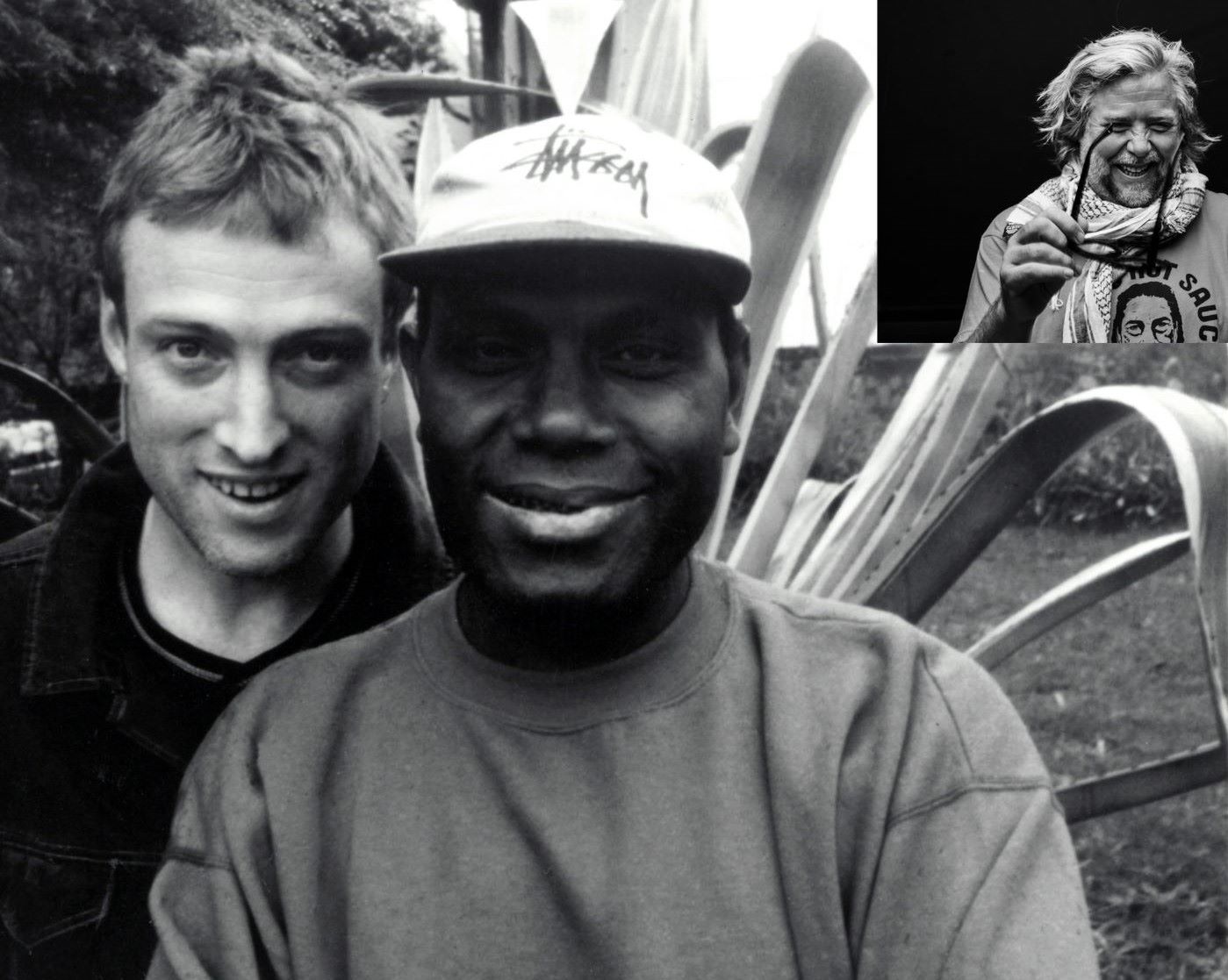
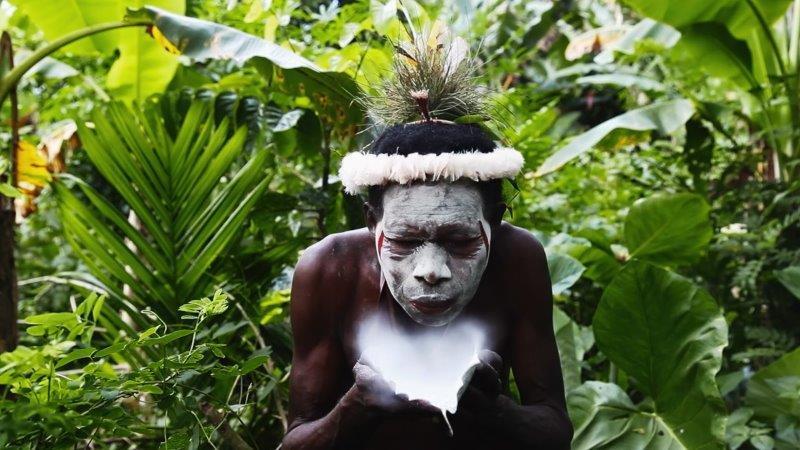
Byrne’s documentary Abebe Butterfly Song tracks the special relationship between renowned Australian musician/composer David Bridie and Papua New Guinea’s leading musical export Sir George Telek. Their relationship was formed many years ago, with Bridie helping Telek and his music to travel around the world. They’ve both been through the wars – devastating earthquakes, cancer, drug addiction – but they arrive on the other side with a respect and a love, galvanised by music, that makes this documentary both a musical journey of the highest order, but also a highly emotional experience that we can all relate to.
Can you discuss how you became involved in producing Abebe Butterfly Song? I understand that it was your idea, how did you go about pitching it to David, Telek and the creative team?
“David and I first worked together back in over 25 years ago on a pair of short films, Tulip and Roundabout, written and directed by Rachel Griffiths and produced with Louise Smith.
“From the relationship we established there, we first talked about the idea of doing a documentary on [Bridie’s band] Not Drowning Waving, and their relationship with Stringband Musicians from Papua New Guinea and in particular, George Telek.
“It was something that both David and I were very interested in pursuing, and as David already had such strong bonds established with Telek, he did a lot of the pitching from that point on. I was also a huge admirer of NDW and David’s compositional talent with regards to sound design for film.
“To be honest, it hasn’t been hard to convince people to get involved with a film that has at its heart such a strong and positive message. David and I began the journey together, eventually collaborating with the original writer Ian Foster and the wildly talented Catriona McKenzie; only to partner in the last 2 years with the incredibly talented and humble Director Rosie Jones [The Family].
“As soon as people heard about the project and listened to the music, people have wanted to see this film happen.”
How was the screening (and performance) received at the MIFF World Premiere?
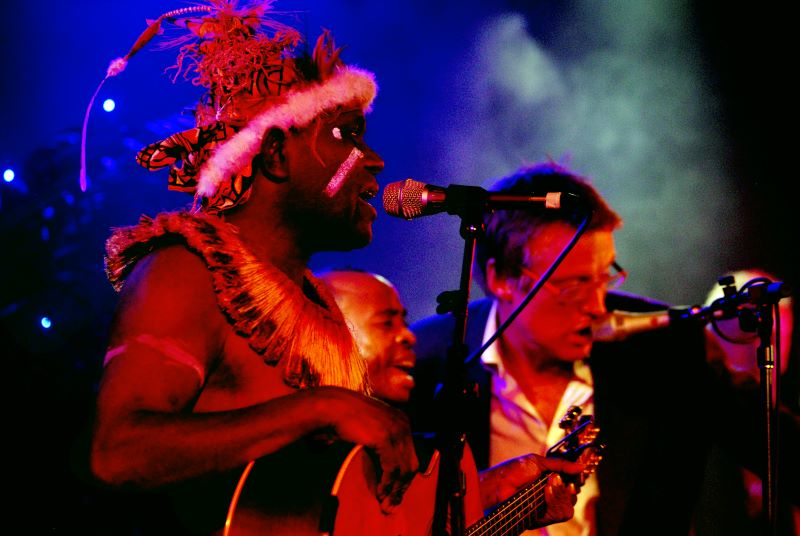
“The premiere screening was perhaps one of the most wonderful and humbling nights of my life. The response was so overwhelmingly positive, and you could feel the energy that made the whole two-decade journey feel worth it. To be able to follow that up with an intimate performance by Sir George Telek, David Bridie, Phil Wales and John Phillips with some of the songs that have shaped their career, finishing with the one that sparked their original friendship, ‘Abebe’, was truly extraordinary.
“I wasn’t surprised that the whole theatre rose to their feet for a 5 minute standing ovation. The reviews have been humbling.
“I’m very grateful for the support we’ve received from the MIFF team, in particular Al Cossar and Victoria Pope to ensure we had such a terrific first pair of screenings.”
Have you spent time in PNG yourself?
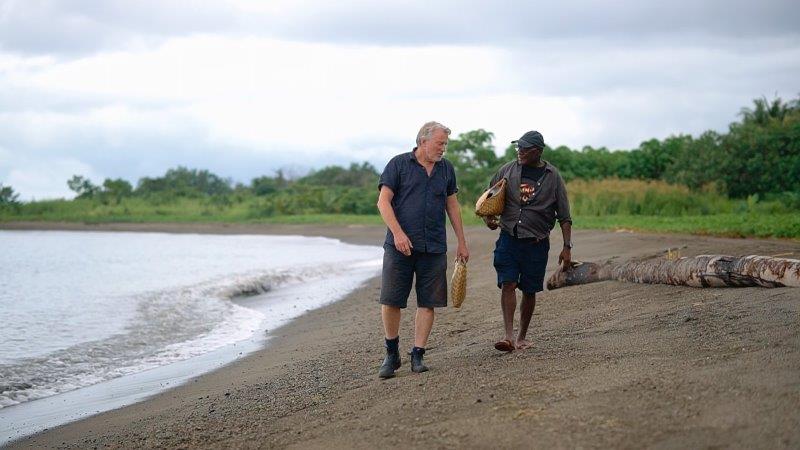
“Amazingly enough, neither Rosie Jones nor I have personally been to PNG. We have spent a great deal of time with David, George and the members of NDW. Their music has been our access point for the story.
“That said, we sent a number of filmmakers and cinematographers to Rabau and Kokopo, to record beautiful images on location, elements of village life and the devastation wrought by the volcanic explosion. Over a 5 year period there have been half a dozen trips to New Britain. I can announce that I’m finally doing this very soon, with a screening to the Prime Minister of PNG and Government in the very near future.”
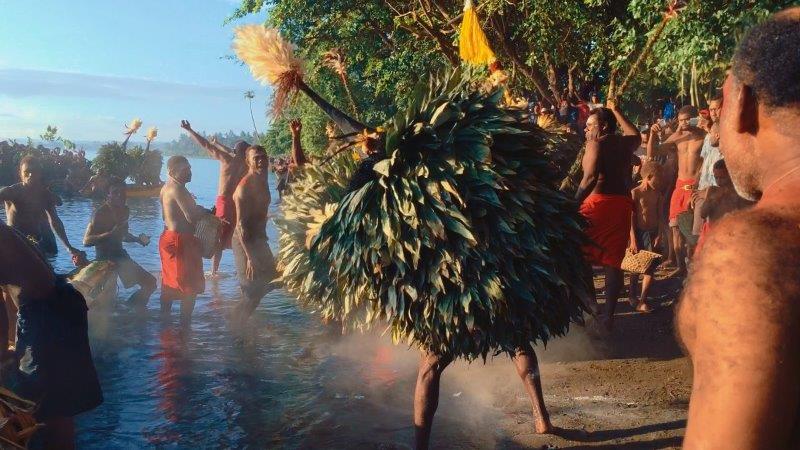
The film’s subjects are incredibly candid, and the access that you got in PNG, I imagine, isn’t something that is granted to everyone. How did you go about being granted such access?
“We filmed a great deal of it, but a lot of the additional footage is footage that David captured, along with his collaborators. Many of those musicians donated their footage as they felt it was such an important story to tell.”
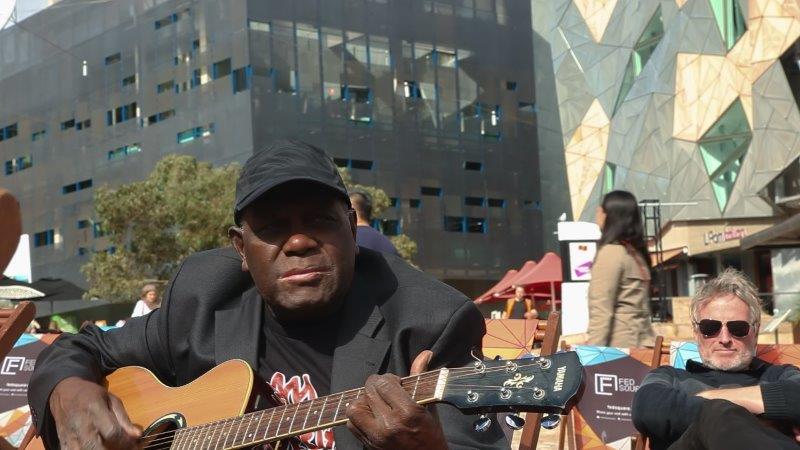
Is it an expensive documentary, considering all of the archive and travel it would have required? How was it financed? Will there be a 1 hour version for TV?
“The film was expensive, but Michael Agar, David and myself financially supported the project through the long development. When you believe in a project like this, you have to dip into your own pockets.
“The finished film was financed in partnership with VicScreen and the ABC, but the bulk of it has been with private investment.”
You often work across multiple media channels; will there be a soundtrack for the film? Anything extra for the fan or for people to discover outside of seeing it in a cinema/on TV/phone/tablet?
“We’re currently in conversation with Philip Mortlock [Music Producer] about the possible release of a soundtrack. The plan would be for all revenue to be returned to the artists outside of any other encumbrances.”
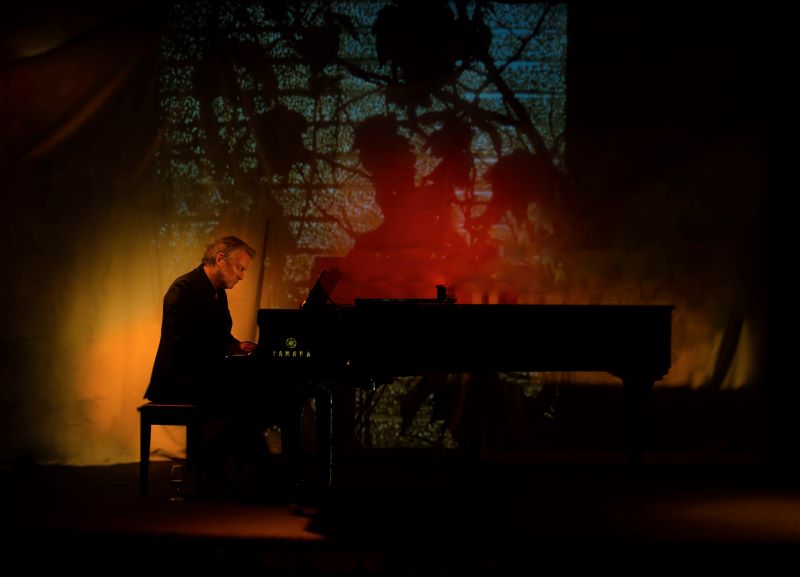
Abebe Butterfly Song screens at the Revelation Perth International Film Festival on Saturday 5 July 2025. Tix here.
