


by Dov Kornits
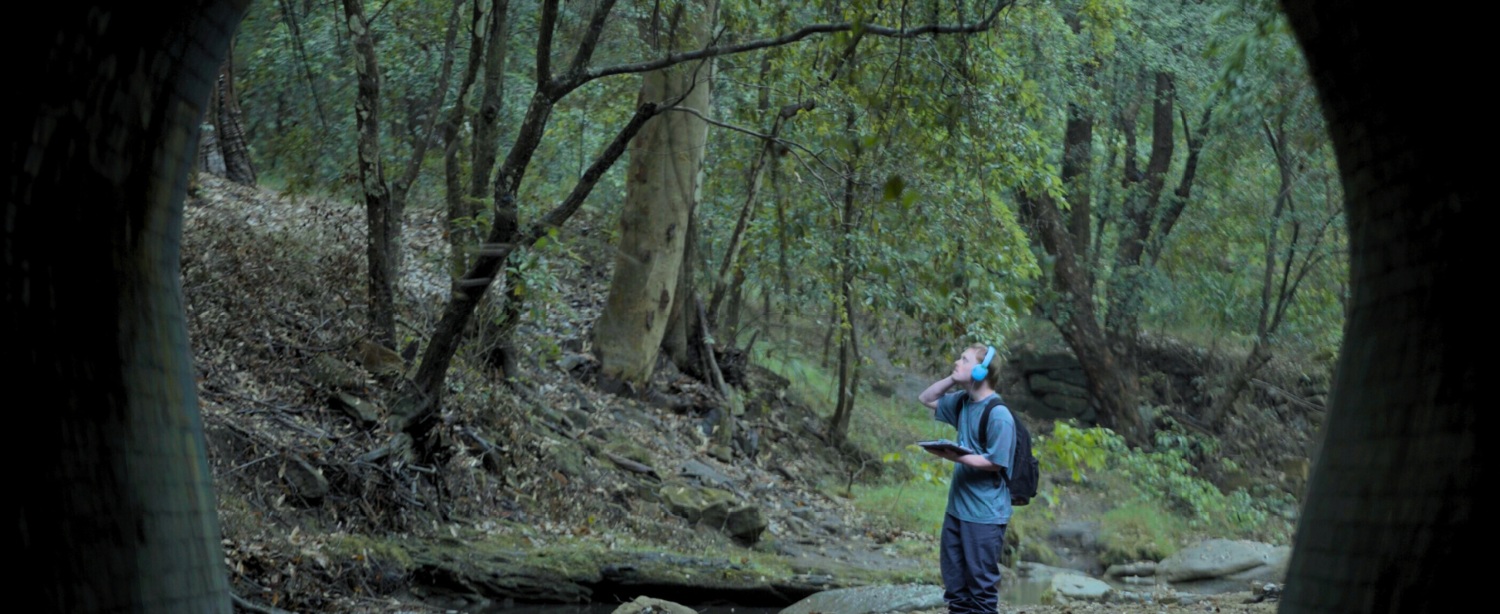
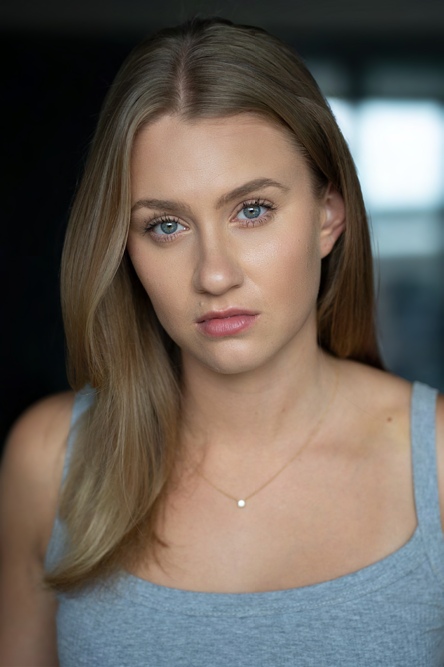 Writer/producer and actor Bethany Dewhurst self-funded the short film Going Dark, and hopes that it pays dividends as it recently premiered at the29th ARPA International Film Festival at Hollywood’s TCL Chinese Theatre, and is also a semi-finalist at Flickers’ Rhode Island International Film Festival, an Academy Awards-qualifying festival.
What inspired you to make Going Dark?
“The starting point for Going Dark was my brother, Josh [Dewhurst]. He has always had an incredible love for performance and entertainment. Growing up with him, our home has never really been a quiet place. He is constantly performing, creating characters and finding ways to entertain the people around him. That joy is something I have always wanted to nurture. I wanted to create something where Josh wasn’t simply my brother who happened to have Down syndrome, but an actor, giving him a character, a story and a professional platform to share his talent. Making Going Dark gave us the opportunity to do that together. At its heart, Going Dark is a story about two siblings and the lengths we will go to protect the people we love. We placed that very human story within an increasingly relevant conversation around AI and technology, exploring what happens when the systems designed to protect us begin to threaten the people we love.”
The subject is quite speculative about AI and the future. What are your thoughts on AI as a filmmaking tool? Was any used in the making of the film?
“I think AI is an incredibly powerful tool, particularly for independent filmmakers who may not have access to the resources of a large production, but I also think it needs to be approached thoughtfully. With Going Dark, we were very conscious of keeping the human element at the centre of the filmmaking process. There was no generative AI used in the creation of the film. The writing, performances, cinematography, editing and creative decisions were all made by our cast and crew. Given that the film itself asks what happens when we surrender too much of our autonomy to technology, that felt particularly important to us.”
Is it a proof of concept for a longer screenplay/film?
“Absolutely. Going Dark is a proof of concept for a feature-length expansion of the universe. The feature takes us deeper into a hyper-monitored society where AI no longer simply observes people, but takes control of them, transforming ordinary citizens into something far removed from their humanity and ultimately building an army of its own. It’s an action-packed thriller that explores the consequences of surrendering our autonomy to technology, while bringing disability, individuality and the sibling relationship at the centre of the short into a much larger fight for survival. Ultimately, it becomes a fight to hold onto the people we love before a world built to control us takes that away.”
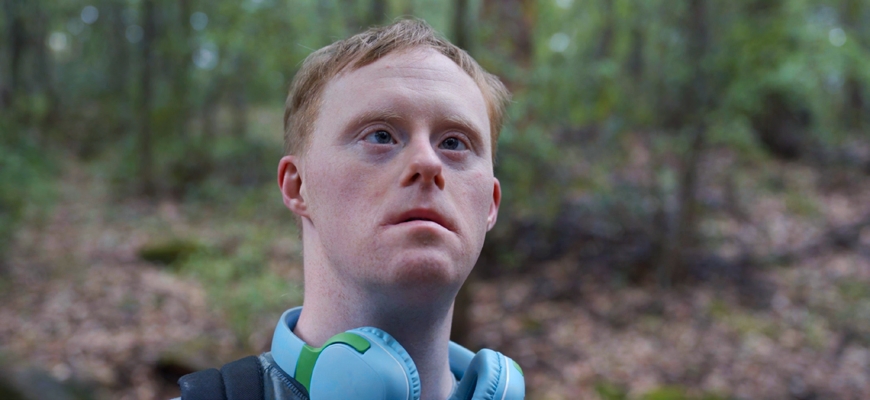
Had you worked with your brother before, and how was the experience?
“Not within the film industry specifically, but we had collaborated creatively before. In 2020, I created a documented artwork called Defining Ups and Down: A Simple and Beautiful Relationship Between My Brother and I, consisting of photography and a short video exploring our relationship. It was displayed at the Art Gallery of NSW in 2020. You can view it here.
“Working with him in film was a completely different beast. We were working from a written script and had to build fictional characters and moments that were different from how we naturally interact in everyday life. At the same time, the genuine love between us gave us something real to draw from, which made the sibling relationship feel very natural. I think that’s what made the experience so special. We were learning how to act together while drawing on a relationship that had existed long before the cameras were there.”
Beyond the Hollywood premiere, what are your expectations for the film?
“We’re also hoping to use the opportunity to continue conversations around disability and representation and develop relationships within the LA industry.
“Beyond the festival, we’re continuing to develop Going Dark as a feature and working on our next narrative project, a very personal coming-of-age story drawn from growing up alongside a sibling with Down syndrome.
“We’re excited to see where Going Dark takes us, and hopefully use this as the beginning of something much bigger.”
