



By Carissa Pritchard
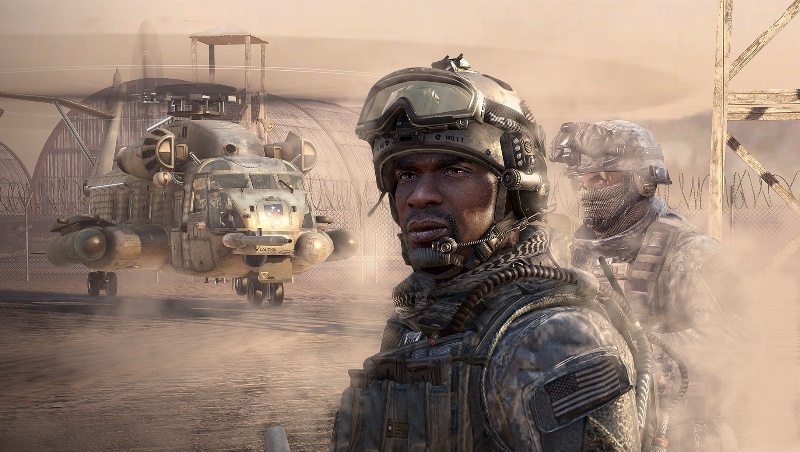
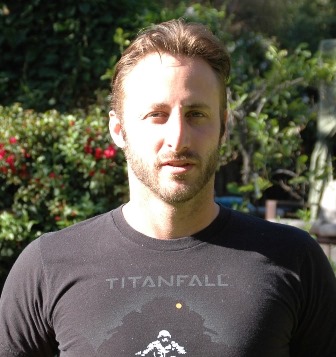
When a Hollywood agent asked then NCIS writer Jesse Stern whether he wanted to write video games, he replied, “Is that a thing?” Ten years and three cancelled TV shows later, he called that agent back. Stern wrote the narrative for Call of Duty: Modern Warfare and Modern Warfare 2. The latter sold more than five million copies within 24 hours, was the largest entertainment launch in history and surpassed $1 billion gross in two months. He went on to write Battlefield 4 and the two Titanfall games – which were credited for saving Microsoft’s X-box.
According to IMDB, video game writing is now a thing – listed alongside writers’ movie and TV credits. But why do video games need a narrative at all? Stern says, “All the games I grew up playing ended with death or exhaustion; you just couldn’t keep playing; it was inevitable failure. There was a turning point where the idea of completing a game became an ambition. Super Mario Brothers, Contra, Ikari Warriors all had endings that Pac-Man and Donkey Kong didn’t. Today the big video games are trying to immerse people in a world, to do that you’ve got to tell a story.”
Perhaps more revolutionary is the concept that game play can elicit actual emotion. Stern says, “In Modern Warfare’s Airport level we put you in the shoes of a terrorist. A lot of people resented that, but it felt like something you could do in a video game that couldn’t be done in any other way. People were outraged; I got a lot of letters. But I also get a lot of good feedback because people didn’t realise a game could make them outraged. Who knew you could feel such awful things from a video game?”
What’s the biggest difference writing for games compared to TV? “You have to surrender the ambition that you’re going to tell a specific story from the outset. It would be like making a movie and the first thing you do is start building sets; ‘Hey we built a tavern, a hotel, an airport. Do you have any idea of a story that would involve all of those things?’ The designers create the coolest experience then I show up and figure out how to stitch it all together in a way that makes a cohesive piece of narrative.”
How do you get a job doing this? Stern started as a Production Assistant on Angel but couldn’t get a job as a writer and no longer had the time to write. So he told Producer, David Greenwalt (Buffy the Vampire Slayer, Grimm), “Here’s my plan: I’m going to quit my job, move in with my girlfriend, get another dog, lock myself up for two years and then you’re going to give me a job as a writer. Greenwalt replied, “That’s the worst plan anyone has ever had.” Two years and three months later he gave Stern his first staff job.
“Plus, my girlfriend at the time had an idea for a little film. We ended up getting it off the ground too – turned out to be a movie called Monster,” Stern says.
What is his advice for aspiring writers and filmmakers? “If you really love TV shows, movies, video games, in a way that makes you want to take them apart and see how they work, that’s when you know you’ve got to start making your own stuff. Just make things. Do it and don’t be afraid to fail. You can be good at it and still make garbage. That shouldn’t be a reason to shy away from it. Make something good, then make it a little better and keep working at it.”
Jesse Stern will be at the National Screenwriters Conference in Victoria on March 11 to run the workshop “Story as a game experience: Interaction and Immersion as Storytelling.”
