


by Andrea Baker and Kristen Scott
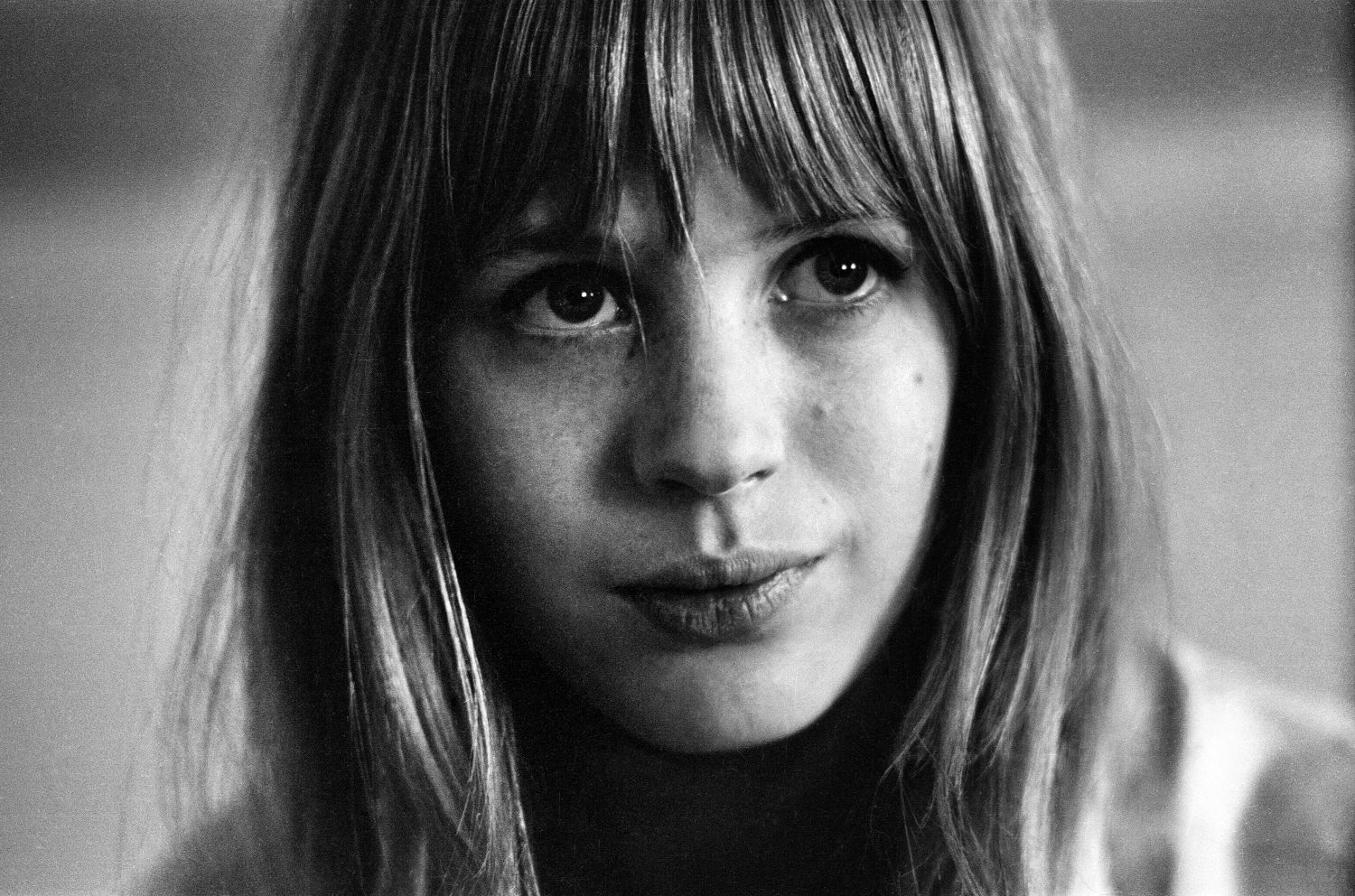
Born into a class of Austro-Hungarian autocrats and hailing from British rock royalty of the ‘60s, in a new documentary, Broken English, singer–songwriter-actress Marianne Faithfull offers a nuanced verdict about her life in the shadow of her former boyfriend, Rolling Stones frontman, Mick Jagger.
Broken English had its Victorian premiere at the Melbourne International Film Festival. It screened at Sundance and the Sydney Film Festival this year, following its premiere at the Venice Film Festival in 2025.
There have been documentaries about Faithfull, and she has starred in films, including The Girl on a Motorcycle (1968), with French film star Alain Delon, and Sofia Coppola’s Marie Antoinette (2006), where she portrayed Empress Maria Theresa. There is also her 1994 tell-all memoir, Faithfull: An autobiography.
However, in this hybrid/film post-modern documentary, British directors Iain Forsyth and Jane Pollard assemble a troupe of artists, offering a deep cultural reminder that Faithfull (1946-2025) was an intensely creative being who lived authentically on her own terms and didn’t suffer fools.
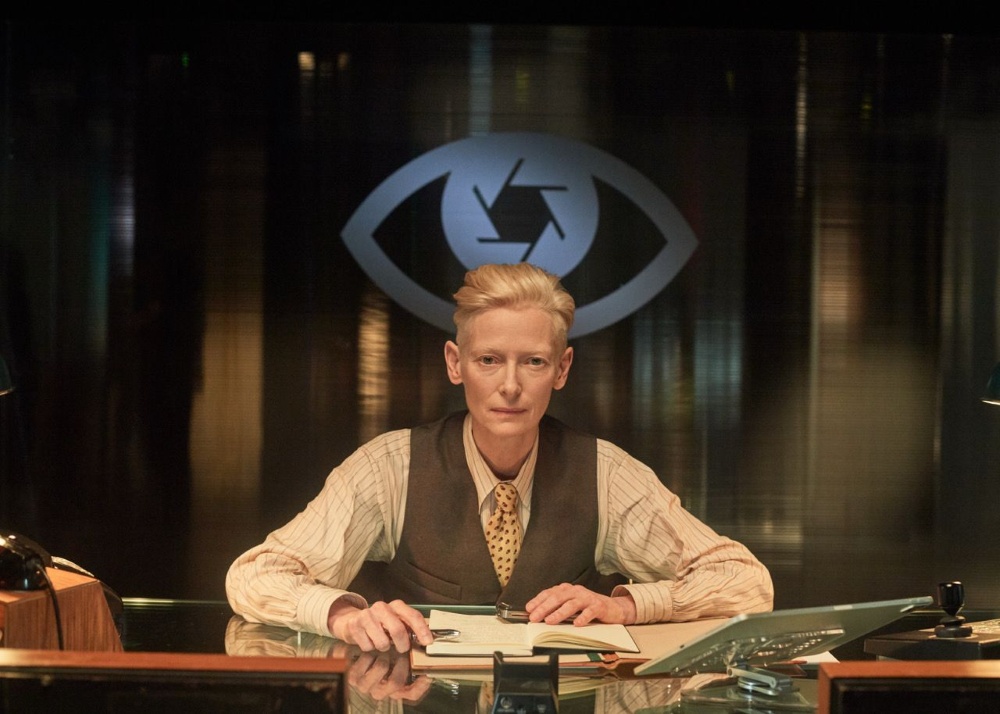
Filmed in Elstree Studios (Borehamwood, United Kingdom), the documentary has two fictional and one non-fictional narrations. First, there is actress Tilda Swinton as the bureaucratic head of the fictional Ministry of Not Forgetting, based in a retro-futuristic bunker resembling an interrogation room. Swinton tells us that Faithfull’s career spans six decades in music and poetry, over 30 albums, was awarded the French Commandeur des Arts et des Lettres honour, and received a Grammy nomination for her critically acclaimed 1979 album, Broken English.
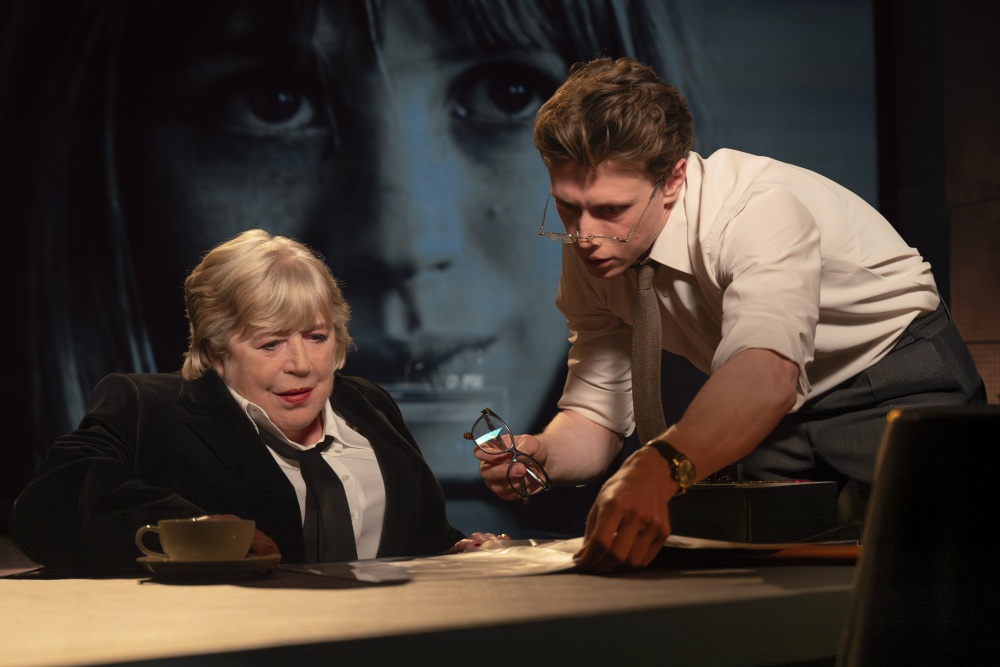
Next, there are the fictional media archivist (actress and playwright, Zawe Ashton) and the researcher (actress, Sophia Di Martino). Finally, breaking the traditional mode of documentaries, there is one talking-head interview, where a dorky male (George MacKay) chats with a frail, yet lucent, 78-year-old Marianne Faithfull, who gasps for breath from an oxygen tank, as she elicits raw, candid reflections on a life well lived.
Sex, Drugs and Rock n Roll
At first glance, Broken English is a fun romp through archival Beat generation bliss with Bob Dylan, Joan Baez, and Allen Ginsberg to rock music footage. Faithfull met the Rolling Stones manager (Andrew Loog Oldham) at a party when she was 17. Oldham asked Jagger and Keith Richards to write a song for her, which became the hit song, ‘As Tears Go By’ (1964), about lost youth and premature aging.
Directors Forsyth and Pollard bring in singer–songwriter Beth Orton, who praises Faithfull’s emotional honesty before breaking into a live performance of the iconic song, accompanied by Warren Ellis’ weeping violin.
A roundtable of female creatives (e.g. art historian and curator Katy Hessel; Harriet Vyner; Natasha Khan) discusses the 1967 drug bust at Richards’ country mansion, Redlands, following a tip-off by the News of the World tabloid. Here, the Rolling Stones emerged as counter-culture heroes, while Faithfull (then 20) bore the brunt of the media misogyny, as the police reported that she was wearing only a fur rug during the raid.
To their credit, the roundtable avoids examining the British tabloids’ sensationalist reporting that Jagger was seen eating a Mars bar from Faithfull’s vagina, which she said was false and a “dirty old men’s tale”.
We also see footage of Faithfull and Jagger arriving in Sydney in 1969 to film Ned Kelly, but the production was stalled after Faithfull overdosed on barbiturates, leaving Australian actress Diane Craig to take on the role.
Broken English omits that as Faithfull awoke from the five days’ barbiturate-induced coma, she told Jagger that “wild horses wouldn’t drag me away”, a comment that inspired the Rolling Stones’ hit ‘Wild Horses’ (1969).
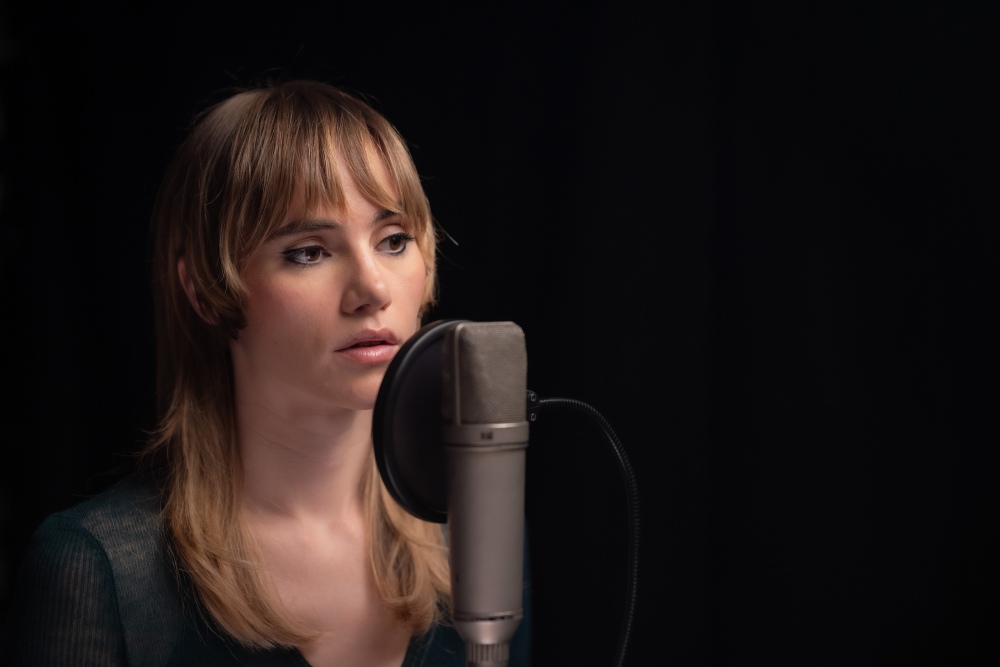
However, Faithfull does tell how, following the overdose, she penned the lyrics to Sister Morphine (1969), but Jagger made that hit song famous and failed to give her recognition. “What does that do to you?” MacKay (interviewer) asked. “It hurts. I tried to commit suicide”, Faithfull said, cross-fading to Suki Waterhouse’s soulful rendition of ‘Sister Morphine’.
Feminist icon: promiscuity or liberation
Coupled with imaginative vignettes inside this fictional bureaucratic facility, the documentary illustrates how Faithfull survived and thrived despite the misogynistic male gaze.
In the 1990s, Australian 60 Minutes reporter Mike Carlton questioned Faithfull’s sexual promiscuity. Defiant, she looked him straight in the face and replied, “Just about the same as a man”.
When Carlton discussed the banning of her break-up song, ‘Why d’ya do it?‘ (from the Broken English album), because of its uncouth lyrics, she looked bemused. Jehnny Beth, a French musician and actress, offers her live take on this punk classic in the documentary.
Faithful to her feminist roots, on that famed 1979 Broken English album, Faithfull critiques the banality of domestic life with iconic songs, such as ‘The Ballad of Lucy Gordon’.
Resilience and musical legacy
Quintessential femme fatale, victim of the media scandals, male gaze, cruel misogyny, homelessness and even COVID-19, the documentary Broken English is a love letter to Faithfull’s creativity and resilience.
But it fails to examine the artist’s contradictions, where in 2014, Faithfull criticised Miley Cyrus and Rihanna, labelling the modern pop stars as “complete rubbishy sluts“, stating that they made fools of themselves by taking off their clothes for attention in the music business.
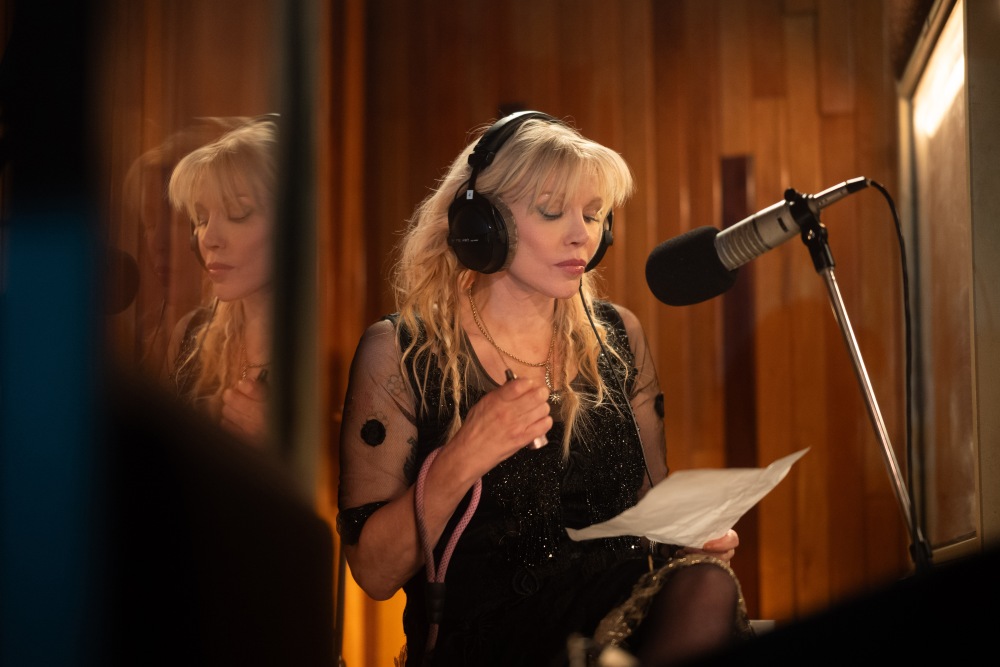
Despite this, Faithfull remains a mentor to indie female artists, such as Courtney Love, who offers her homage to the ‘60s icon in the documentary, before breaking into a rendition of ‘Times Square’ (1983), accompanied on guitar by Thurston Moore from Sonic Youth.
Faithfull passed away in January 2025 during the production of Broken English, but her collaborations with Hal Willner, then Nick Cave and Warren Ellis are beautifully heart-wrenching, as the documentary showcases this Doyenne of British music, her final studio recording of ‘Misunderstanding’.
Broken English is in cinemas from 17 September 2026
