


by Roger Baker
One of the fascinating aspects of “Dirty Deeds” is its connection to the world of gambling. The album’s themes of risk-taking, rebellion, and devil-may-care attitudes are closely related to the thrill of gambling, particularly online casinos. In many ways, the album captures the essence of the adrenaline rush that gamblers experience when they make a bold bet or take a chance on a big payout.
Moreover, the album’s blues-inspired riffs and driving rhythm sections have become iconic in the world of rock music and have even been incorporated into modern gambling culture. From soundtracks to online casino games to playlists in land-based casinos, the music of “Dirty Deeds” has a broad impact.
In this blog post, we’ll explore the themes of “Dirty Deeds” and how they relate to the world of gambling. We’ll discuss the controversies surrounding the album’s connection to gambling and consider how they have affected its reputation as a masterpiece. Ultimately, we’ll argue that “Dirty Deeds” deserves recognition as not only a classic rock album but also a masterpiece of gambling-inspired music.
Background
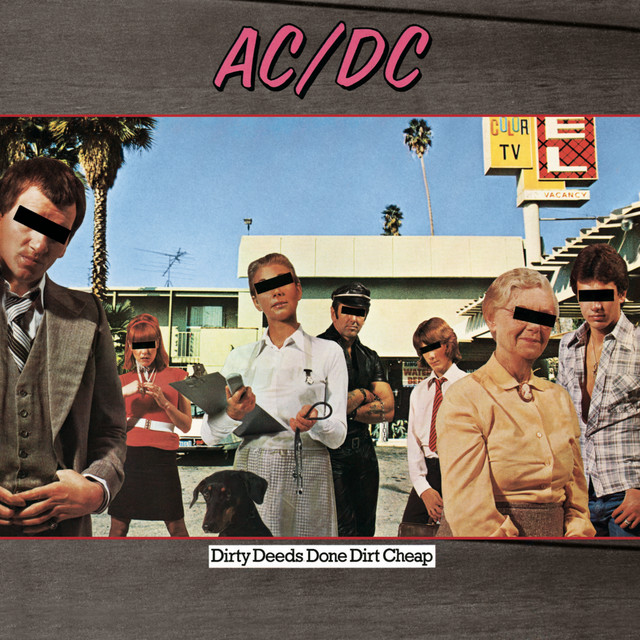
“Dirty Deeds Done Dirt Cheap” is the third studio album by AC/DC, released in 1976. It was the band’s second album to be released that year and is considered one of their most significant works. The album features Bon Scott on lead vocals, Angus Young on lead guitar, Malcolm Young on rhythm guitar, Phil Rudd on drums, and Mark Evans on bass guitar.
The album was recorded at Albert Studios in Sydney, Australia, with the production handled by Harry Vanda and George Young, who were former members of The Easybeats. The album was well-received by fans and critics alike and helped to solidify AC/DC’s reputation as one of the most exciting and influential rock bands of the era.
The album’s sound is characterized by blues-inspired riffs, pounding rhythms, and Bon Scott’s powerful vocals. It includes some of AC/DC’s most famous songs, such as “Dirty Deeds Done Dirt Cheap,” “Problem Child,” and “Ride On.” The album has sold over six million copies worldwide, making it one of AC/DC’s most successful works.
Over time, “Dirty Deeds” has become recognized as a classic rock album, with many critics praising its energy, rawness, and influence on later rock music. Despite this, some critics have not given it the recognition it deserves as a masterpiece. In this blog post, we’ll explore the critical reception of the album and consider why it may be an unrecognized masterpiece.
The connection between Dirty Deeds and gambling
The connection between “Dirty Deeds” and gambling is evident in the album’s themes of risk-taking and rebellion, which are closely associated with the world of gambling. This is particularly true in the Australian gambling scene, where many gamblers are drawn to the thrill of taking a chance and hoping for a big payout.
Moreover, the album’s iconic sound and blues-inspired riffs have become closely associated with the world of gambling, particularly in popular culture. The album’s influence on the world of gambling has been felt in many ways, some of the best australian betting sites use their soundtracks as materials for their ad campaigns.
The album’s most famous song, “The Jack,” tells the story of a game of poker, and its lyrics reference various gambling terms, such as “lady luck” and “a royal flush.” The song’s driving rhythm and memorable chorus have made it a favorite among gamblers, particularly in Australia, where it has become a cultural touchstone.
In many ways, “Dirty Deeds” captures the essence of the thrill of gambling, particularly in the context of Australian betting sites. Its themes of risk-taking and rebellion are closely associated with the world of gambling, and its sound has become a part of popular culture in Australia and beyond.
While some have criticized the album’s connection to gambling, particularly in terms of promoting addiction or irresponsible gambling, others have celebrated its impact on music and culture. In this blog post, we’ll explore the connection between “Dirty Deeds” and gambling, including its impact on the Australian gambling scene and the world of online betting sites.
Controversy
One of the main controversies surrounding “Dirty Deeds” is its connection to gambling, particularly accusations that it promotes addiction and irresponsible gambling. Some critics have argued that the album’s themes of risk-taking and rebellion can encourage people to engage in dangerous or harmful gambling behavior.
Another source of controversy surrounding the album is the accusations of misogyny and violence in its lyrics. Some critics have argued that songs like “Big Balls” and “Ride On” perpetuate negative stereotypes about women and promote violent or abusive behaviour.
Despite these criticisms, many fans and music critics have defended the album’s artistic merit and dismissed the accusations as overblown or misguided. They argue that the album’s themes and lyrics are reflective of the time and place in which it was created and that it should be appreciated as a product of its era.
Moreover, some have pointed out that the album’s connection to gambling is not necessarily a bad thing, particularly in the context of betting sites. They argue that the album’s sound and themes have become a part of popular culture and that they reflect the experiences and attitudes of many gamblers.
Impact and legacy
“Dirty Deeds” has had a significant impact on music and culture, particularly in the world of gambling. The album’s sound, which is characterized by blues-inspired riffs and pounding rhythms, has become iconic in the world of rock music and has been incorporated into modern gambling culture.
In addition to its influence on music, “Dirty Deeds” has had an impact on the world of gambling, particularly online casinos. The album’s themes of risk-taking and rebellion are closely associated with the thrill of gambling, and its sound has become a part of popular culture in many gambling communities.
Moreover, the album’s connection to the world of gambling has helped to cement its status as a classic rock album and a masterpiece of gambling-inspired music. Many fans and critics see the album as a testament to the power of music to capture the essence of the human experience, particularly the thrill of taking risks and chasing rewards.
In terms of legacy, “Dirty Deeds” has influenced countless musicians and has helped to shape the sound of rock music for decades. Its themes of rebellion and risk-taking have become a part of popular culture, and its sound has been incorporated into many different forms of media, including movies, TV shows, and video games.
Conclusion
In conclusion, “Dirty Deeds” is an album that deserves recognition as both a classic rock album and a masterpiece of gambling-inspired music. Its connection to the world of gambling, particularly online casinos and betting sites, has helped to shape its legacy and impact on music and culture.
While the album has been the subject of controversy, particularly in terms of accusations of promoting addiction and irresponsible gambling, its artistic merit cannot be denied. The album’s sound, which is characterized by blues-inspired riffs and pounding rhythms, has become iconic in the world of rock music and has been incorporated into many forms of media, including gambling culture.
Furthermore, the album’s themes of risk-taking and rebellion have become a part of popular culture and have helped to shape the attitudes and experiences of many people, particularly those in the gambling community. The album’s connection to the Australian gambling scene has helped to cement its status as a classic rock album and a masterpiece of gambling-inspired music.
In this blog post, we have explored the critical reception of the album, its connection to gambling, controversies surrounding its lyrics, and its impact on music and culture. Ultimately, we argue that “Dirty Deeds” deserves recognition as a classic rock album and a masterpiece of gambling-inspired music. Its enduring popularity and impact on gambling culture demonstrate the power of music to capture the essence of human experience and inspire generations of fans and musicians.
