


by Gill Pringle in LA
The new take on Stephen King’s Carrie reimagines the horror classic about teenage cruelty and religious fanaticism through the prism of social media and the inhumanities of our modern age.
While using contemporary culture to update the familiar story, Mike Flanagan’s new series both honours King’s 1974 book and Brian De Palma’s subsequent movie, while also introducing Carrie White to a whole new audience.
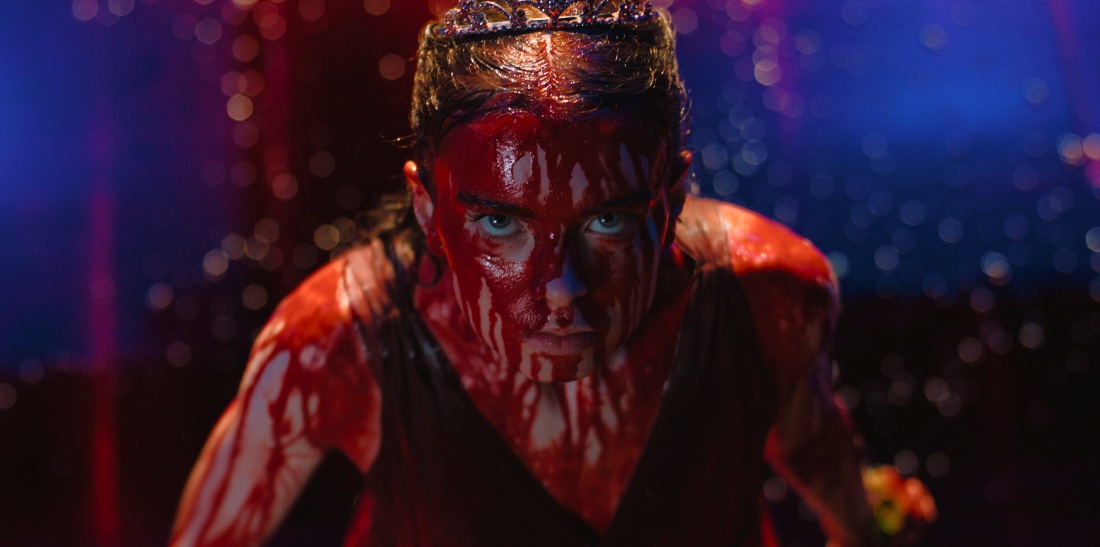
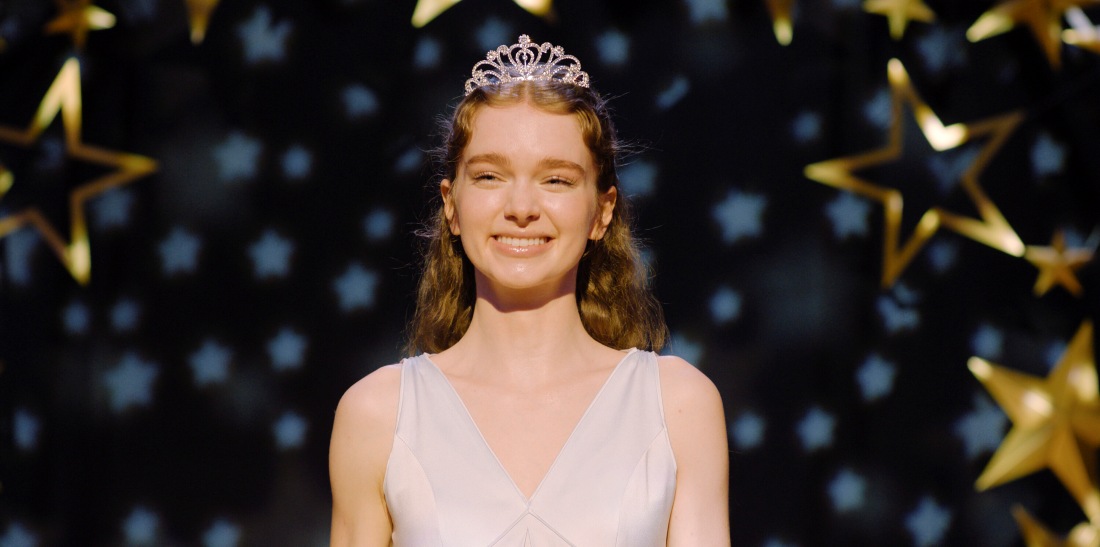
If the 1976 image of Sissy Spacek drenched in pig’s blood at her high school prom is iconic, then Canadian actress Summer H. Howell does it justice with her own small screen portrayal of the painfully shy teen in this eight-part series from Prime Video.
“Just standing under that bucket of blood and making sure I was in the moment and even though I knew it was about to happen, like don’t blink, don’t step anywhere,” she recalls, big blue eyes widening as she returns to that moment.
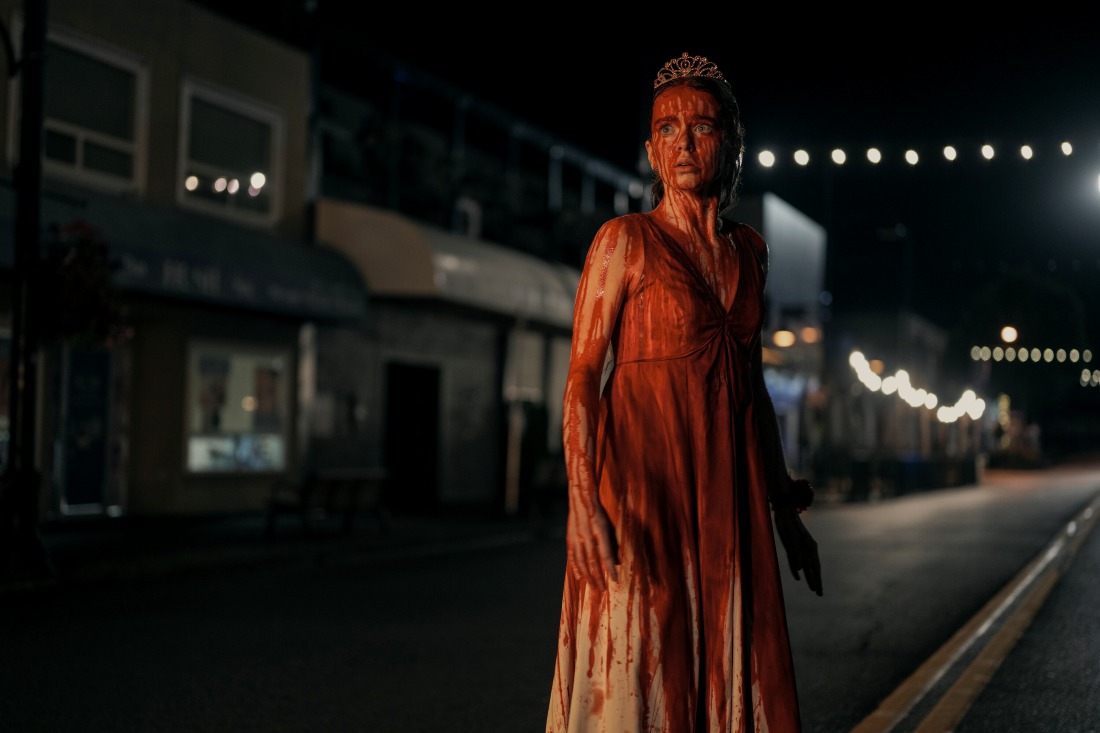
“I couldn’t move. The mark was so fixed. They would lower a tennis ball to my head and shoot a laser at the top of it to make sure, because I only had like three tries to dump it on me. So, prom was a fever dream, but the whole experience was just life changing, and I wouldn’t change a thing,” says Howell, 22, who claims she even manifested the role.
“I like to say that I manifested this, and I truly believe it because I journal a lot and I wrote about working with genuine people who just wanted to make great art and have a good time doing it. And I feel like that’s exactly what I got. I write in present tense so I can get it … and it happened. I am meant to be here, and things happen for a reason,” says the former child actress whose previous roles include Curse of Chucky, The Midnight Man and Night of the Reaper.
She didn’t even have a “careful what you wish for” moment as she spent days drenched in blood: “We had like two days of ‘clean prom’, and at the end of one of those days, they dropped it on me, and then the next day we did two drops in one day and it was just head to toe.
“Every morning I’d get into that blood tent – the “Dexter tent” as they liked to call it, plastic all over the floor. They’re in their gloves and uniforms, so they don’t get messy. And I would put goggles on, and they’d apply it to me just perfectly. But there’s a lot of blood. I’d stand there for like 40 minutes every morning, do a little meditation or whatever, and then get to work,” says the actress who had only seen a still image of Spacek’s Carrie prior to shooting the series – refraining from watching the whole film until after she was finished.
“I asked him [Mike Flanagan] when I got the part and we talked for the first time, if he wanted me to research, and he agreed that he was happy with what I was doing and I should create my own version, but now I’ve seen it and I’ve read the book.
“But that was bizarre, having filmed the whole show and then getting to see like her roots, where she came from. . . crazy,” says the actress who confesses to keeping one of her bloody prom dresses and a tiara from the set.
Luckily, everyone’s hard work paid off, the series already receiving rare praise from King himself, posting on X that Flanagan’s Carrie is “brilliant” and that what it says about social media is “shocking and true”.
Indeed, the new series is perhaps even more relevant today, so it’s shocking to remember that King actually wrote his slim novel 50 years ago.
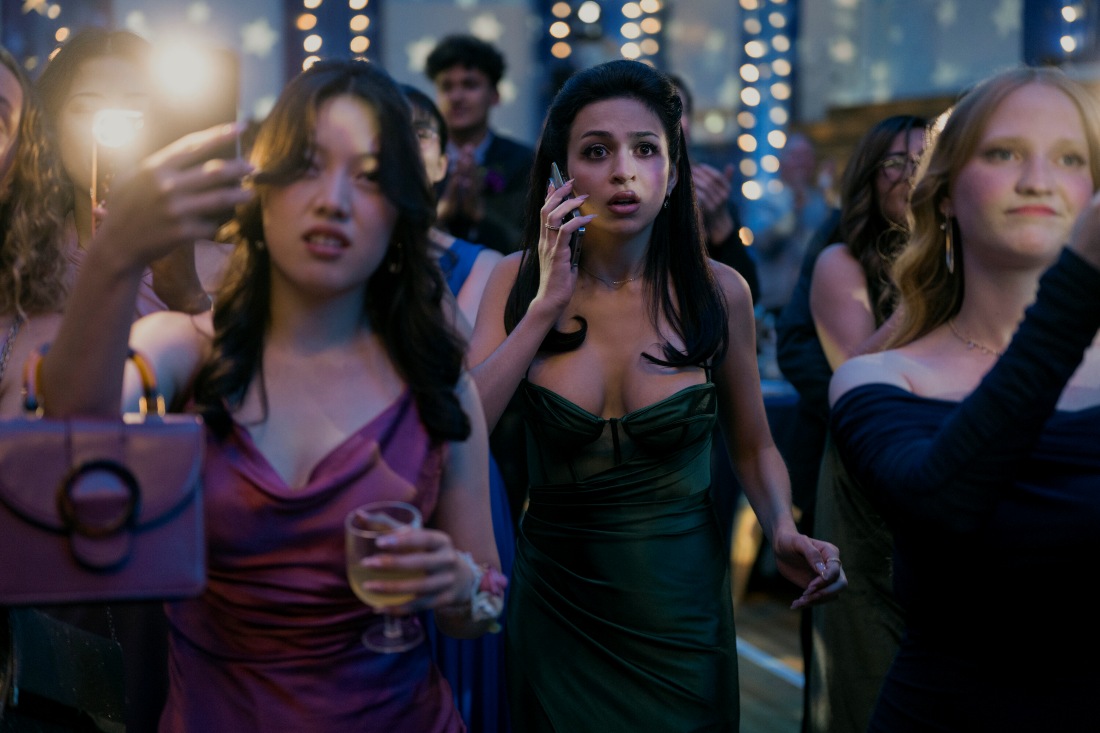
“And even though it’s been 50 years, it’s not like it’s [bullying] just gone. If anything, it’s only gotten worse with social media. Growing up, my generation is basically programmed to be addicted to it, and so it’s up to us to put it down. And the fact that anybody could reach you at any time, and the bullies can – they can follow you home. It’s terrible,” says Howell.
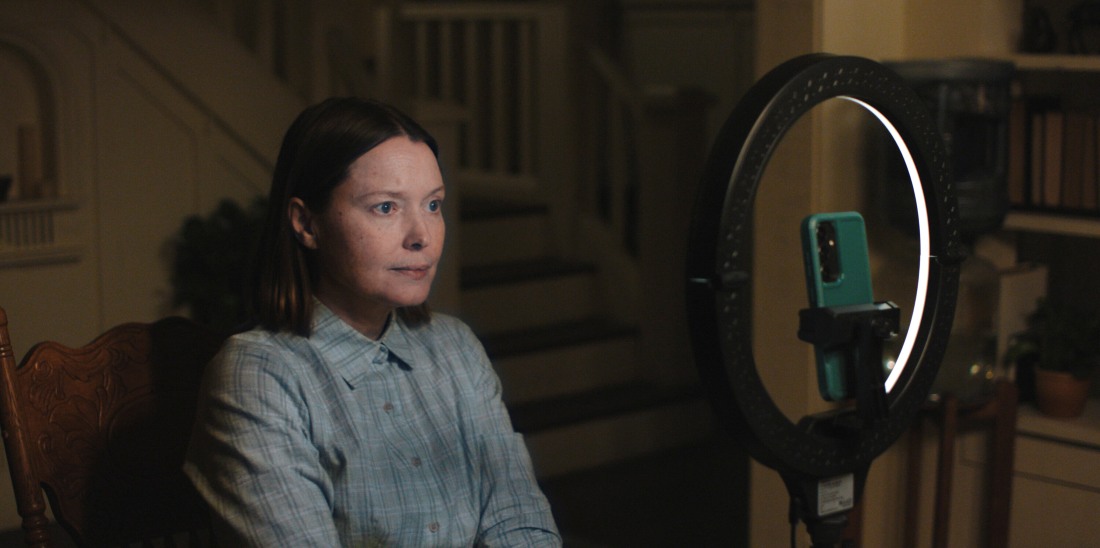
“We need more focus on that, and we need young people to find themselves before they make personas of themselves online, and they don’t know who they want to be yet. They also need to be able to make mistakes and not have it documented and shared with the whole community and forever online. It’s really scary what’s happening.”
If the young actress despises the teenage cyber bullies as much as the next person, she understands the motivation: “Why do teenagers treat each other this way? I mean, honestly, it’s sad – but it’s kind of natural,” she argues.
“Nobody really knows who they are yet, and everybody’s just trying to figure it out. And it’s tough. You find yourself being mean to people just to protect yourself or to fit in. You just haven’t had the time and time with yourself really to figure yourself out.”
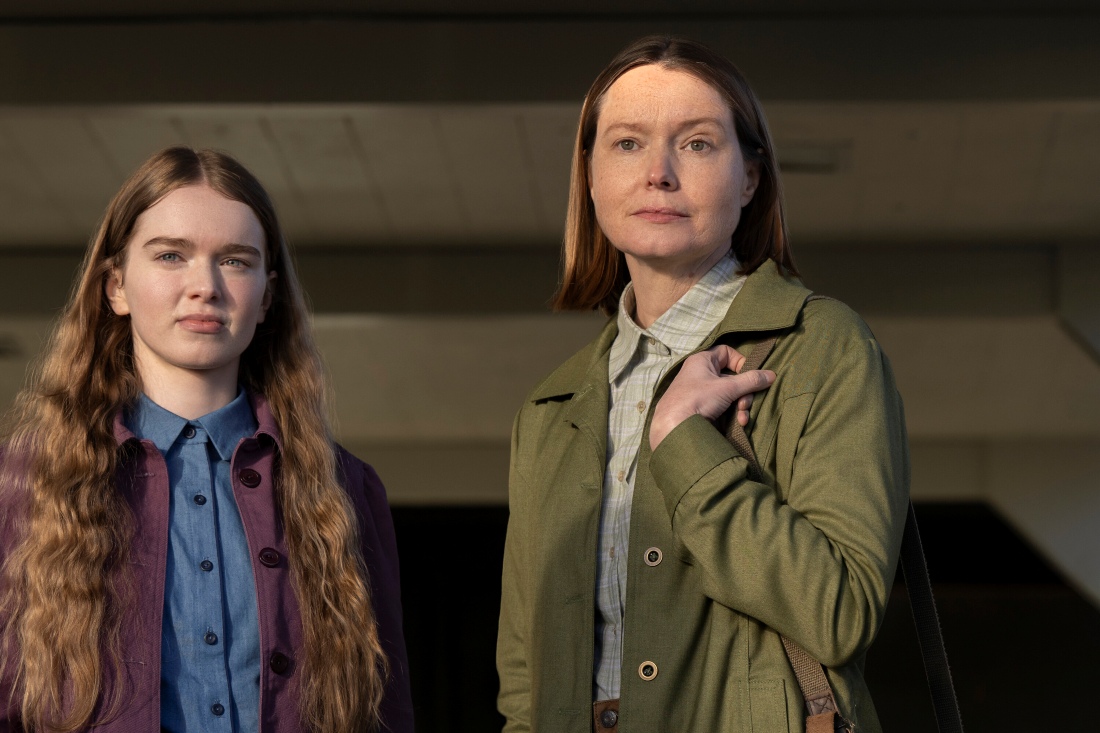
As audience members, we feel for Carrie, whose sheltered upbringing leaves her desperately unprepared for the outside world. After the sudden death of her father, she finds herself attending public high school, where she must navigate friendships, adolescent insecurities and classmates who seem determined to make her life miserable.
For actress Samatha Sloyan, portraying Carrie’s controlling and religious mother Margaret White was an interesting way to explore motherhood, “I don’t have children, so mainly, what I was focusing on was being a daughter and what that relationship was with my mother, which was not this relationship!” she says.
“It’s that complication of two people who are bound to each other and love each other so deeply, but are two completely different human beings and view the world in very different ways. So, I think it was just focusing on Margaret’s heartbreaking inability to let her daughter grow up, and how hard it can be for a mother to kind of let her child separate from her and fend for herself and how scary that can be – because the world is so scary,” she says.
At 47 years old, Sloyan didn’t grow up with social media, so the series is something of a revelation. “I also brought, honestly, my fear of a world that seems often out of control and terrifying and growing more so every day – so I can really empathise with Margaret,” she says of a world where Carrie is not simply bullied by a handful of mean classmates.
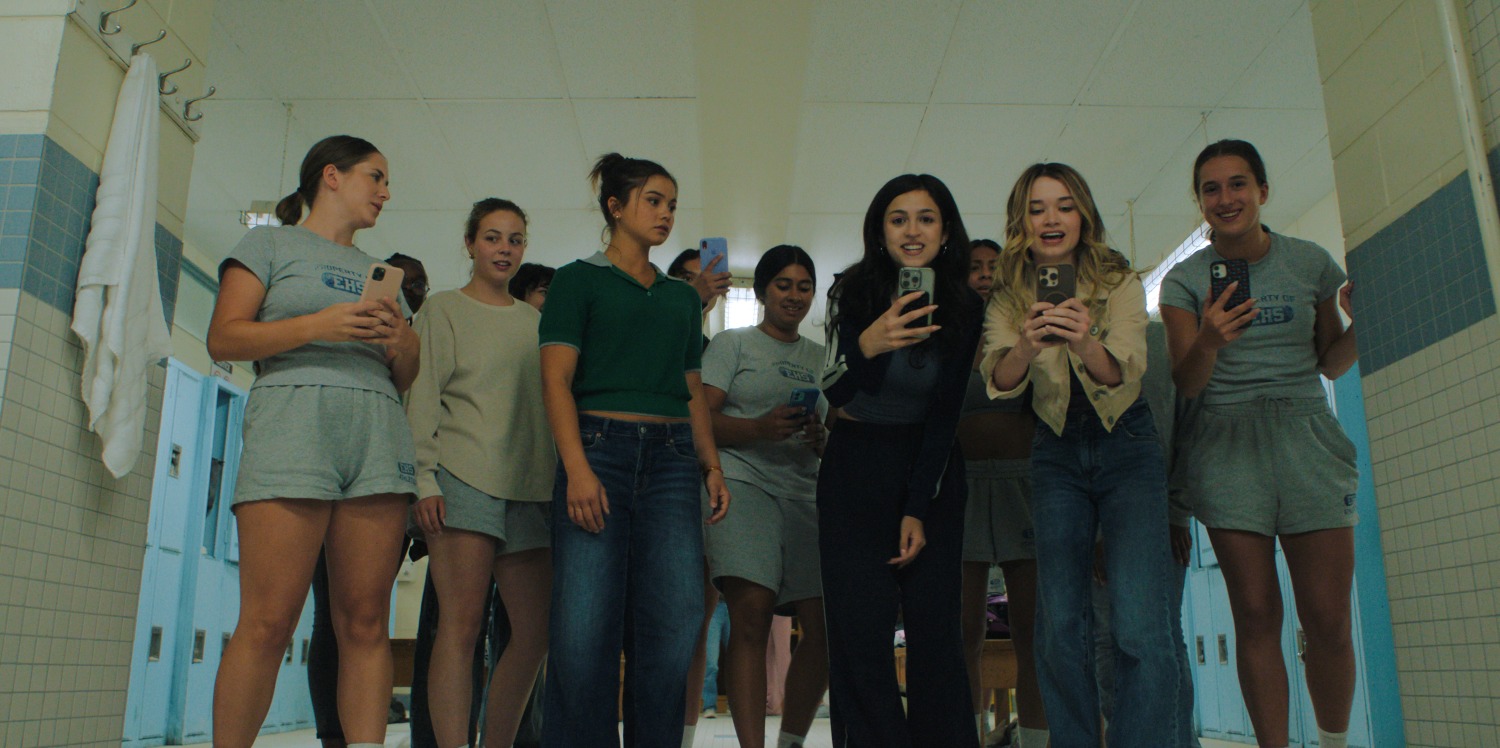
Under Flanagan’s direction, she becomes the target of a culture in which public humiliation can be entertainment, and compassion is often sacrificed for a laugh or a moment of online attention.
“You know, some days I think maybe I should just go live in a cabin far away from everything else, and so I tried to understand and could understand that impulse to remove yourself in order to protect yourself,” laughs Sloyan although she’s deadly serious.
And then there are Carrie’s powers.
As the pressure on her builds, she discovers that she possesses telekinetic abilities, allowing her to move objects and unleash destruction through the force of her mind. These powers are terrifying, but also represent something more complicated: a young woman discovering that she has some control over a world that has repeatedly made her feel powerless.
The beauty of the story is that Carrie’s abilities do not magically solve her problems. Instead, they make an already volatile situation increasingly dangerous. The question becomes not simply what Carrie can do, but what happens when someone who has been denied kindness for so long finally has the power to fight back.
One of King’s fondest interpreters, Carrie marks Flanagan’s fourth – and possibly his best – version of King’s work having previously written/directed Gerald’s Game, Doctor Sleep and The Life of Chuck.
