


By Maria Lewis
Friday The 13th – it’s a day only rivalled by Halloween in a true horror fan’s calendar. Ironically, it’s also a franchise only rivalled by Halloween when it comes to a classic slasher with an enduring legacy of sequels with depreciating quality. It’s a day for dressing Goth, slapping something scary on the TV, and celebrating all things spooky (while simultaneously avoiding black cats and/or walking under ladders). Yup, Friday The 13th – TODAY – is a weird one, with growing levels of weirdness depending on who you are, where you are, and what you believe. And the funny thing is, we might be able to pinpoint the origin of the pop culture horror phenomenon – the 1980 original film – but locking down the origins of the day itself is a little trickier.
No one really knows where the fear of this day comes from. Theories range from National Treasure-esque levels of conspiracy – Friday The 13th was the day on which Phillip IV of France arrested hundreds of Knights Templar – to Da Vinci Code-esque levels of conspiracy – because there were thirteen people at Jesus’ last supper (where the fuck Friday comes into it, I have no idea). Could the number 13 also be blamed for the terrible hair pieces of Nic Cage AND Tom Hanks in both of these respective franchises? Probably, but that’s like blaming triskaidekaphobia on the fact that 13 is also Taylor Swift’s lucky number.
Centuries of superstition aside, the fear of Friday The 13th has well and truly embedded itself in the Western psyche. In the US, they estimate that 17 to 21 million people are impacted by the fear of this day – refusing to travel or work – while nearly a billion dollars is lost annually by people adjusting their schedules to accommodate it. In Italy, it’s Friday The 17th that brings the encroaching sense of dread, and in Spanish-speaking countries, it’s Tuesday The 13th. Maybe Western culture just picked a bit from each and split the difference, but either way, Friday The 13th – we are told again and again – is a day to be feared.
It’s this kind of reinforced brand awareness that makes it ideal for exploiting when it comes to the horror genre. Silent Night, Bloody Night was arguably the first to do this in 1972 with a horror film centred around a key date – Christmas. Yet it was John Carpenter’s Halloween in 1978 that was the first film to exploit date-centric fears successfully and on a mainstream scale. Coasting on a tiny budget and the strength of Jamie Lee Curtis’ Farrah hair, the slasher went on to become one of the most successful films of all time, taking in some $70M worldwide on a $300,000 expenditure.
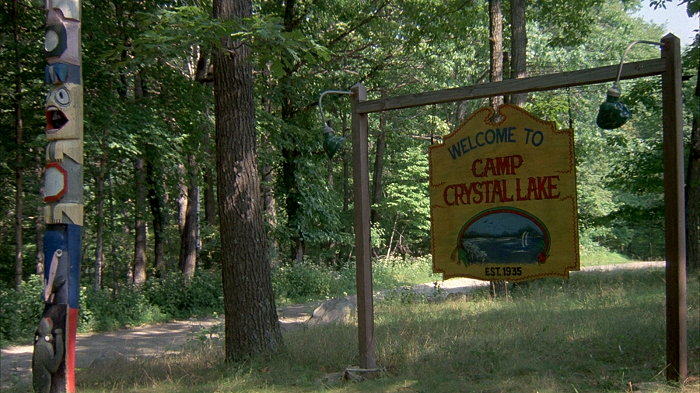
And then the game was set. When Friday The 13th came just two years later in 1980, no one expected it to be able to duplicate the success of Halloween. After all, Mother’s Day had come out the same year and faded into cult horror film obscurity quicker than Jamie Kennedy’s career. Yet there was something about horny summer campers getting picked off one-by-one by a maniacal serial killer that just clicked with audiences…to the tune of around $40M worldwide, to be specific. It wasn’t the first or the last film to try and cash in on Halloween’s success, but it was the first to literally cash in.
Over the next thirty years, what Friday The 13th may have originally lacked in originality it made up for in sheer staying power. It and Halloween became the enduring horror movie franchises, with A Nightmare On Elm Street running at a distant third place. Friday The 13th pumped out twelve films in the franchise (so far), while Halloween managed 10 (so far), with spin-off stories incorporating novels, comic books, a TV show, and even a freakin’ video game. While other date-based horror movies came and crumbled – April Fool’s Day, Valentine, Silent Night, Deadly Night, and so on and so forth to the power of Pi – Friday The 13th and Halloween both had real staying power and became iconic parts of the pop culture zeitgeist.

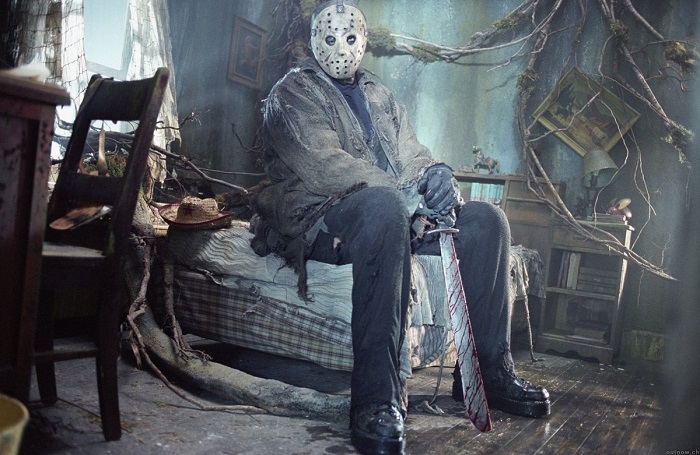
I mean, shit, it even got to the point where Friday The 13th’s seminal villain, Jason Voorhees, ended up in space. And let us never speak of Jason X here again. While date-specific films seem to have transitioned from the horror genre to romantic comedies with a cast of approximately 10,000 B-list actors that you may know (Mother’s Day, New Year’s Eve, Valentine’s Day), it’s certainly not a trend that has completely died out for fear fans either. A new Friday The 13th movie is supposedly set to drop in October of this year with The Crazies director, Breck Eisner, at the helm. Hot on its heels is a Blumhouse-produced reboot of Halloween as well, with the involvement of John Carpenter himself, no less. In 2017, the fear of the date is still running rampant, despite having grown increasingly irrelevant in the movies that it helped create.
Maria Lewis is a journalist and author who can be seen on The Feed, weeknights on SBS Viceland. She’s the presenter and producer of the Eff Yeah Film & Feminism podcast. Her debut novel Who’s Afraid? was released in 2016, with the sequel – Who’s Afraid Too? – due for release on January 17, 2017. You can find her on Twitter @MovieMazz.
