


by FilmInk Staff
A strong story starts long before the camera rolls. It begins with a question worth asking, an understanding of who needs to hear the answer, and the judgement to decide what matters.
For people working in the creative industries, those abilities can be useful across a career. A producer needs to shape an idea into something an audience will watch. A presenter needs to listen as well as speak. A business owner needs to communicate clearly when the stakes are high. The tools and settings may differ, but the ability to find and tell a story connects them.
Elliott Chipper’s career shows how far those skills can travel.
An Edith Cowan University (ECU) postgraduate broadcasting graduate and former Seven and Nine News television journalist, Chipper has since built a career in corporate affairs and strategic communications. He advises CEOs and senior executives on media, reputation and communications, while also owning and operating hospitality and heritage property businesses in Western Australia.
He began his postgraduate study with a specific ambition: to become a television journalist. The value of that experience has extended well beyond his first career goal.
“One of the real strengths of the course was how hands-on it was,” he says. “We didn’t just learn broadcasting in a classroom, we lived it every week.”
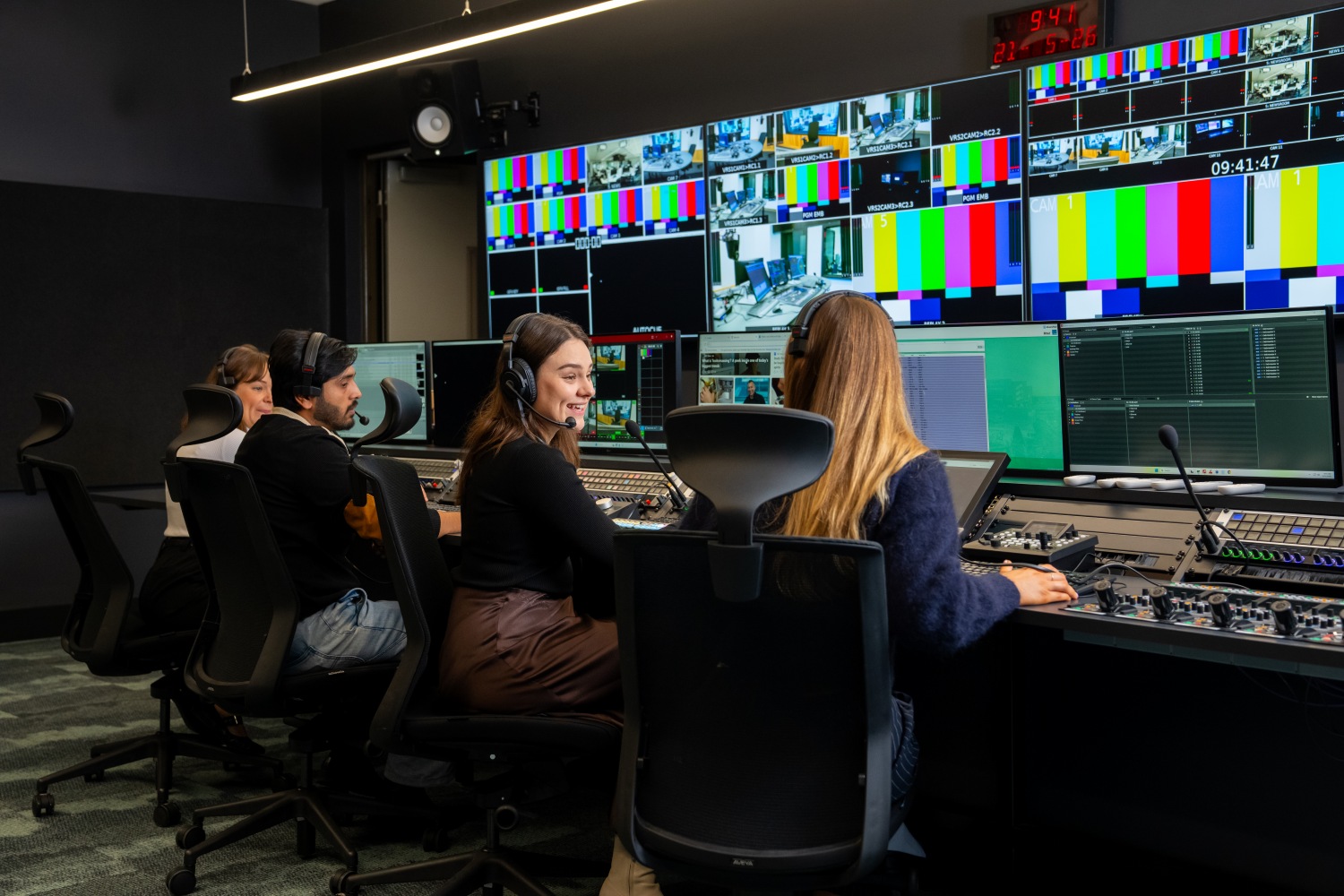
Students worked across the news and content-making process, from gathering information and interviewing to camera, sound, editing, production and the control room. That breadth gave Chipper practical grounding he could carry into other roles.
For a creative practitioner, understanding the whole production process can change how you approach your own contribution. You can see what colleagues need, recognise where an idea needs more work and make decisions with the finished piece in mind.
Just as valuable is understanding what happens before a story reaches an audience.
Chipper recalls work experience organised by his course coordinators that took students inside real newsrooms. There, they saw how journalists, producers and news directors assessed newsworthiness and made editorial decisions.
“That insight is enormously valuable whether you’re working in a newsroom, engaging with the media or communicating on behalf of your own organisation.”
It is a useful perspective for anyone pitching a story, preparing for an interview or deciding how to communicate an idea. Understanding the priorities of the person receiving your message can help you make it clearer and more relevant.
Then comes the challenge of turning that idea into something people can connect with.
“You learn how to find the story, understand your audience and bring it to life,” Chipper says.
That combination of editorial judgement and production ability gives storytellers greater scope to act on their ideas. For organisations communicating directly with audiences, it can also mean taking a more active role in how their stories are told.
Years later, Chipper still draws on his broadcasting foundations when preparing people for difficult interviews, pitching to journalists, advising leaders, producing content and communicating with employees
“What I didn’t appreciate at the time was how often those skills would come up later in my career.”
For people considering their next professional step, his experience offers a reason to look beyond the immediate job title. Postgraduate study can be an opportunity to deepen an existing strength, develop practical capabilities or explore a different direction.
ECU’s current news and entertainment media courses offer several ways to begin. The Graduate Certificate in News and Entertainment Media introduces ethical storytelling, technical skills and presentation across radio, television and streaming. The Graduate Diploma in News and Entertainment Media develops practical experience in producing and presenting content across platforms. The Master of News and Entertainment Media combines media practice with management perspectives, including audience dynamics and decision-making.
Your next step might be towards a newsroom, a production role or a new way of telling stories in the work you already do. Building those skills can help you go further.
