


by Lara Sommers
Beyond its physical allure though, Las Vegas has also captivated the silver screen, becoming an iconic backdrop for numerous films that capture the city’s glitz and glamour like no other medium.
From legendary heist movies to woozy comedies, the cinematic history of Las Vegas is not only rich but diverse too. In this blog, we will journey through the decades, exploring how the silver screen has celebrated the dazzling allure of Las Vegas.
Let’s start at the beginning…
The Golden Age: Rat Pack and Iconic Casinos
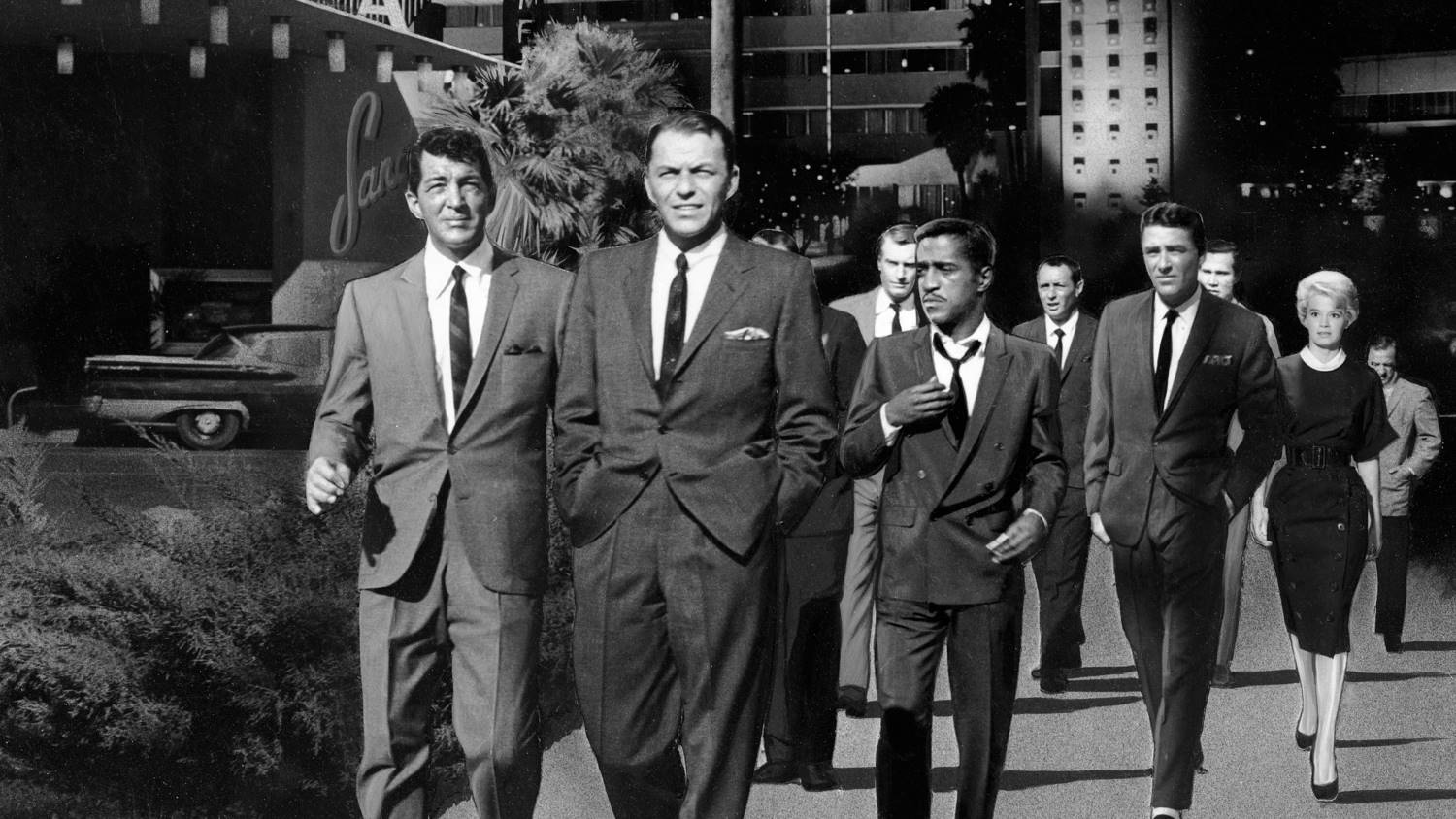
The golden age of Las Vegas cinema can be traced back to the 1960s when the city’s iconic casinos and legendary entertainers took centre stage. At the heart of this era was the Rat Pack, a group of immensely talented performers including Frank Sinatra, Dean Martin, and Sammy Davis Jr. Their charisma and camaraderie were immortalised on screen in movies like Ocean’s 11 (1960), a heist comedy that showcased the glitzy lifestyle and thrilling allure of Las Vegas’ irresistible roulette tables, much like those found at online sites like FruityKing.co.nz in the modern era.
The film’s depiction of the Rat Pack’s antics and elaborate casino heist set the tone for many Las Vegas-centred films to come. The stunning casinos, lavish shows, and stylish characters became synonymous with the city’s cinematic representation.
Viva Las Vegas: The King of Rock and Roll Arrives
The 1960s also brought the legendary Elvis Presley to Las Vegas, both on stage and on screen. Viva Las Vegas (1964) is a musical romantic comedy that pairs Presley with co-star Ann-Margret in a vibrant celebration of music, dancing, and, of course, the city itself. The film showcases the exhilarating energy of Las Vegas through electrifying performances, colourful costumes, and picturesque desert landscapes.
This film cemented Las Vegas as a place of fun, romance, and larger-than-life entertainment, reinforcing the city’s reputation as a destination where dreams can come true.
Ocean’s Revival: Modern Heist Adventures
The turn of the 21st century saw a revival of the Las Vegas heist genre, with the release of Steven Soderbergh’s Ocean’s Eleven (2001). This contemporary remake, starring George Clooney, Brad Pitt, and Julia Roberts, reinvigorated the allure of the city’s casinos and the excitement of a meticulously planned heist.
The film’s glitzy portrayal of the Bellagio, Mirage, and MGM Grand casinos, among others, captured the modern luxury of Las Vegas while paying homage to its cinematic legacy. The success of Ocean’s Eleven led to two sequels, further solidifying Las Vegas as a prime setting for high-stakes capers.
A Fusion of Genres: Las Vegas in Rom-Coms and Dramas
While Las Vegas has been a staple in heist and musical films, it has also played a pivotal role in romantic comedies and dramas. Movies like The Hangover (2009) and What Happens in Vegas (2008) added a comedic twist to the city’s allure, showcasing the adventures and misadventures that can unfold during a wild night out.
On the dramatic side, Leaving Las Vegas (1995) offers a poignant exploration of addiction and despair against the city’s dazzling lights. The film’s juxtaposition of the city’s glitz with its darker underbelly provides a stark and emotional contrast.
Conclusion
The cinematic history of Las Vegas is a tale of glitz, glamour, and a city that has captured the imagination of filmmakers and audiences alike. Las Vegas has served as a canvas for many stories from the golden age of the Rat Pack to modern heist adventures, romantic comedies, and dramatic portrayals. Its iconic casinos, neon lights, and larger-than-life entertainment have transformed it into a character in its own right, one that brings depth and excitement to every scene.
As filmmakers continue to explore the cinematic potential of Las Vegas, the city’s legacy as a symbol of glamour and extravagance will undoubtedly persist. Whether capturing the electrifying energy of a musical performance, the tension of a high-stakes heist, or the complexities of human relationships, Las Vegas remains a timeless and endlessly captivating backdrop for storytelling on the silver screen.
