



What’s your journey as a filmmaker? ‘What’s your story?’
I started my journey in Tel Aviv University, where I was studying cinema along with psychology. In those dimly lit lecture halls, watching the works of Robert Altman, Mikio Naruse, Ingman Bergman, Krzysztof Kieślowski, to name a few.., it felt like a whole new, deeply rich world was revealed to me – I just fell in love. A few years later, at the London Film School, I immersed myself in the craft of filmmaking – working on lots of short films in almost any conceivable role. After that, I became really interested in the intersection of art and community: for the next decade I produced and directed short documentaries, while also working with vulnerable communities – youth at-risk, people battling poverty, asylum seekers and refugees – so they can tell their own stories through film.
It was a handsome Australian that led me to set camp here… I always thought I’d live a nomadic life… but I have to say, after ten years in Sydney, the roots are growing deep.
How did you cast the film? Why these 4 women?
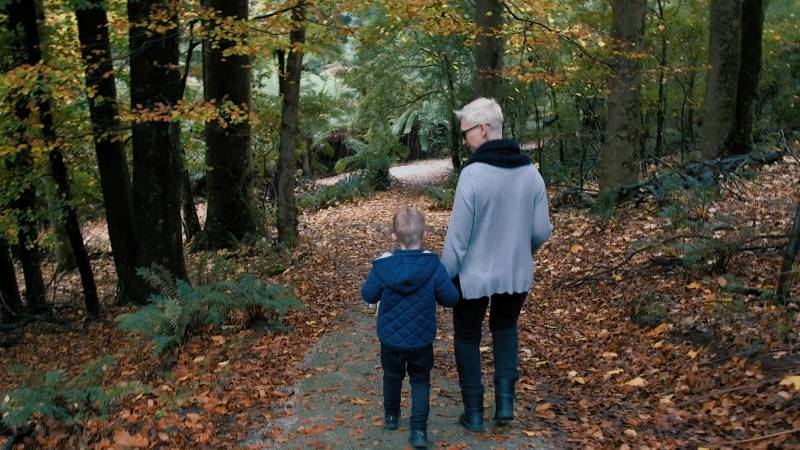
On the one hand, I think I could have chosen any mother to be a part of this film. Everyone has an interesting story, and every story of motherhood leads us to new understandings. On the other hand, I did spend a very long time researching in order to find these specific four women. I was looking for women whose stories highlight a specific issue with a stronger, brighter spotlight. And I was interested in women who look squarely in the eye of these issues, and really stop to consider them.
Were the questions asked of the women pre-determined by you? How did you come to the issues addressed by the respective women, ie. body image, disability, mental health, etc?
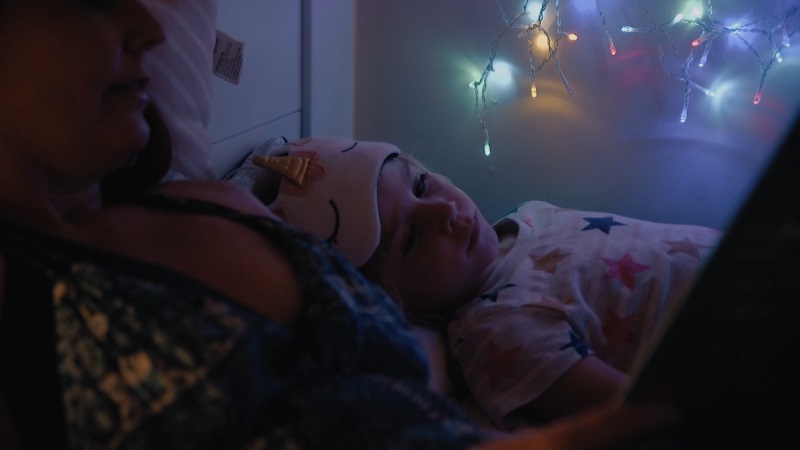
I focused on issues that, at their core, I believe are relevant to all of us. While we don’t all have a child with a disability, we all know something about being different, and about not fitting in. While we haven’t all suffered from depression, most of us will know something about those feelings at the core of it. While we don’t all have big bodies, most of us know dissatisfaction with body shape, shame, guilt and – sad as it is to say – even hatred… This is what guided me in choosing the themes, and as such, many of the interview questions were a result of careful research. But of course, you always try to keep the door open to surprises.
You’re a mother yourself, is the film like a therapy exercise for you?
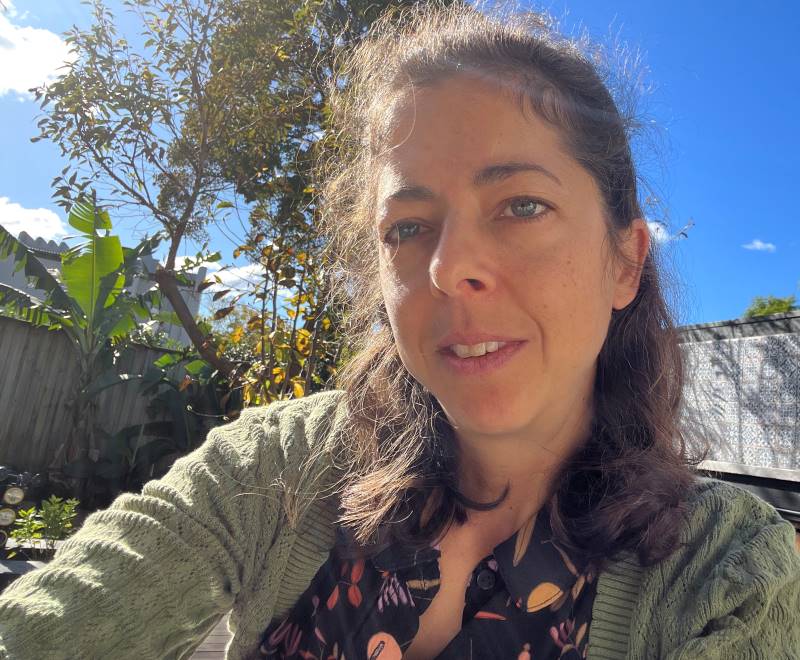
Yes very much so, but I think any art is – no? Judging by the amount of motherhood-related horror films coming out these days, I’m not the only one trying to work something out.. But definitely: I have three kids, each very different, with their own package of challenges, and parenting them often forces me to look into this giant mirror – reflecting back both my own unresolved issues, and those of our society. This is what pushed me to make the film. I was looking for stories that would shed light onto my own. And in many ways, it was effective! The insights and perspectives that came about in the making of this film – they stay with me, and I often return to them when I am despairing over one thing or another. But I think just as importantly, making the film, and seeing in others the same struggles that I experience myself – it makes me feel less alone in this world.
