


by James Mottram
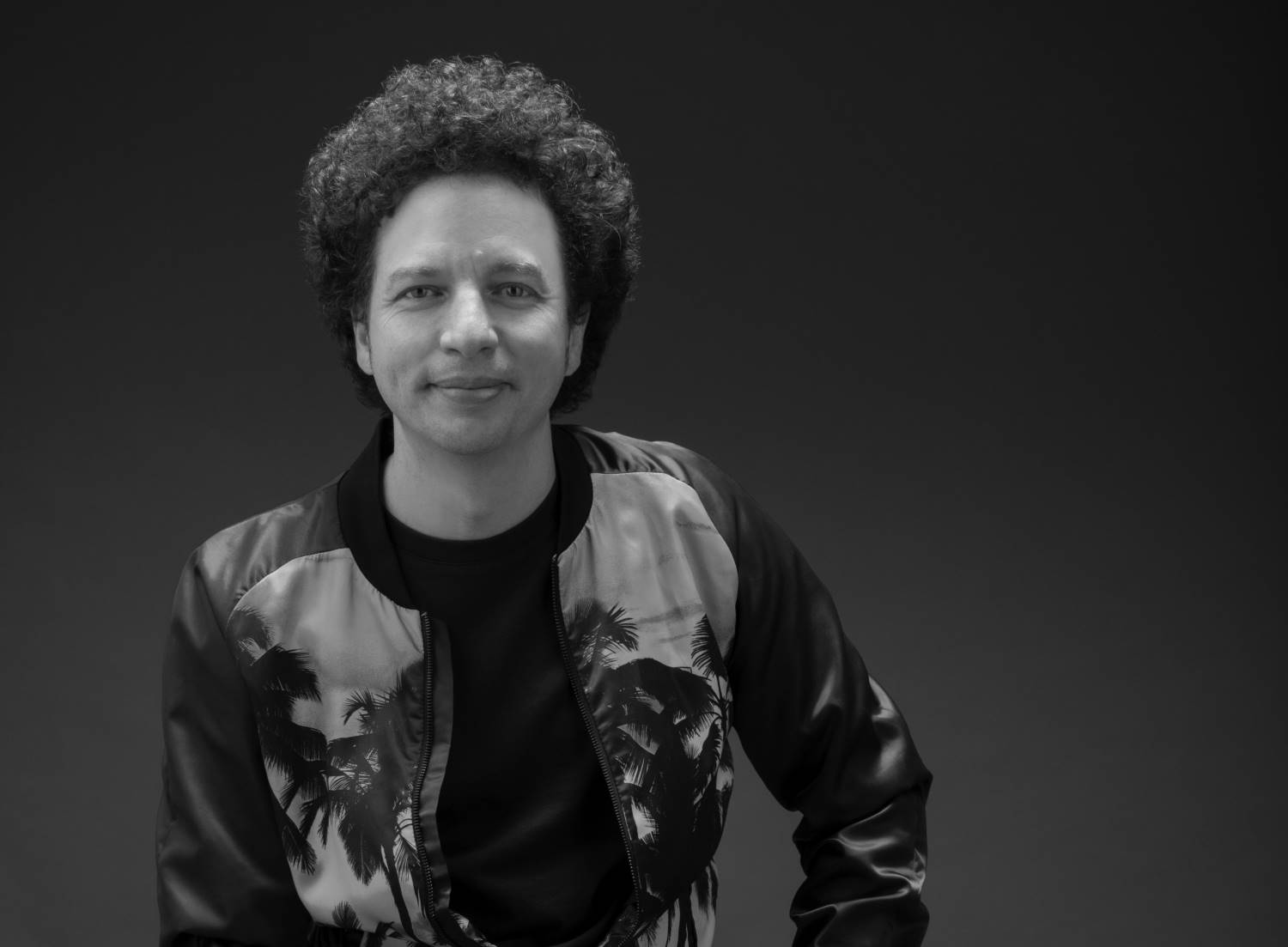
“In Mexico, many people get upset with my cinema,” says Michel Franco. “’Why do you show the worst side?’ Well, I say, ‘why don’t you try to make things better?’” It’s a salient point from the writer-director, whose incendiary last film, 2020’s New Order, depicted a blood-curdling revolution as the elite were stripped of their wealth in the most terrifying and ruthless of ways.
His latest effort, Sundown, is equally punctuated by moments of violence, inspired by real events, although what can you expect from a director who has been kidnapped? “I was 20 years old, and I got kidnapped for a few hours,” he recounts. “There were very stupid kidnappers. So, they got nothing out of it. I went through it and then I went back to my life. I could decide to move to a different culture…but you don’t – you keep living with violence daily.”
Sundown sees Franco reunite with British actor Tim Roth, who previously played a palliative nurse in the director’s grim 2015 film Chronic. While that was a story about a man surrounded by death, the same could be said for Sundown, albeit in a different way. Set in the tourist hotspot of Acapulco, the early scenes see Roth’s character Neil holidaying with his sister Alice (Charlotte Gainsbourg) and her kids Colin (Samuel Bottomley) and Alexa (Albertine Kotting McMillan).
Then comes the phone call: Neil and Alice’s mother has died. While Alice and the kids rush to the airport, Neil delays, claiming he’s forgotten his passport. It soon becomes clear he hasn’t, as he checks into a budget hotel and starts drinking himself into a stupor on a public beach every day. Why won’t he face up to his responsibilities? Nothing is immediately clear in Franco’s script, with Neil the most opaque and fascinating of characters.
When Franco wrote the film, he was in a bad way. “It’s my seventh movie. And it’s the first one that I wrote out of a feeling. It wasn’t that cerebral. I was very depressed, in very bad shape. I was having a hard time putting together New Order. I didn’t know if it was going to happen. Because that really seemed like the impossible movie. Everybody kept telling me ‘Stop it, you won’t be able to shoot that movie, you won’t be able to close the streets, you won’t get the money.’ And this [Sundown] came out as a defence mechanism, as a way of coming out of that crisis.”
Franco’s intention was to write with Roth in mind. “But Tim didn’t know about it,” he says. “Normally, when I write for an actor, I explain in detail why I’m gonna write. But in this case, again, I was in such bad shape that I just wrote it. I sent it to him, and he reacted very well to it. He said, ‘Don’t change it much.’” Did he have a Plan B if Roth refused the role? “You can always look for actors. But if he would have said no, for whatever crazy reason, I probably would have turned it into a woman. I like doing that – changing the gender!”
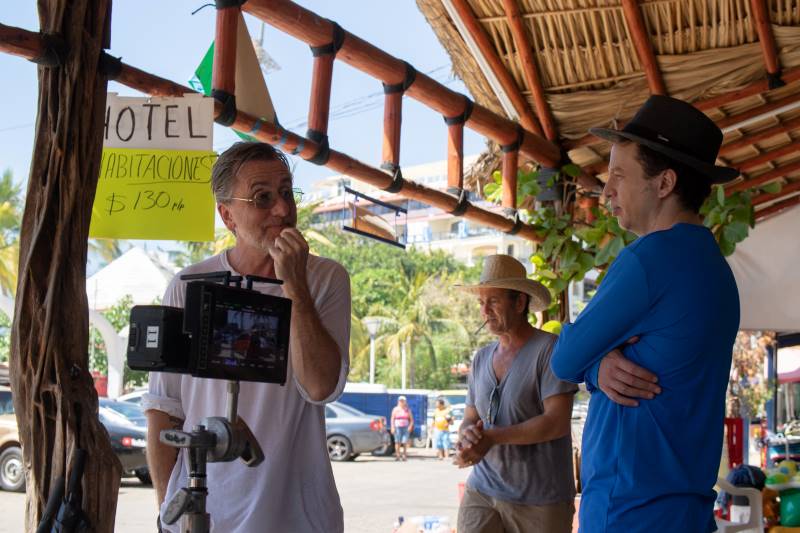
While it would be giving too much away to discuss Roth’s character or his motivations, Franco doesn’t flinch from showing the violence that, in Mexico, has become a way of life. As a kid, living in Mexico City, he would visit Acapulco seven, eight times a year. But gradually, it got more and more violent. “If you Google ‘most dangerous cities’, it’s always Acapulco. It was number one for many years. Again, [people are] angry because I talk about it. Be angry because one hundred people get killed every day and women disappear and get raped! And you cannot denounce it because then it’s worse.”
One notable scene is based on a real incident; as Neil is sipping beers on the beach, a shooter arrives on a jet ski to kill a target. When it happened for real, onlookers just kept on sunbathing, says Franco. “In the newspapers they laughed a bit by saying assassination in Acapulco, James Bond style, because it’s [on a jet ski]. It’s so sad and so difficult and so absurd. It’s funny in a fucked-up way.” The locals were not even bothered about what he was depicting. “They laughed. ‘Come on, it’s nothing what you’re showing, we’ll tell you stories about violence here.’ And it’s a lot heavier than what I’m showing.”
That said, the Mexican tourist board may not be so delighted with Franco’s depiction of the casual-but-bloody violence, particularly as it’s directed towards wealthy tourists. He experienced similar reactions to New Order, a film that was critically acclaimed and even took the Silver Lion Grand Jury Prize at the Venice Film Festival. Yet back in his country? “They wanted me to apologise and of course I didn’t! It hit too close to home, and it raised hell. And many people react to it without watching it. The trailer triggered a wave of trending topics [on social media]. I don’t know what – I don’t get involved – but they were talking for days. They were saying ‘Cancel this director!’”
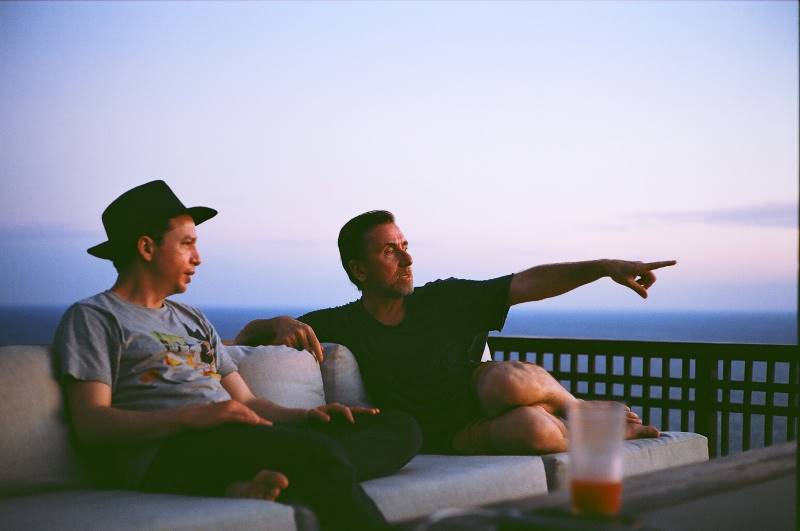
That wasn’t going to happen: Franco had already shot Sundown and was in post-production on the film. “I don’t mind a negative reaction. If they watch the film and they’re talking about it. But the negative reaction is because they are angry that I’m talking about something that shouldn’t be talked about. ‘Let’s not talk about this. Let’s not show that side of our country. Let’s just talk about the beautiful stuff. Why don’t you teach us something? What’s the message?’ I’m like, ‘I’m not a schoolteacher, you’re a grown up, do the job on your own.’ So it was interesting in Mexico… I was very flattered by the controversy. I mean, it’s the only reason to make a movie like that, to trigger a conversation.”
Franco has been researching his next project in Poland, though he refuses to divulge further details. “Hopefully, if I’m trying to grow as a writer, the key is to find it within – not film references, and certainly not genres,” he says. “I would never say ‘I really want to make a thriller’ – that’s boring. Only a comedy. I would like to make a stupid comedy… if it makes people laugh.” And what about Sundown – how does he see it? A love letter to Acapulco? “This is a love letter with spines. But love is like that, isn’t it?”
Sundown is in cinemas July 7, 2022
