


by Jamie Henry
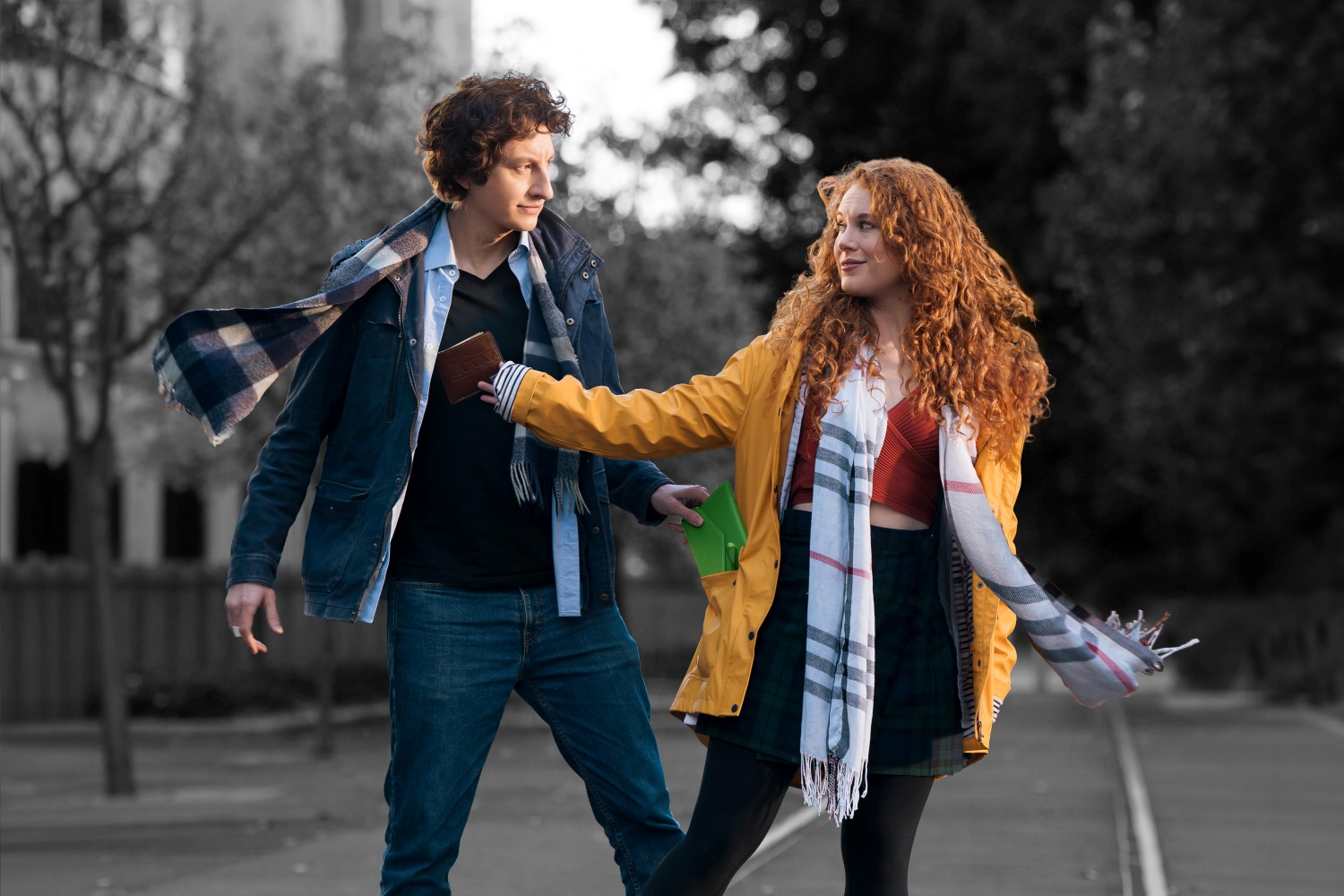
Australian filmmaker D.C. Fairhurst and writer, actor and producer Lucy Green have taken the familiar ingredients of a crime caper and given them a distinctly local twist with Pickpockets.
Directed by Fairhurst and co-written by Green, the independent feature follows experienced pickpocket Jesse and rookie Robin, whose rivalry develops into an unlikely partnership. Featuring Tim Minchin and Zoe Terakes, the film combines heist conventions, romantic tension and comedy against a less familiar side of Sydney.
After several years of development and production, the pair recently travelled to the Austin Film Festival, where Pickpockets won the Comedy Vanguard Feature Award.
Here, Fairhurst and Green discuss the film’s influences, its striking visual identity and the realities of independent filmmaking.
A crime caper with romantic intentions
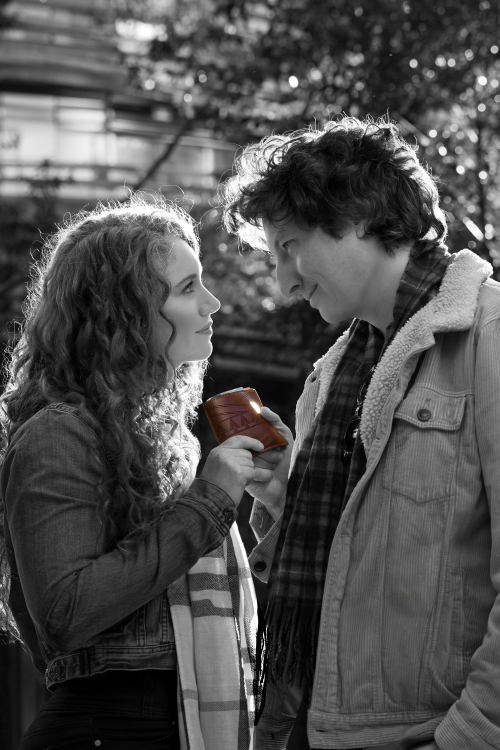 Lucy, you previously mentioned 10 Things I Hate About You as one of your favourite romantic comedies, while D.C. has cited It Happened One Night. Both films have conflict at the heart of their central relationships, something that carries through to Jesse and Robin. How important was that tension in shaping their dynamic?
Lucy Green: “Absolutely. We wanted that tension to keep escalating, even when they’re almost at each other’s throats. Throughout the writing, rehearsal and shooting process, we were always striving to keep that bubbling. We never wanted it to disappear. We wanted it to increase, increase, increase.”
D.C., the film also embraces plenty of crime and heist-movie conventions. Which elements of the genre were important to include, and how did you make them work within an independent production?
D.C. Fairhurst: “We discussed the tropes of crime and heist movies that we love and feel are essential to the genre, the things that give you that endorphin rush.
“Then it became a question of how we could achieve those moments on a budget that was achievable for these characters, who are broke, without needing to break the bank ourselves.
“We built a list of things that are always fun in heist movies. There’s the model they use to plan how they’re going to break into a place, but if these characters are going to make one, it needs to look like something someone who doesn’t know how to put it together has made.
“You get to see the plan forming, but you also get them bickering about this piece of junk model. That became a recurring idea, particularly when we were developing the final award-show set piece. It was about finding ways to include those moments that felt right for Pickpockets.”
Finding the film’s visual identity
The film has a distinctive visual style, with its black-and-white imagery and selective use of colour. The cinematography becomes part of the storytelling rather than simply providing the backdrop. When did that approach develop, and what inspired it?
D.C.: “It was really important to find something that would give the feature its own aesthetic. After the positive reception to the short film [This Town Ain’t Big Enough For Both Of Us], I started thinking about what we could do visually to make the feature stand apart.
“We looked at references like Sin City and its use of black and white, with particular elements of colour breaking through. It was an interesting way to create a visual identity without relying on conventional colour cinematography.
“I was able to go back and regrade the short film in the style we were considering for the feature. That gave me something to show Lucy and our cinematographer, so they could see how the approach might look on screen.
“It also opened up a lot of possibilities. We could create more dynamic shots, draw attention to particular details and shift the audience’s focus towards what mattered in a scene. It became another storytelling tool. Rather than simply making the film look different, the intention was to use the cinematography to direct the audience’s attention and bring out certain moments.”
Showing a different side of Sydney
Sydney is almost another character in the film. Rather than relying on familiar harbour views and landmarks, you explore its streets, architecture and everyday working life. Why was it important to show that side of the city?
Lucy: “We often see the commercialised view of Sydney, particularly in films aiming for an international market. We focus on the Opera House, the Harbour Bridge and the beauty of the city, which is spectacular. But D.C. has spent his whole life there, and I moved here quite young. We know the less romanticised side of it.
“We love the working side of Sydney and the beautiful architecture that doesn’t get seen in those highly commercialised shots of the harbour. It’s where we’ve formed our friendships and careers. There’s so much life in the city, in the bustling streets and peak-hour traffic.
“During the writing process, it was about asking how we could highlight that. How do we show the international market our home, but also show our neighbours their home? How do we translate that so people who live here can see themselves in it?”
The long road to the screen
Having spent several years developing and making Pickpockets, what were the biggest challenges of getting an independent feature off the ground? And what has it been like finally sharing it with audiences?
D.C.: “Making films is generally a slog, but when you’re working with lower-budget financing and chasing money from different places, it becomes even more difficult. Then you’re shooting in busy streets, where you have no control over the people who might come along and interrupt. Every day on set was a battle.
“It was also really fun, and we’ve formed amazing friendships with many of the people we worked with. I’ve now been working with Tim [Minchin] on different projects for about two years, which has been amazing.
“It’s been lovely over the past couple of months, as the film has had its festival life and people have started responding to it. At the Austin Film Festival, we did our technical check of the film. It was just the two of us with the technical crew, watching the first five or ten minutes to make sure the DCP was functioning.
“I’d been in post-production for so long that I wasn’t thinking about frame rates or visual effects errors anymore. It just became about the story we were telling.
“Speaking to people about the themes and message at the heart of the film has been lovely. It’s a chance to get back to why we made it and what we wanted to say about relationships. The core is that it’s a film about conflict, about two people with opposing worldviews who both have a lot to learn from one another.
“When you stop being so protective of yourself and refusing to see someone else’s viewpoint, you become more isolated. When you open up and let yourself learn from others, that’s when you become your best self.
“We’ve been so lost in the weeds that it’s really lovely to get back to the heart of it.”
Lucy: “We’ve been consumed by Pickpockets for the last few years, and it’s difficult to see it from an outsider’s perspective. We’ve been very insular with this project, which we both believe in with all our hearts. You never know if that will translate to somebody who hasn’t lived with it for years or explored every line and frame.
“To be in Austin and have people running up to us on the streets, excitedly talking about their favourite scene or moment, was incredible. Nothing beats that.
“We could see that the film has an audience who is excited about it. They connect with Jesse and Robin as a couple, and with them individually. That’s all we wanted.”
Making films, making mistakes
For aspiring filmmakers, particularly those starting out with limited resources, what advice would you give based on your own experiences?
D.C.: “I think there can be a lot of obsessing over breaking into the industry and becoming the next great filmmaker. The core thing I’ve always said is just go out and make stuff as often as you can.
“Whatever your craft is, you need to practise to get good at it, and you need to fail to get good at it. By the time I was finishing film school, I’d made about 12 short films. Maybe the last two were okay. It took a lot of falling on your face to figure that out.
“Two of my biggest successes started as throwaway ideas. This Town Ain’t Big Enough For The Both Of Us was shot over a weekend for about $500 to $1,000 as a little palette-cleanser project. That has led us here.
“I also made a horror short called White Void, which we shot over about eight hours on a Sunday. I shot and edited it myself. It went viral and led to me optioning a horror script in the States, although that project was eventually killed by COVID and the strikes.
“You need to make things that are achievable for you and challenge yourself with different approaches, genres and writing styles. Learn what your voice is and what you enjoy doing. Get your work in front of audiences, whatever level it’s at. If people don’t connect with it, you can learn from that.
“And make sure you finish what yo’’re working on. I’m by far not the most talented person from my film school, but I think I’m the most stubborn about releasing things and setting deadlines. That has served me well.”
Lucy: “I’d reiterate what D.C. said. Even if you’re creating something and know what could have been better, you can say, ‘Great, I’ve learned that lesson and I can put it into the next one’. But let’s finish and release this one now, because that body of work is important.
“I also think it’s important to find people whose work you respect and whose approach to their craft you admire. Turn them into your script editors. Nobody’s perfect, and everybody needs to be able to take criticism.
“Find people you respect, send them your work and listen with an open heart when they give you constructive feedback. You can leave what you don’t agree with, but if several people start saying similar things, it’s probably worth listening.”
A cast built on collaboration
The film features an impressive ensemble, including Tim Minchin and Zoe Terakes. How did you bring those performers into the project, and what was it like working with them?
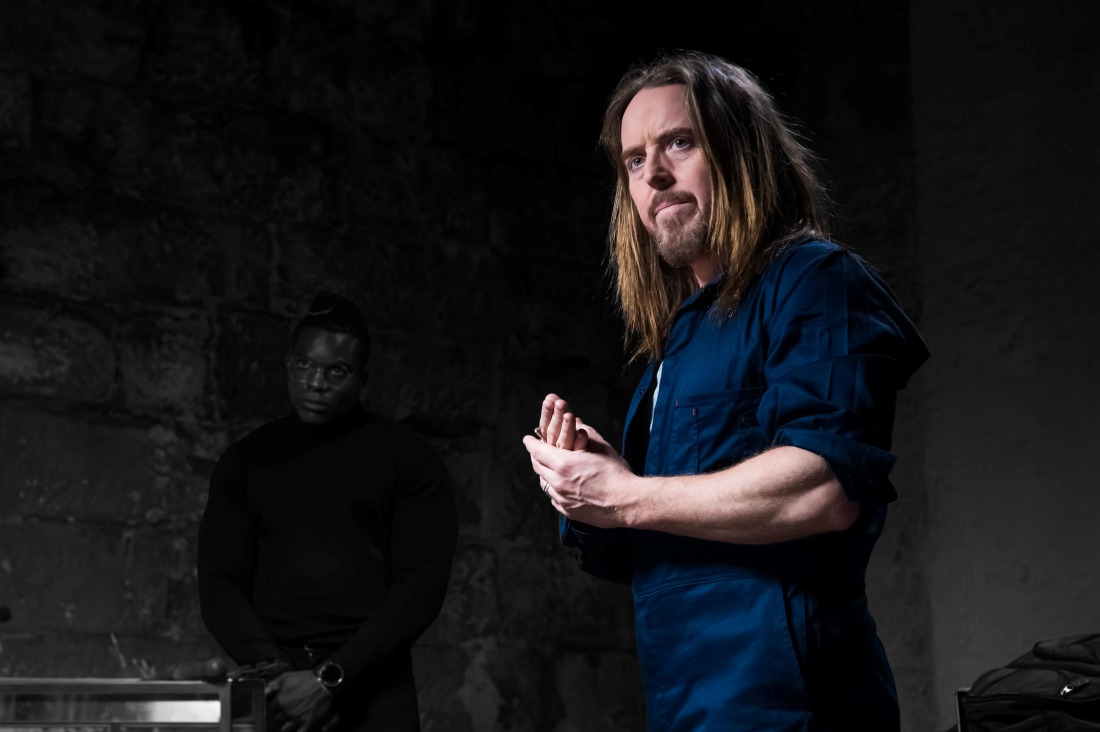
D.C.: “The mission statement for Tim’s character was that we wanted someone Australian audiences had an incredibly positive feeling towards. That’s the art of his character: you meet him as this beloved Australian figure, and then you get to see his true colours.
“Tim was very high on our list, but we weren’t expecting such an immediate reaction from him. We were nervous before the first rehearsal that he might come in and say, ‘This is too low-budget. This is beneath my level’.
“Instead, he arrived in shorts and a colourful bucket hat, grabbed both of us in a hug and immediately set the tone. He was there because the project was different, because it wasn’t going through the typical channels and because it wasn’t a big-budget film.
“He really cares about supporting the local arts. Something I appreciated was how much he cared about your vision as a director. He’s very particular and knows what he wants, but on set he really wanted to be directed. He wanted to know what I thought of his approaches.
“He never complained, didn’t need a fancy trailer and was there to support the film we’d been trying to make. He’s been with us through the journey ever since.”
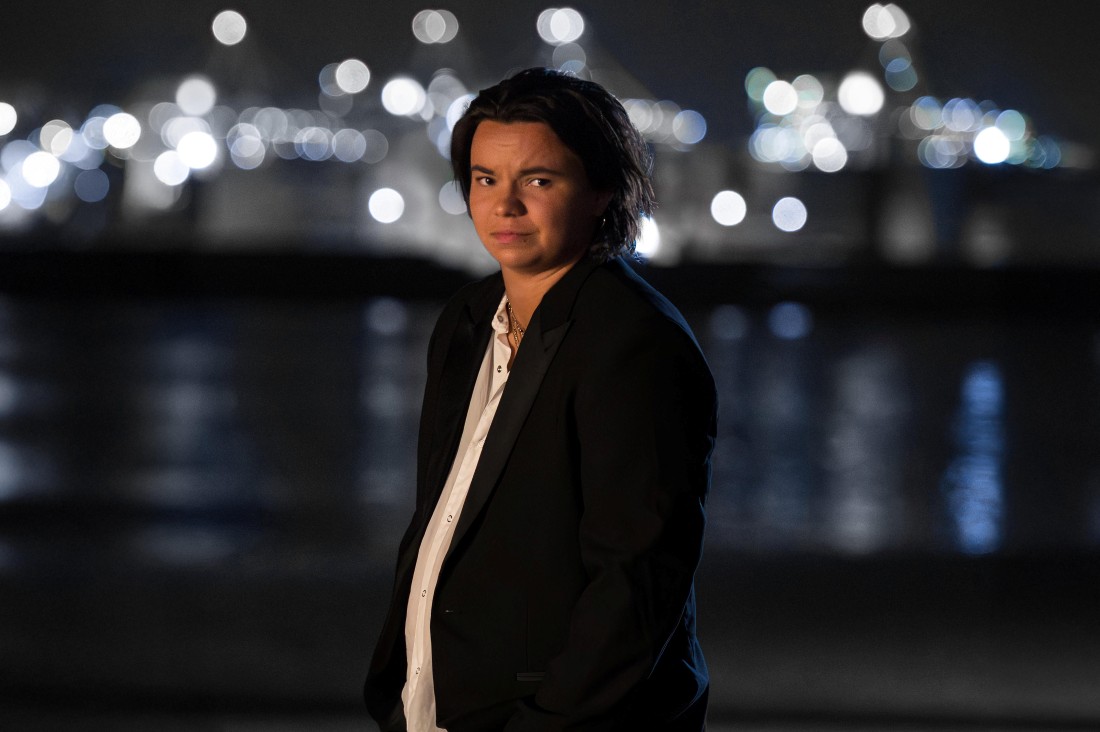
Lucy: “Zoe has been a friend of mine for years. When I pitched Zoe to D.C. during the writing process, we very quickly adapted Biggs to suit them. We just hoped they would say yes, and they did.
“A lot of the supporting cast are friends of ours, too. Mia Morrissey is a very good friend of mine, as are Matt Love, Jason Farini and Alfie Gledhill. We’re lucky to know so many talented actors who were generous enough to give us their time.”
Did having those existing friendships on set influence the performances and the way you approached the supporting characters?
Lucy: “It’s nice when you invite friends onto set because they know who you are. They know when you’re stressed and will give you a little extra grace. When you’re working with someone who doesn’t know you, that might be the first and only interaction they have with you, and you’re often at your most stressed on set.”
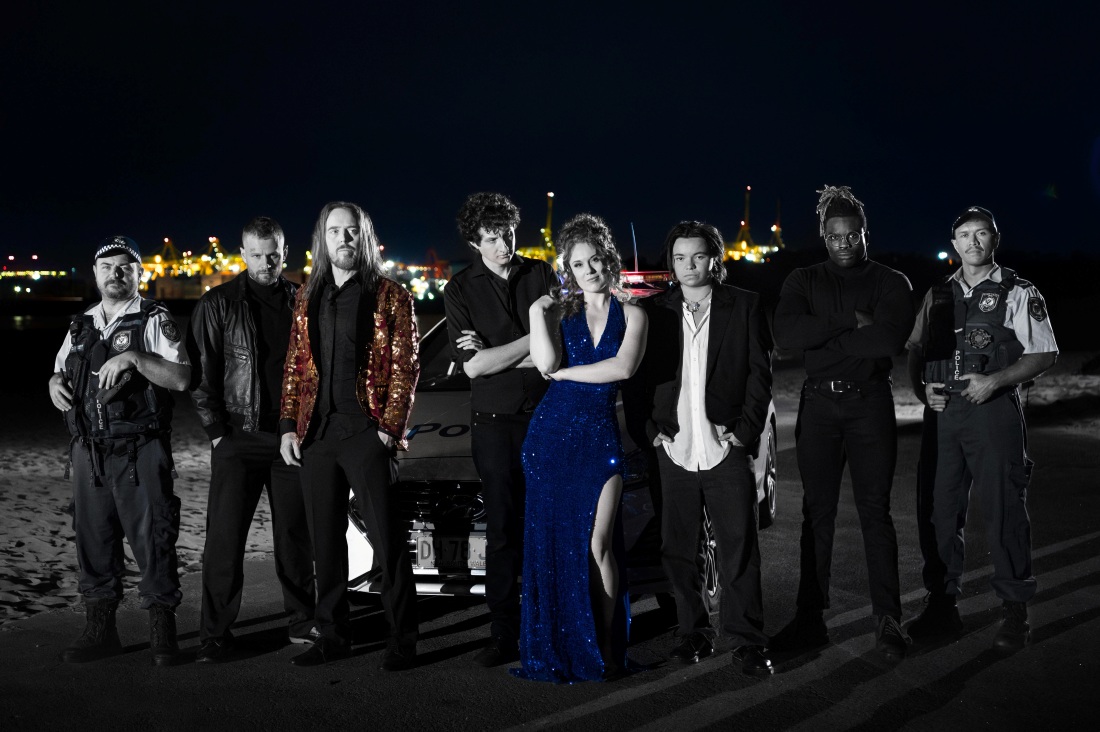
D.C.: “I think it was also good for the film. Because they were friends, and we were so appreciative of them doing it, we wanted everyone to have a moment. Even the actors playing the cops towards the end needed something distinct and a comedic moment they could dig their teeth into.
“That became an ethos, even for the people we approached through their agents. Whenever a supporting cast member was on screen, we wanted them to have substance and something that made them unique.”
What’s next?
With the Austin award behind you, what does the next stage look like for Pickpockets and your company Damaged Goods?
D.C.: “The tour is going to be the next three weeks or so. The hope is that it gives us a lot of data and shows that we’re selling out cinemas. That allows us to approach more cinemas and say, ‘Please programme the film. There is an audience here’.
“The reception so far has been very positive. The more word of mouth builds, the more people will come to non-Q&A screenings. Hopefully, that means the film will have a long tail over the next two or three months.
“We’ve designed it so that we don’t have a hard-and-fast plan for VOD. We can be incredibly flexible. We were looking at examples like Hundreds of Beavers, which had a year of roadshow life. We’re going to try to do the best we can by Pickpockets and give it as much of a life as possible.
“The past couple of years have also helped us figure out our taste and the kinds of films we want to make. We’re starting to build a slate of projects.”
Lucy: “We have a couple of projects we’d love to get off the ground. One is a half-hour dark-comedy TV show, and another is a rom-com, but this time it’s not a crime film. It’s an action film.
“We actually wrote that with our executive producer, Andrew Gardner, before Pickpockets. We quickly realised that all the action scenes might make it a little higher in budget than Pickpockets. There are a bunch of exciting projects on our computers that we’re dying to get up on their feet.”
Is there a particular philosophy that connects the different genres you’re exploring?
D.C.: “I think it’s partially about wanting to challenge ourselves and try different things. I love pretty much every genre. There’s an example of a film I love in almost everything.
“The ethos of Damaged Goods is that we want to make films that are fun and entertaining, that you can explain to people in a couple of sentences without getting into a philosophical rabbit hole. But they also have something to say.
“We appreciate movies that aren’t drowning in being an issues film or having to front-load a lot of that. We prefer to capture your attention with something fun and exciting, then use the story to explore issues around modern Australia and the way we connect with one another.
“That’s the guiding light, no matter what genre we’re looking at.
For Fairhurst and Green, Pickpockets is ultimately about more than a heist or an unlikely partnership. Its crime-comedy premise provides the entertainment, but the relationship between Jesse and Robin gives the film its heart. Beneath the rivalry, elaborate plans and shifting loyalties is a story about learning to see things from another person’s perspective. As the filmmakers prepare to take their feature to Australian audiences, that idea remains central: sometimes the most unexpected partnerships are the ones that teach us the most.
Pickpockets screens on Wednesday 11 November at Sydney’s Hayden Orpheum, Monday 16 November at Melbourne’s The Astor, Tuesday 17 November at Melbourne’s Eclipse Cinema, Thursday 19 November at Brisbane’s New Farm Cinema, Friday 20 November at Gold Coast’s HOTA, Saturday 21 November at Palace Cinemas, Byron Bay, Sunday 22 November at Tower Cinemas, Newcastle, Tuesday 24 November at Perth’s Rooftop Movies and Wednesday 25 November and Luna SX in Fremantle.
Tickets to all screenings here: http://www.pickpocketsmovie.com/
